André Stentz, winemaker at André Stentz in Wettolsheim, works a family-run organic Alsace estate rooted in long continuity.
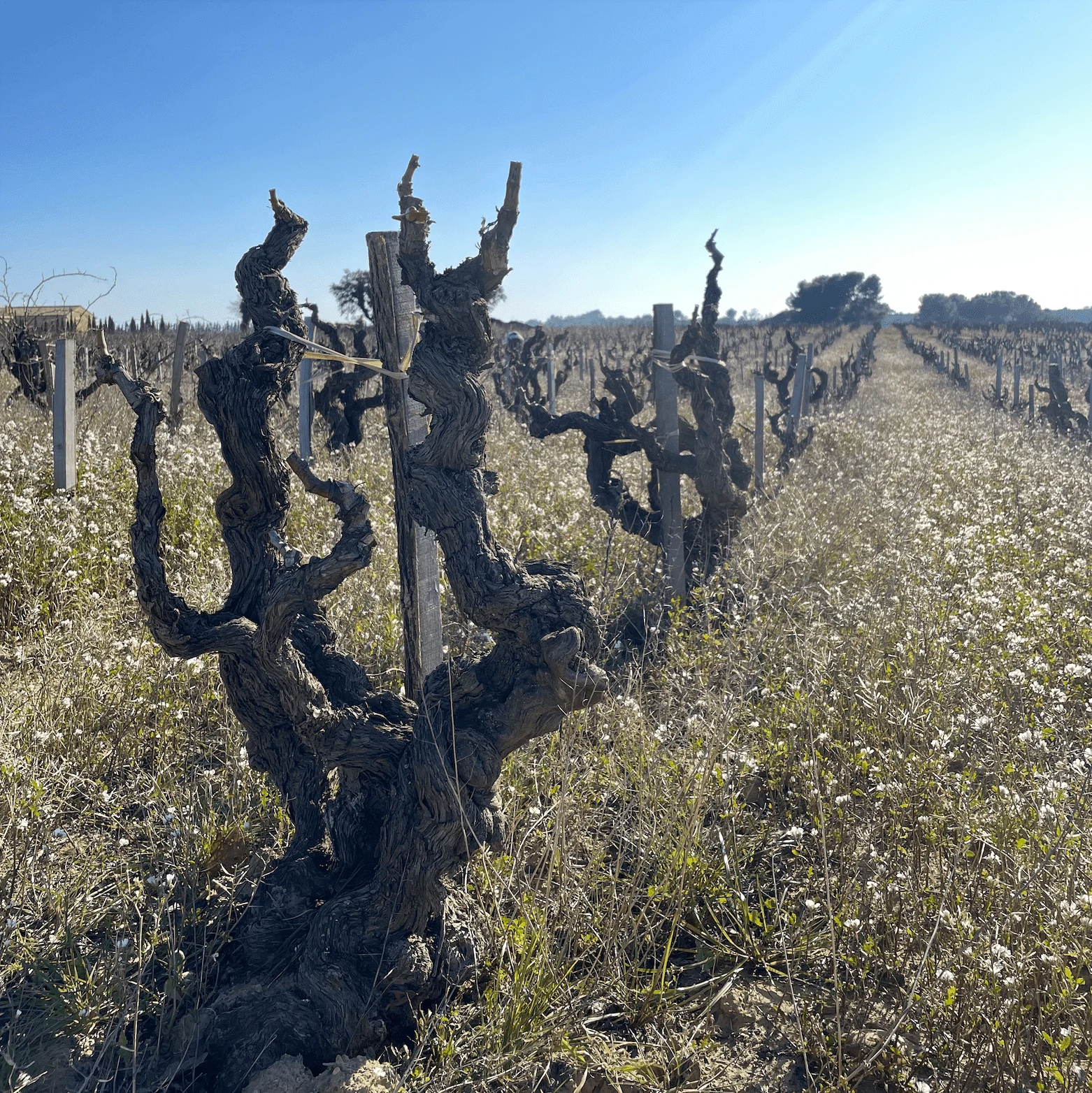
The organic work begins in the rows before it reaches the cellar. André Stentz, winemaker at André Stentz in Wettolsheim, reads Alsace fruit through one estate and one village. He became head of estate here in 1976, and the long service matters: the cellar decisions sit beside estate management, not apart from it. The family presence in Wettolsheim reaches back to 1674, and Stentz is the eighth generation of viticulturists to steward these lands. That lineage gives the domaine its scale and its discipline. It is family-run, organic, and built around estate-grown fruit rather than volume. The modern line of the house is clear from 1984, when the estate joined Nature et Progrès and fixed organic farming at the center of its method. In a region where varietal identity can be both generous and exacting, Stentz keeps the work close to traditional Alsatian cépages: Sylvaner, Pinot Blanc, Riesling, Pinot Gris, Muscat, Gewurztraminer, and Pinot Noir. The name on the bottle and the name over the door remain the same.
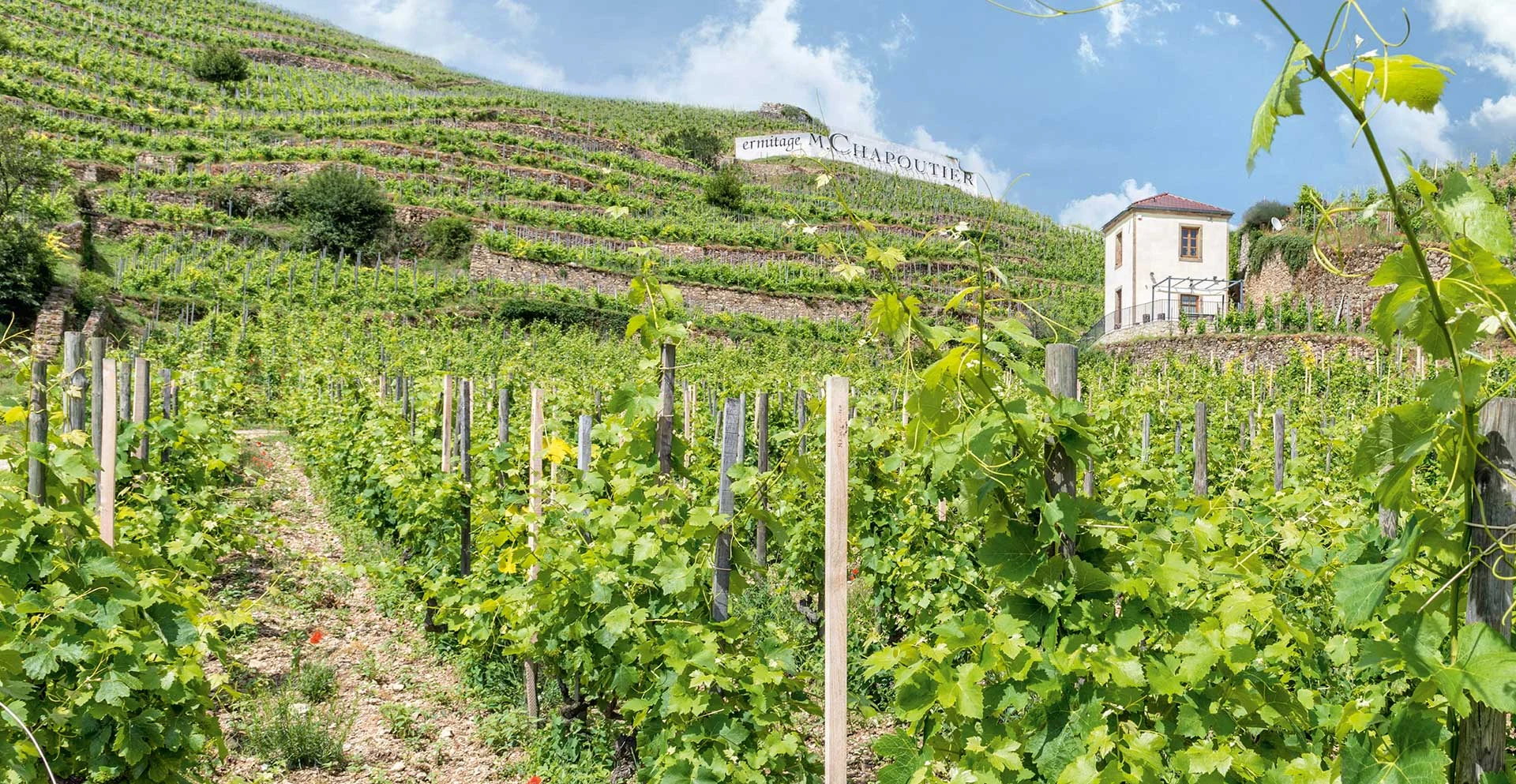
The program at André Stentz is broad without feeling scattered. Still whites carry much of the estate’s language, but the cellar also works in Pinot Noir, Crémant d’Alsace, Vendanges Tardives, and Sélections de Grains Nobles. The Crémant d’Alsace AOC Brut, Crémant d’Alsace AOP Brut Nature, and Crémant d’Alsace AOC Rosé Brut mark the sparkling side; Alsace Gewurztraminer and Rosenberg 2023 sit on the still-wine side of the bench. One published Crémant d’Alsace Brut 2016 gives the specifics: 80% Pinot Blanc, with Auxerrois and Chardonnay, expanded in steel tanks to keep the wine’s freshness in view. The estate’s terroir bottlings include Grand Cru names tied to Alsace’s slopes, among them Hengst, Mandelberg, and Steingrübler. The site language matters here. Wettolsheim benefits from a dry, early microclimate near Colmar, under the Vosges, and the Grand Cru Mandelberg is described through clay-limestone soils. Stentz’s method does not ask the cellar to correct the vineyard. It asks the vineyard to arrive cleanly enough for the cellar to listen.
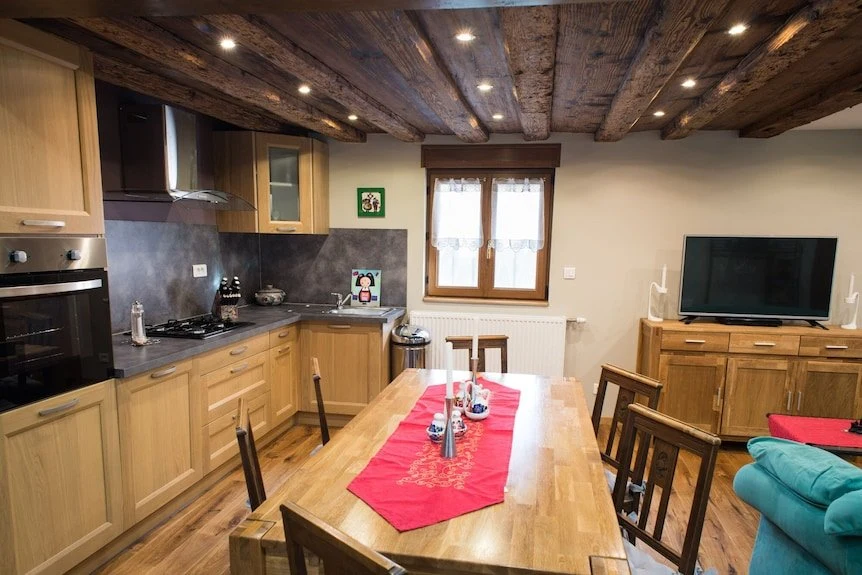
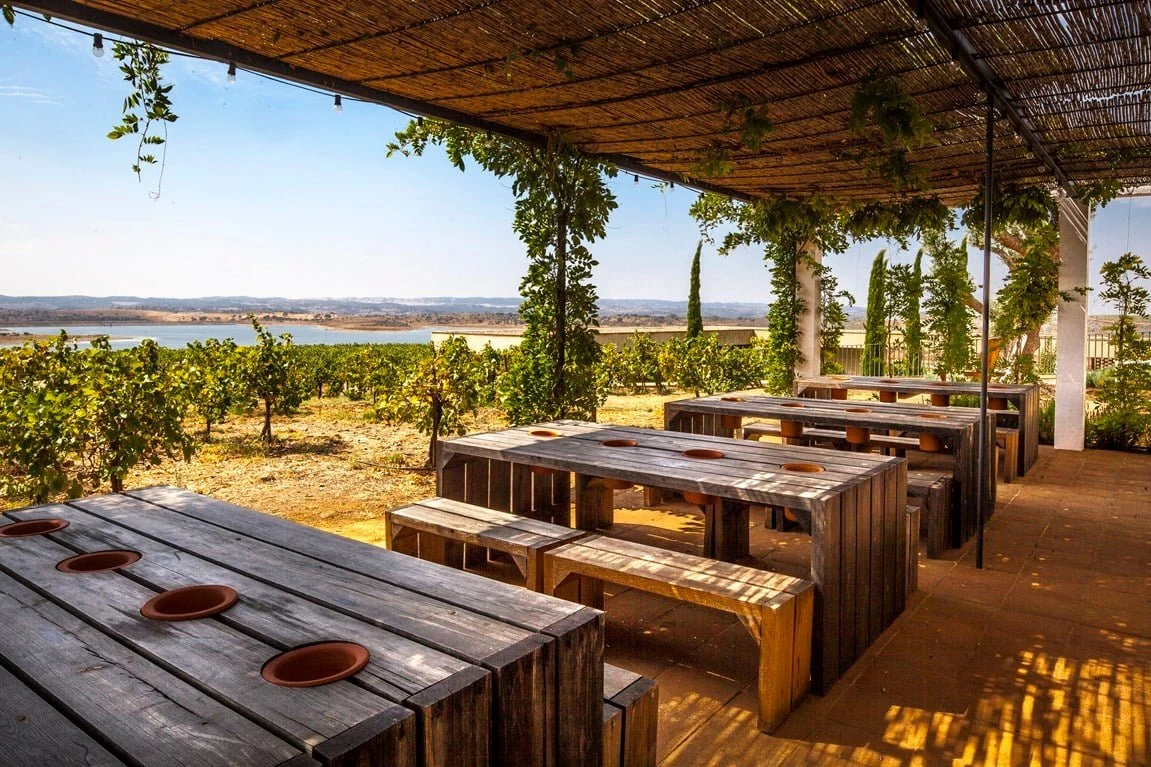
The room at the estate keeps its attention on the glass. This is not a design-led tasting room dressed to explain itself; it is a traditional Alsatian cellar-door setting, conversational in volume, with the work of the vineyards close by. The visit moves naturally between the cellar, the tasting room, and, when arranged, the vineyard, but the tone remains direct. Wines are poured as parts of one estate rather than as isolated labels. A Crémant can sit beside Riesling, Pinot Gris, Gewurztraminer, or Pinot Noir without changing the subject, because the subject is the same ground and the same organic discipline. The setting around Wettolsheim helps hold that focus: village, slopes, dry air, early ripening, and the quiet pressure of a family name that has stayed attached to its land for centuries.
The estate moves through pruning, flowering, harvest, fermentation, and release under the same producer name. Stentz’s next move is not framed as reinvention. It is the continuation of a range where Crémant d’Alsace Brut Nature, Riesling Grand Cru Mandelberg, and Gewurztraminer Grand Cru Steingrübler still have room to show the patience of Wettolsheim.
Wettolsheim, Alsace, Frankreich
Wettolsheim