Domaine Thierry Violot-Guillemard
- 01CityPommard, France

- Falstaff Winery - Listed · 2026
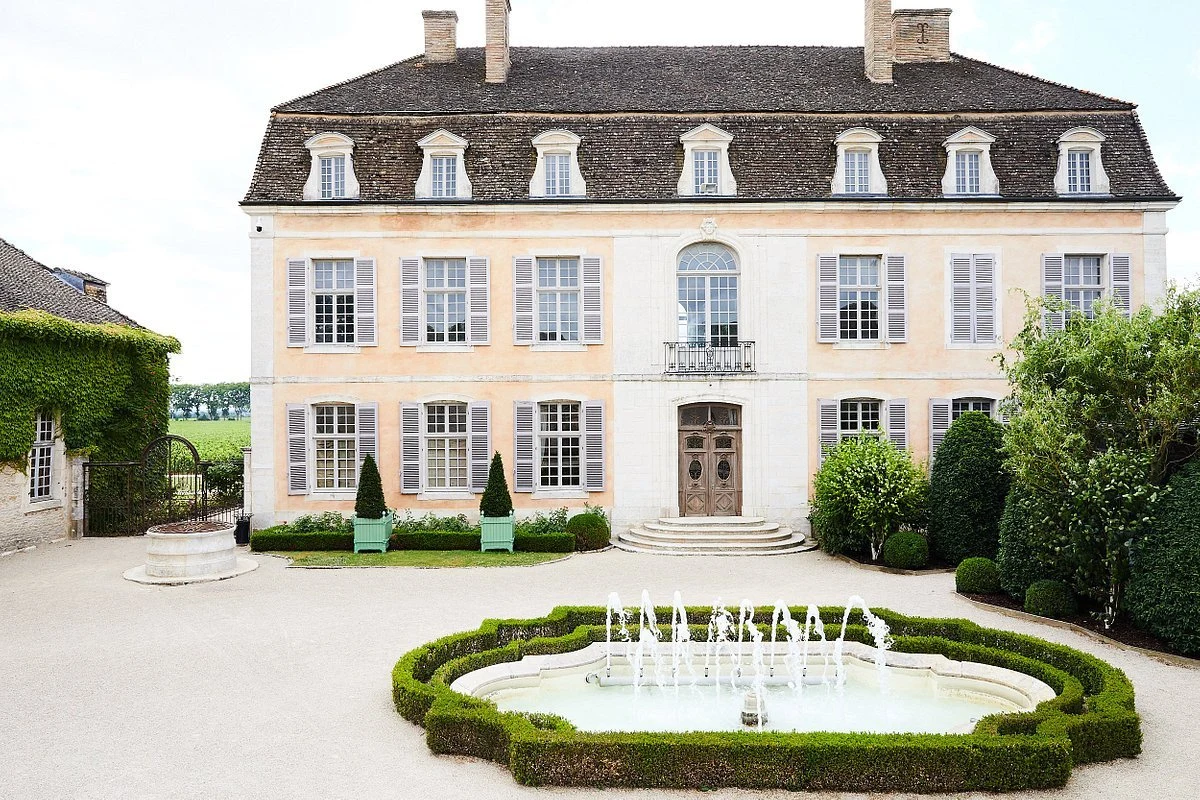
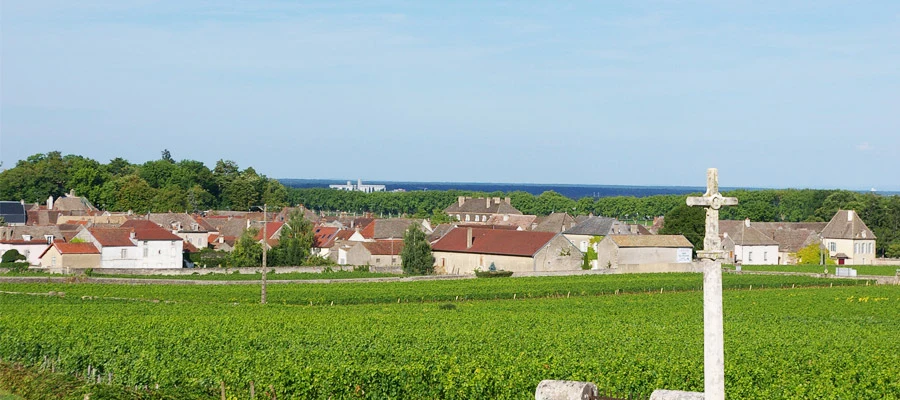
Pommard is not a village that needs spectacle. The draw is quieter: a Burgundy wine setting, a historic village atmosphere, and the understated character of a family domaine. In that context, Domaine Thierry Violot-Guillemard reads as a traditional Burgundy address with a winery and guesthouse atmosphere, focused on the estate’s own wines rather than design theatrics. The mood is classic, rustic, intimate, and scenic, closer to a traditional estate experience than a showpiece destination. Its appeal sits in the restraint: the sense that the place belongs to its village and its wines first, and to hospitality presentation second.
A Pommard address built around estate character, not display
The reliable point here is not a long list of public-facing amenities, but the venue’s character. Domaine Thierry Violot-Guillemard is best understood as a historic Burgundy family domaine in the village of Pommard, with a traditional, understated feel. It is the kind of place where the appeal comes from the estate context and the village setting rather than a heavily produced hospitality format. That distinction matters, because the strongest reason to consider it is not the promise of a large-scale visitor experience, but the quieter pull of being at a domaine whose identity is rooted in place.
What can be said confidently is that the domaine’s identity is anchored in Pommard and in its own wines. For travellers, the attraction is the combination of Burgundy family-domaine atmosphere, rustic intimacy, and a scenic village setting. The setting gives the address its tone: measured, local, and more concerned with continuity than with making a dramatic first impression.
In practical terms, this is a $$$ venue. The price signal places it above a purely casual stop, but the atmosphere remains understated rather than flashy. The appeal is not breadth for its own sake; it is the quieter experience of a traditional Pommard domaine where the estate setting does the work. Travellers should read that price context alongside the mood: this is not positioned as a loud luxury statement, but as a more serious Burgundy stop with a restrained, rooted character.
The guesthouse atmosphere suits Burgundy's slower wine culture
Wine-focused travel in Pommard often rewards a slower pace. Domaine Thierry Violot-Guillemard fits that rhythm through its traditional winery and guesthouse atmosphere, which keeps attention on the estate’s own wines and the surrounding Burgundy setting. This is not a polished brand environment; it is better framed as a rustic, intimate, family-domaine experience. The guesthouse note reinforces that slower reading, suggesting a sense of staying close to the estate’s world rather than passing through a detached visitor format.
The strongest editorial signal is the mood: classic, scenic, and hidden-gem in feel. Those qualities matter in Pommard, where the experience of a domaine can be as much about restraint and setting as about formal hospitality. Visitors should treat the available public detail carefully and avoid assuming specific services, schedules, tasting formats, or lodging arrangements unless confirmed directly. In other words, the charm should not be confused with a guarantee of particular arrangements; the confirmed appeal is atmospheric and estate-led.
For travellers building a Pommard itinerary, this address belongs with winery-focused planning rather than a dining-led day. The village has enough character to support a focused Burgundy stop, and Domaine Thierry Violot-Guillemard’s appeal is its quiet estate identity. Broader local planning can be approached through Pommard guides for wineries, restaurants, hotels, bars, and experiences without overstating what is confirmed about this specific domaine. It is best placed into an itinerary as a Burgundy address to be understood through wine, setting, and family-domaine texture.
How to read the domaine in the wider Pommard conversation
Pommard rewards comparison by atmosphere as much as by itinerary logistics. Some visitors may look at other local dining, wine, or hospitality options in generic terms, but Domaine Thierry Violot-Guillemard’s role is specific: a historic Burgundy family domaine with a traditional, understated winery and guesthouse feel. Its relevance comes from being quiet, rustic, intimate, and focused on the estate’s own wines. In a destination where the village itself carries much of the emotional weight, that kind of low-key identity can be the point rather than a limitation.
That makes it a strong fit for travellers who prefer a more restrained Burgundy setting over a broad hospitality spectacle. The visit should be understood through the essentials: Pommard, a family-domaine identity, a classic rural atmosphere, and a scenic sense of place. For broader wine-country context beyond this venue, Pommard planning resources can help frame nearby options without overstating what is confirmed about Domaine Thierry Violot-Guillemard itself. The most useful reading is therefore simple and disciplined: treat it as a quiet estate-rooted address, not as a venue defined by extras that have not been confirmed.
Questions
Frequently asked
How expensive is Domaine Thierry Violot-Guillemard?
Domaine Thierry Violot-Guillemard is listed at a price level of $$$.
The field
How it compares
| Place | Notes |
|---|---|
| Domaine Thierry Violot-Guillemard | Pommard, $$$ |
| Château de Pommard | Pommard |
| Domaine Anne-Françoise Gros | Pommard |
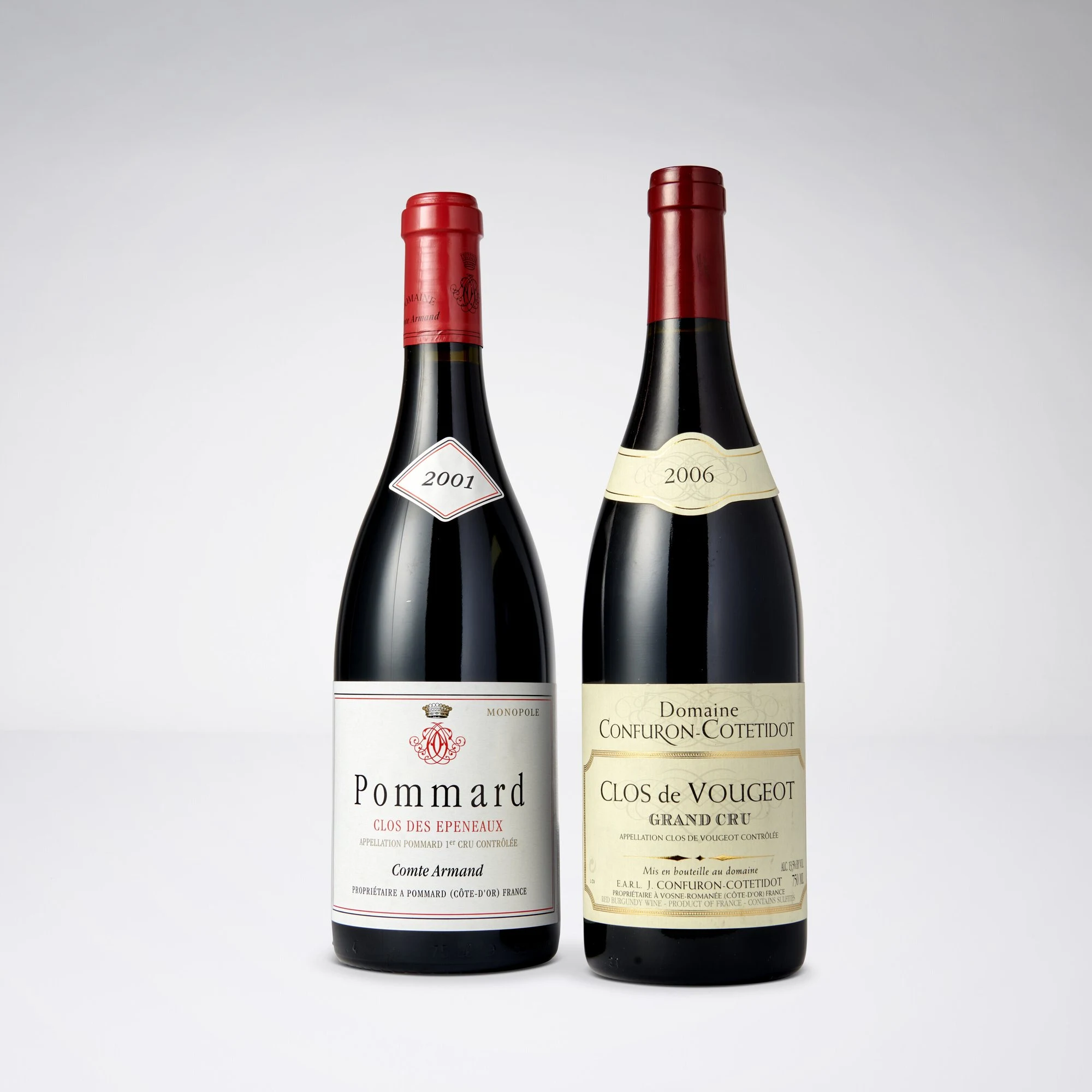
| Domaine Comte Armand | Pommard |
| Domaine de Courcel | Pommard |
| Domaine Dominique Roy-Jacquelin | Pommard |
| Domaine Parent | Pommard |