Domaine Tortochot
- 01CityGevrey-Chambertin, France
Organic Gevrey Pinot Noir by parcel
- Falstaff Winery - Listed · 2026
Cold fruit before the ferment
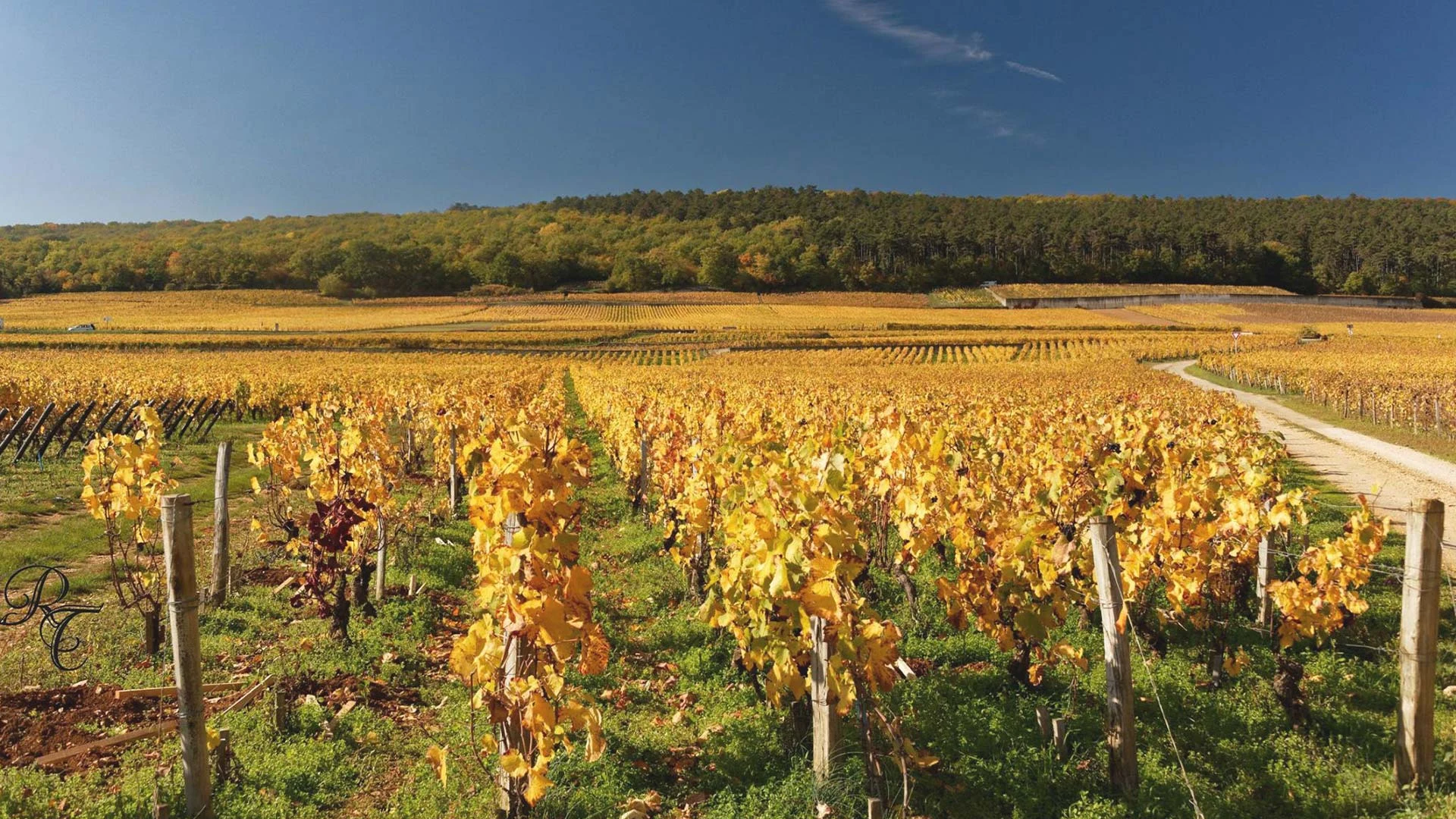
The Pinot Noir comes into the cellar cool, then waits. Chantal Michel-Tortochot, winemaker at Domaine Tortochot in Gevrey-Chambertin, works from that pause as much as from the ferment that follows. Her role is direction in the Burgundian sense: the daily charge of a family domaine founded in 1865, with decisions made parcel by parcel and carried into the cellar without theatrical force. The estate is family owned, held in Gevrey-Chambertin village, and farmed as a 12-hectare domaine of village, premier cru, and grand cru Burgundy. Michel-Tortochot’s known line is traditionalist, built around pure fruit and transparency of place rather than ornament. She also belongs to Femmes et Vins de Bourgogne, which places her among the women carrying Burgundy’s wine work forward from inside the region, not from a distance. The family lineage reaches across four generations, and her own stewardship changed the farming in a way that still shapes the fruit: she began the move toward organic viticulture in 2003, with full conversion reached by 2008. That was not a cosmetic adjustment. In Gevrey, where a few rows can change the register of Pinot Noir, farming is the first act of interpretation.
Indigenous yeast and controlled heat
The method here keeps its pressure points visible. The grapes are harvested manually and sorted in the vineyard before they reach the cellar. They are 100% destemmed, then gently crushed and cooled to 14-15°C for a pre-fermentation cold maceration of 4 to 5 days. Fermentation starts without cultured yeast, relying on the indigenous yeasts carried on the skins. Temperature remains part of the discipline: the cellar keeps the ferment below 32-33°C, protecting Pinot Noir’s aromatic line while allowing structure to form. Extraction is not left to chance. Pumping over and punching down happen twice a day, bringing the cap back into contact with the juice and drawing color, tannin, and flavor at a measured pace. The wines most closely associated with the estate map the place in named parcels and classifications: Chambertin, Mazis-Chambertin, Gevrey-Chambertin Champeaux, and Gevrey-Chambertin Champerrier Vieilles Vignes. Their difference is the point. The hand does not try to make them speak in one voice.
A working cellar in the village
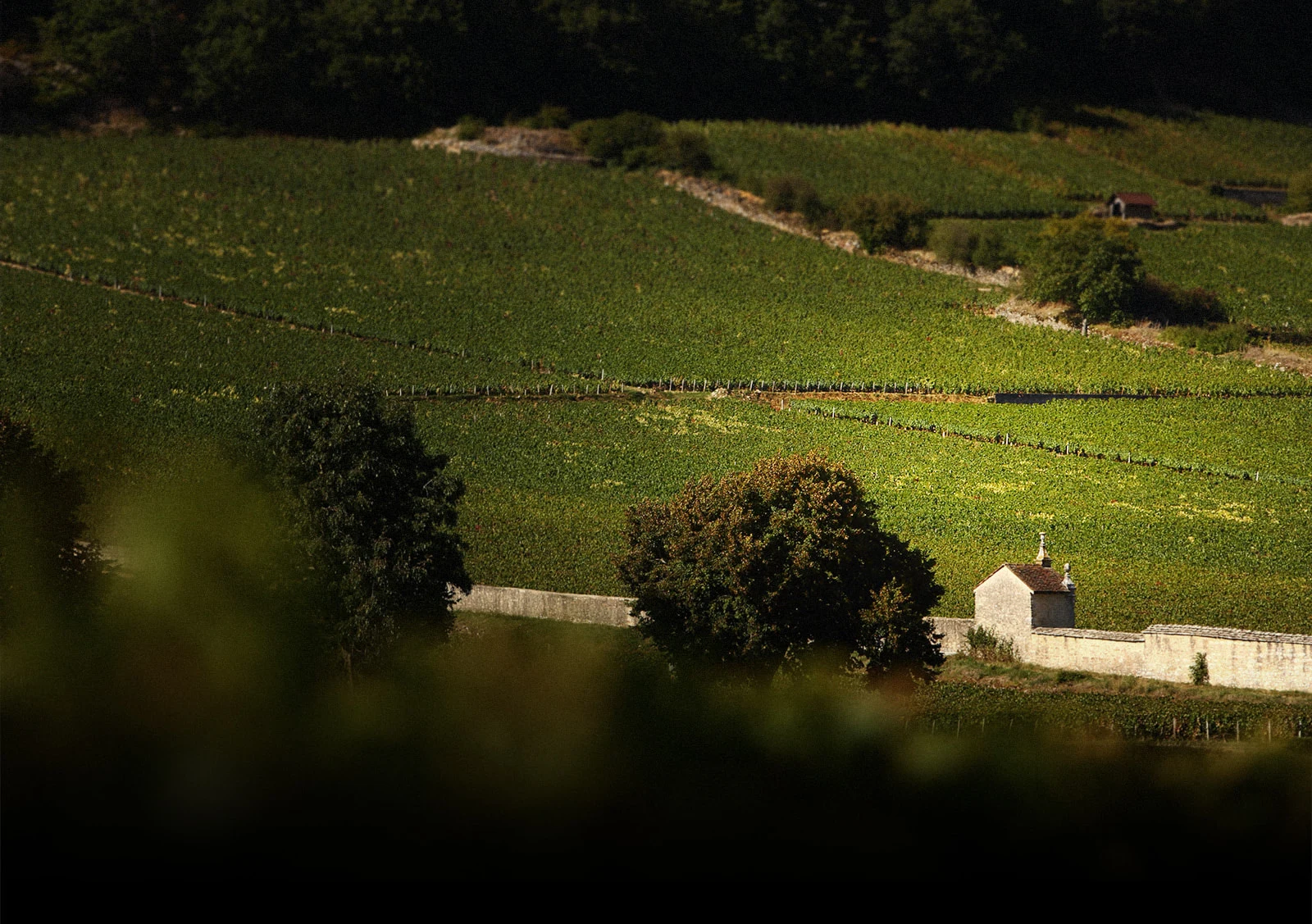
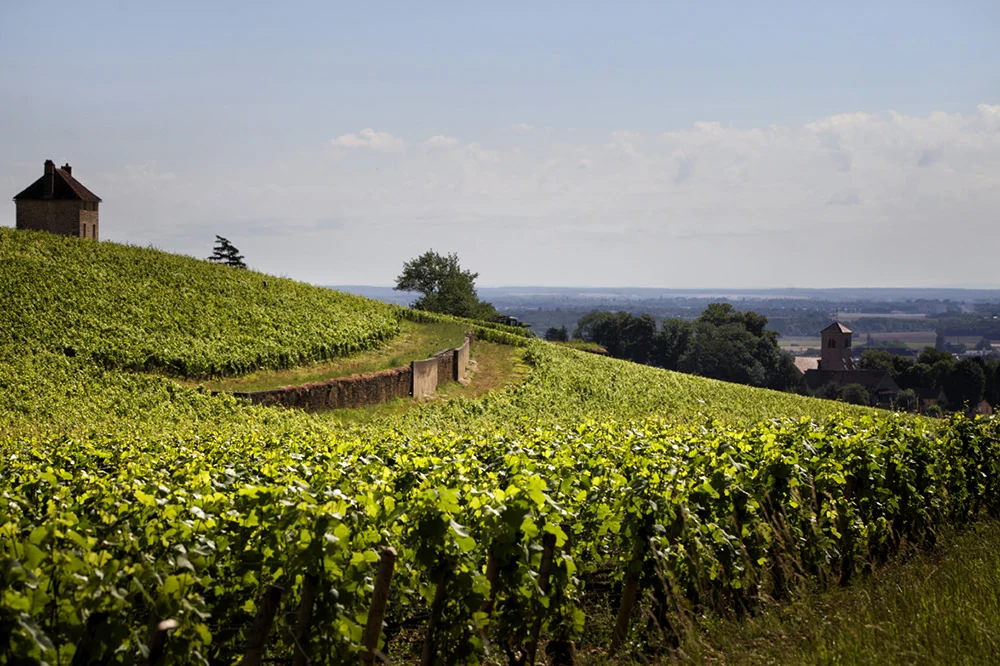
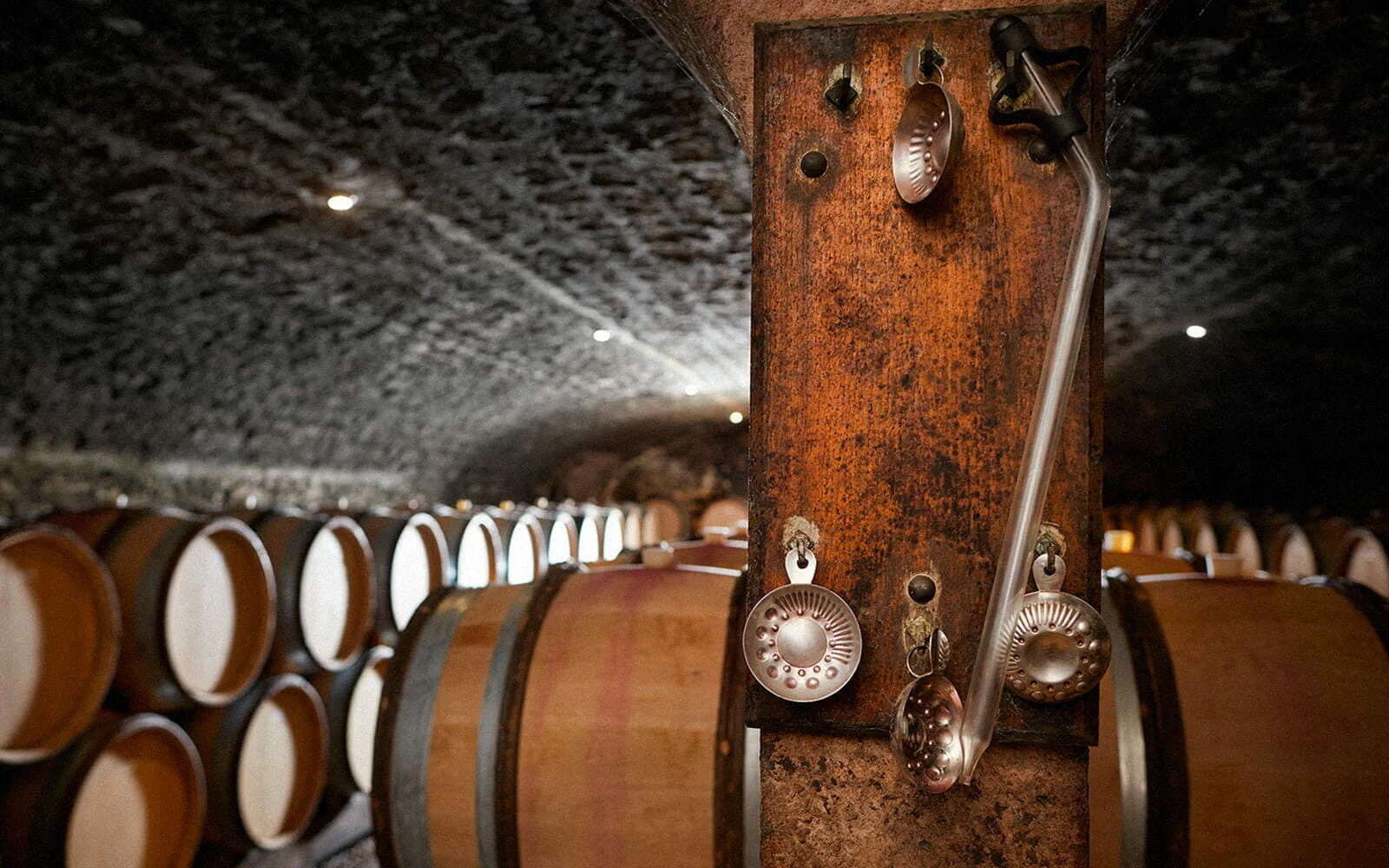
The domaine sits in Gevrey-Chambertin as a working estate rather than a designed visitor stage. The cellar, the estate buildings, and the village share the same practical rhythm; this is a place organized around fruit arriving, tanks filling, barrels taking over, and parcels being kept distinct long enough to retain their names. The atmosphere is quiet, with the gravity of a family house that has no need to explain itself loudly. Around it are the Côte de Nuits vineyards that give the cellar its material. Inside, the craft remains close to the hands: sorting, cooling, watching the ferment, judging when extraction has done enough. The room’s luxury is not polish. It is the continuity of a bench where Chambertin and Mazis-Chambertin are treated as separate responsibilities.
Questions
Frequently asked
Who runs Domaine Tortochot today?
Chantal Michel-Tortochot is the winemaker at Domaine Tortochot and oversees the daily work of the family domaine in Gevrey-Chambertin.
What kind of wines does the domaine make?
The estate is a 12-hectare Burgundy domaine producing village, premier cru, and grand cru wines, including Chambertin, Mazis-Chambertin, Gevrey-Chambertin Champeaux, and Gevrey-Chambertin Champerrier Vieilles Vignes.
How is the Pinot Noir farmed?
Domaine Tortochot began moving toward organic viticulture in 2003 and reached full conversion in 2008.
What does the cellar work look like?
The grapes are harvested manually, sorted in the vineyard, fully destemmed, gently crushed, and cooled before a four- to five-day cold maceration. Fermentation then begins with indigenous yeasts, with controlled temperatures and regular pumping over and punching down.
Can visits be booked at the domaine?
Visits are by appointment only.
The field
How it compares
| Place | Notes |
|---|---|
| Domaine Tortochot | Gevrey-Chambertin village, $$$ |
| Domaine Armand Rousseau | Gevrey-Chambertin |
| Domaine Denis Mortet | Gevrey-Chambertin |
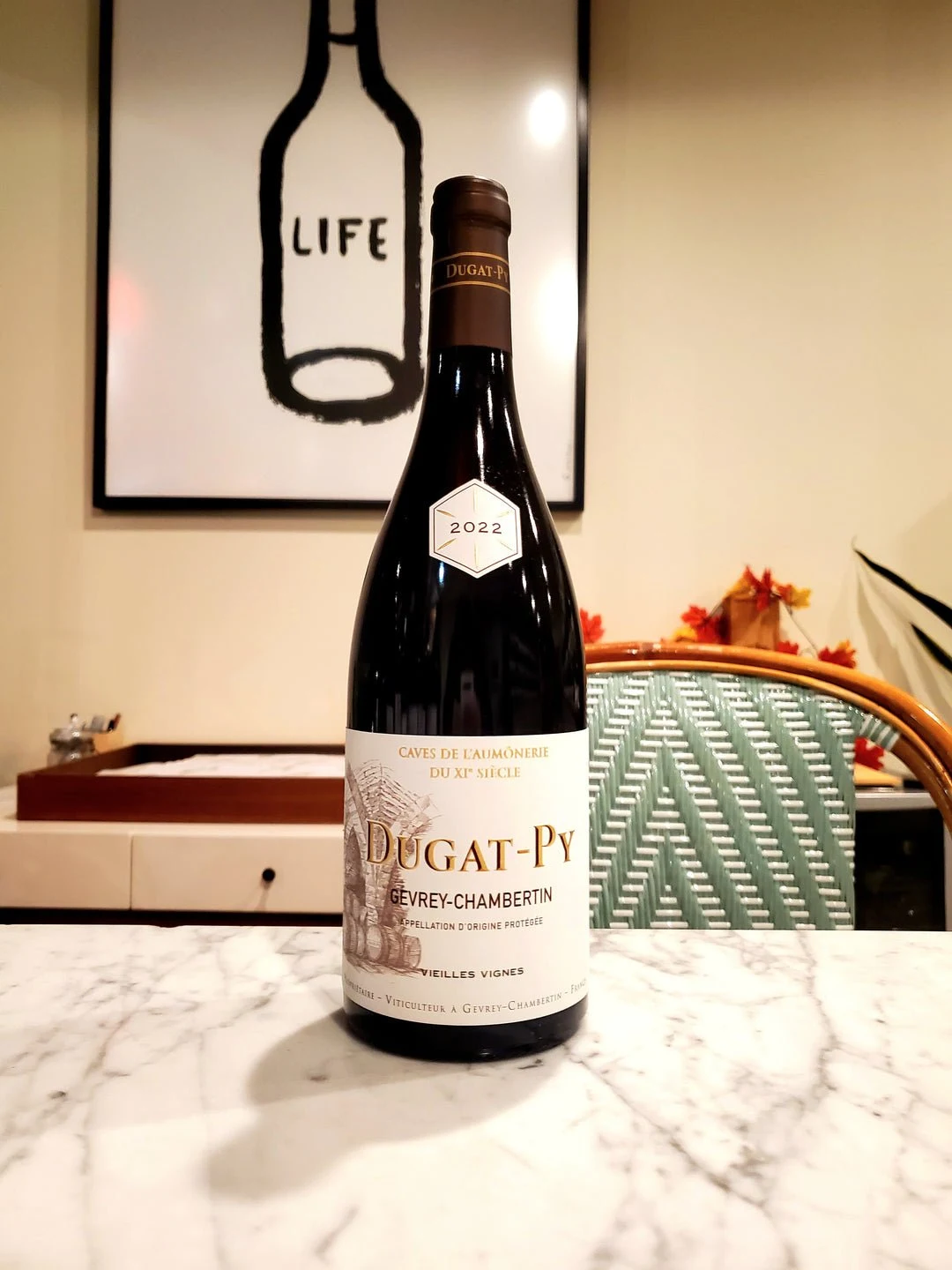
| Domaine Dugat-Py | Gevrey-Chambertin |
| Domaine Fourrier | Gevrey-Chambertin |
| Domaine Rossignol-Trapet | Gevrey-Chambertin |
| Domaine Trapet Père et Fils | Gevrey-Chambertin |