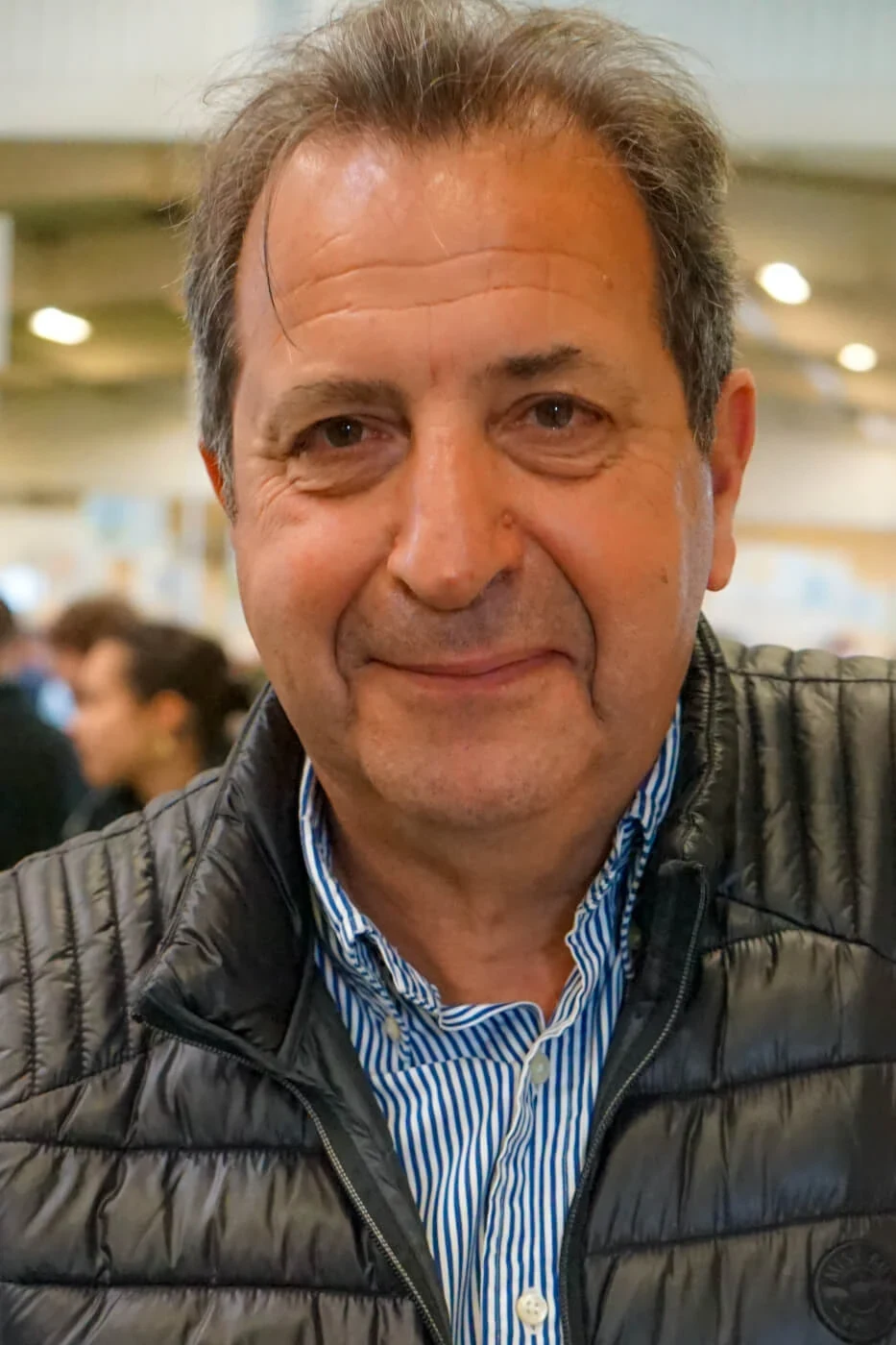
Gilles Meimoun, Commercial Director at Domaine Trenel in Charnay Les Macon, keeps Burgundy trade aligned with the cellar.
The market work begins before a bottle leaves the cellar. Gilles Meimoun, Commercial Director at Domaine Trenel in Charnay Les Macon, holds that line from Charnay-lès-Mâcon, where the house has stood since 1928. His station is not the press or the sorting table; it is the part of the wine trade where allocation, category memory, buyer confidence, and timing have to keep step with what the cellar can honestly carry.
Meimoun came to the house in 2005 after consulting work at KPMG, a formation built on precision and analysis. At Trénel, that discipline moved into wine commerce rather than away from it. The role asks him to keep the company legible in the market while the production remains tied to southern Burgundy and Beaujolais, with Chardonnay and Gamay as its principal language. The lineage around him is stated by the house in practical terms: Claude-Henri Trénel founded it, André Trénel expanded its reach, and the present direction includes Hervé Deboissieu and Bruno Chambe. Meimoun’s work sits among those layers, less visible than a harvest call, but close to the pressure points that decide whether a house keeps its shape over time.
Domaine Trenel works as a winery and négociant, drawing from the Mâconnais and Beaujolais rather than presenting itself as a single-vineyard estate. The method depends on selection and on relationships with growers, then on a cellar program that changes with the wine. For Beaujolais reds, the house works with Gamay and uses whole-bunch maceration for 8 days, with fermentation in cement tanks and maturation for 6 months before bottling. The wines are unfined and lightly filtered.
For the Mâconnais whites, Chardonnay carries the line. The cellar uses stainless steel tanks and oak barrels, with 30% new oak and 70% old oak in the barrel program cited for Pouilly-Fuissé, a proportion that keeps the wood in service to texture rather than surface. The house also makes Crémant de Bourgogne and fruit liqueurs, including Crème de Cassis de Bourgogne, where the fruit is crushed and macerated in neutral spirits for 1–6 months before filtering and sweetening. The range is not built from one gesture. It is built from repeated distinctions: cement or barrel, still or sparkling, grape or fruit, Mâconnais limestone or Beaujolais granite.
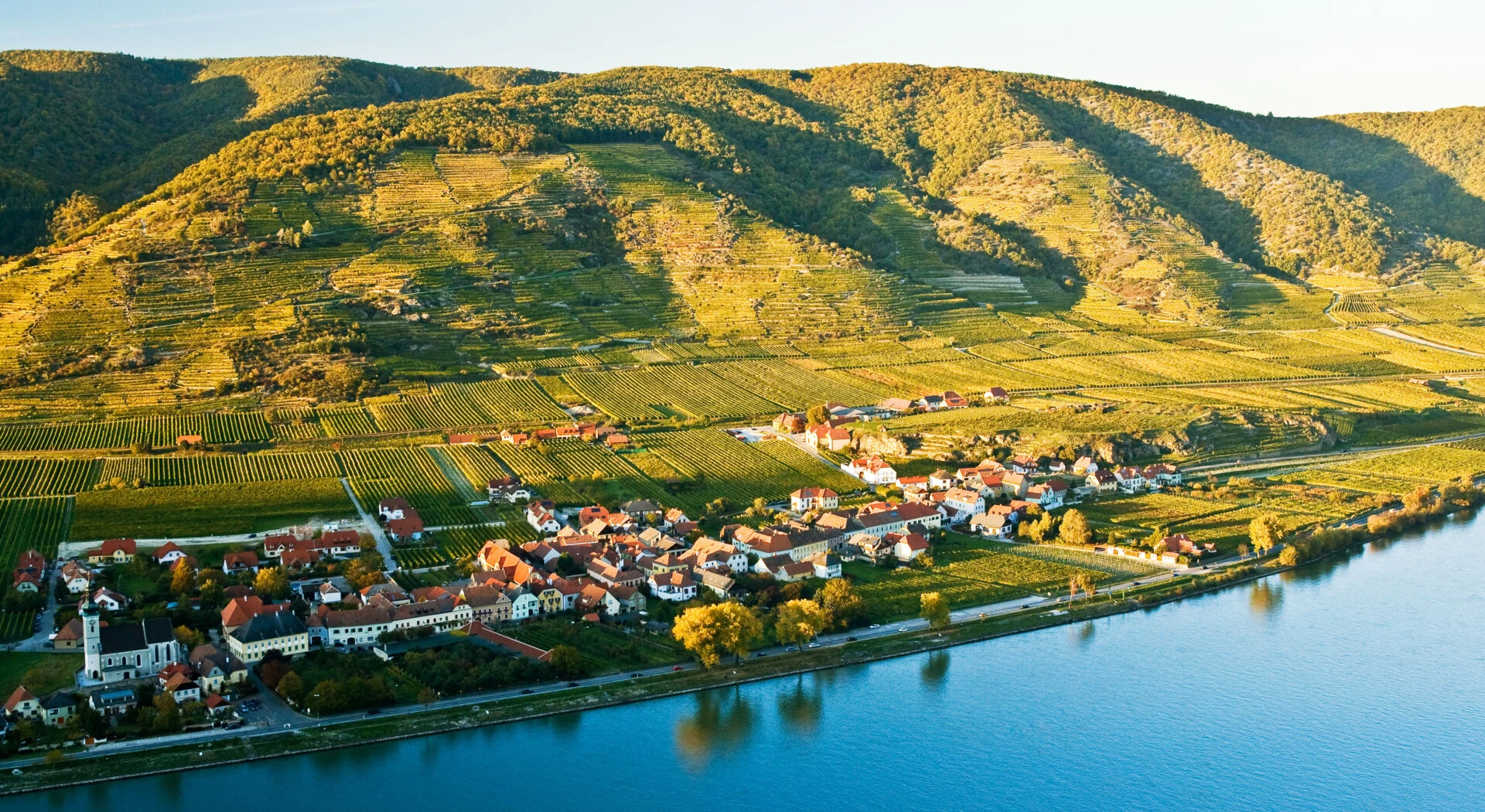
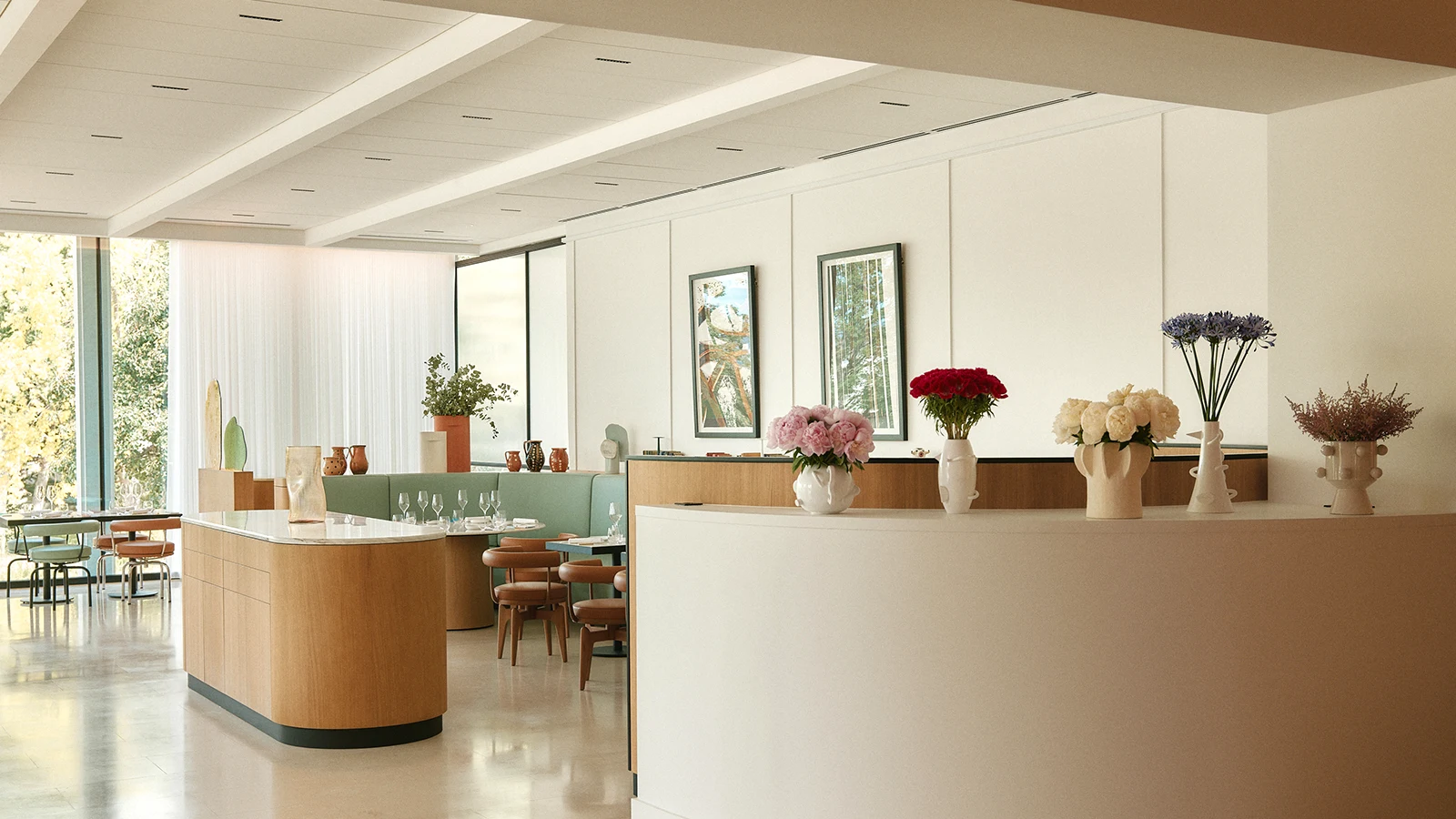
The place itself does not perform romance for the visitor. Domaine Trenel works from functional, modern winery buildings in Charnay-lès-Mâcon, set within the southern Burgundy wine area and arranged around production, guided tasting, and cellar visits. The room is quiet. The cellar carries the useful atmosphere of a house that has to receive grapes, raise wine, bottle, pour, and send cases into trade without turning the working floor into theatre.
That restraint suits the work Meimoun does there. A négociant house has to listen outward as much as inward: to growers, to the cellar, to buyers, to the long memory attached to appellation names. The buildings keep that exchange practical. A tasting can move from Chardonnay to Gamay, from still wine to liqueur, without asking the setting to explain the craft before the glass does.
Since 2015, Domaine Trenel has belonged to Michel Chapoutier, while the house’s identity remains tied to the Mâconnais and Beaujolais. That change matters because it placed new technical weight behind an older regional focus, not because it turned the address into something else. The founder’s sentence still gives the clearest measure of the place: “On ne fait bien que ce que l’on connaît bien.” At Domaine Trenel, that knowledge is carried through Chardonnay, Gamay, and the commercial discipline Gilles Meimoun has kept at the house since 2005.
Charnay-lés-Mâcon, Bourgogne-Franche-Comté, Frankreich
Charnay-lès-Mâcon