Jean-Paul Zusslin, winemaker at Domaine Valentin Zusslin in Orschwihr, farms biodynamic Alsace parcels from a family cellar there.
Spontaneous fermentations set the pace for Jean-Paul Zusslin, winemaker at Domaine Valentin Zusslin in Orschwihr, where the family estate turns its own fruit into Alsace wines. He works from a line that reaches back to 1691, when Jodocus Cisle, an ancestor of the Zusslin family, founded the domaine in the village. Jean-Paul grew up with vineyard work as a daily measure, then trained at Kreydenweiss, Zind-Humbrecht, and Barmès-Buecher before taking the owner and winemaker role in 2000. Those houses matter in Alsace because they taught a discipline of observation: soil before recipe, season before style, the cellar as interpreter rather than author.
At Orschwihr, that inheritance has a fixed address. Jean-Paul manages the vineyards and cellar operations at a medium-sized family estate, farming about 23 hectares and producing roughly 100,000 bottles per year. The estate has worked biodynamically since the 1990s, with Demeter certification since 1997 and BIODYVIN certification since 2000. His own words keep the method plain: “We try to interpret nature as faithfully as possible.” The line suits the bench-side reality here, where judgment begins outside, on the slopes, long before a tank or cask asks for a decision.
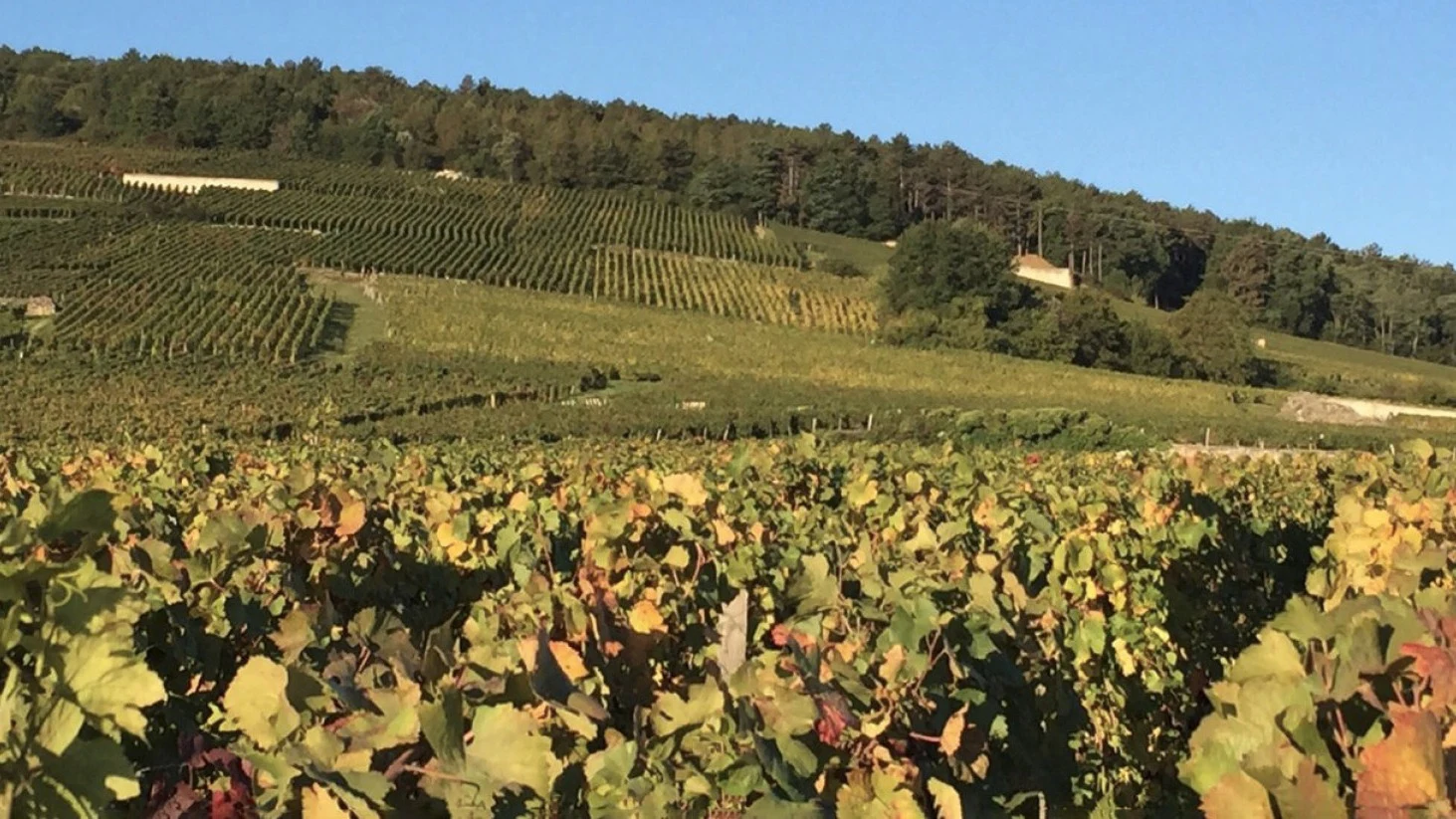
The program rests on Bollenberg, Clos Liebenberg, and Grand Cru Pfingstberg, three names that carry the estate’s range rather than decorate a label. The domaine farms Pinot Noir, Riesling, Gewurztraminer, Auxerrois, Pinot Gris, Muscat, Chasselas, Chardonnay, Sylvaner, and Pinot Blanc, all under an Alsace AOC frame that allows still whites, still reds, sparkling wine, and dessert styles to sit beside one another without losing the parcel thread. Bollenberg gives the wines tension and acidity; Clos Liebenberg, a monopole, brings depth and solidity; Pfingstberg gives energy and complexity.
The grapes are harvested by hand, and the estate does not buy fruit. Fermentations begin with native yeasts, and aging on fine lees runs 12 to 18 months, a patient interval that protects the wine while letting texture gather. The house avoids a heavy barrel signature, preferring fruit, site, and length to carry the argument. Riesling Bollenberg Neuberg 2020 sits close to Jean-Paul’s signature expression, but the cellar is not built around one bottle. Pinot Noir Bollenberg, Crémant d’Alsace Bollenberg, Auxerrois Au’Rigine, and Chasselas all show the same discipline from different stations.
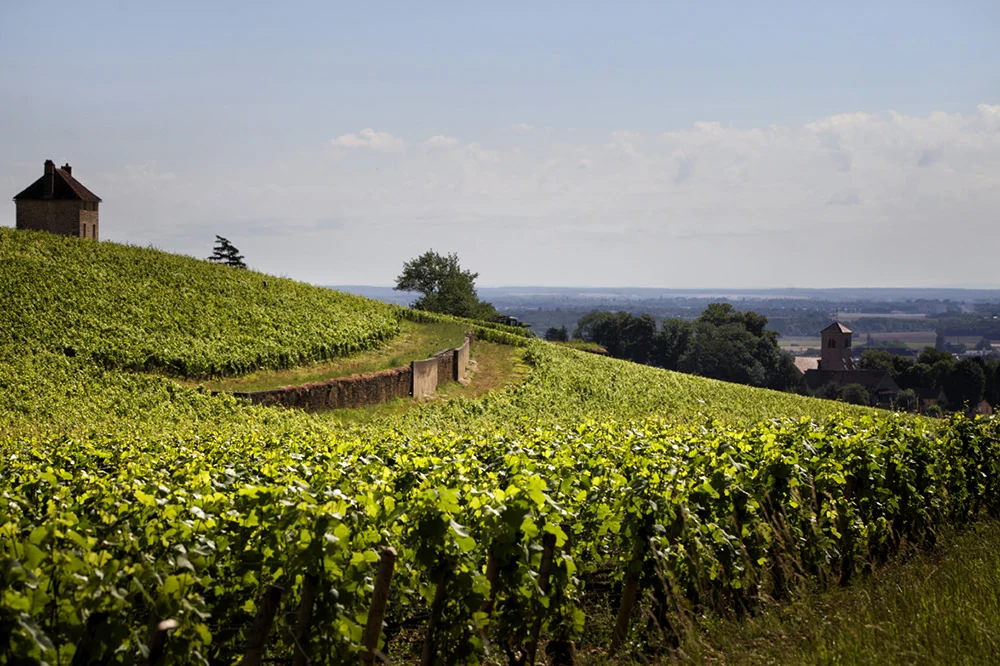
The tasting room keeps to the scale of the domaine: traditional, rustic, and close to the work. There is no staged gloss to pull the eye away from the vineyard names or the sequence of glasses. Outside, the Orschwihr hillsides do most of the framing, with the village set between Colmar and Mulhouse in southern Alsace, near the German and Swiss borders. Inside, the conversation returns to soil, lees, harvest, and the differences between parcels.
The cellar-door atmosphere fits the wines because it asks for the same attention they do. A bar tasting or seated tasting here is not a performance of rarity; it is a reading of place, one pour after another, with Bollenberg, Clos Liebenberg, and Pfingstberg as the grammar. The room stays quiet enough for those distinctions to register.
The estate’s biodynamic practice is visible in more than certification. Agro-forestry, bee hives, and bird nests sit within the parcels as part of a broader attempt to sustain biodiversity and soil vitality. The gesture is agricultural before it is philosophical. It asks the vineyard to remain alive as an ecosystem, then asks the cellar not to erase that life.
Jean-Paul has described what he and his family have built since 2000 with satisfaction, not flourish: “I am very happy with what we have been able to achieve since my sister and I joined forces on the family estate in 2000.” The next glass still begins there, with the same hillsides and the same family cellar at Domaine Valentin Zusslin.
Orschwihr, Alsace, Frankreich
Orschwihr