Jean-Paul Krier, winemaker at Domaine viticole Krier-Bisenius in Schengen, works a small organic Moselle estate from vine to cellar.
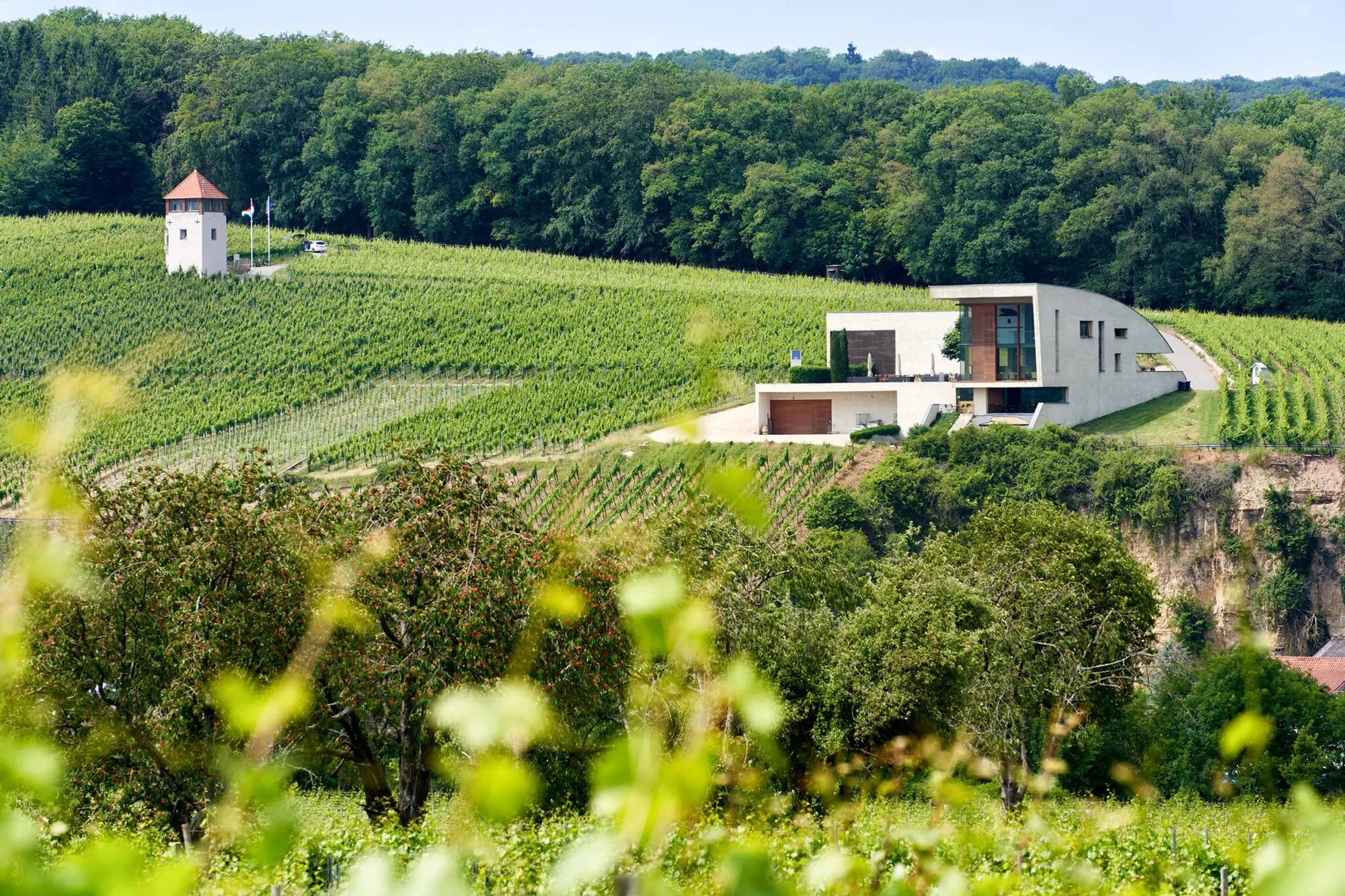
The organic work begins in the rows before it reaches the cellar. Jean-Paul Krier, winemaker at Domaine viticole Krier-Bisenius in Schengen, keeps cultivation, vinification, and ownership in one set of hands. His station is not only the cellar door in Bech-Kleinmacher, but the vineyard ground that feeds it, a compact 7-hectare Moselle estate worked under certified bio viticulture since 2012.
Krier is named here as winegrower, Cellar Master, and propriétaire, roles that make the daily rhythm unusually direct. Decisions in the vineyard return to him at pressing and élevage; decisions in the cellar have to answer to the next season’s ground. The estate’s modern family form dates to 1957, while its vine-growing lineage reaches back to the 17th century. Krier carries that inheritance without turning it into theatre. The work reads as oversight, timing, and repetition, with the maker close enough to the vines to feel each vintage before it becomes a cellar problem.
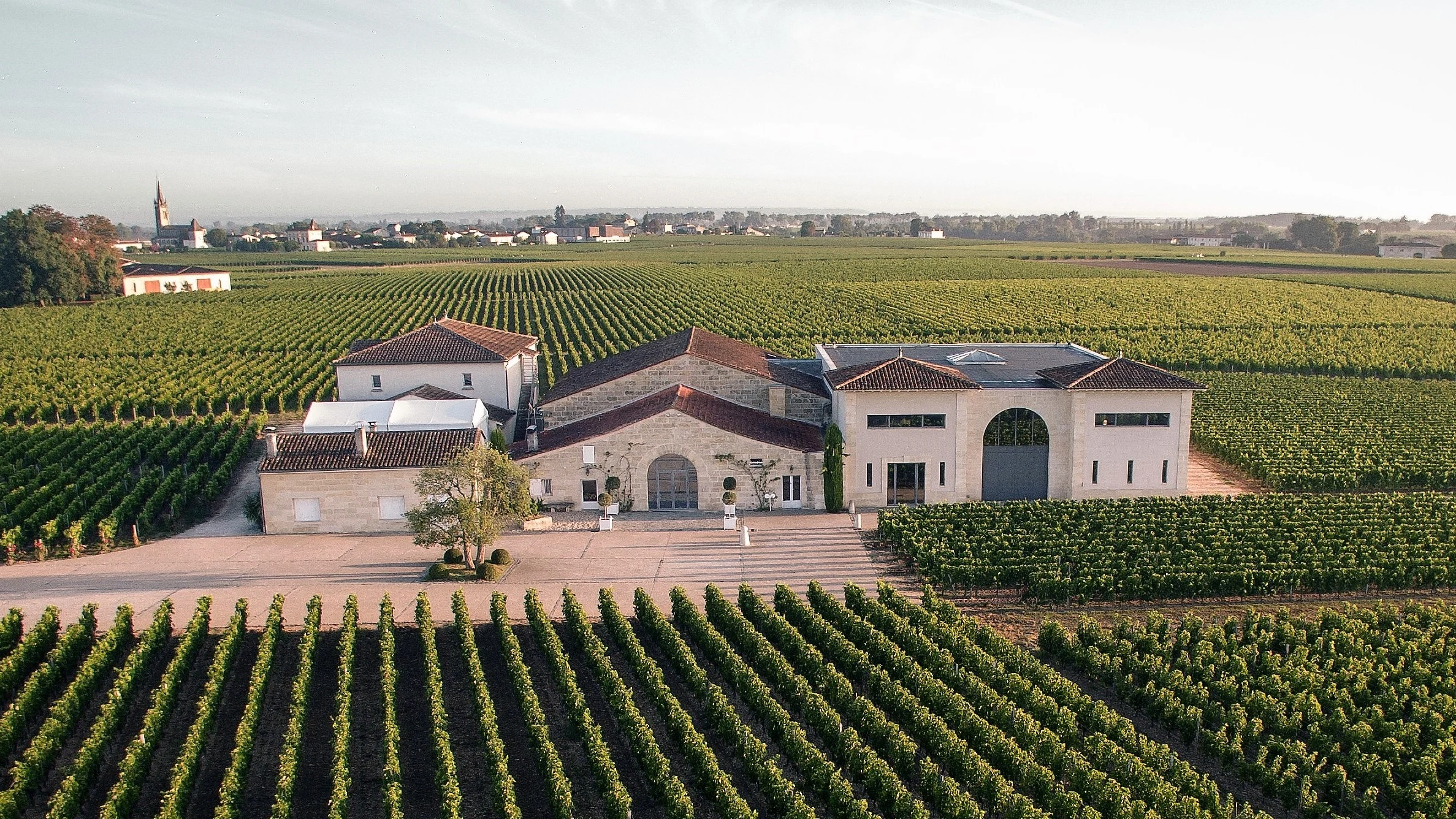
The estate’s frame is narrow enough to be legible: Elbling, Rivaner, Auxerrois, Pinot Blanc, Pinot Gris, Pinot Noir, Riesling, and Chardonnay grown across Moselle sites including Falkenberg, Naumberg, Schwebsange, Kolteschberg, Wellenstein, Foulschette, Kurschels, Wintrange, and Felsberg. Schengen and Stadtbredimus give the work its slope and weather. The appellation is Moselle Luxembourgeoise, and the house’s strongest pull is toward still whites and sparkling wine.
Krier converted the 7-hectare domaine to organic farming in 2012, a decision that places the method in the soil before it reaches the press. The cellar also allows for late-vintage wines, barrique-aged wines, and Crémants under the CHARTA Luxembourg label. Crémants St. Pierre et Paul is the named sparkling reference tied to his practice, while Pinot gris Wellenstein Foulschette 2016 gives another fixed point, a wine attached to a specific variety, place, and vintage. The house does not need a broad program to make its argument. It works through parcels, varieties, and the patience of a small estate.
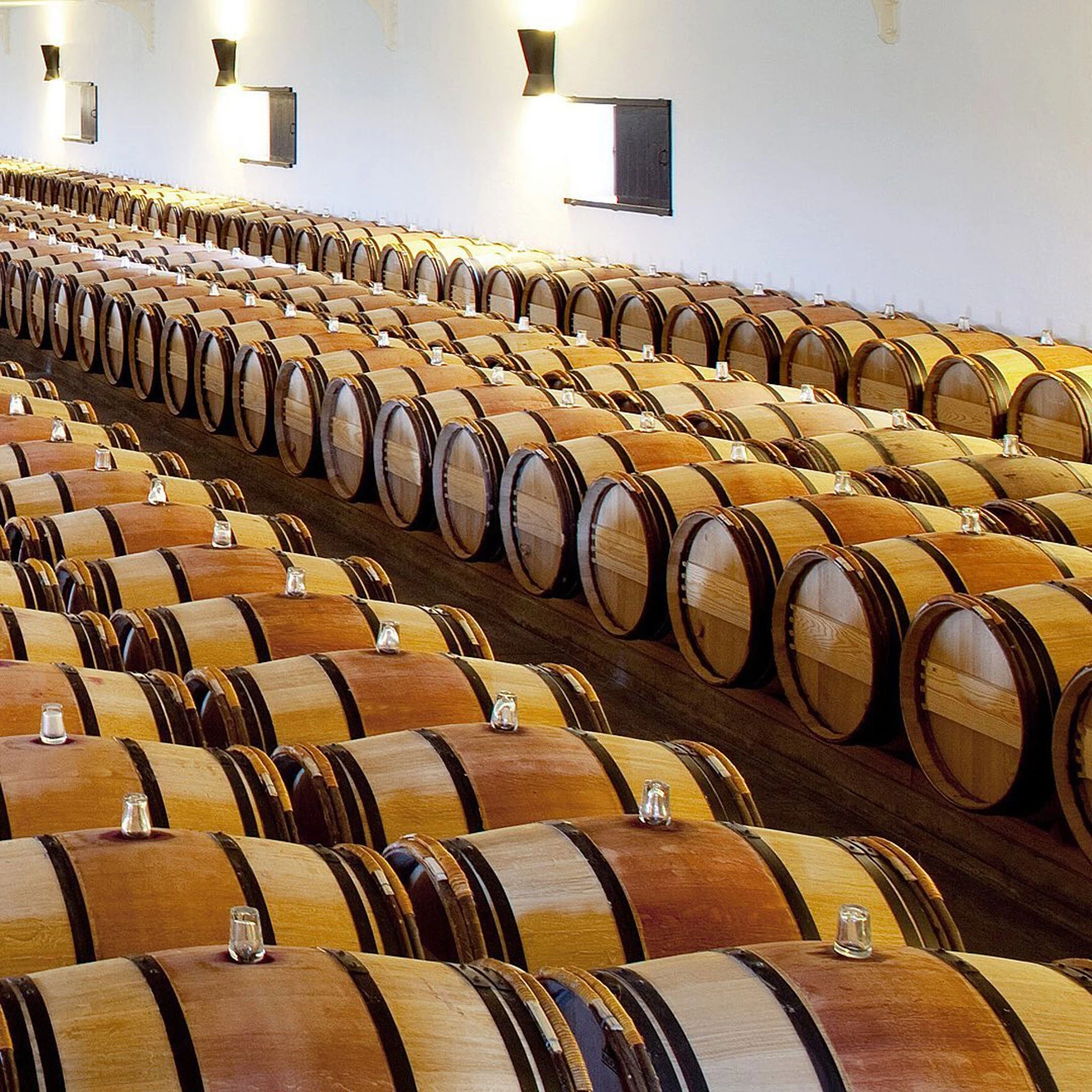
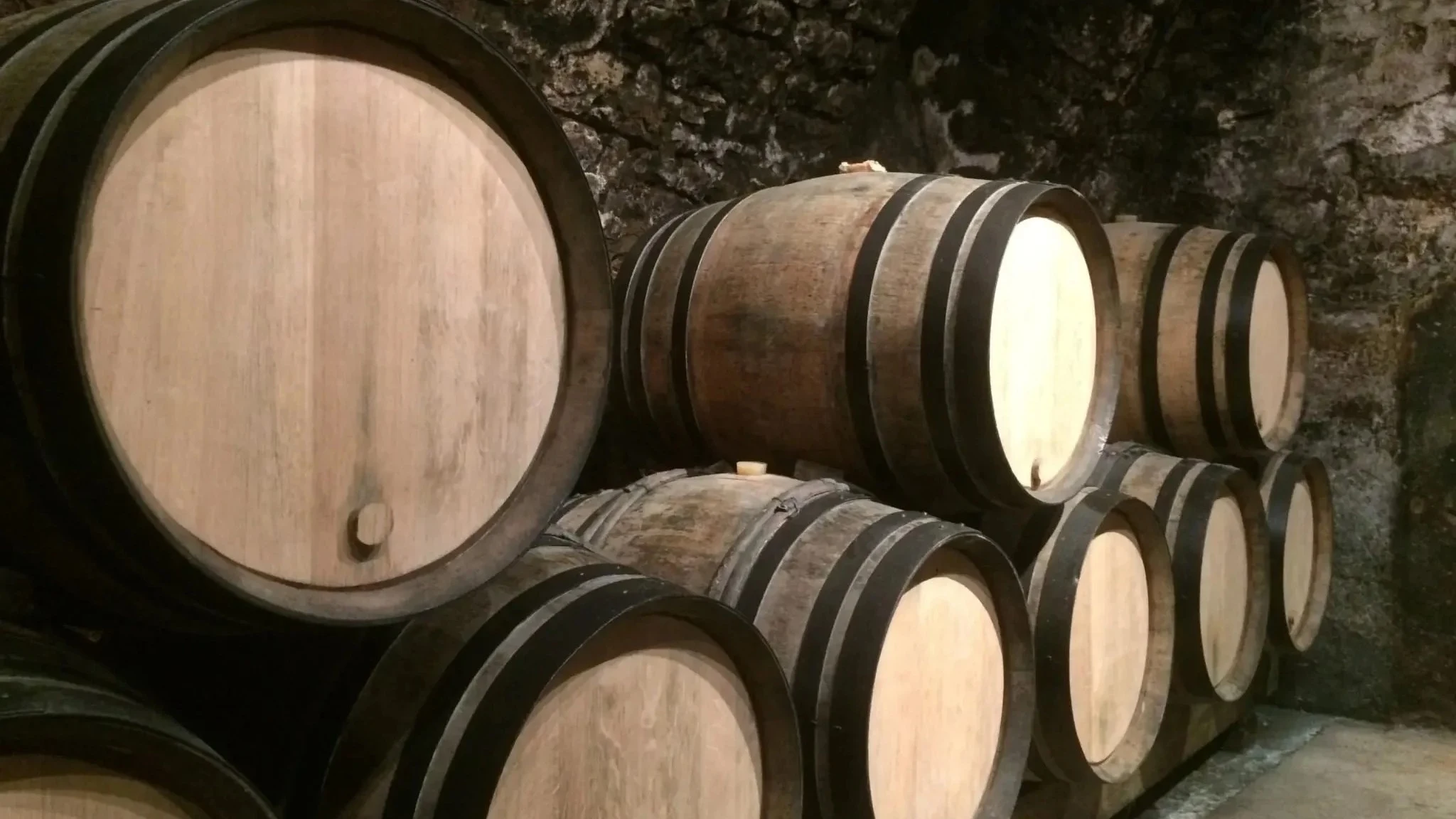
The place itself is quiet, rustic, and vineyard-facing. The cellar and tasting room serve the work rather than distract from it, with the emphasis falling on the bottles and the sites behind them. In a small estate, the room can stay close to the bench-side realities of winegrowing: soil brought in on boots, a cellar paced by fermentations, bottles opened as evidence rather than performance.
Private tastings here are shaped by direct contact with Krier’s role as Cellar Master, and by a portfolio that lets the Moselle speak in several registers: crisp Elbling, orchard-toned Auxerrois, structured Pinot Gris, Riesling with its own line of acidity, and Chardonnay set against local ground. The quiet matters because it leaves space for comparison. A glass from Wellenstein can be read beside one from Foulschette.
The place spans 7 hectares, with one family-run cellar, organic viticulture, and a maker who holds the vineyard and the cellar together. That is where the discipline sits. The named wine is still on the table: Pinot gris Wellenstein Foulschette 2016.
Schengen, Luxembourg
Bech-Kleinmacher