Cabernet Franc, parcel by parcel
- Falstaff Winery - Listed · 2026
One season at a time
Cabernet Franc comes off the skins slowly for Yannick Amirault, winemaker at Domaine Yannick Amirault in Bourgueil, France. His work here has run since 1977, when he inherited 3.9 hectares of vines from his grandfather, Eugène Amirault, and began building the domaine through the same annual cycle he still names as the measure of the craft. “We only have one experience per year and are always learning our craft, each year being different.” The line suits a cellar where repetition does not mean sameness. It means attention renewed by weather, ripeness, picking date, and the feel of Cabernet Franc in a given vintage.
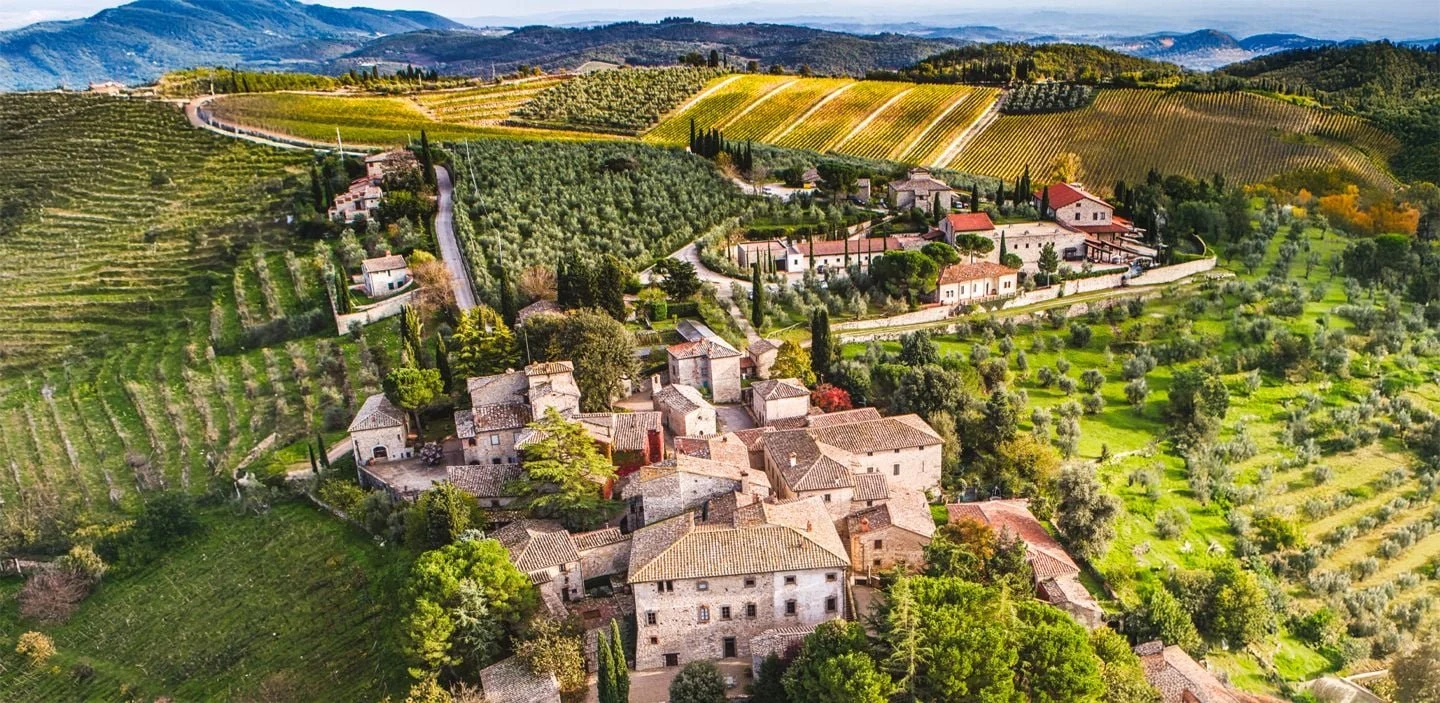
The estate now farms about 20 hectares across Bourgueil and Saint-Nicolas de Bourgueil, with parcels on sand, gravelly clay, clay-flint, and limestone. Organic certification arrived in 2009, after a longer move away from synthetic inputs. The work reads as lineage rather than display: the grandfather’s vines, the inherited parcel of Les Malgagnes, the gradual enlargement of the holdings, and a house style that keeps the hand close to the vineyard without crowding the wine.
Long macerations, quiet vessels
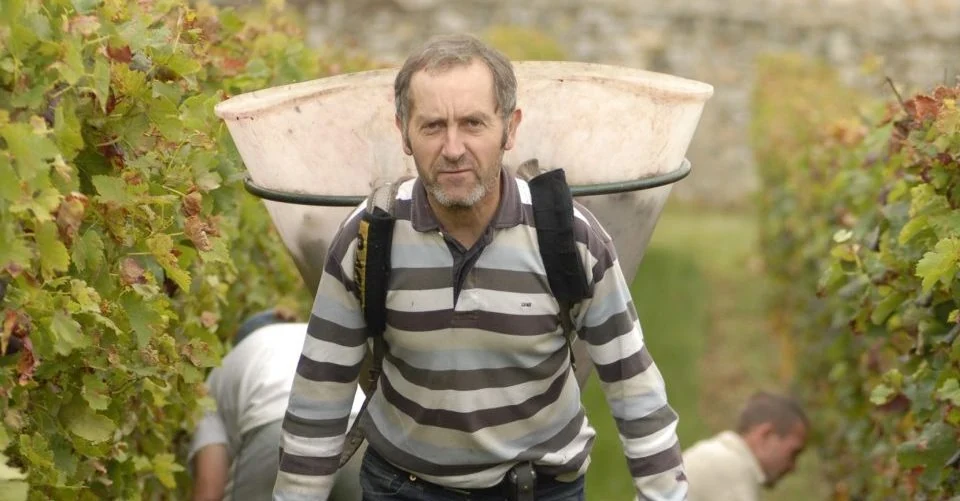
The method at the domaine starts before the cellar, with hand harvesting in successive passes and parcel-by-parcel decisions on ripeness. Fruit is sorted before destemming, then fermented with indigenous yeasts in large, open-topped, conical oak vats. Since 2014, the domaine has worked without added sulfur dioxide during fermentation. Macerations can run up to sixty days; pigeage belongs only at the beginning, while rémontage is held back for the ripest vintages, a choice made to keep tannin from turning coarse.
Aging stays neutral by design. Amphorae, French oak demi-muids, well-seasoned oak vats, and Hungarian 600-liter jarres give the wines different forms of rest without asking the fruit to taste of new wood. Lighter gravel and sand terroirs take shorter skin contact; limestone and tuffeau can carry five weeks on skins. The range follows the same discipline, from La Source and Côte 50 to La Mine, Le Grand Clos, Les Quartiers, Les Malgagnes, and the Bourgueil Rosé d’Équinoxe, a Blanc de Noirs style rooted in an older regional tradition.
The limestone cellar and the parcels
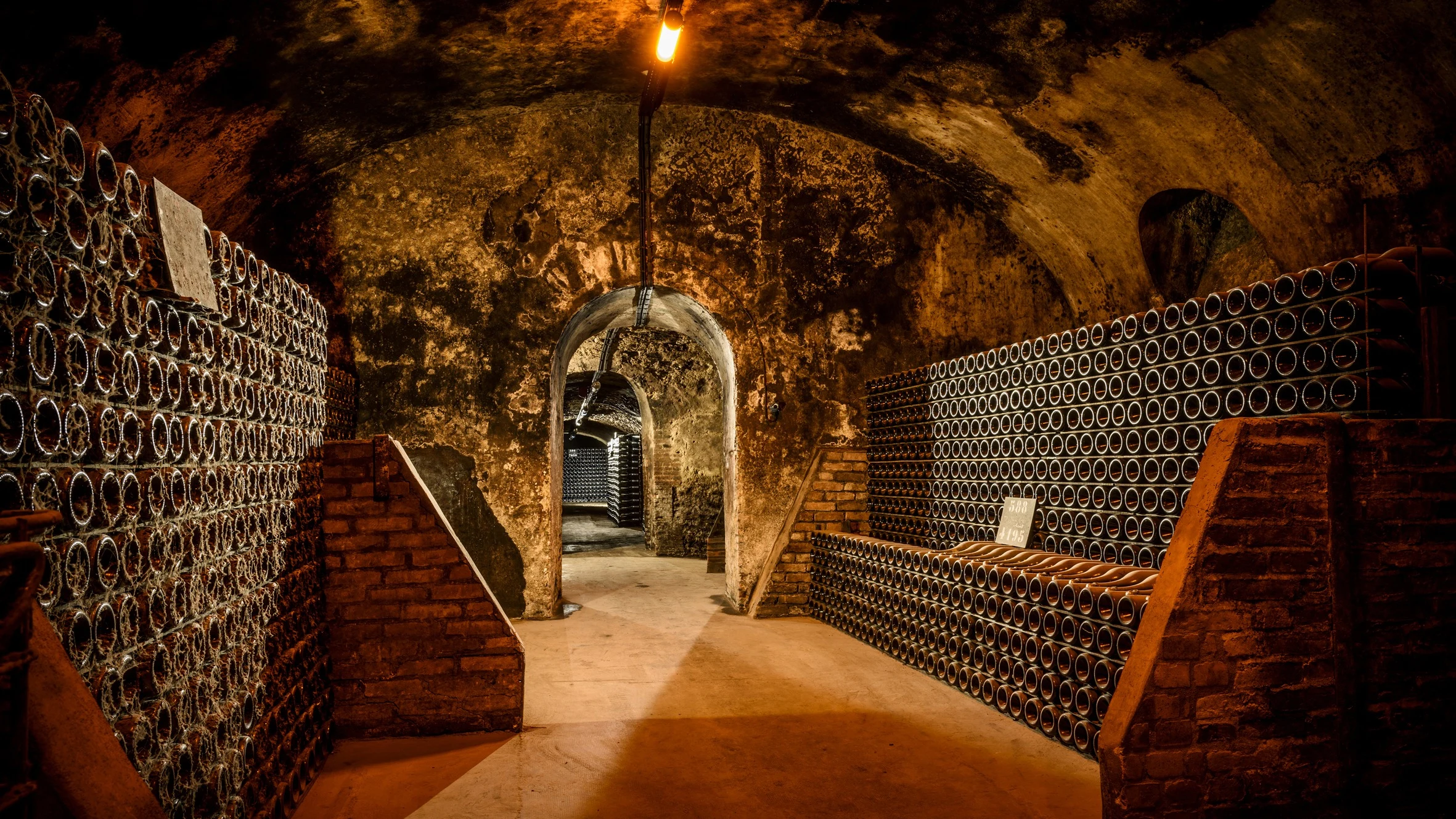
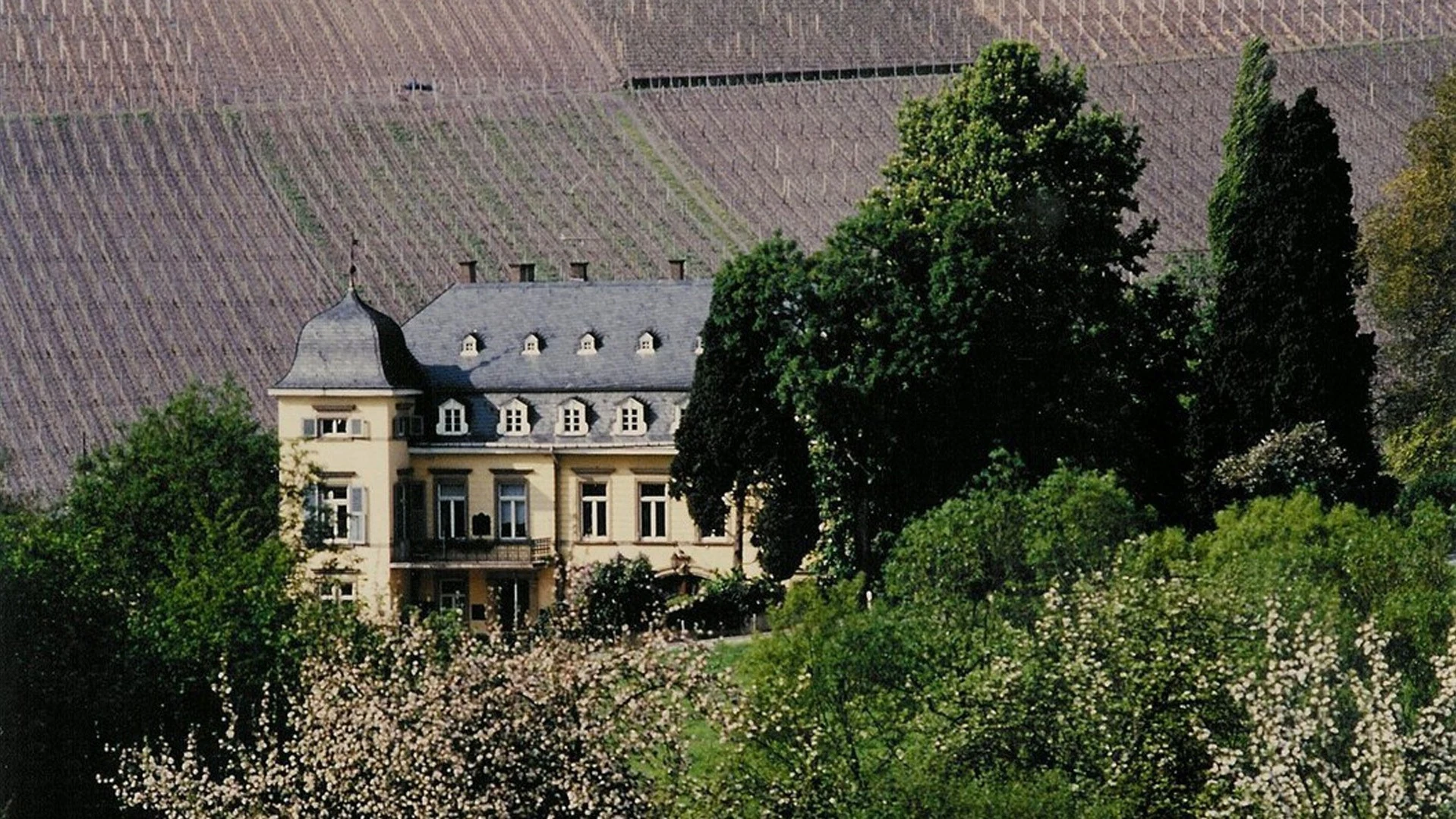
The place is not arranged around spectacle. Its center of gravity is the vineyard and the troglodytic limestone aging cellar, where the vessels hold their shape in the cool stone and the wines settle into their own pace. Around Bourgueil and Saint-Nicolas de Bourgueil, the parcels give the domaine its grammar: sandy ground for one register of Cabernet Franc, gravelly clay for another, clay and flint over limestone for wines with deeper structure.
In the cellar, the atmosphere is quiet because the work asks for it. Open vats, neutral wood, amphorae, jarres, and the long wait on skins create a room where decisions are made by touch, smell, and restraint. Nothing needs to be made louder than Les Malgagnes.
Questions
Frequently asked
Who is behind Domaine Yannick Amirault?
Yannick Amirault has run the domaine since 1977, when he inherited 3.9 hectares of vines from his grandfather, Eugène Amirault.
What is the domaine known for?
It is known for Cabernet Franc from Bourgueil and Saint-Nicolas de Bourgueil, with a style shaped by parcel-by-parcel work and long cellar discipline.
How does the winery work in the vineyard and cellar?
The estate farms about 20 hectares across Bourgueil and Saint-Nicolas de Bourgueil and has been certified organic since 2009. Fruit is hand-harvested in successive passes, sorted before destemming, fermented with indigenous yeasts, and often given long macerations.
Can visitors book a tasting or visit?
Visits are by appointment only.
The field
How it compares
| Place | Notes | Awards |
|---|---|---|
| Domaine Yannick Amirault | $$$ | · |
| Billecart-Salmon | Aÿ | World's 50 Best |
| Château Margaux | Margaux | World's 50 Best |
| Le Domaine de la Butte | Bourgueil | · |
| Quinta do Noval | Pinhão | World's 50 Best |
| Ridge Vineyards | Cupertino | World's 50 Best |
| Weingut Egon Müller | Wiltingen | · |