
- Falstaff Winery - Listed · 2026
The approach is rural before it is anything else: a historic Berry farm estate, a practical cellar and tasting area, and the sense that the space exists because wine is made here. In Brinay, Domaines Tatin is best understood as a working winery environment rather than a designed hospitality set piece. That distinction matters, because it shapes the expectations before a visit begins: the appeal is not built on theatrical presentation, but on the directness of a place whose identity is tied to production, cellar work, and the agricultural setting around it.
Domaines Tatin belongs to the practical side of French wine travel. The picture is intentionally simple: a low-key rural setting, a classic rustic feel, and a production-focused atmosphere. For visitors comparing options in Brinay, it should be read as a quiet working estate rather than a venue built around spectacle. Its value is in that restraint. The experience is easier to understand when approached as a stop rooted in the rhythms and materials of a winery, not as a polished destination designed primarily for performance.
A working winery setting in Brinay
The editorial interest here is the setting itself. Domaines Tatin is grounded in a historic Berry farm estate, with the cellar and tasting area presented as functional parts of the winery. The experience is centered on production rather than design, which gives the venue its understated character. The cellar and tasting area are not framed as a separate showpiece; they sit within the broader context of a place whose purpose is practical and wine-led.
That practical atmosphere is the most reliable way to frame a visit. Rather than assuming a specific menu, tasting format, grape focus or hospitality program, travelers should expect a rural winery environment where the cellar and tasting area are part of the working estate. This keeps the visit in the right register. The point is not to anticipate a curated sequence of extras, but to recognize the setting as the core experience: a farm estate, a cellar, and the quiet evidence of production.
The tone is quiet and low-key during weekday opening hours. This makes Domaines Tatin better suited to visitors looking for a grounded winery stop in Brinay than to those seeking a polished or highly choreographed venue. It is the kind of address that rewards visitors who are comfortable with understatement, who are interested in place and function as much as presentation. The mood described is calm, practical, and rural, which helps define both its strengths and its limits.
A Berry farmstead rather than a polished tasting salon
The setting keeps the experience honest. Domaines Tatin is described through a historic Berry farm estate, a practical cellar and tasting area, and a rural working-winery atmosphere. The emphasis is on use and production, not decorative design. That gives the venue a clear identity: it is not trying to imitate a tasting salon or a highly styled wine bar, and it should not be judged by those expectations.
Its style is rustic and classic. That does not mean casual in the sense of a restaurant or bar format; it means the venue’s character comes from the farm estate and cellar context. The low-key mood is part of the appeal. Rustic, here, is best understood as a matter of setting and tone: the feeling of a working place, with the practical qualities of a winery taking precedence over decorative polish.
Planning should be handled with practicality. The price signal is $$, and the atmosphere is quiet rather than showy. Specific service details, tour formats, food offerings or appointment policies should be confirmed directly before visiting. That is especially important because the venue is presented as a working winery environment, not as a hospitality product with every element implied in advance. Confirming details helps keep expectations aligned with what the estate is known for: a rural setting, a cellar and tasting area, and a production-centered character.
Where it fits in a wider wine itinerary
Brinay is not best approached here through claims of grandeur or invented rankings. Domaines Tatin fits as a focused rural winery stop: a historic Berry farm estate, a functional cellar and tasting area, and a calm working atmosphere. In a wider itinerary, that makes it useful as a grounded counterpoint to more polished or destination-driven venues, provided the visitor is specifically looking for a quieter, more practical expression of wine travel.
The reason to come is the setting and character: Domaines Tatin offers a grounded, production-centered winery environment in Brinay, with a rustic classic feel and a moderate price signal. Its appeal is therefore direct rather than expansive. Visitors should come for the estate atmosphere, the working-winery context, and the calm rural tone, while leaving room for direct confirmation of any practical details before making plans.
Questions
Frequently asked
Who works at Domaines Tatin?
Made By profiles Jean Tatin (Winemaker) at Domaines Tatin.
How expensive is Domaines Tatin?
Domaines Tatin is listed at a price level of $$.
The field
How it compares
| Place | Notes | Awards |
|---|---|---|
| Domaines Tatin | Le Tremblay, $$ | · |
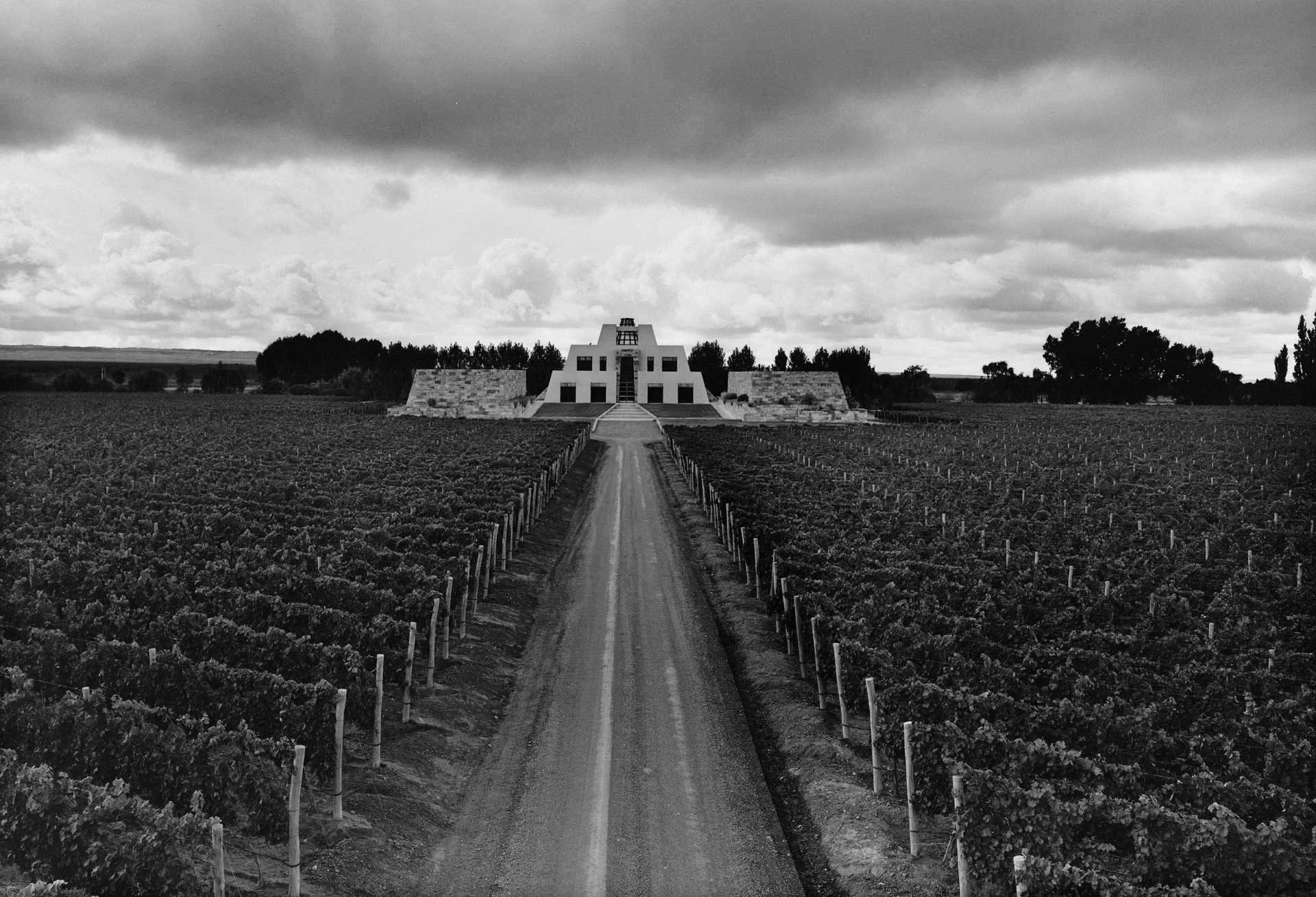
| Catena Zapata | Agrelo | World's 50 Best |
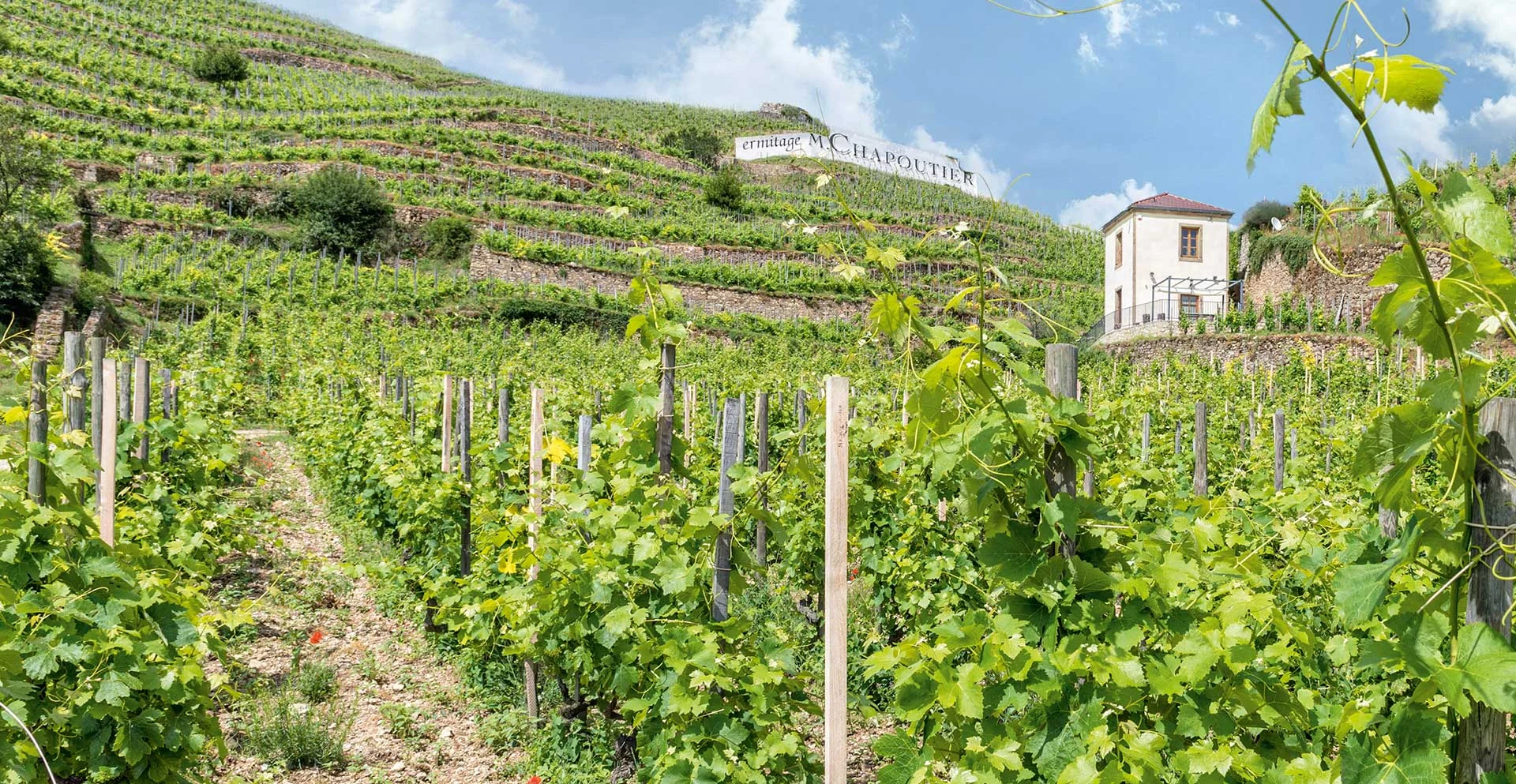
| Chapoutier | Tain-l'Hermitage | World's 50 Best |
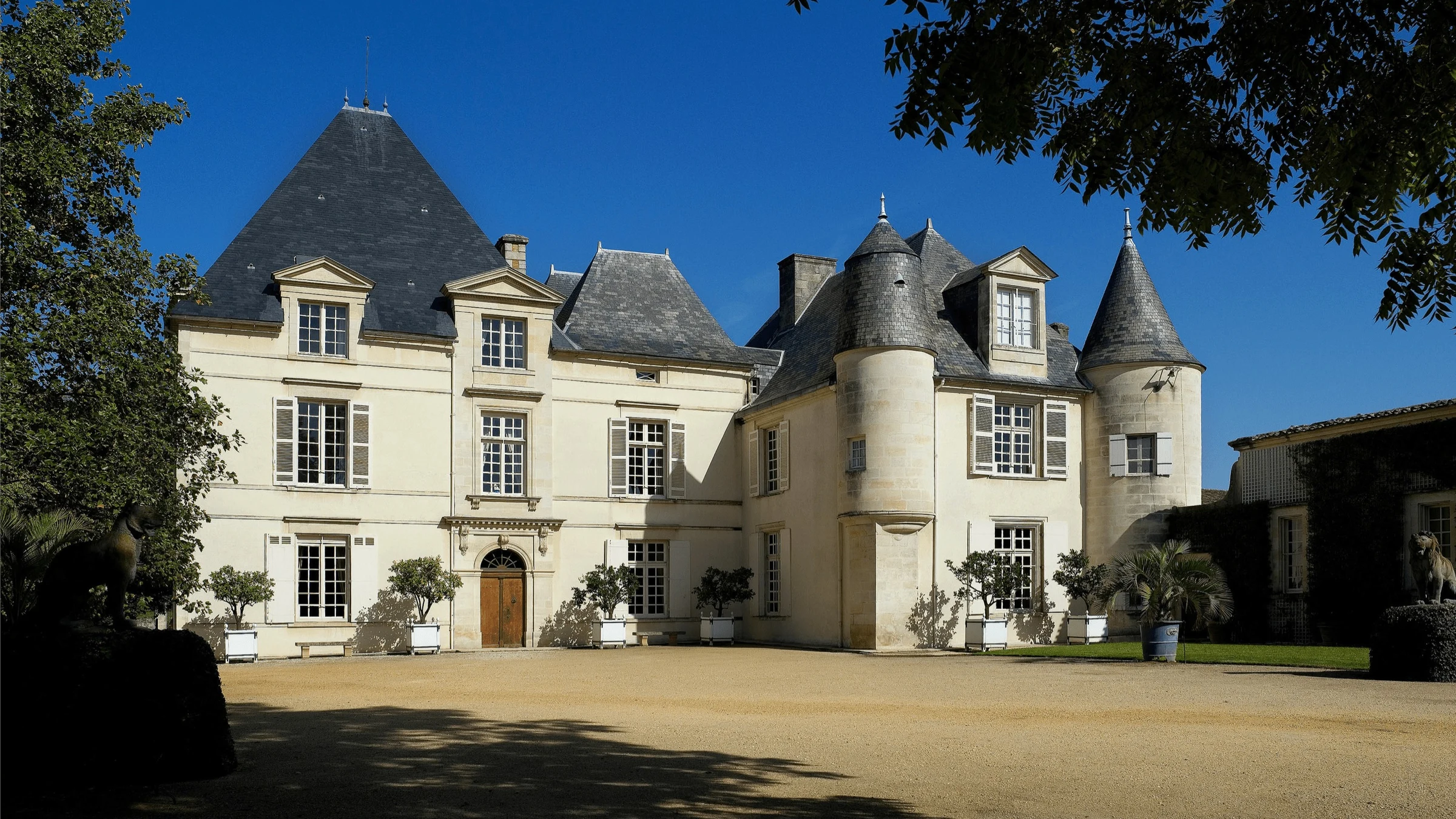
| Chateau Haut-Brion | Pessac | World's 50 Best |
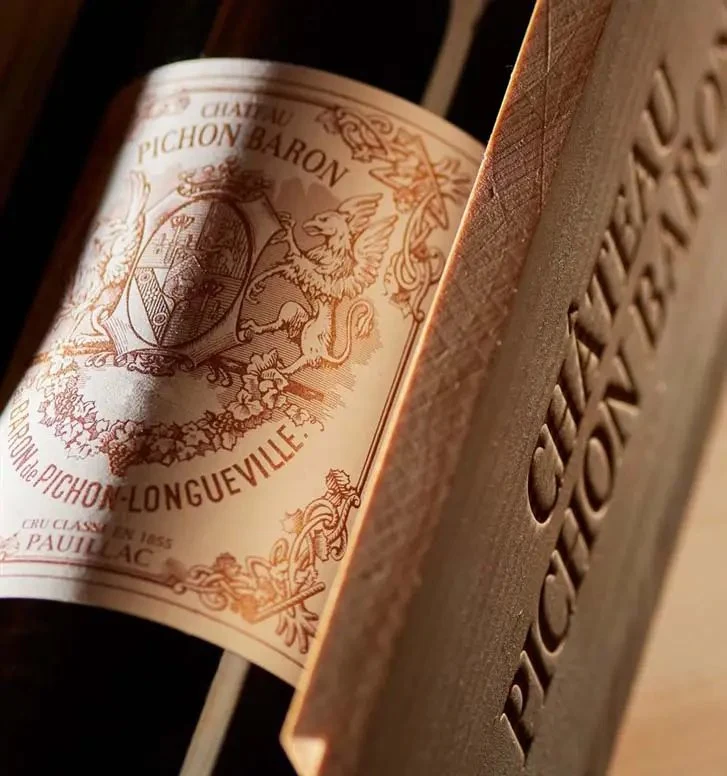
| Château Pichon Longueville Baron | Pauillac | World's 50 Best |
| Domaine Coche-Dury | Meursault | · |
| Klein Constantia | Cape Town | World's 50 Best |