Made ByWinery
Dominio de Pingus
Chef in Residence
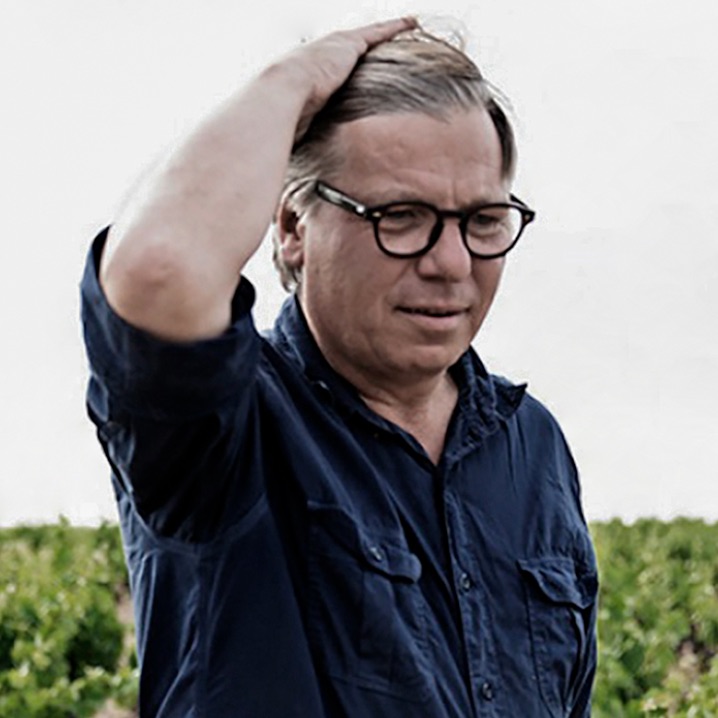
Peter Sisseck
Winemaker
- 01CityQuintanilla De Onesimo Valladolid, Spain
Peter Sisseck, winemaker and owner at Dominio de Pingus in Quintanilla De Onesimo Valladolid, works old-vine Tempranillo with cellar precision.
At a glance
- Price
- $$$$
- Neighborhood
- Quintanilla de Onésimo
Canopy before cellar theatre
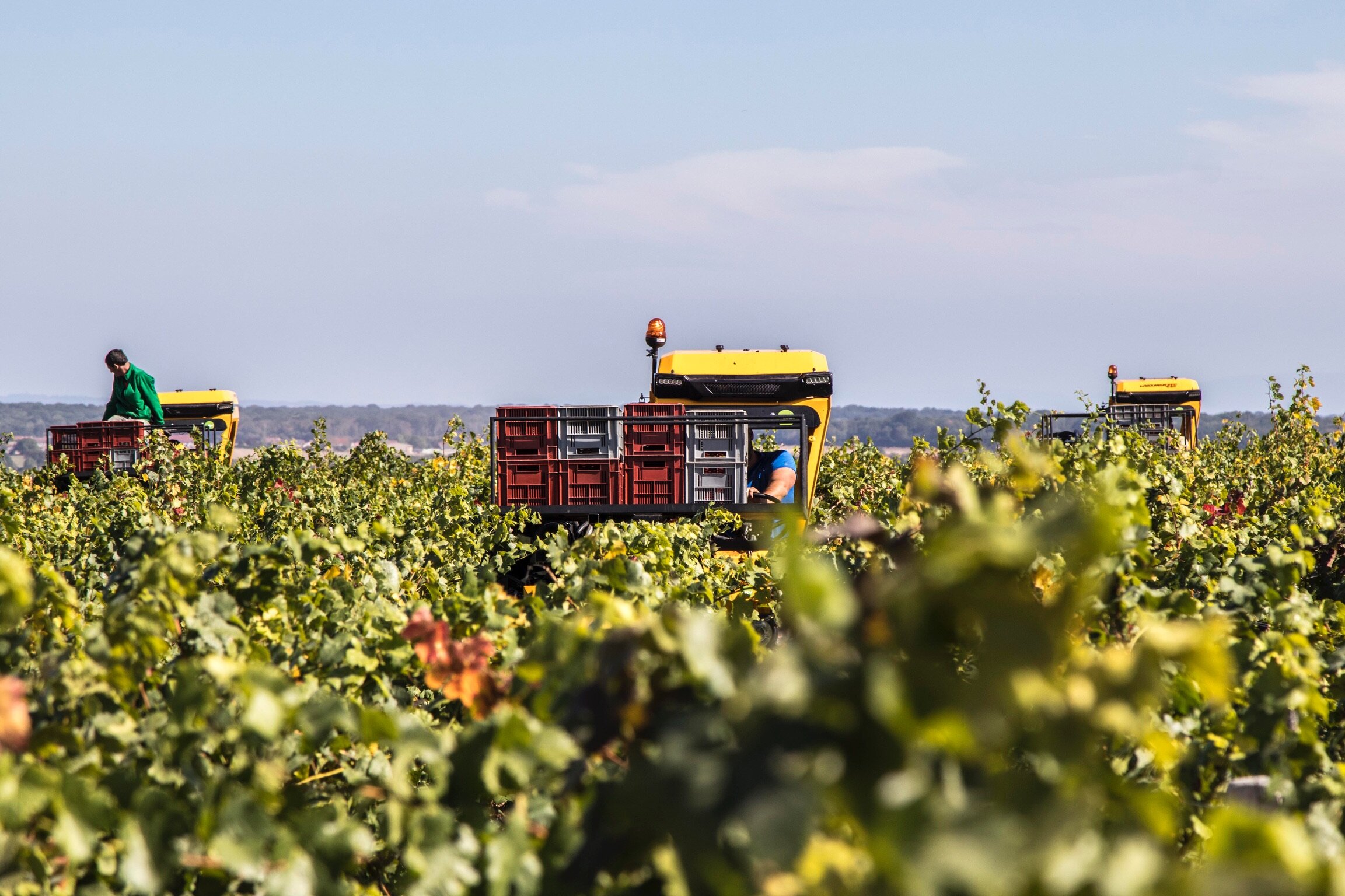
Peter Sisseck keeps the canopy lush as winemaker and owner at Dominio de Pingus in Quintanilla De Onesimo Valladolid, using leaf cover as protection before the fruit ever reaches the cellar. His route into that decision ran through Bordeaux, where vineyard discipline and cellar order came first: he worked in various Bordeaux vineyards, including Château Rahoul and Château Landiras, before a project to modernize winemaking practices brought him into a Spanish context from 1993. The later technical director role at Hacienda Monasterio placed that training inside Ribera del Duero, and the founding of Dominio de Pingus in 1995 fixed the work to his own estate in Quintanilla de Onésimo. The house began with the scale and insistence of a garagiste project, not with a grand architectural statement. What matters here is the old vineyard material and the way Sisseck asks modern practice to serve it. His own line, wines “made with a lot of love,” belongs beside canopy work, selection, and cellar control rather than romance. The discipline is field first.
Old Tempranillo under measured pressure
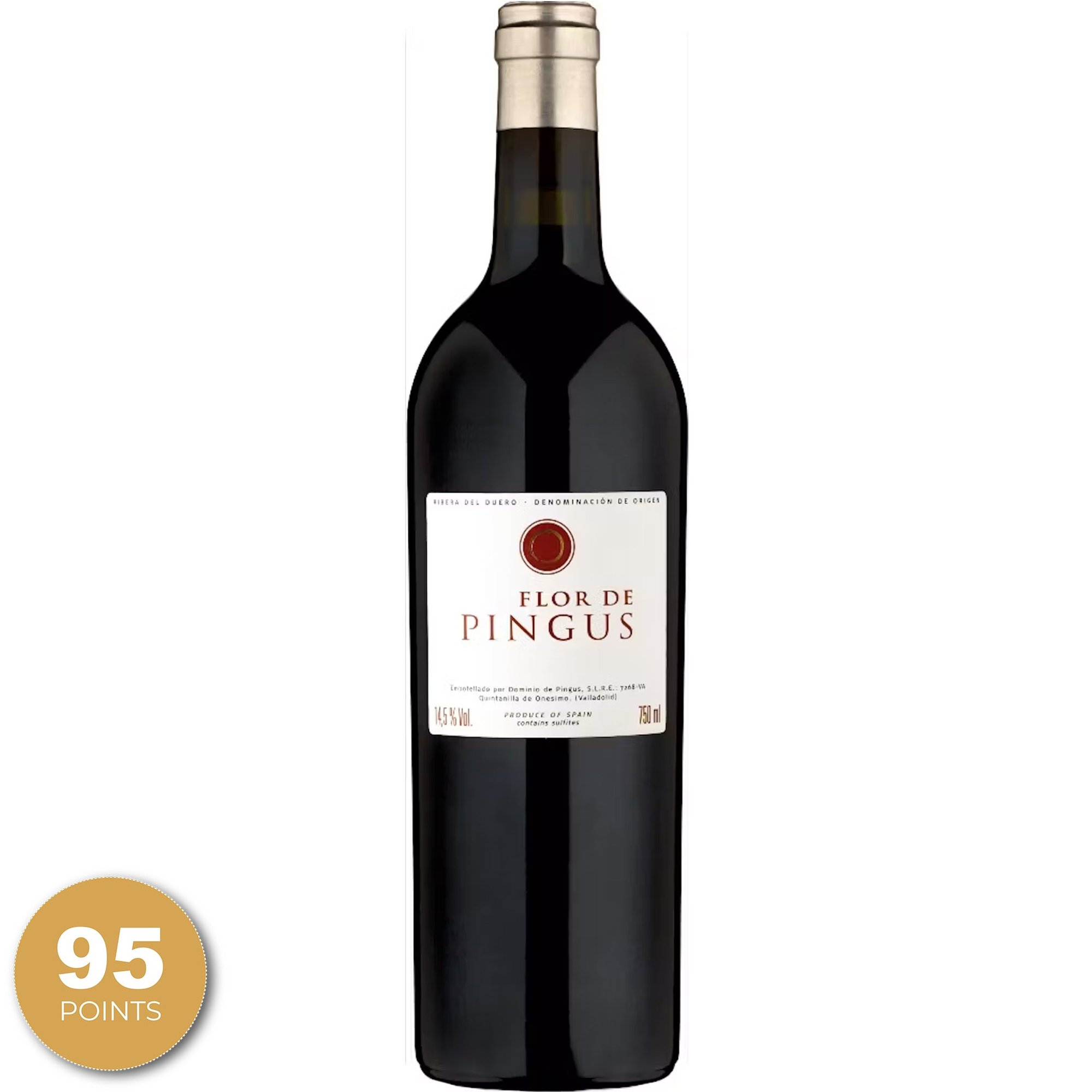
The estate works mainly with Tempranillo in Ribera del Duero DO, with Garnacha also named in the cellar’s range, and the central vineyard language is old vine, low yield, gravel over clay-limestone. Barroso in La Horra is given as 2.5 hectares, with vines exceeding 65 years of age; San Cristobal is given as 1.5 hectares, with vines older than 70 years. The average yield cited for the core material is 12 hL per hectare. Those numbers explain more than a tasting note can. Biodynamic viticulture has shaped the estate since 2000, and Flor de Pingus has followed that path since the 2005 vintage. The first Pingus vintage in 1995 was made from 12 barrels, approximately 325 cases, and the house still works at a scale that keeps selection close to the hands: Pingus typically stays under 500 cases annually, while Flor de Pingus is around 4,000 cases. PSI, begun as a project with local growers, uses old-vine Tempranillo from small plots and was founded in 2006, with the first vintage in 2007. It brings the method beyond the estate parcels without loosening the reason for the work.
A modest winery with its own laboratory
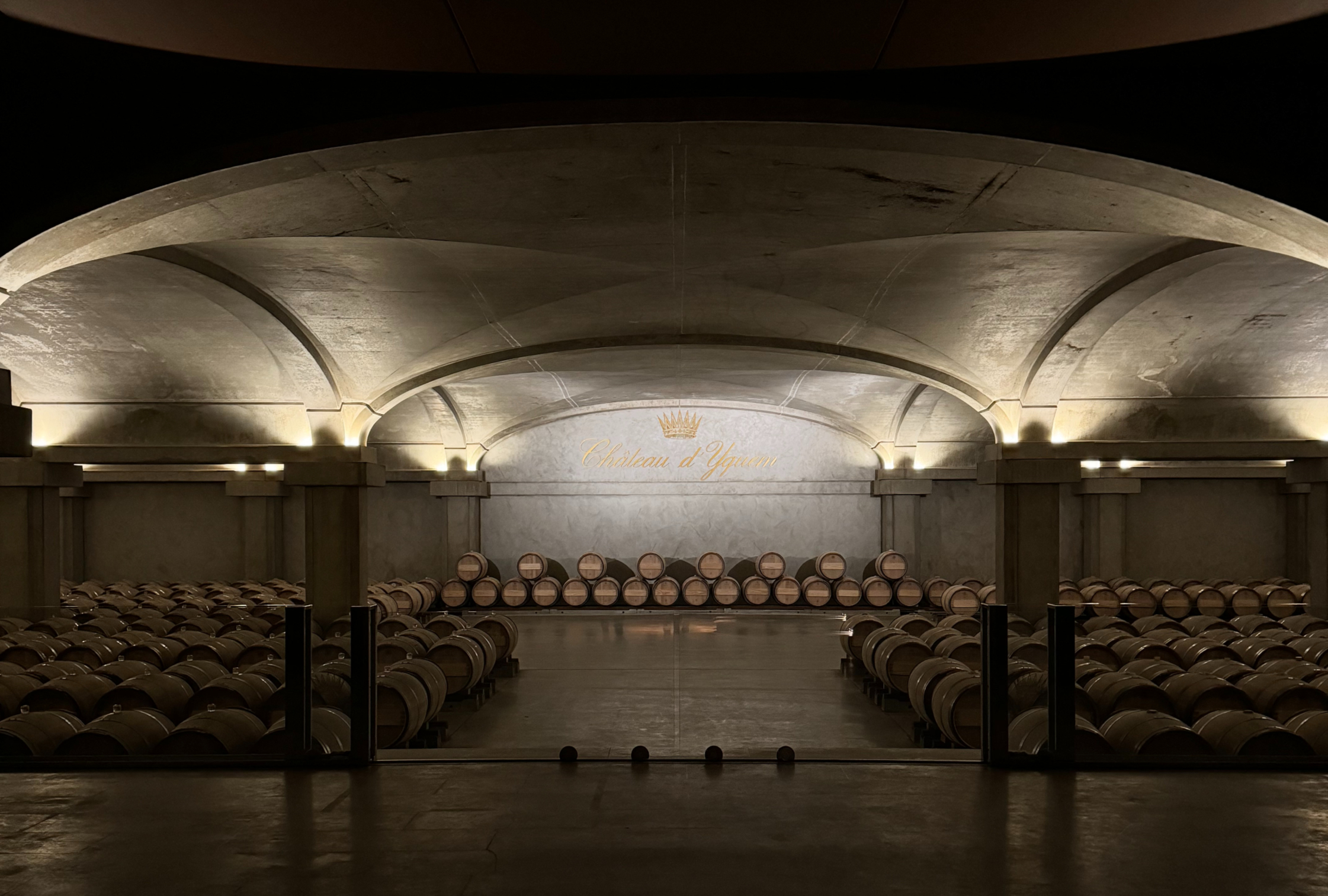
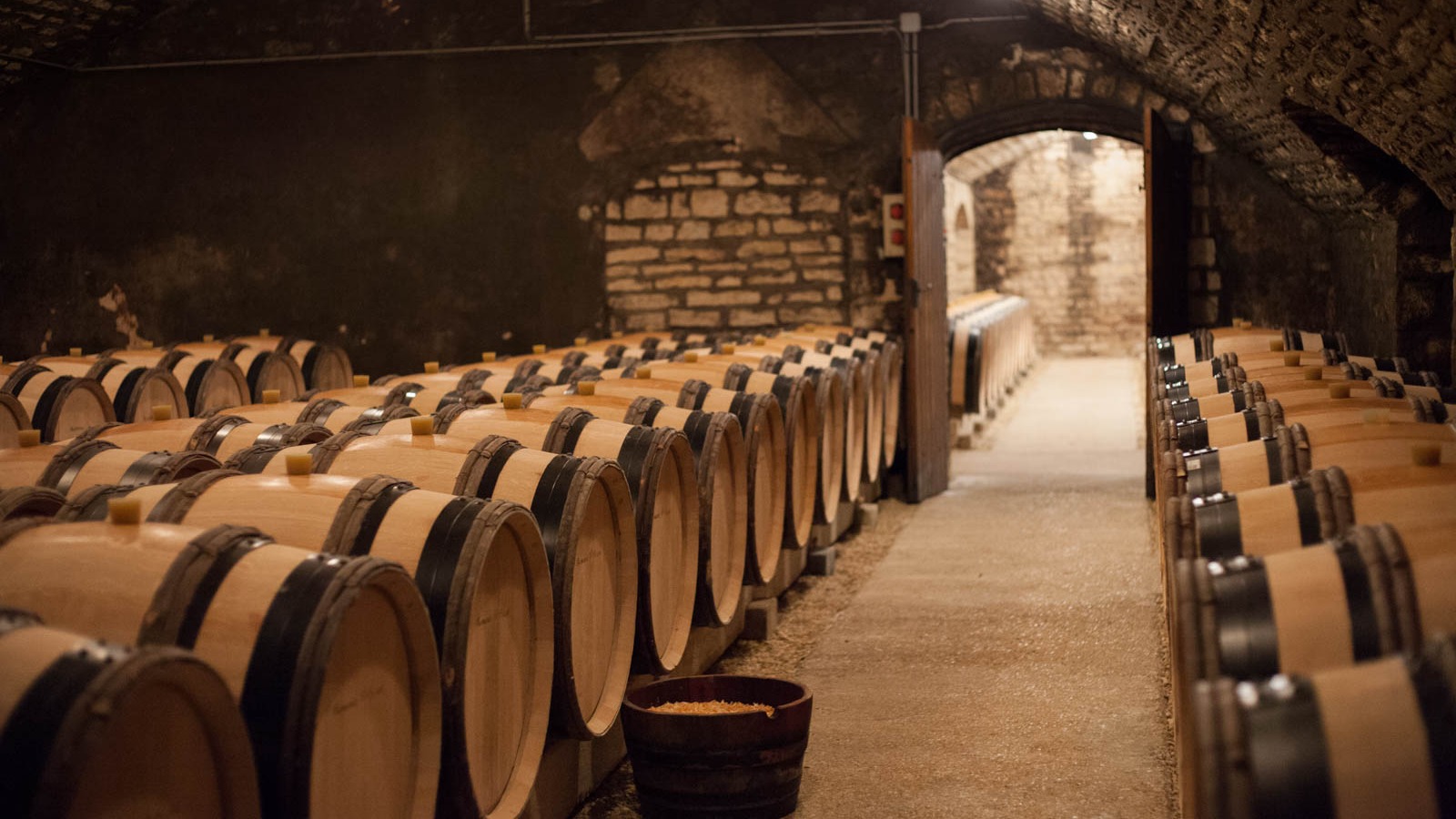
The cellar is modest and modern, with its own laboratory, a practical counterweight to the romance that often gathers around rare bottles. It is not a tourist room built around spectacle. The atmosphere is quiet, serious, and highly focused, closer to a working station than a performance space. Fermentations and élevage are monitored with the kind of precision Sisseck absorbed in Bordeaux, while the estate’s earlier use of heavy new oak has moved toward a higher proportion of used barrels. Pingus, Flor de Pingus, PSI, and Amelia each carry a different part of the program. Amelia is the most private of them, a single-barrel cuvée from a parcel planted in 1890 with just 500 vines, bottled separately since the 2003 vintage.
The estate as a regional argument
Dominio de Pingus matters because it changed the working imagination of Ribera del Duero from inside the bottle and the vineyard. The early international attention attached to Pingus, including a 95-point assessment for the first vintage, did not make the wine; it made the scarcity visible. The harder legacy is the estate model Sisseck built around old vines, technical cellar culture, and a refusal to treat Ribera del Duero as raw power alone. If there is a next movement to read here, it is in the continuity between the old plots and the grower work behind PSI.
Know before you go
- Reservations
- appointment_only
- Parking
- on_site_lot
Address
Quintanilla de Onésimo (Valladolid), Castilla y León, Spanien
Quintanilla de Onésimo