- Falstaff Winery - Listed · 2026
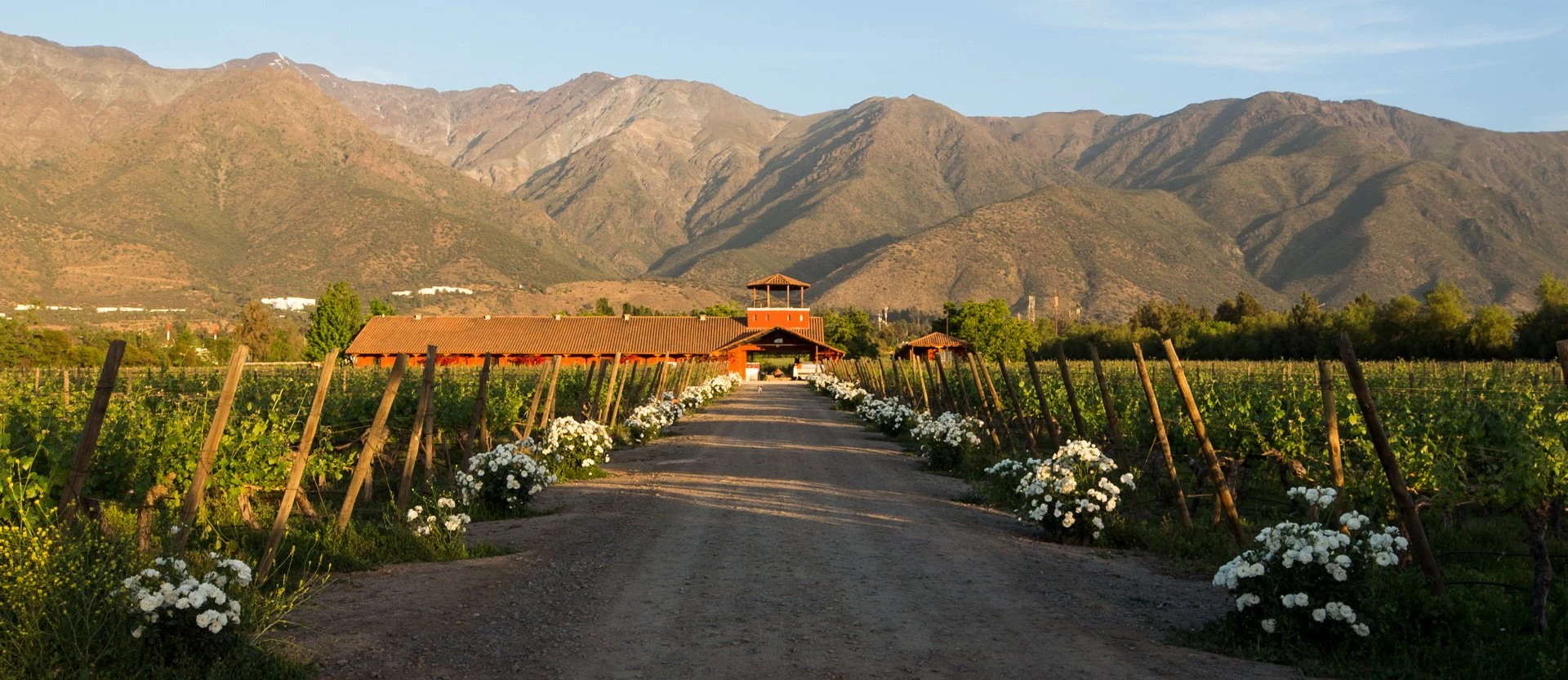
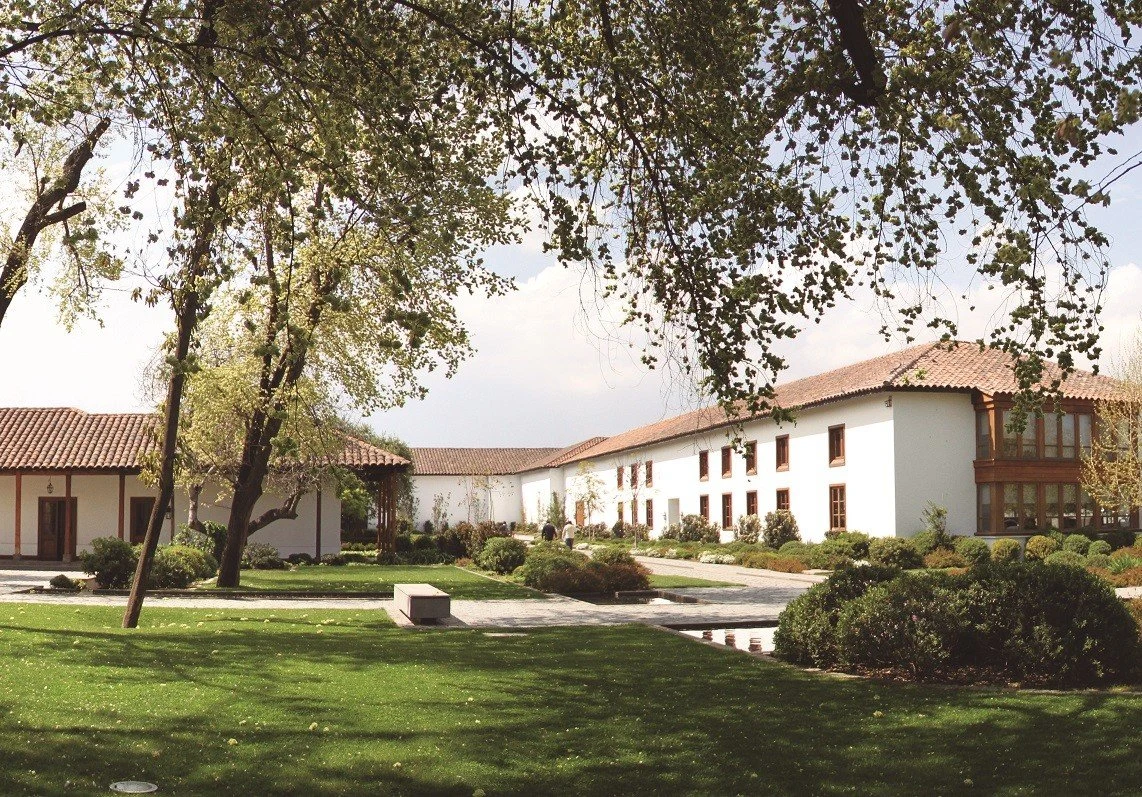
Approach the estate and Santiago’s urban rhythm gives way to formal wine-country theatre: a 19th-century house, clipped gardens, vineyards and the Andes as backdrop. This is not the casual cellar-door model common to many day trips from the capital. Don Melchor belongs to Chilean wine tourism’s more controlled end, where setting, tasting sequence and the story of a single Cabernet Sauvignon make Puente Alto legible rather than merely scenic.
That matters because Maipo Valley Cabernet is often reduced to shorthand, as if proximity to the Andes alone explains the category. The sharper reading is specific. Puente Alto sits on alluvial terraces shaped by the Maipo River, with altitude and diurnal shift giving Cabernet the structure, acidity and tannic frame that made the zone internationally persuasive. Don Melchor concentrates that regional argument: one flagship wine, one vineyard identity, and hospitality built around how separate parcels shape the final composition.
Puente Alto Cabernet, explained through parcels rather than slogans
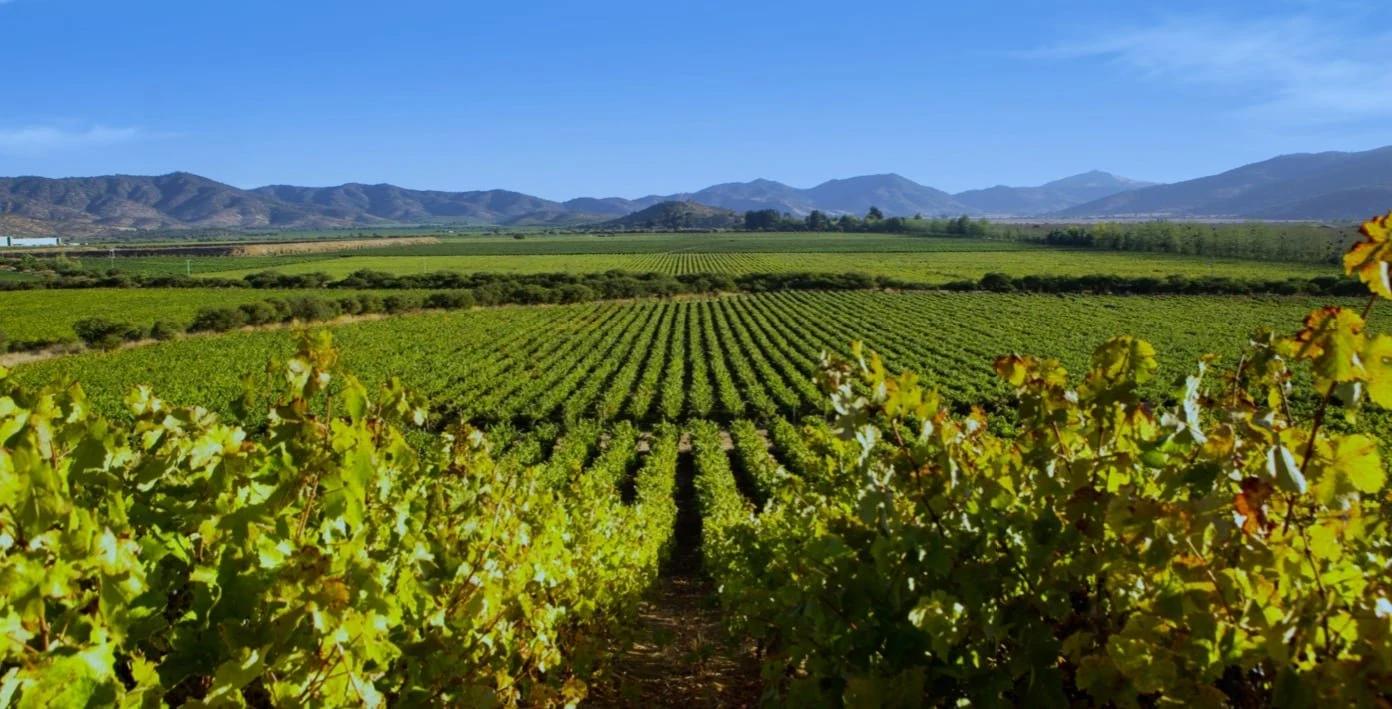
Chile’s premium-wine reputation has long leaned on Cabernet Sauvignon, but stronger producers now speak less about national identity and more about site. Here, the focus narrows to a 127-hectare vineyard on the northern bank of the Maipo River, around 650 metres above sea level. The point is not variety alone; it is how Cabernet behaves on drained alluvial soils at the foot of the Andes, where warm days build concentration and cool nights preserve line.
The estate’s visitor formats make that distinction unusually clear. A blending experience uses seven vineyard plots, turning abstract terroir language into a practical exercise in proportion and structure. A vertical tasting built around six Wine Spectator Top 100 vintages places the same site across time, including 1988, 1993, 2003, 2014, 2018 and 2021. For collectors, the lesson is not simply ageability; it is how Chilean Cabernet moved from proof-of-concept into a serious global category.
The historical claims are substantive. Don Melchor began in 1987 as Concha y Toro’s first ultra-premium release and its first Chilean wine aged in French oak barriques. That now marks an earlier moment in Chile’s export history, when premium positioning required vineyard confidence and cellar technique aligned with international expectations. Later critical record gives the origin story weight: the 2018 vintage received 100 points from James Suckling, while the 2021 vintage received 96 points from Wine Spectator and 99 points from James Suckling.
The Casona turns luxury wine tourism into a Santiago day format
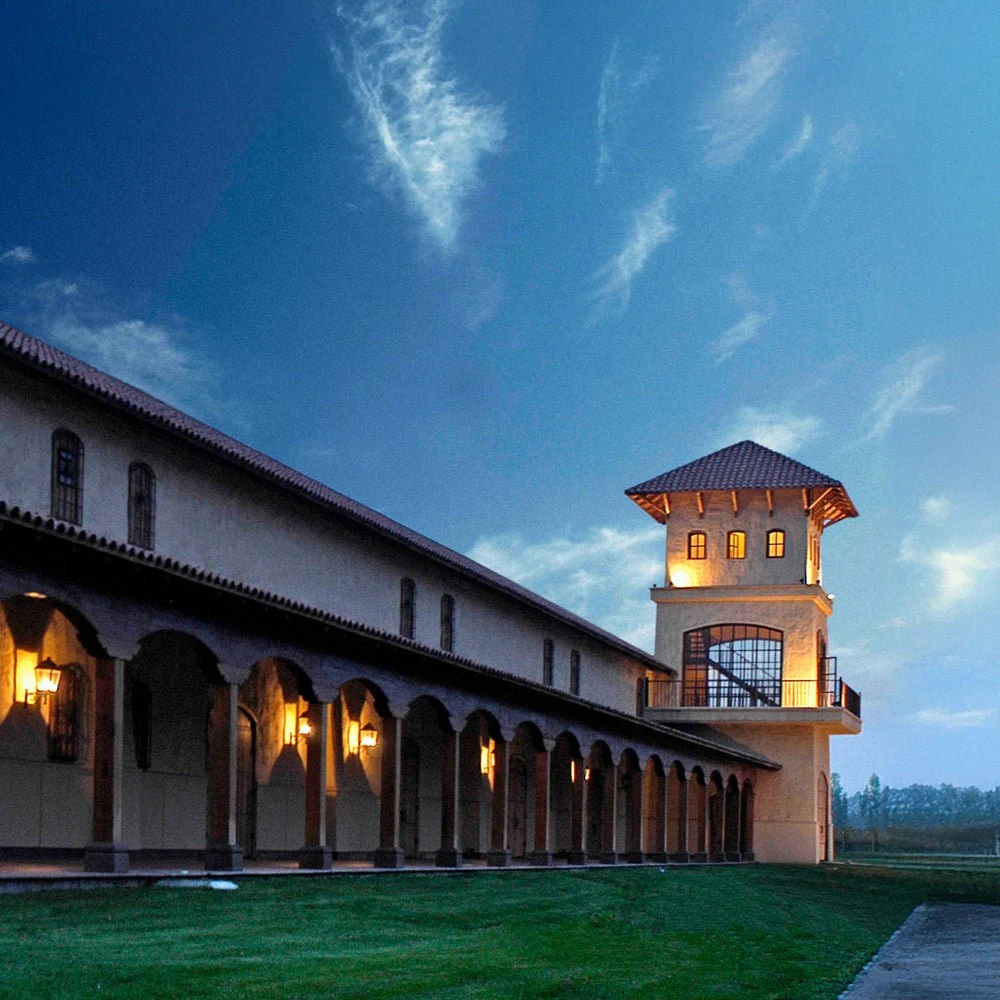
Wine tourism around Santiago often splits between high-volume accessibility and small-format, appointment-led tastings. Don Melchor sits in the latter camp, using the Casona de Pirque as more than backdrop. The house dates to 1870 and was declared a National Historic Monument in 1971, giving the experience a cultural frame many tasting rooms cannot manufacture. Its gardens, associated with French landscape designer Guillaume Renner, add another layer: formal European garden language set against vineyards and mountain light.
The hospitality program opened in March 2024, making it a recent expression of a much older wine brand. That timing matters. Chile’s luxury wine sector is no longer satisfied with exporting bottles while leaving visitors to standard tours. Stronger estates now build spaces that translate cellar reputation into travel value. Here, the tasting room, cellar, garden route and collection room all return to the same proposition: Puente Alto Cabernet as a single-site study, not a broad regional sampler.
Formats range from seated tastings to food-pairing lunch, private touring, vertical tasting and a winemaking session led around parcel selection. Spanish and English are offered, and the mood is quiet rather than high-energy. Dress code and reservation model also define the day: polished, intimate and structured, not a drop-in afternoon around a crowded bar. The listed price level sits at the premium end for Santiago wine experiences, aligned with the estate’s collector-facing positioning rather than casual tasting-room traffic.
Where it fits in a Santiago wine itinerary
For visitors using Santiago as a base, Don Melchor is strongest when the goal is depth over breadth. It is especially persuasive for travellers who already understand Cabernet but want to see why Puente Alto has become a reference point for Chile’s high-end red wines. It is less suited to anyone seeking a broad tasting of varieties, a large-group party atmosphere or a child-friendly winery day. The production focus is narrow by design: still red wine, Cabernet Sauvignon, and a hospitality script built around the vineyard’s internal differences.
Its recognition profile places the estate in a serious collector context. The 2020 vintage was included in Robb Report’s “Best of the Best Wines of the World,” and Casa Don Melchor was named among the World’s Leading Luxury Wine Tourism Destinations in 2026. Those signals do not replace taste, but they clarify the competitive tier: Chilean Cabernet presented with the confidence associated with long-established luxury wine regions.
Planning a Santiago wine trip usually benefits from contrast. Use Our full Santiago wineries guide for the broader city-to-vineyard map, then compare the capital’s other rhythms through Our full Santiago restaurants guide, Our full Santiago hotels guide, Our full Santiago bars guide and Our full Santiago experiences guide. For additional winery reading across Chile and beyond, see Casa Morandé, Casas del Bosque, Casillero del Diablo, Clos Quebrada de Macul, Cono Sur Winery, Amayna in Las Condes, Balduzzi Winery in San Javier, Baron Philippe de Rothschild (Chile) in Buin, »der Steiner« Hans Steiner in Podersdorf am See and & Handwein in Mannheim.
The editorial case is clear: choose Don Melchor when the visit’s value lies in reading one site closely. Santiago has easier, broader and more casual wine days, but few formats make Chilean Cabernet’s mechanics as explicit. The estate’s strength is discipline: a protected manor house, an Andes-facing vineyard, parcel-led tastings and a wine whose critical record gives the terroir argument measurable backing.
Questions
Frequently asked
Who works at Don Melchor?
Made By profiles Enrique Tirado (Winemaker) at Don Melchor.
How expensive is Don Melchor?
Don Melchor is listed at a price level of $$$$.
The field
How it compares
| Place | Notes |
|---|---|
| Don Melchor | Pirque, $$$$ |
| Viña Aquitania | Santiago |
| Viña Cono Sur | Santiago |
| Viña Cousiño-Macul | Santiago |
| Viña Santa Carolina | Santiago |
| Viña Ventisquero | Santiago |
| Viñedos de Alcohuaz | Santiago |