Dorrance Wines
- 01CityCape Town, South Africa

- Falstaff Winery - Listed · 2026
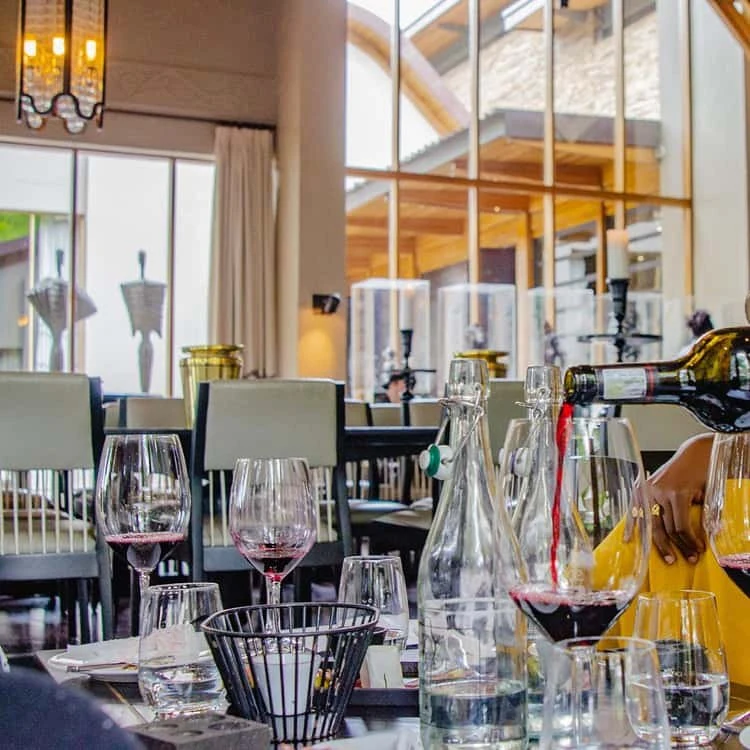
The first impression is not a sweep of vines, but a city setting: Dorrance Wines is an intimate urban cellar in Cape Town. Its appeal comes from the combination of a working winery environment and a relaxed, refined tasting-room atmosphere, giving the venue a city-wine character rather than a countryside-estate feel. That distinction is important because it sets expectations from the start: this is not a visit built around open vineyard views, but around the atmosphere of wine being made and served within the fabric of the city.
That format matters for visitors who want a wine-focused stop within Cape Town itself. The picture is deliberately compact: Dorrance Wines is best understood as a hidden-gem urban cellar with an intimate, classic feel, rather than as a broad hospitality complex. It can also host evening functions and events, which gives the space more flexibility than a simple visit. The result is a venue that feels specific rather than expansive, with its appeal coming from concentration, texture, and setting.
Urban terroir, not estate theatre
Dorrance Wines should be framed as an inner-city cellar, not as a vineyard estate. The working-winery setting is part of the experience, while the tasting room keeps the mood relaxed and refined. That balance is the venue’s clearest strength: production atmosphere on one side, intimate hospitality on the other. It allows the space to feel connected to the craft of wine without turning the visit into a large-scale estate presentation.
The safer editorial reading is simpler: Dorrance Wines offers a city-based wine experience in Cape Town with the feel of a small, characterful cellar.
That narrower focus is also part of the charm. Rather than promising a sprawling estate visit or a detailed restaurant-style programme, the venue’s identity rests on intimacy, urban setting, and a classic tasting-room mood inside a working winery environment. Its appeal is therefore less about spectacle and more about proportion: a compact wine experience that feels grounded, close-up, and clearly shaped by its city context.
A Cape Town setting shapes the experience
The Cape Town setting is central to how Dorrance Wines presents itself. The venue is described as tucked into the city, which reinforces the sense of a hidden inner-city cellar rather than a destination built around vineyard scenery. The atmosphere is intimate, relaxed, and refined. Those qualities matter because they make the venue feel suited to a slower, more focused stop, where the setting supports the wine rather than competing with it.
The space can also be used for evening functions and events. That makes Dorrance Wines useful for visitors or locals looking for a wine-led Cape Town setting with more character than a generic event room, while still keeping the experience grounded in the feel of a working cellar. The event potential broadens the venue’s role without changing its core identity: it remains a compact urban wine space first, with added flexibility for occasions that suit that atmosphere.
That makes Dorrance Wines especially useful for travelers who are already mapping Cape Town across categories. Pair it with broader Cape Town restaurant, bar, hotel, and experience research rather than treating it as a separate wine-country day. For a wider wine map, use a general Cape Town wineries guide. In planning terms, it sits neatly within a city itinerary, especially for readers who want wine culture to be part of a Cape Town day rather than the whole structure of one.
How to place it in a Cape wine itinerary
The editorial case for Dorrance Wines is not that it replaces rural estates. It does something different. A vineyard visit offers landscape and estate context; Dorrance Wines offers a compact urban-cellar experience in Cape Town. That makes it a stronger fit for people who want wine culture within the city rather than a full countryside excursion. It is best judged on those terms, because its strengths are urban, intimate, and cellar-led.
Its price level is listed as $$, placing it in a moderate bracket. Beyond that, specific claims about reservations, walk-ins, parking, hours, seating formats, or service details are not confirmed in the public record here, so visitors should check the venue’s current official information before planning around logistics. That caution is useful because a smaller, characterful venue can depend heavily on current arrangements, especially when functions or events may be part of the space’s rhythm.
For readers calibrating a broader wine route, the contrast is useful. Dorrance Wines represents the inner-city cellar side of Cape Town wine culture, while other wine venues in and beyond the city may offer different settings, formats, or estate-led experiences. Keep the comparison broad unless current official details are available. The point is not to rank one format above another, but to understand what kind of wine experience each one is designed to provide.
The verdict is clear: choose Dorrance Wines for a Cape Town expression of wine in an intimate urban cellar, not for a vineyard postcard. Its value lies in the combination of working winery atmosphere, refined tasting-room mood, and event-ready flexibility. For the right visitor, that combination is exactly the draw: a wine stop that feels embedded in Cape Town rather than removed from it.
Questions
Frequently asked
How expensive is Dorrance Wines?
Dorrance Wines is listed at a price level of $$.
The field
How it compares
| Place | Notes | Awards |
|---|---|---|
| Dorrance Wines | Cape Town City Centre, $$ | · |
| Constantia Glen | Cape Town | · |
| Diemersdal Wine Estate | Cape Town | · |
| Groot Constantia | Cape Town | · |
| Klein Constantia | Cape Town | World's 50 Best |
| Luddite Wines | Cape Town | · |
| Steenberg Vineyards | Cape Town | · |