
- Falstaff Winery - Listed · 2026
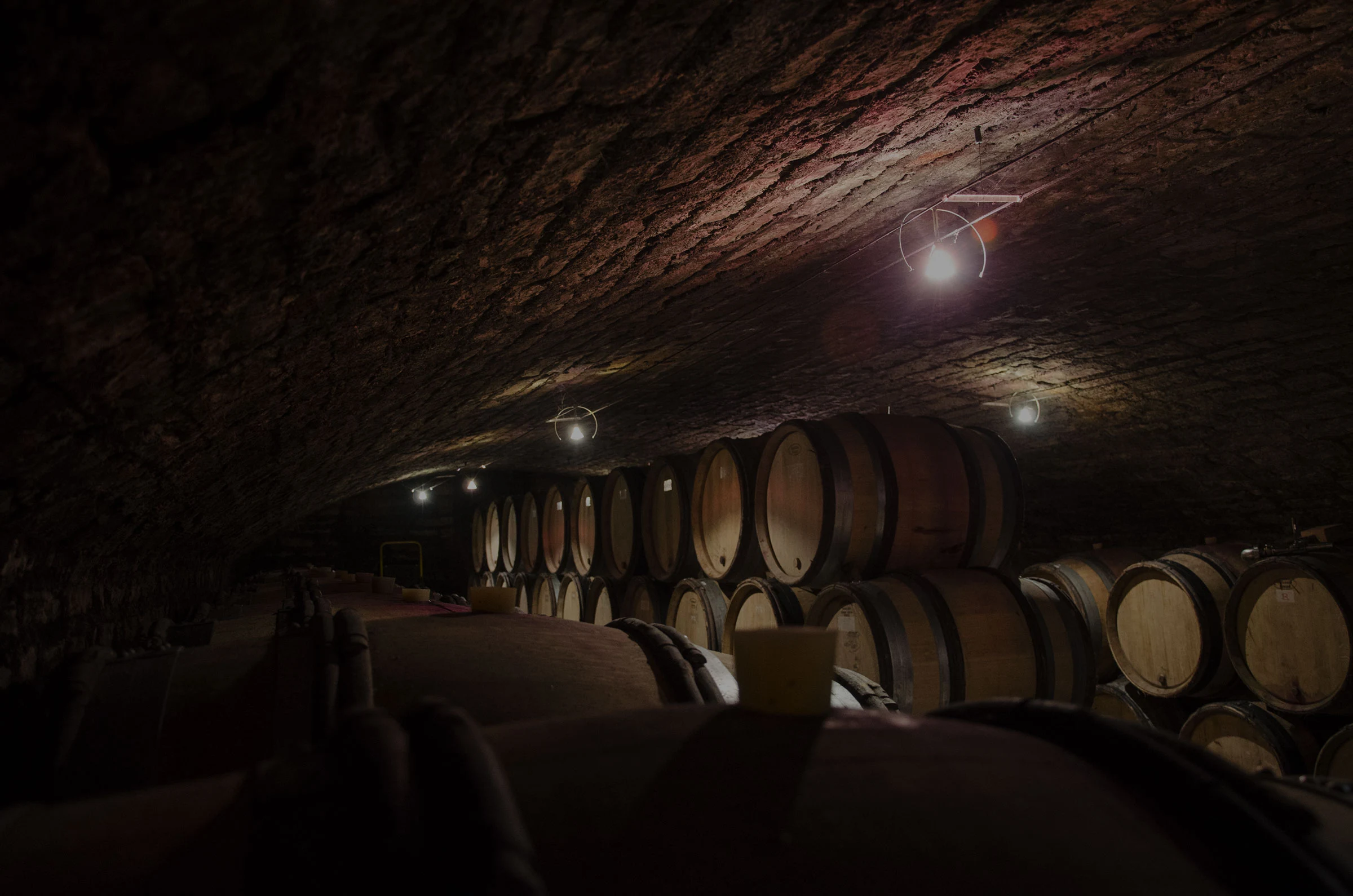
Dri Giovanni Il Roncat in Nimis is best framed as a quiet Friulian hillside winery rather than a high-gloss destination. The atmosphere is scenic, rustic, classic and intimate, with vineyards around the estate and a focus on the local Ramandolo sweet wines that define this part of the Colli Orientali. For travellers looking for a hidden-gem stop, the appeal is the setting and the local wine identity rather than spectacle. It is the sort of place to approach with an interest in context: the slope, the vineyards, the traditional feel of the property, and the way a local sweet-wine tradition can give a small area a specific personality. In that sense, Dri Giovanni Il Roncat reads less like a box-ticking attraction and more like a focused stop for understanding Nimis through wine.
Ramandolo puts Friuli's sweet-wine tradition in sharper focus
Ramandolo gives this Nimis winery its clearest point of reference. Instead of presenting Friuli only through broad regional categories, Dri Giovanni Il Roncat is centered on local sweet wine and the hillside character around Nimis. The experience is therefore most useful for visitors who want to understand one specific Friulian wine place in context, rather than trying to cover the whole region in a single tasting or visit. The strength of that focus is that it narrows the lens: the conversation naturally turns toward this corner of the Colli Orientali and the wines most closely associated with it.
The draw is simple: a traditional Friulian winery atmosphere, vineyards around the estate, and attention to Ramandolo sweet wines alongside classic Colli Orientali varieties. That combination gives the venue a clear identity without needing a more elaborate pitch. It suggests a visit built around landscape, local style and a slower pace, where the surrounding vineyards are part of the reason to come. Specific production details, grape-by-grape claims, ageing rules, awards, scores and visitor formats should be checked directly with the venue before planning around them.
Its value lies in the combination of hillside setting, local wine identity and a quieter sense of place. For travellers who enjoy wine experiences that feel rooted rather than showy, that is the main point: Ramandolo is not just a label here, but the organizing idea that helps make the stop legible.
A focus on Ramandolo and Colli Orientali varieties
Dri Giovanni Il Roncat is associated with Ramandolo sweet wines and classic Colli Orientali varieties. That gives the winery a local frame: the point is to connect the wines with Nimis and the surrounding vineyard landscape. For visitors already interested in Friuli, this can be a useful counterweight to broader regional planning, because it keeps attention on a particular hillside area rather than on Friuli as an abstract wine destination.
Those details may matter to a serious wine itinerary, but they are not confirmed in available information here. It is better, therefore, to treat the known information as a starting point rather than a complete technical profile. If your plans depend on a certain tasting structure, a particular wine being available, or detailed production information, the sensible move is to verify directly with the winery before building the rest of the day around it.
What can be said with confidence is that the setting is scenic, rustic and intimate, with a traditional Friulian hillside winery feel. For visitors who prefer a quieter and more local stop, that is the core reason to consider Dri Giovanni Il Roncat. The appeal is not framed around scale, polish or novelty; it is framed around the feeling of being in a vineyard setting tied to a recognisable local wine identity. That makes it especially relevant for travellers who value atmosphere and place as much as the contents of the glass.
For travellers mapping Nimis through wine, nearby research should stay local before widening out. Start with a broader look at wineries and other dining or hospitality options in Nimis, then compare plans against the practical details confirmed directly by Dri Giovanni Il Roncat. That approach keeps expectations grounded and helps the winery sit naturally within a day focused on the area, rather than being treated as an isolated stop.
Who should make the detour into the Ramandolo hills
This is a better fit for travellers who want a quiet, wine-led stop than for anyone chasing a high-volume or highly polished scene. The confirmed atmosphere is scenic, rustic, classic and intimate, with vineyards around the estate and a focus on Ramandolo sweet wines and classic Colli Orientali varieties. In practical terms, that means the most satisfied visitors are likely to be those who appreciate a modest, place-driven experience and are comfortable letting the setting do much of the work.
The price level is listed as $$, so it sits in a moderate bracket. The main appeal is not luxury signaling, but the combination of Nimis, hillside winery character and a local Ramandolo focus. For a fuller Nimis itinerary beyond wine, pair the stop with other dining or experiences in the city, checking current practical details before you go. Used that way, Dri Giovanni Il Roncat can serve as a grounded wine stop: quiet, locally defined and shaped by the Ramandolo hills rather than by a more generic destination-winery formula.
Questions
Frequently asked
Who works at Dri Giovanni Il Roncat?
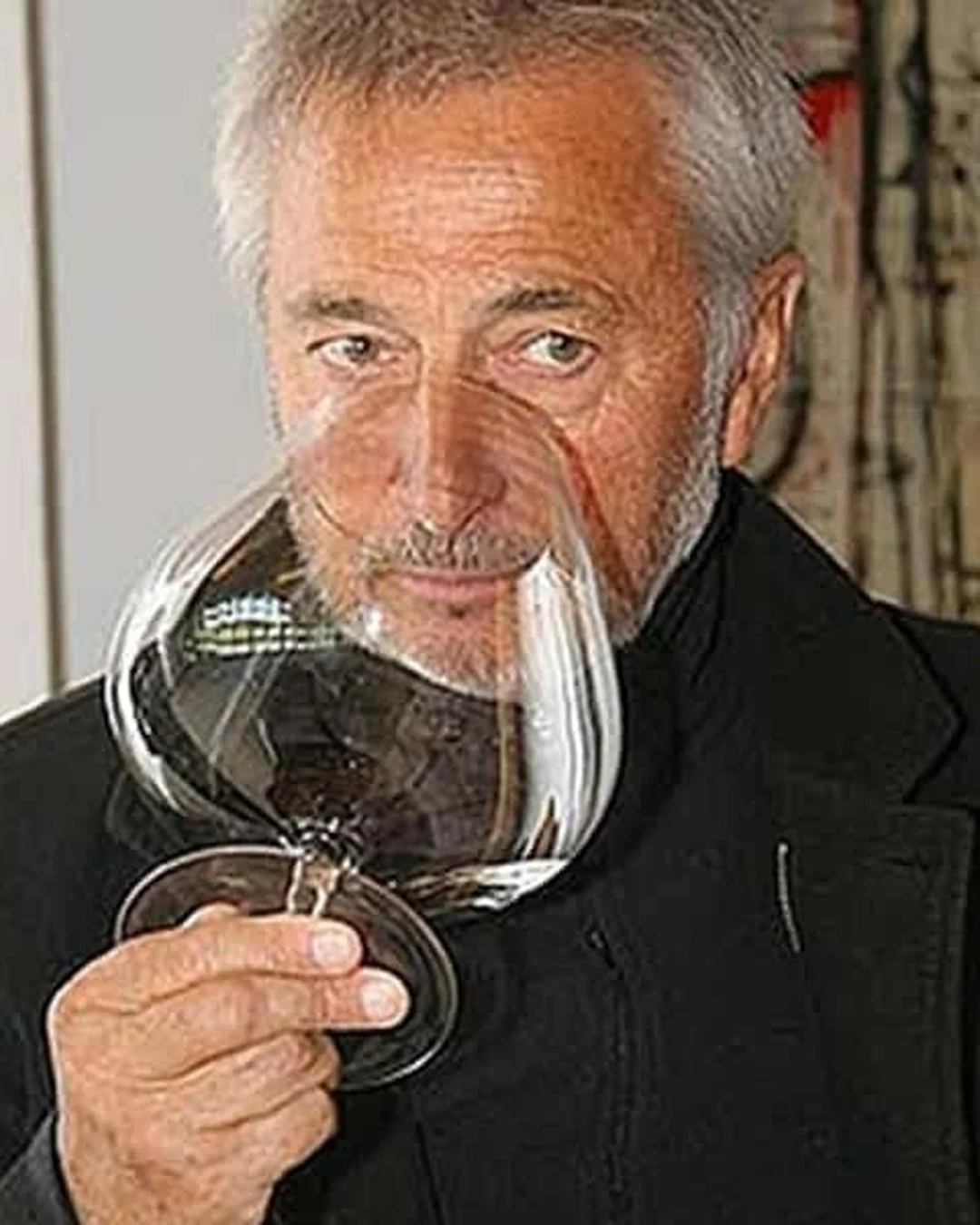
Made By profiles Giovanni Dri (Winemaker) at Dri Giovanni Il Roncat.
How expensive is Dri Giovanni Il Roncat?
Dri Giovanni Il Roncat is listed at a price level of $$.
The field
How it compares
| Place | Notes | Awards |
|---|---|---|
| Dri Giovanni Il Roncat | Ramandolo, $$ | · |
| Château Cos d'Estournel | Saint-Estèphe | World's 50 Best |
| Dario Coos | Nimis | · |
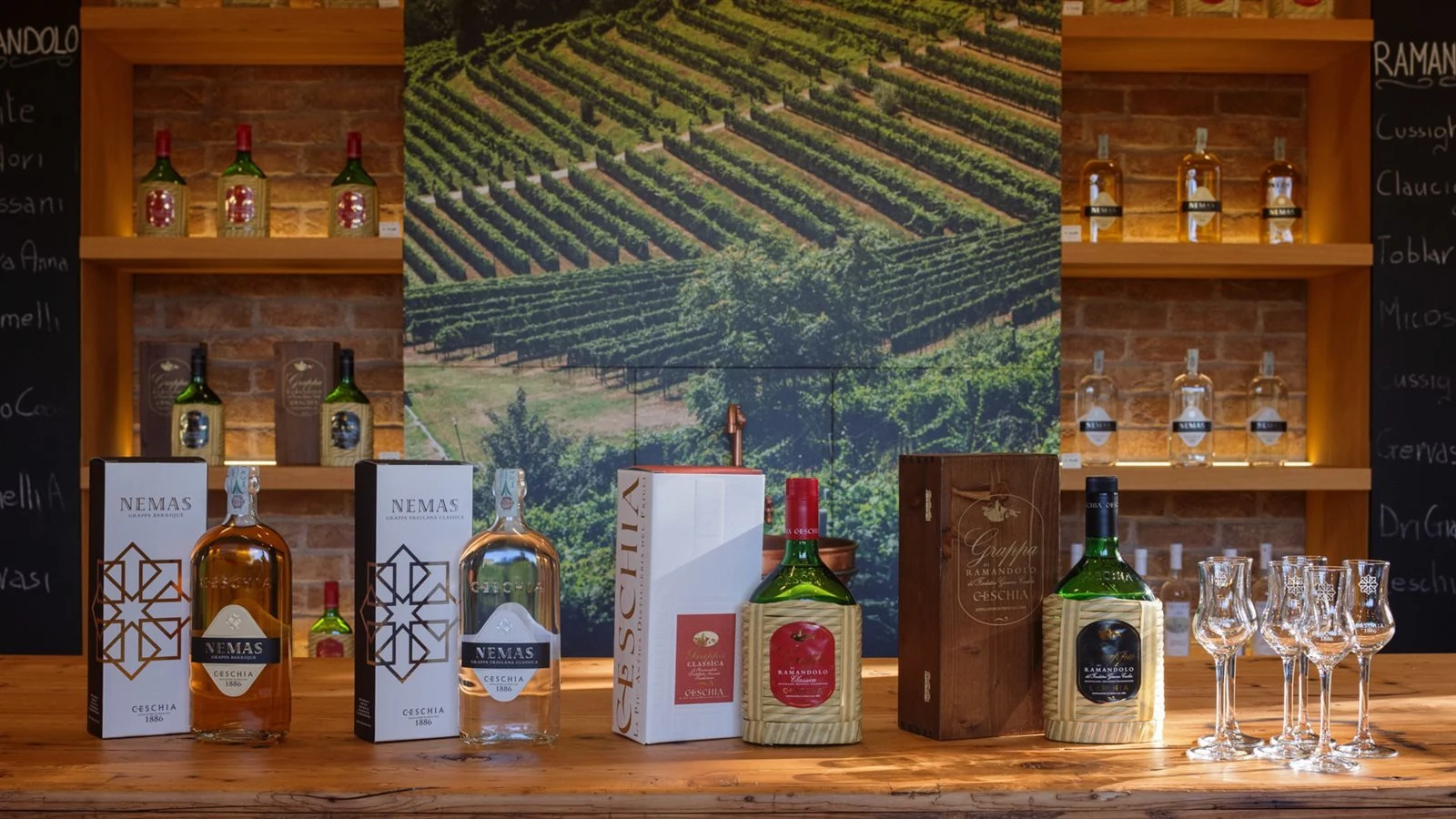
| Distilleria Ceschia | Nimis | · |
| Domaine Clarence Dillon | Pessac | · |
| Domaine Faiveley | Nuits-Saint-Georges | World's 50 Best |
| Domaine Hubert Lignier | Morey-Saint-Denis | · |