Dyrehøj Vingård
- 01CityKalundborg, Denmark
- Falstaff Winery - Listed · 2026
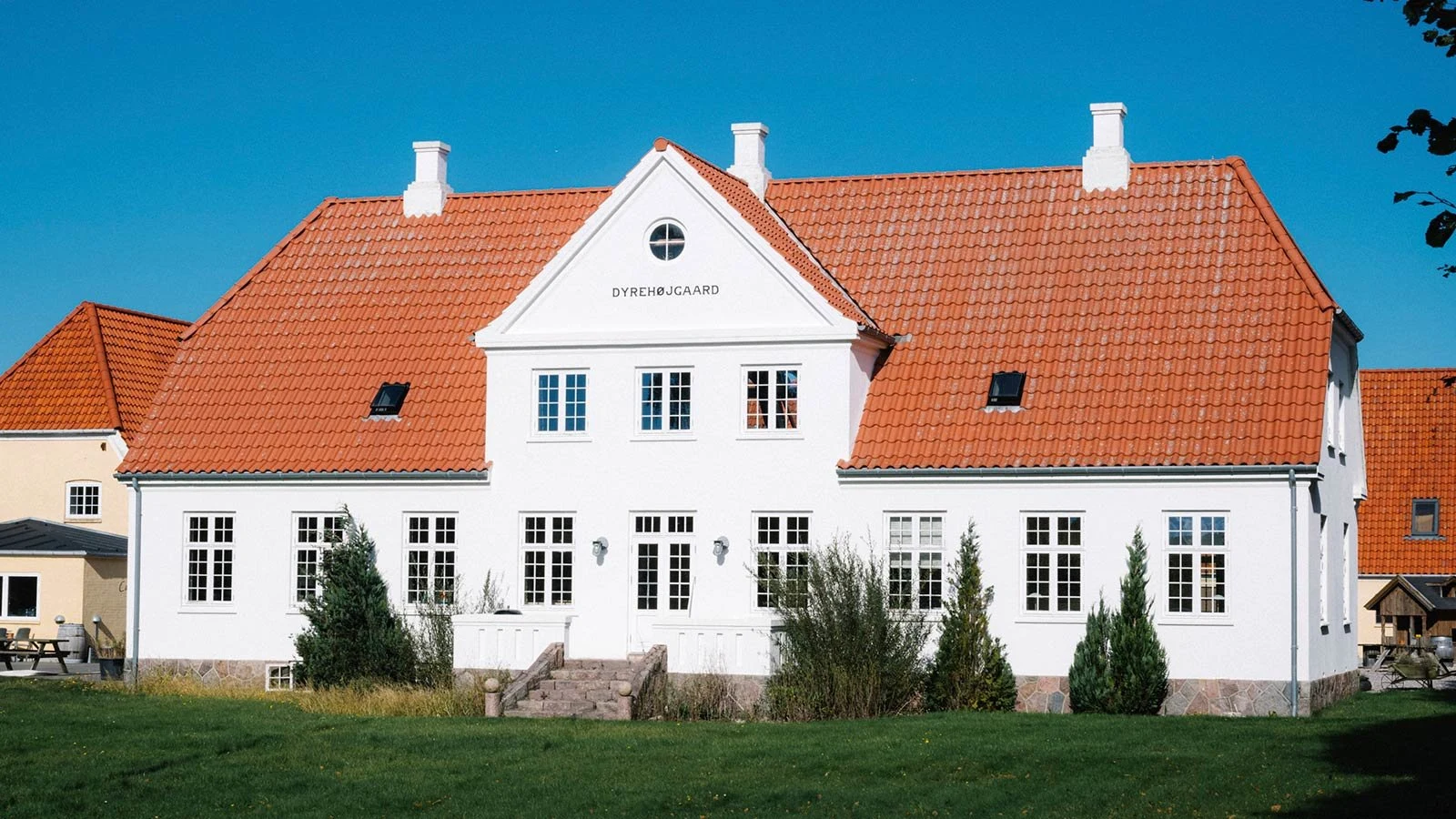
Dyrehøj Vingård in Kalundborg is best understood as a scenic vineyard visit rather than a formal dining-room experience. The appeal is the setting: a large, sun-drenched coastal vineyard with open views across vines and water, a relaxed farm atmosphere, and a welcoming feel built around tastings, tours and events. For travelers planning time in Kalundborg, that combination makes the venue a useful stop when the goal is to be outdoors, learn a little about the place, and spend time in a rustic setting that feels lively without becoming stiff.
The most reliable way to describe the experience is simple: this is a coastal vineyard in Kalundborg with a guest-friendly rhythm. The draw is not a confirmed chef, a ranked restaurant score, a specific menu format or a documented list of wine styles. What is is the broader visitor experience: scenery, vineyard atmosphere, tastings, tours and events in a relaxed farm environment.
Kalundborg gives the visit its coastal vineyard character
The strongest feature at Dyrehøj Vingård is the sense of place. Guests can expect a bright, open vineyard setting where the view over vines and water is central to the visit. That makes the venue feel different from a city wine bar or a conventional restaurant: the atmosphere comes from being on the land, moving through a working vineyard environment, and taking in the coastal scenery around Kalundborg.
Specific grape varieties, production volumes, vineyard size, wine ranges, awards and bottle styles are not confirmed in the available data. The grounded description is broader but still useful: Dyrehøj Vingård is a scenic, rustic and welcoming vineyard destination where the surroundings matter as much as the glass.
That restraint is important for a premium guide. A vineyard can be worth visiting without needing an invented list of varieties, awards or precise production claims. Here, the reasons to go are the coastal light, views over vines and water, relaxed farm feel, and the chance to take part in tastings, tours or events. Those are enough to position Dyrehøj Vingård as a hidden-gem-style stop in Kalundborg for visitors who want a slower, rural experience.
The visit is built around scenery, tastings and tours
Dyrehøj Vingård is as a place where tastings, tours and events help shape the guest experience. That means the visit is best approached as an activity rather than simply a quick drink stop. The appeal is in spending time at the vineyard, taking in the landscape, and engaging with the venue in a way that feels relaxed and guest-friendly.
The atmosphere is informal and farm-like, with a cozy and lively quality rather than a highly polished or formal tone. It suits travelers who want a scenic break in Kalundborg, groups looking for a shared outing, or anyone curious about vineyard hospitality in a Danish coastal setting. The description does not support specific claims about seating numbers, tour languages, child policies, dog policies, reservation rules, picnic facilities, dining service, food pairings, takeout or delivery, so those details should be checked directly with the venue before planning around them.
Price is listed as $$, which places the venue in a moderate bracket within this guide’s shorthand. That does not confirm the cost of any particular tasting, tour, event or bottle; it simply gives a general price signal. Visitors should treat the exact spend as dependent on the experience they choose and confirm current offerings directly with Dyrehøj Vingård.
How it fits into a Kalundborg itinerary
Dyrehøj Vingård works well as a scenic anchor for a Kalundborg outing. It offers a different kind of stop from other local dining or drinks options because the vineyard setting is the point: open air, vines, water views and a relaxed farm atmosphere. For travelers who value setting and pace, that can make the visit feel more memorable than a purely indoor food or beverage stop.
It is also a good example of how a venue can be premium without being formal. The mood is rustic, cozy, lively and welcoming. That balance is useful for visitors who want something atmospheric but not intimidating: a place to enjoy the coastal surroundings, learn through a tasting or tour, and experience a guest-friendly vineyard environment in Kalundborg.
Because no other named peer venue is for comparison here, the fairest comparison is general rather than specific. Other dining and drinks stops in Kalundborg may serve different needs, but Dyrehøj Vingård’s distinctive role is as a coastal vineyard experience. Build the rest of the day around that: allow time for the setting, confirm any current tasting, tour or event details directly, and treat the visit as a relaxed countryside pause rather than a guaranteed restaurant-style service.
Questions
Frequently asked
How expensive is Dyrehøj Vingård?
Dyrehøj Vingård is listed at a price level of $$.
The field
How it compares
| Place | Notes | Awards |
|---|---|---|
| Dyrehøj Vingård | Røsnæs, $$ | · |
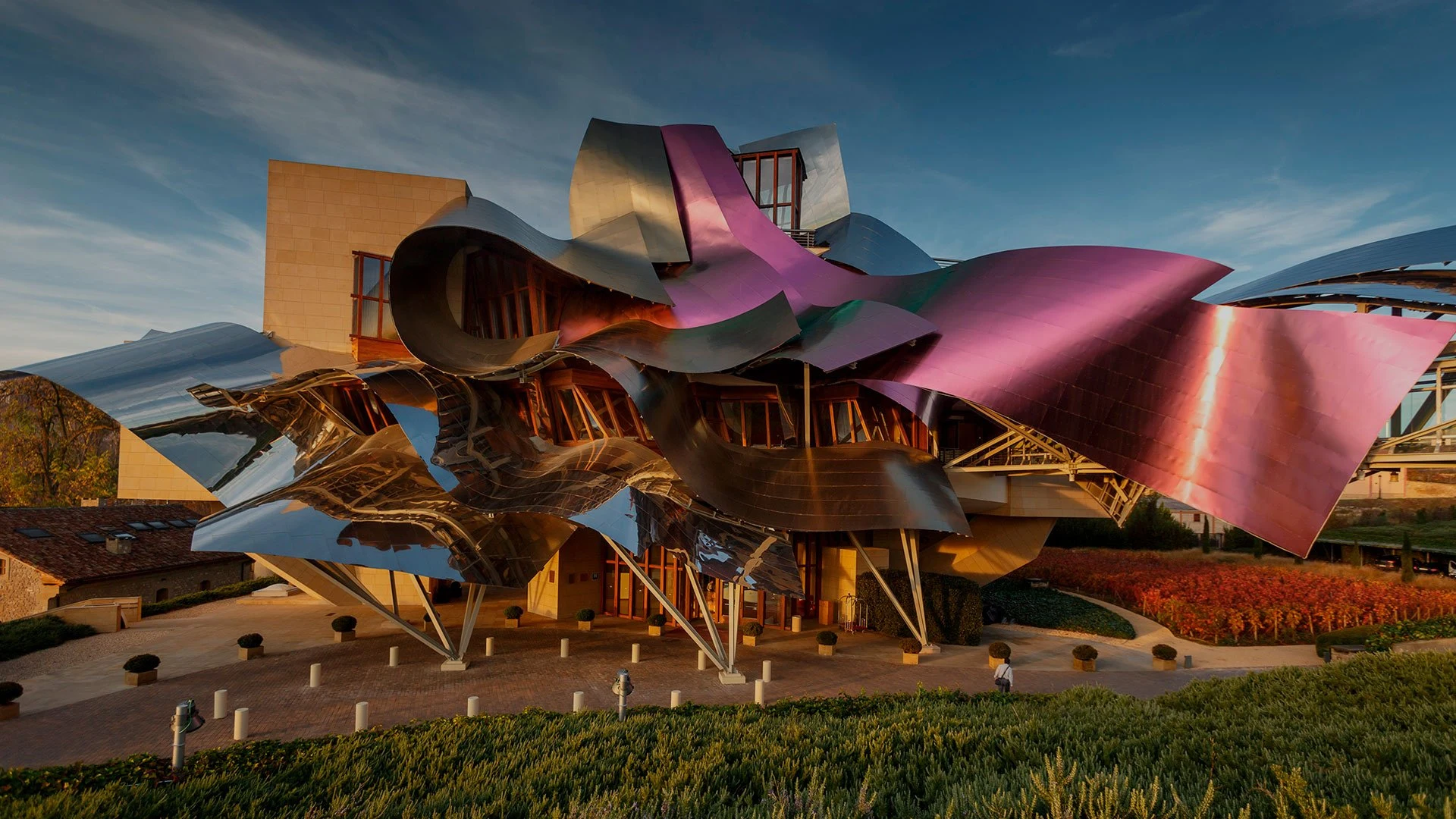
| Bodegas de los Herederos del Marqués de Riscal | Elciego | World's 50 Best |
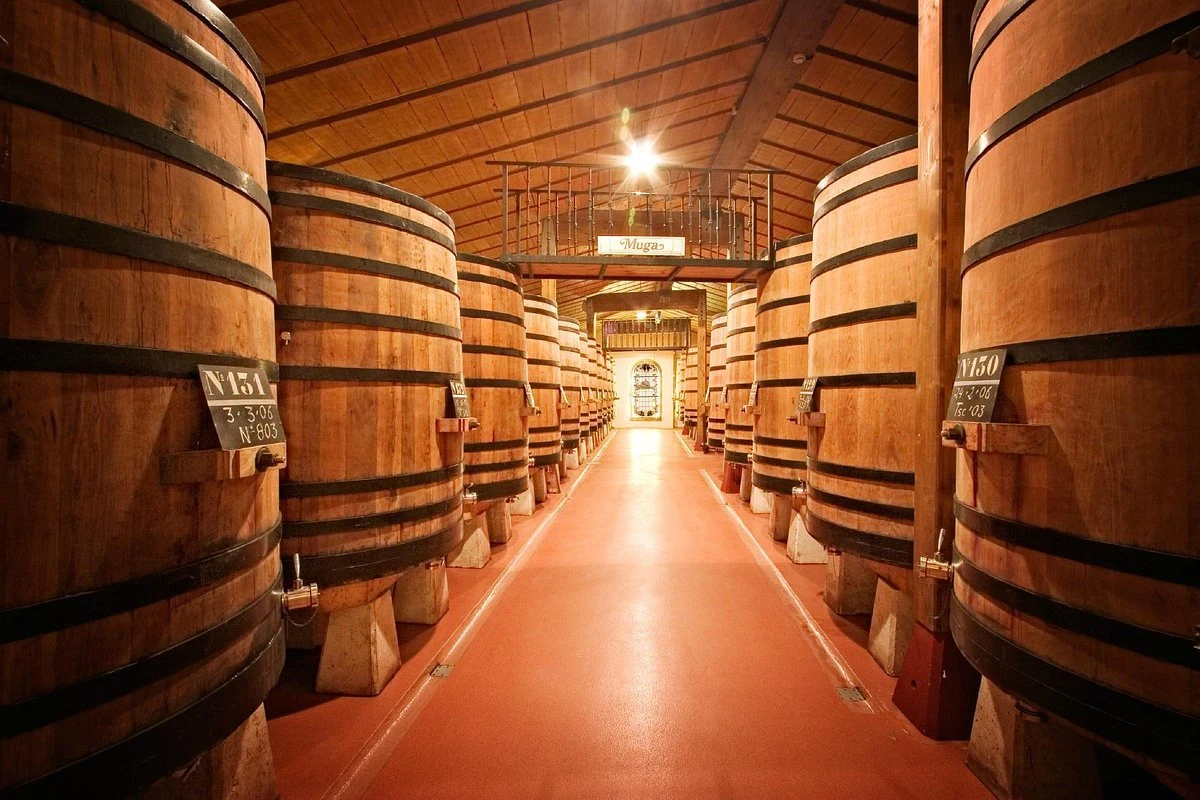
| Bodegas Muga | Haro | World's 50 Best |
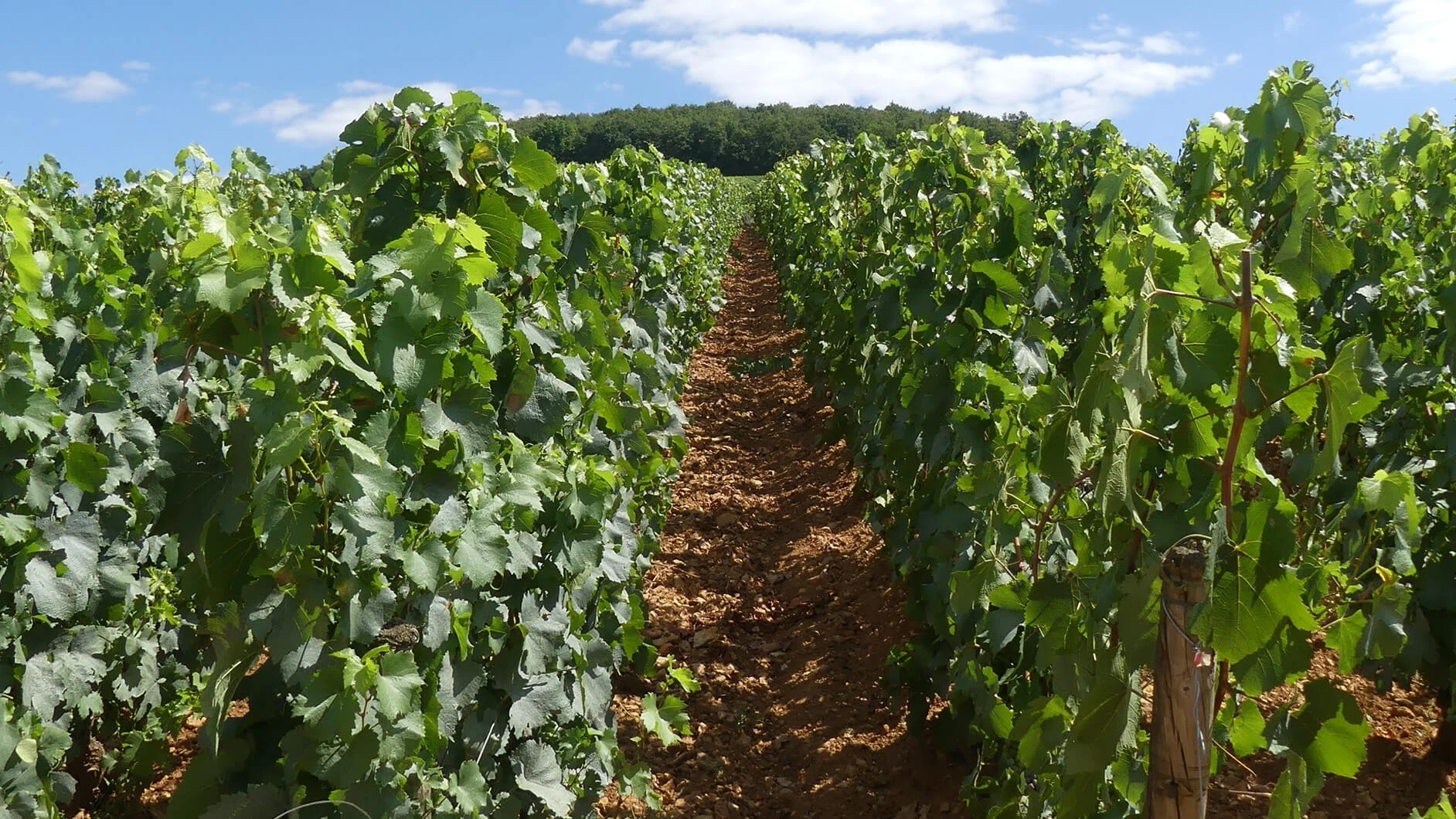
| Domaine Bonneau du Martray | Pernand-Vergelesses | · |
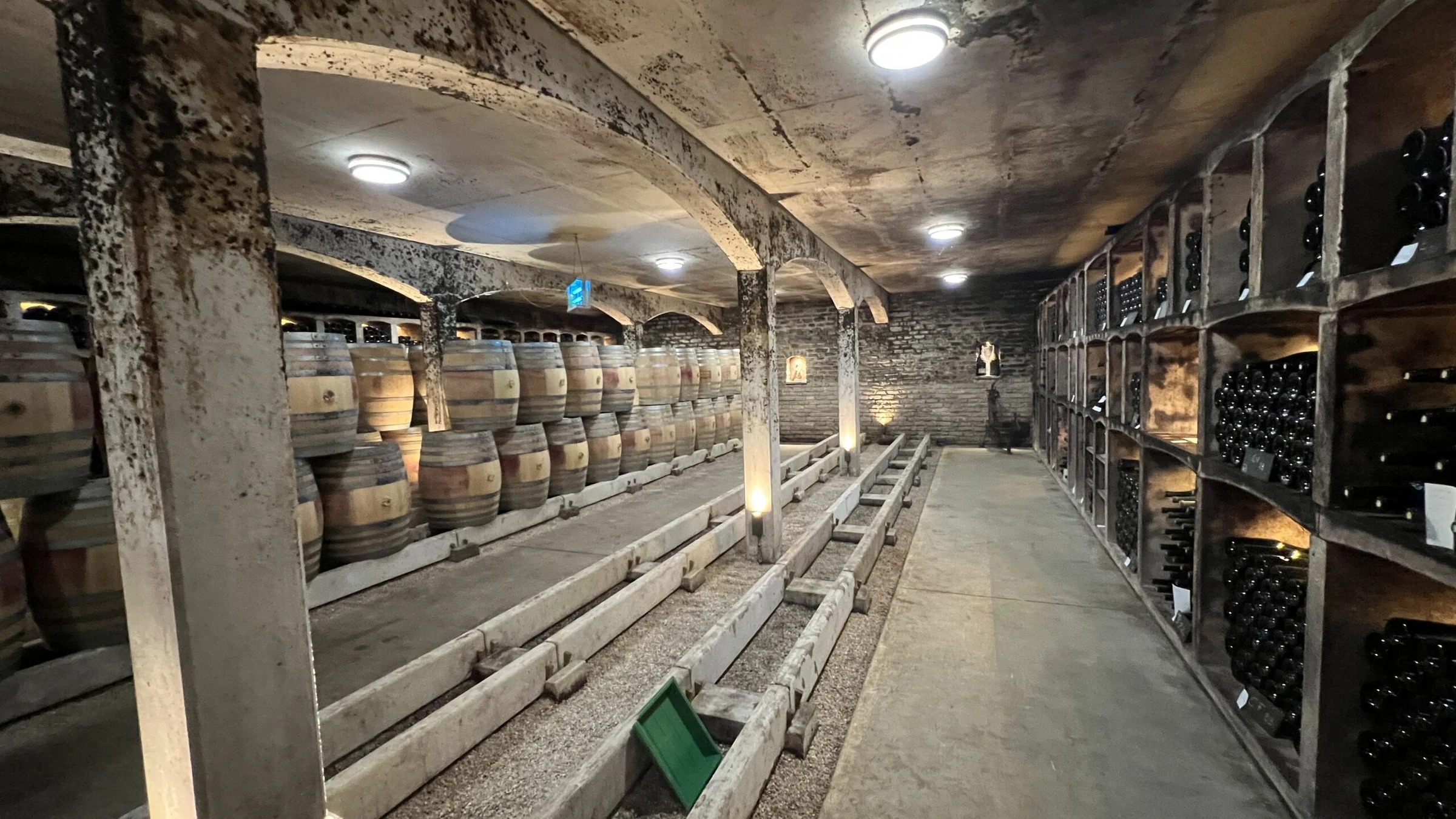
| Domaine Georges Mugneret-Gibourg | Vosne-Romanée | · |
| Domaine Leflaive | Puligny-Montrachet | · |
| Domaine Méo-Camuzet | Vosne-Romanée | · |