
Chef in Residence
Eduardo Torres Acosta
Winemaker
Eduardo Torres Acosta, winemaker at Eduardo Torres Acosta in Castiglione di Sicilia, works old north-slope Etna vines from a garage cellar.
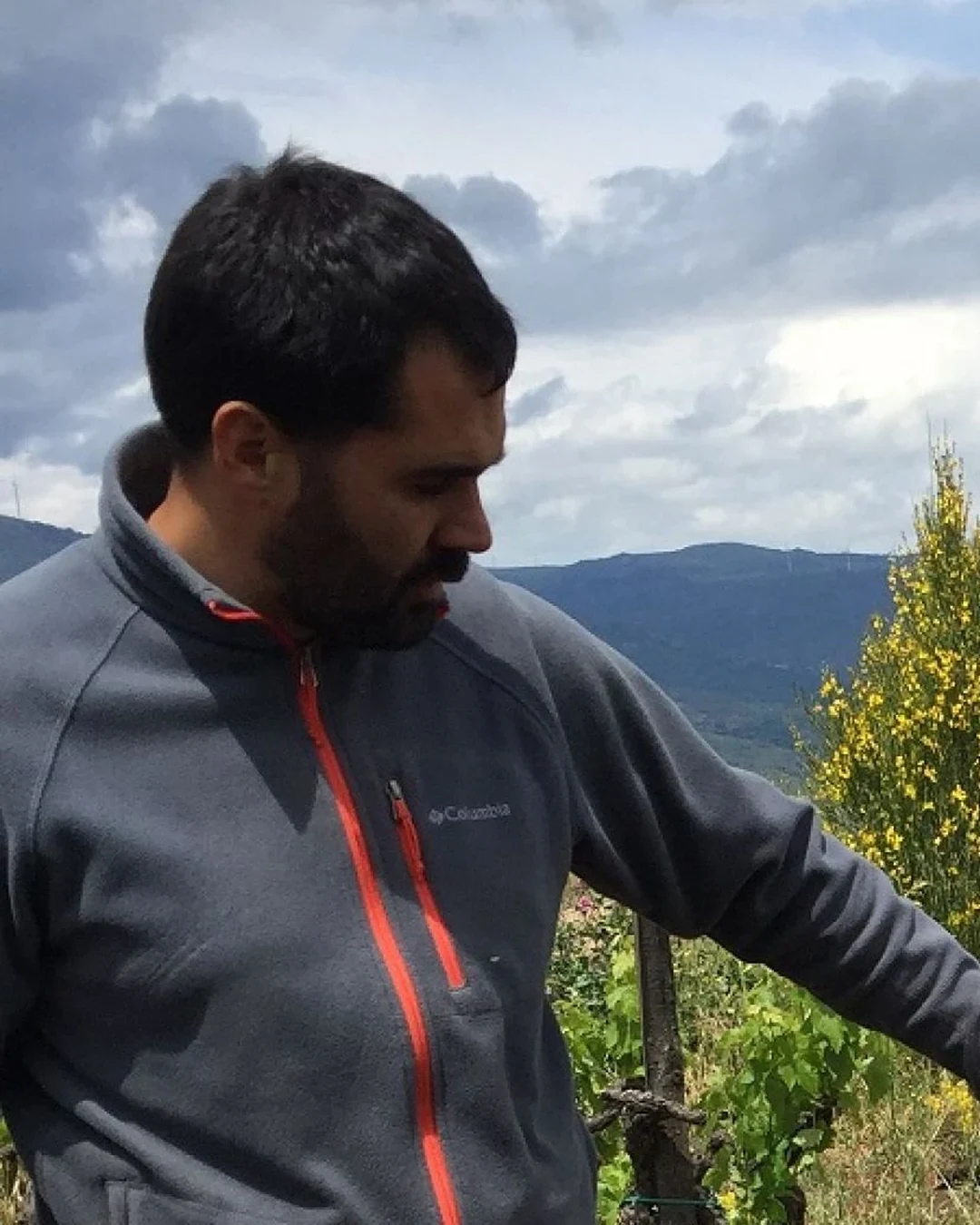
Vines are read parcel by parcel before Eduardo Torres Acosta, winemaker at Eduardo Torres Acosta in Castiglione di Sicilia, brings the fruit back to his garage cellar near Passopisciaro. His station is Etna’s cooler north-facing slope, where he works small holdings of old vines rooted in volcanic ash and sand. The estate began in 2014, after his move through Sicilian cellars: first as an intern at Azienda Arianna Occhipinti in 2012, then as enologist at Passopisciaro. That sequence matters here because the work asks for the kind of patience that comes from comparing sites, not from imposing a house style.
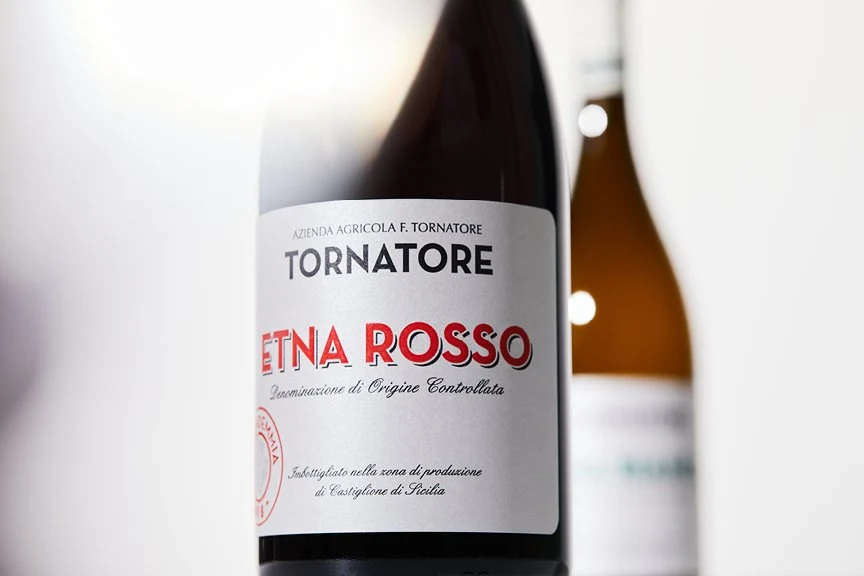
Torres Acosta was born in Tenerife, and the project still carries that outsider’s discipline: close observation, limited scale, and a refusal to let classification tidy the wines too much. He keeps the bottlings under Terre Siciliane IGT, a practical decision that leaves room for the mixed plantings and the particular language of each contrada. The named wines, Versante Nord, Pirrera, Quota N, and Versante Est Bianco, are not decorative labels. They are the map of the work, each one tied to exposure, stone, altitude, and the restraint he looks for in the glass.
The estate works about 4.5 to 5 hectares across multiple north-slope contrade, with vineyards planted to Nerello Mascalese, Nerello Cappuccio, Alicante, Garnacha, Minella, Carricante, Catarratto, Grecanico, and Inzolia. Some parcels hold the old Etna habit of red and white varieties growing together, a vineyard logic that belongs to the place before it belongs to the cellar. The farming is organic, centered on vine work rather than correction after harvest.
In the cellar, the method stays deliberately quiet. Fermentations are associated with native yeasts and neutral vessels such as concrete and older wood, so the hand of the barrel does not overtake the hand of the vineyard. Versante Nord red is built around Nerello Mascalese with other local varieties, while Versante Est Bianco draws the eye to the white side of the program. His own description of learning from hard soils, granite, schist, gneiss, before direct-pressing Riesling speaks to the same habit at Etna: taste first, then decide.
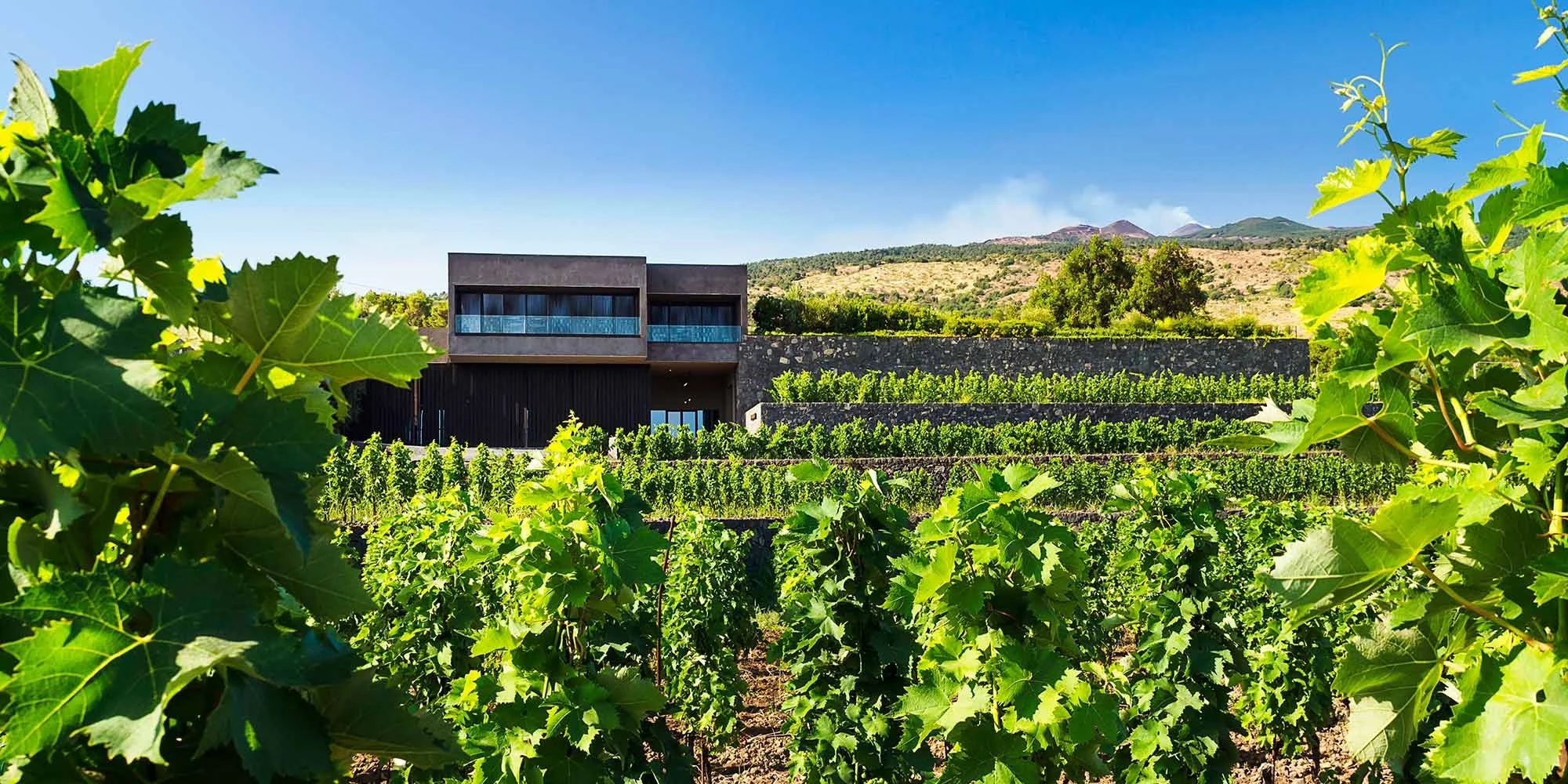
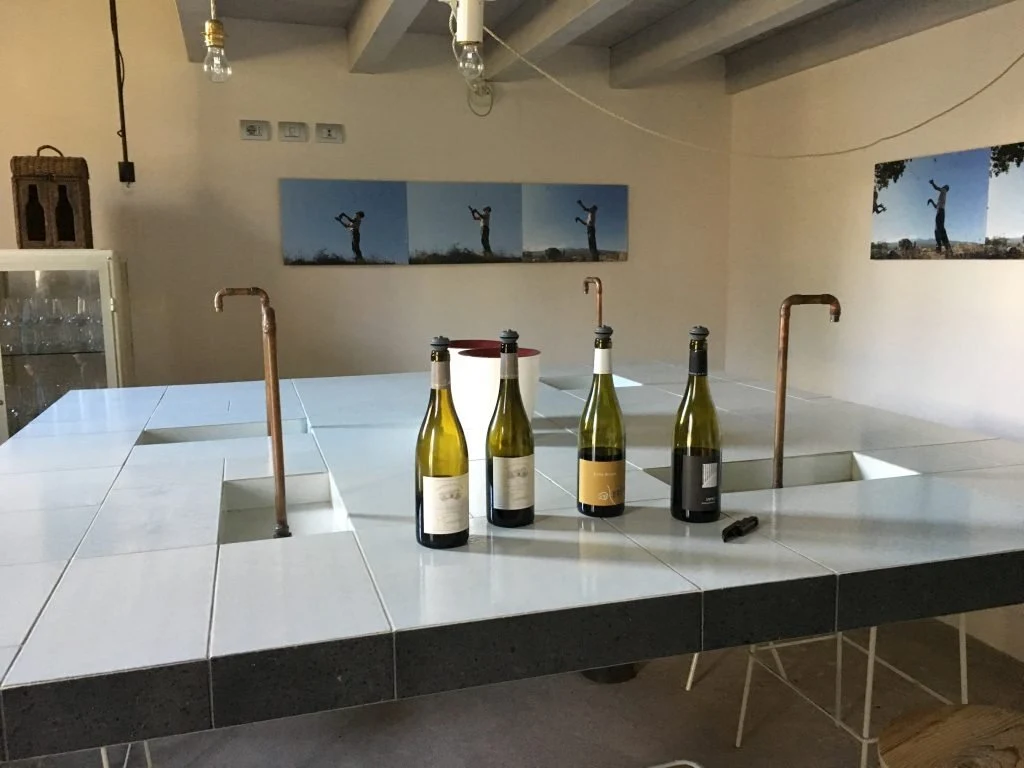
The place is modest by design: a converted garage winery, vineyard equipment close at hand, and no polished visitor architecture trying to compete with the mountain. The work happens around Passopisciaro, on the north side of Mount Etna, where black sand, ash, and older lava give the vineyard a dry, granular feel underfoot. The cellar is quiet because the scale is quiet. Fruit comes in from small parcels; tanks and older barrels hold the line; the tasting room, when the wines are poured, sits close to the labor that made them.
That nearness gives the wines their context. Versante Nord reads as a slope before it reads as a brand, and Pirrera carries the memory of volcanic stone in its name. If the project has a next movement, it is not a launch or a spectacle. It is the continued sorting of Etna’s north face into bottles like Quota N and Versante Est Bianco.
Castiglione di Sicilia, Catania, Italien
Passopisciaro