- Macarfi 7.5 Food Rating · 2026
- Michelin Plate · 2026
A Courtyard Table in Salamanca: What El Patio de Claudio Tells You About Madrid's Mid-Register Dining
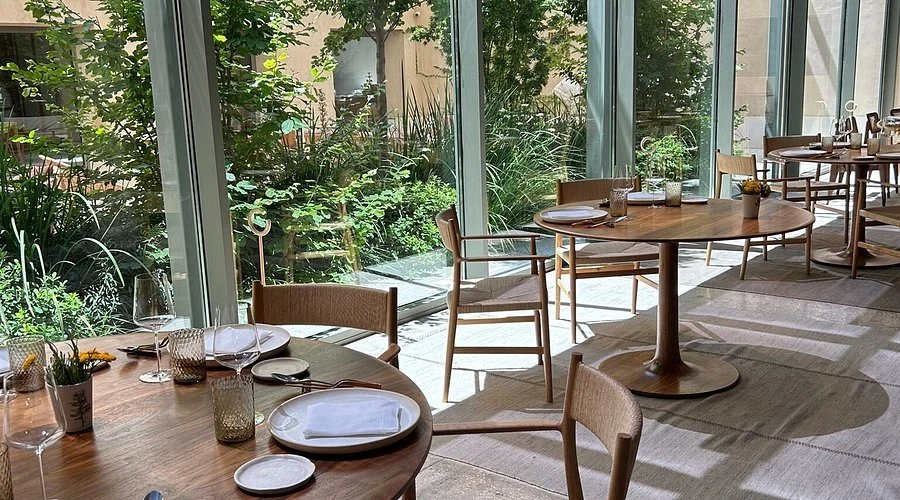
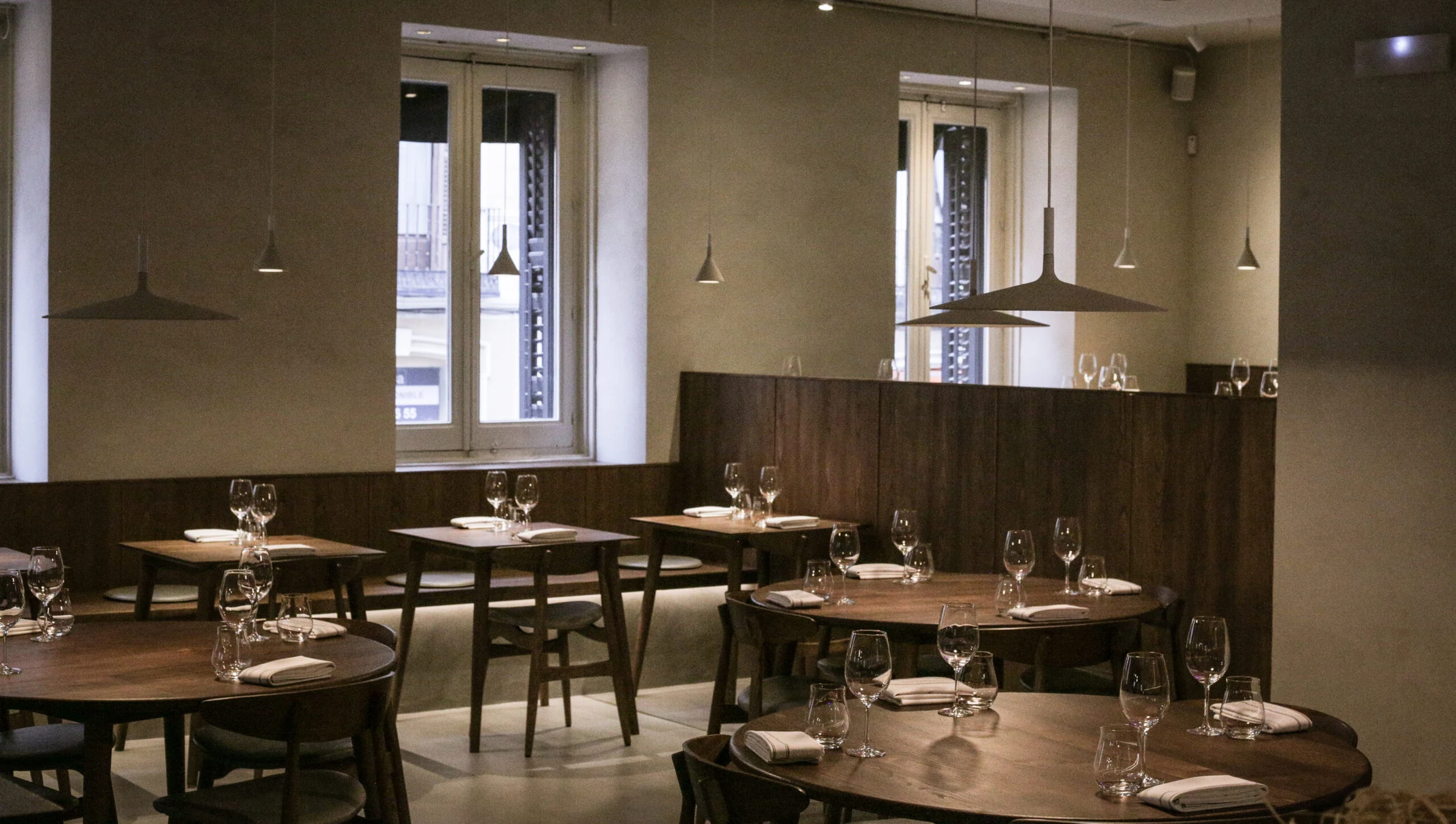
The Salamanca district has a clear identity: wide, tree-lined streets, the density of designer storefronts along Serrano and Ortega y Gasset, and a residential population that spends accordingly. Restaurants here tend to reflect that demographic, favouring polished interiors, reliable technique, and menus that reward regulars rather than chase trends. El Patio de Claudio is a restaurant in Madrid's Salamanca district, at Hotel Único Madrid on Calle de Claudio Coello. The bistro-style room opens onto a courtyard terrace that gives the space its name and much of its seasonal character. On a mild Madrid evening, when the city's outdoor dining culture comes into its own between late April and October, the terrace functions as the primary draw.
Mediterranean Grounding in a City That Has Moved Decisively Upmarket
Madrid's high-end restaurant scene has consolidated around a cluster of tasting-menu formats that sit well above the bistro register. DiverXO operates at three Michelin stars with a progressive Asian-inflected format and pricing to match. Coque, Deessa, and Paco Roncero each hold two stars, with menus that require commitment in both time and budget. DSTAgE adds another two-star option in the creative Spanish category. These are destination restaurants in the strict sense: you plan the evening around them.
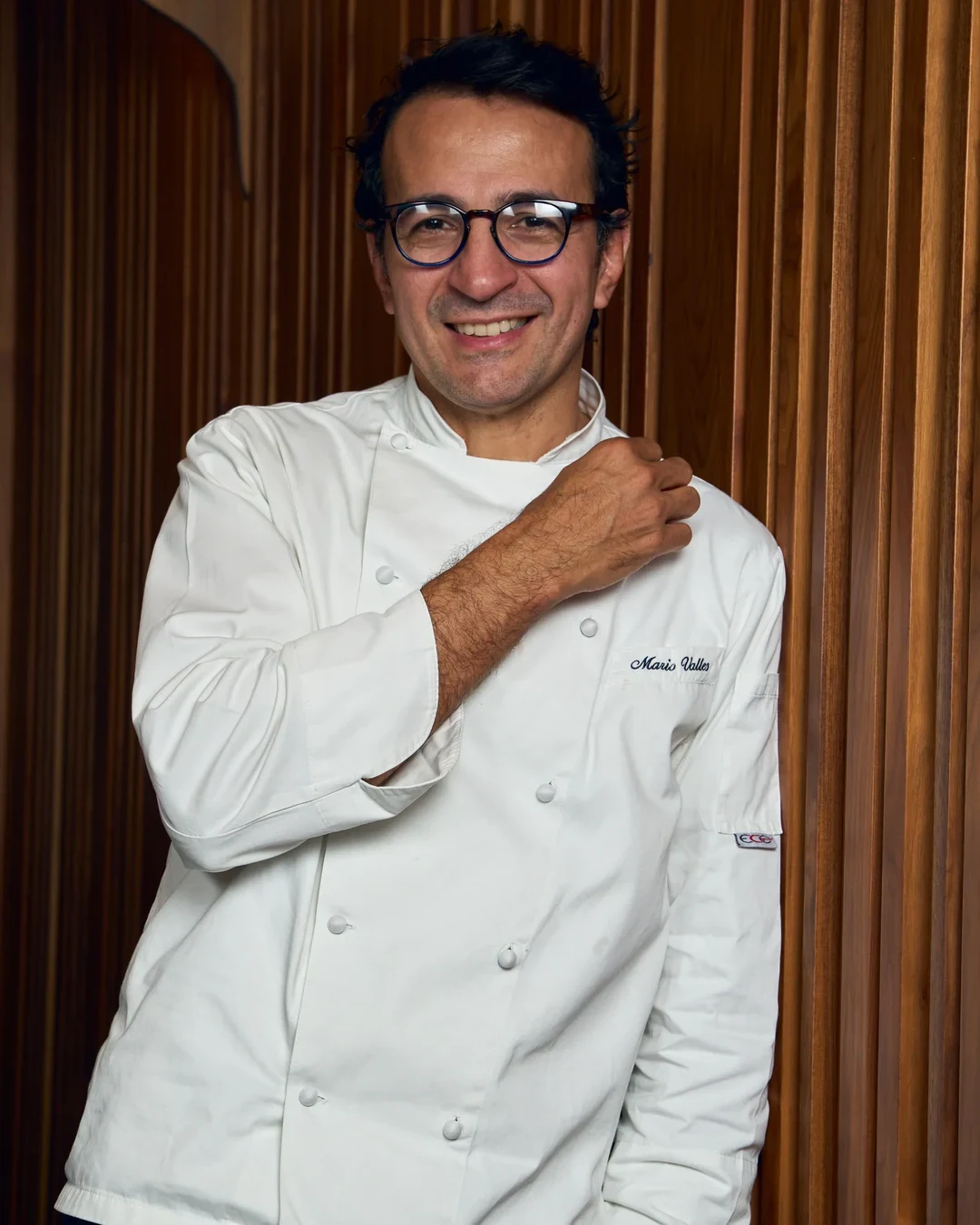
El Patio de Claudio does not compete in that tier. What it offers instead is the kind of cooking that Spain has always done better than most countries: produce-led, Mediterranean in orientation, structured around sharing rather than spectacle. Chef Mario Valles works an à la carte that draws on traditional Spanish foundations while allowing occasional international references to enter the mix. Grilled brown crab with avocado and chilli pepper, Cornish hen, and a candied lemon with citrus ganache for dessert suggest a kitchen comfortable spanning registers, from the straightforwardly Spanish to preparations that nod toward broader European bistro conventions. The tapas and sharing format aligns the room with how Madrid actually eats, outside of the tasting-menu circuit.
The Cultural Logic of the Spanish Bistro
It is worth pausing on what the bistro format means in a Spanish context, because it differs from its French counterpart in important ways. The Spanish tradition of compartir, eating communally across multiple small dishes, long predates the contemporary sharing-plates trend that swept London and New York restaurant culture over the past decade. At El Patio de Claudio, an à la carte that integrates tapas-style options alongside more composed plates is not a concession to fashion but a reflection of how this register of Spanish hospitality has always operated. You order more than you think you need, the table fills, and the meal unfolds laterally rather than in the rigid sequence of a tasting menu.
Mediterranean flavour, as a culinary designation, points toward olive oil over butter, acid over cream, and the primacy of the primary ingredient rather than the sauce. Valles's menu, as described, follows that logic. The brown crab preparation, for instance, relies on the quality of the crab itself, with avocado and chilli providing contrast rather than masking the product. This is cooking that sits in a long tradition running from Catalonia through Valencia and into Andalusia, adapted for a Madrid dining room that serves an international hotel clientele alongside Salamanca locals.
For context beyond Madrid, Spain's Mediterranean cooking tradition is represented at its most technically sophisticated by restaurants like Cocina Hermanos Torres in Barcelona and El Celler de Can Roca in Girona. In the Basque Country, where Spanish fine dining has its deepest institutional roots, Arzak and Martin Berasategui represent the most documented lineages. Azurmendi in Larrabetzu and Aponiente in El Puerto de Santa María push further into avant-garde territory. El Patio de Claudio shares a cultural tradition with all of these but operates at a register defined by accessibility rather than ambition for its own sake.
The Hotel-Restaurant Dynamic
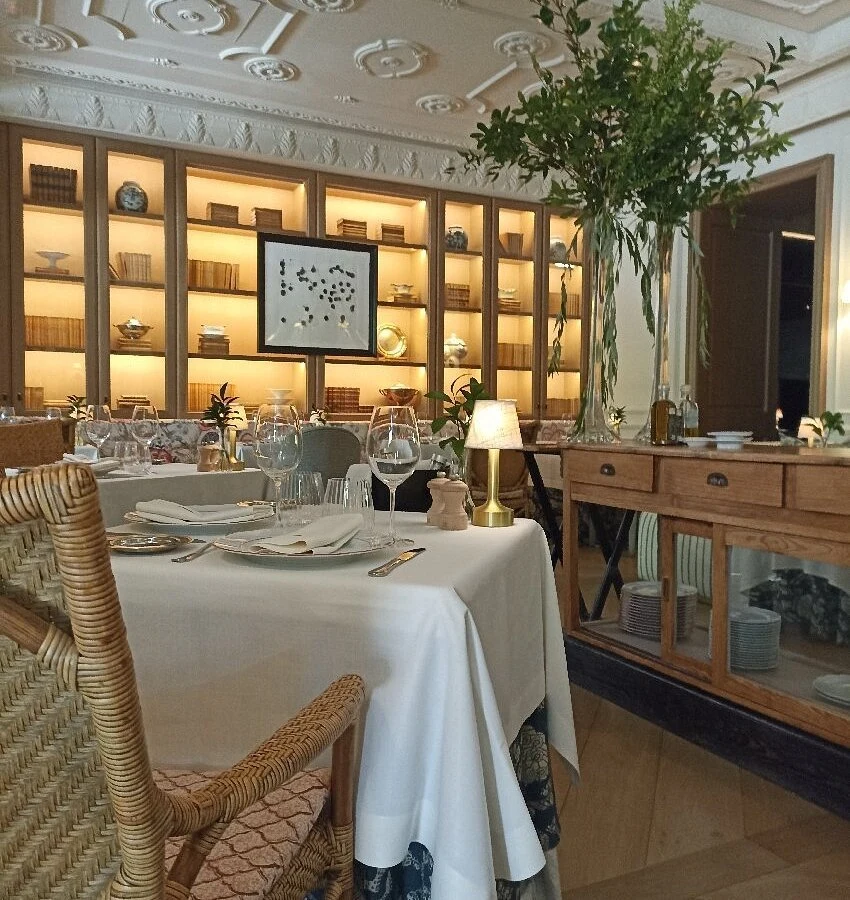
Restaurants embedded in boutique hotels occupy a specific position in any city's dining map. They serve a captive audience of hotel guests, which creates pressure toward reliability and breadth rather than focus and risk-taking. The better hotel restaurants resolve this tension by finding a tone and format that works for both the non-resident diner who chooses the room deliberately and the guest who simply wants a good meal without leaving the building. Hotel Único Madrid, a property that occupies a renovated palace-style building, positions itself in the boutique luxury segment of Madrid's accommodation market, which shapes the expectation for El Patio de Claudio accordingly.
The classically furnished interior and courtyard terrace are physical assets that many standalone restaurants in Salamanca would struggle to match. A renovated historic interior in this neighbourhood carries architectural weight that influences how a meal feels, regardless of what arrives on the plate. For visitors using the hotel as a base, the room provides a coherent extension of that experience. For non-residents, the draw is primarily the terrace in warmer months and the bistro-format menu in cooler ones.
For reference points outside Spain, Le Bernardin in New York City and Atomix in New York City illustrate what the upper end of the bistro-to-tasting-menu spectrum looks like in a comparable metropolitan context.
Know Before You Go
Questions Readers Ask
Would El Patio de Claudio be comfortable with kids?The bistro format and sharing-plate structure make the meal more flexible than a tasting-menu room, and the courtyard setting in Salamanca is relaxed enough to accommodate families, particularly at earlier sittings.What is the vibe at El Patio de Claudio?Madrid's Salamanca district sets the register here: polished without being stiff, with a clientele that skews toward hotel guests and local residents rather than the destination-dining crowd that gravitates to the city's multi-star tasting-menu circuit. The courtyard terrace softens the formality of the renovated interior considerably.What dish is El Patio de Claudio known for?Chef Mario Valles's menu features grilled brown crab with avocado and chilli pepper as one of its more distinctive preparations, alongside a candied lemon with citrus ganache on the dessert side. The kitchen's Mediterranean orientation means the menu draws on produce quality rather than elaborate technique as its primary signal.Questions
Frequently asked
Who works at El Patio de Claudio?
Made By profiles Mario Valles (Chef) at El Patio de Claudio.
How expensive is El Patio de Claudio?
El Patio de Claudio is listed at a price level of $$$.
Where is El Patio de Claudio and what does it serve?
El Patio de Claudio is in Recoletos, Madrid, serving Spanish Bistro.
The field
How it compares
| Place | Cuisine | Notes | Awards |
|---|---|---|---|
| El Patio de Claudio | Spanish Bistro | Recoletos, $$$ | · |
| Coque | Modern Spanish Fine Dining | Madrid | Michelin 2 Stars |
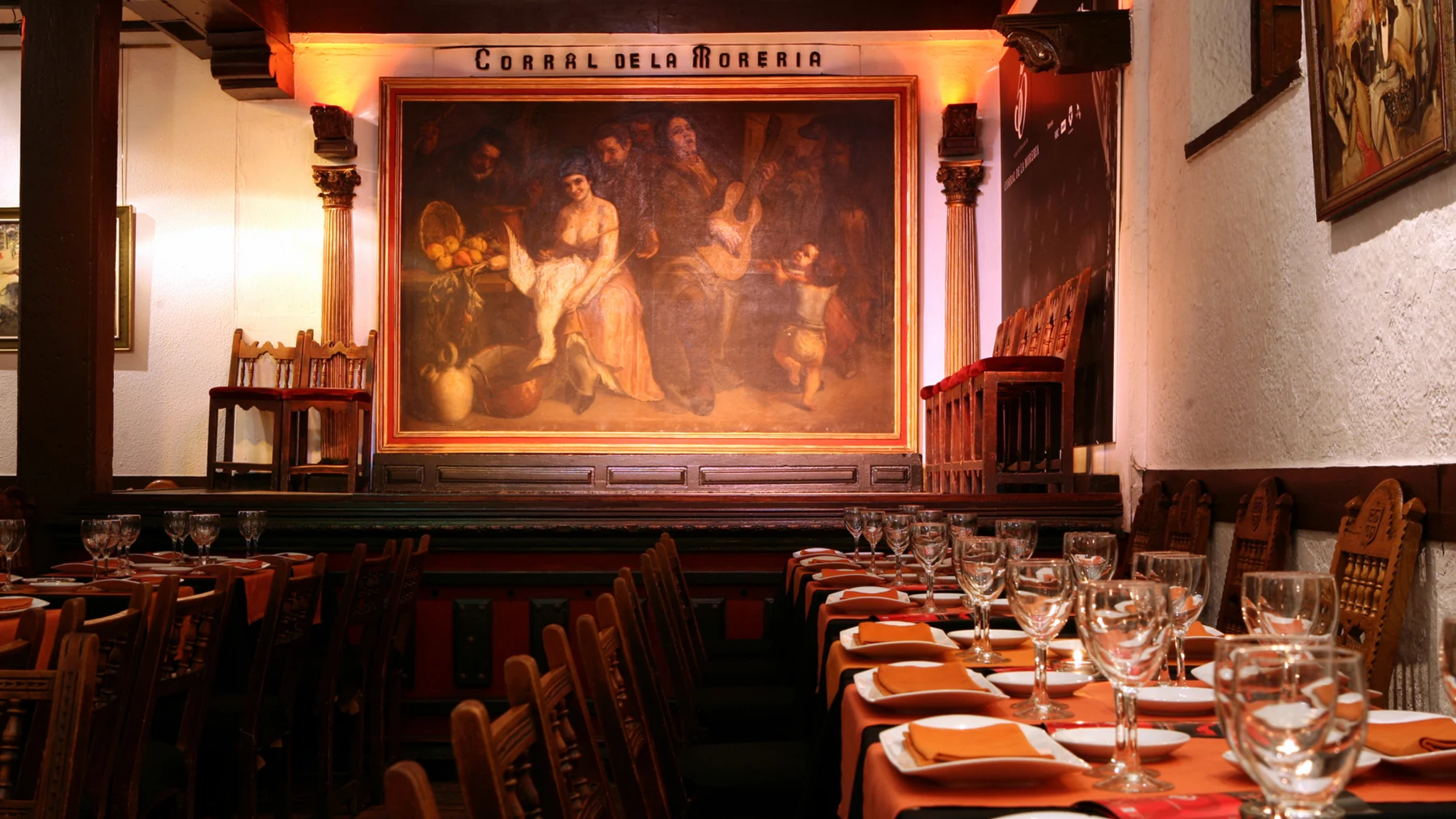
| Corral de la Morería | Modern Spanish Fine Dining with Flamenco | Madrid | Michelin 1 Star |
| Desde 1911 | Premium Seafood Fine Dining | Madrid | Michelin 1 Star |
| DiverXO | Avant-Garde Spanish Tasting Menu | Madrid | Michelin 3 Stars, World's 50 Best |
| DSTAgE | Avant-Garde Spanish Tasting Menus | Madrid | Michelin 2 Stars |
| Paco Roncero | Avant-Garde Spanish Fine Dining | Madrid | Michelin 2 Stars |
In residence
Similar places
Modern Spanish Fine Dining
Coque
Madrid, Spain
★★
Modern Spanish Fine Dining with Flamenco
Corral de la Morería
Madrid, Spain
★
Premium Seafood Fine Dining
Desde 1911
Madrid, Spain
★
Avant-Garde Spanish Tasting Menu
DiverXO
Madrid, Spain
★★★ · 50 Best
Avant-Garde Spanish Tasting Menus
DSTAgE
Madrid, Spain
★★
Avant-Garde Spanish Fine Dining
Paco Roncero
Madrid, Spain
★★