Made ByRestaurant
El Vagón de Beni
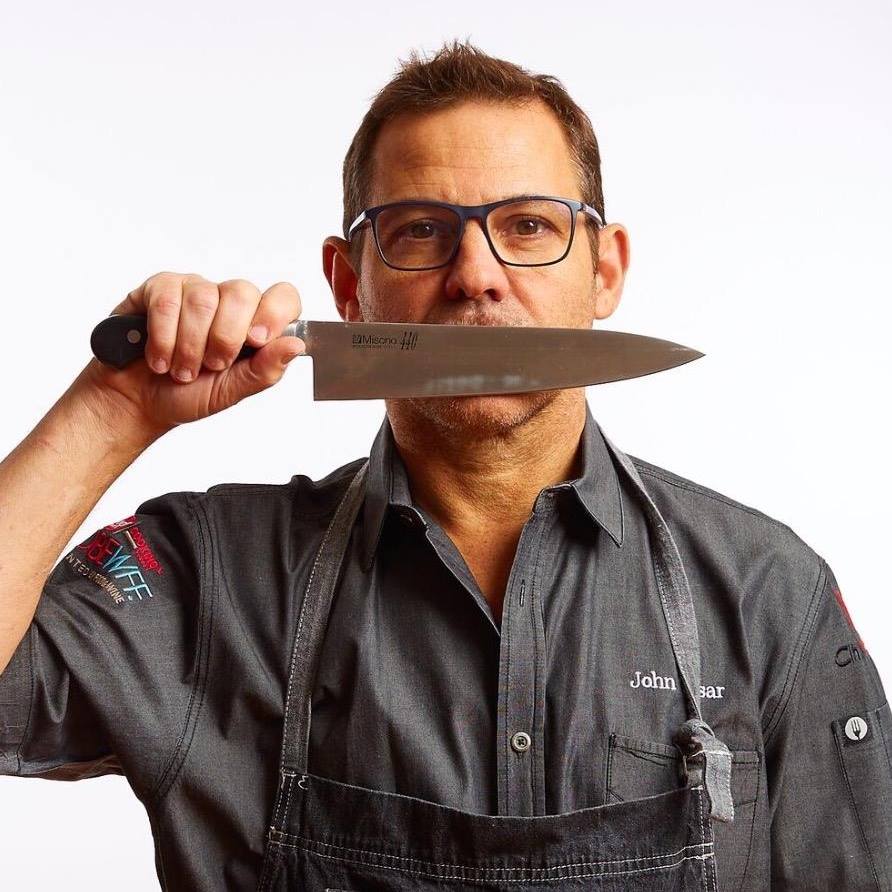
Chef in Residence
John Tesar
Chef
- 01CuisineUpdated Traditional Mediterranean
- 02CityHoyo de Manzanares, Spain
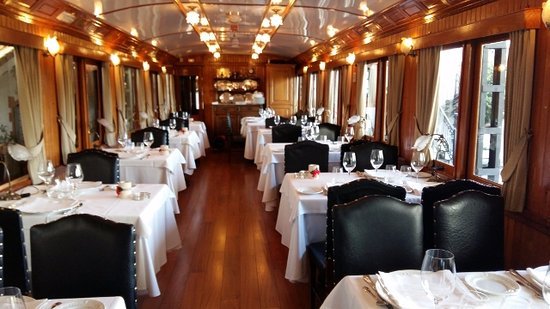
A Michelin Plate restaurant housed inside two restored vintage railway carriages on a working platform, El Vagón de Beni brings traditional Spanish cuisine into one of the most distinctive dining rooms in the Madrid sierra. Located steps from the Plaza Mayor in Hoyo de Manzanares, it offers à la carte and three distinct menus across a setting that spans Vagón 1931, the Alfonso XIII carriage, and open platform seating.
At a glance
- Cuisine
- Updated Traditional Mediterranean
- Price
- $$$$
- Per person
- $50
- Hours
- Mon: Closed; Tue: Closed; Wed: Closed; Thu: 1:30–5 PM; Fri: 1:30–5 PM, 8:30 PM–12 AM; Sat: 1:30–5:30 PM, 8:30 PM–12 AM; Sun: 1:30–5:30 PM
- Neighborhood
- Hoyo de Manzanares
- Rating
- 4.7 (1,873)
<h2>A Station That Never Left</h2><p>Dining rooms modelled on nostalgia tend to wear the concept lightly, a few vintage prints, perhaps some sepia tones. The sierra town of Hoyo de Manzanares, around 35 kilometres northwest of Madrid, is home to a more committed version. At El Vagón de Beni on Calle de San Macario, the dining room is not inspired by a railway station. It is one, or at least as close as a restaurant can get without track clearance. Two restored antique carriages, one dating to 1931 and another bearing the name of King Alfonso XIII, have been fitted as dining rooms, while tables extend onto what reads unmistakably as a platform. The effect is specific enough to suspend the usual scepticism about themed spaces: these are not replicas but recovered objects, and the weight of the real thing reads differently to the eye than any reproduction would.</p><p>The location, a few steps from the Plaza Mayor in the centre of Hoyo de Manzanares, places the restaurant in a town that Madrid residents have long used as a weekend destination, part of a sierra corridor that stretches through Collado Villalba and Cercedilla. That geographic context matters. This is not a city restaurant with rural pretensions; it is a genuinely local institution in a mountain town, drawing both regulars and visitors who make the drive specifically for the setting and the food. With a Google rating of 4.7 across 1,873 reviews, the volume of consistent positive response suggests a dining experience that holds up across many visits and different occasions, not merely a novelty that impresses once.</p><h2>Traditional Roots, Contemporary Framing</h2><p>The culinary tradition that El Vagón de Beni works within is the Madrid sierra version of central Spanish cooking: roast meats, seasonal produce from the meseta, techniques inherited from village kitchens that have been feeding this region for centuries. What the kitchen does with that tradition sits closer to respectful reinterpretation than either rigid preservation or sharp departure. Recognition from Michelin places it in the guide's category for restaurants that demonstrate good cooking without reaching for the star tier. That is a meaningful distinction. The Plate is not a consolation; it is a confirmation that the food is worth seeking out, evaluated against standards applied across the whole of Spain's restaurant scene.</p><p>That scene is, by any measure, one of the most competitive in the world. Spain's three-starred restaurants include <a href="https://www.enprimeurclub.com/restaurants/diverxo-madrid-restaurant">DiverXO in Madrid</a>, <a href="https://www.enprimeurclub.com/restaurants/arzak-san-sebastian-restaurant">Arzak in San Sebastián</a>, <a href="https://www.enprimeurclub.com/restaurants/azurmendi-larrabetzu-restaurant">Azurmendi in Larrabetzu</a>, <a href="https://www.enprimeurclub.com/restaurants/el-celler-de-can-roca-girona-restaurant">El Celler de Can Roca in Girona</a>, <a href="https://www.enprimeurclub.com/restaurants/aponiente-el-puerto-de-santa-maria-restaurant">Aponiente in El Puerto de Santa María</a>, <a href="https://www.enprimeurclub.com/restaurants/cocina-hermanos-torres-barcelona-restaurant">Cocina Hermanos Torres in Barcelona</a>, <a href="https://www.enprimeurclub.com/restaurants/martin-berasategui-lasarte-oria-restaurant">Martin Berasategui in Lasarte - Oria</a>, <a href="https://www.enprimeurclub.com/restaurants/mugaritz-errenteria-restaurant">Mugaritz in Errenteria</a>, <a href="https://www.enprimeurclub.com/restaurants/quique-dacosta-denia-restaurant">Quique Dacosta in Dénia</a>, <a href="https://www.enprimeurclub.com/restaurants/ricard-camarena-valencia-restaurant">Ricard Camarena in València</a>, and <a href="https://www.enprimeurclub.com/restaurants/atrio-caceres-restaurant">Atrio in Cáceres</a>. El Vagón de Beni does not operate in that register and does not pretend to. It sits in the mid-price tier (€€) and competes on an entirely different axis: a specific physical experience, reliable traditional cooking, and a setting that no amount of money spent on a tasting menu can replicate. The comparison worth drawing is less with Madrid's vanguard kitchens and more with other regional restaurants working inside strong traditions, such as Auberge Grand'Maison in Mûr-de-Bretagne or <a href="https://www.enprimeurclub.com/restaurants/auga-gijon-restaurant">Auga in Gijón</a>, where the value is in cooking that takes a tradition seriously rather than transcending it.</p><h2>The Menu Structure</h2><p>The kitchen runs three formats alongside an à la carte selection. The Ejecutivo menu is a lunchtime-only option available Tuesday through Friday, structured for a working-week pace. The Gastronómico menu sits at the mid-tier of the offering, and the Degustación format represents the most extended version of what the kitchen wants to show. The presence of three distinct menus at this price point reflects a kitchen that has thought carefully about different kinds of visits rather than defaulting to a single format. For a first visit, the à la carte gives the broadest read of the kitchen's range; for a deliberate dining occasion, the Degustación is the clearer choice.</p><h2>The Setting in Detail</h2><p>The two carriages, Vagón 1931 and Vagón Alfonso XIII, are not interchangeable atmospherically. The 1931 car represents interwar rail travel, a period when Spanish train design was functional and austere in its own particular way. The Alfonso XIII carriage references an earlier, more ceremonial era of rail, associated with a monarch whose reign ended with the Spanish Republic. Together they span roughly three decades of railway history, and sitting inside one or the other is not just a novelty but a small exercise in comparative design history. The platform seating extends the space outdoors and changes the experience entirely: more air, more context, more awareness of the building that surrounds the carriages. Season and weather will determine which of these three zones is most comfortable at any given visit.</p><p>Restaurant's position a few steps from the Plaza Mayor keeps it embedded in the town rather than isolated as a destination-only venue. That is a meaningful design choice. Restaurants that position themselves at a remove from their communities tend to drift toward a performative version of local identity; those that remain in the centre of a small town have to remain useful to actual local life. The mix of tourists making the drive from Madrid and Hoyo de Manzanares residents returning for a weekday lunch suggests El Vagón de Beni manages both audiences without compromising either.</p><h2>Planning a Visit</h2><p>El Vagón de Beni sits at Calle de San Macario 6, 28240 Hoyo de Manzanares, in the centre of town close to the Plaza Mayor. The price point is around $50 per person, making it accessible for a mid-week lunch or a relaxed weekend dinner. The Ejecutivo menu runs Tuesday to Friday at lunchtime only, so timing matters if that format is the draw. For evening visits or weekend lunches, the Gastronómico and Degustación menus, plus the full à la carte, are the relevant options. Given the consistent volume of reviews, booking ahead for weekend sittings is advisable, particularly if platform seating or a specific carriage is a priority.</p><p></p>
Know before you go
- Dress code
- smart_casual
- Reservations
- recommended
- Parking
- on_site_lot
- Payment
- credit_card
- Outdoor seating
- Yes
- Children
- Welcomed
Frequently asked
Is El Vagón de Beni suitable for children?
The railway carriage format — with its visual specificity and tangible period detail — tends to engage younger guests more readily than a conventional dining room. The €€ pricing and central Hoyo de Manzanares location make it a reasonable family option. The à la carte provides flexibility if the set menus do not suit a mixed group.
What kind of setting is El Vagón de Beni?
El Vagón de Beni occupies two restored antique railway carriages — Vagón 1931 and Vagón Alfonso XIII — alongside platform-style outdoor tables in the centre of Hoyo de Manzanares, close to the Plaza Mayor. The carriages are atmospherically distinct: one references interwar rail travel, the other the Alfonsine era. Michelin has awarded the restaurant a Plate in both 2024 and 2025, recognising the kitchen alongside a setting that goes well beyond decorative nostalgia.
What's El Vagón de Beni known for in terms of accolades?
El Vagón de Beni has received recognition including: Your imagination will carry you back in time in this charming restaurant, located in the centre of Hoyo de Manzanares just a few steps from the Plaza Mayor, where it recreates the ambience of an old railway station complete with beautiful v….
What should I order at El Vagón de Beni?
The kitchen works within the Madrid sierra tradition of central Spanish cooking, updated with contemporary technique. Three formats run alongside the à la carte: the weekday-only Ejecutivo lunch menu, the Gastronómico, and the Degustación tasting option, which gives the fullest picture of what the kitchen does across multiple courses. The Ejecutivo is the practical choice for a midweek lunch at the €€ price point; the Degustación suits anyone who wants to follow the seasonal produce logic of the menu from start to finish.
What's the price range at El Vagón de Beni?
Pricing at El Vagón de Beni is listed as €€.
Address
C. de San Macario, 6, 28240 Hoyo de Manzanares, Madrid, Spain
Hoyo de Manzanares
How it compares
- Cuisine
- Updated Traditional Mediterranean
- Price
- $$$$
- Awards
- Michelin Plate
- Notes
- Hoyo de Manzanares
- Cuisine
- Pizza and Traditional Spanish
- Price
- $$
- Awards
- —
- Notes
- Hoyo de Manzanares
- Cuisine
- Mediterranean Grill & Rice
- Price
- $$$
- Awards
- Michelin Plate
- Notes
- Palacio
- Cuisine
- Modern Spanish Asador
- Price
- $$$$
- Awards
- Michelin Plate
- Notes
- Barrio de las Letras
- Cuisine
- Modern Asian Fusion
- Price
- $$$$
- Awards
- Michelin Plate
- Notes
- Sol
- Cuisine
- Mediterranean & International Classics with Live Entertainment
- Price
- $$$$
- Awards
- —
- Notes
- Cuatro Caminos
In residence
Similar places
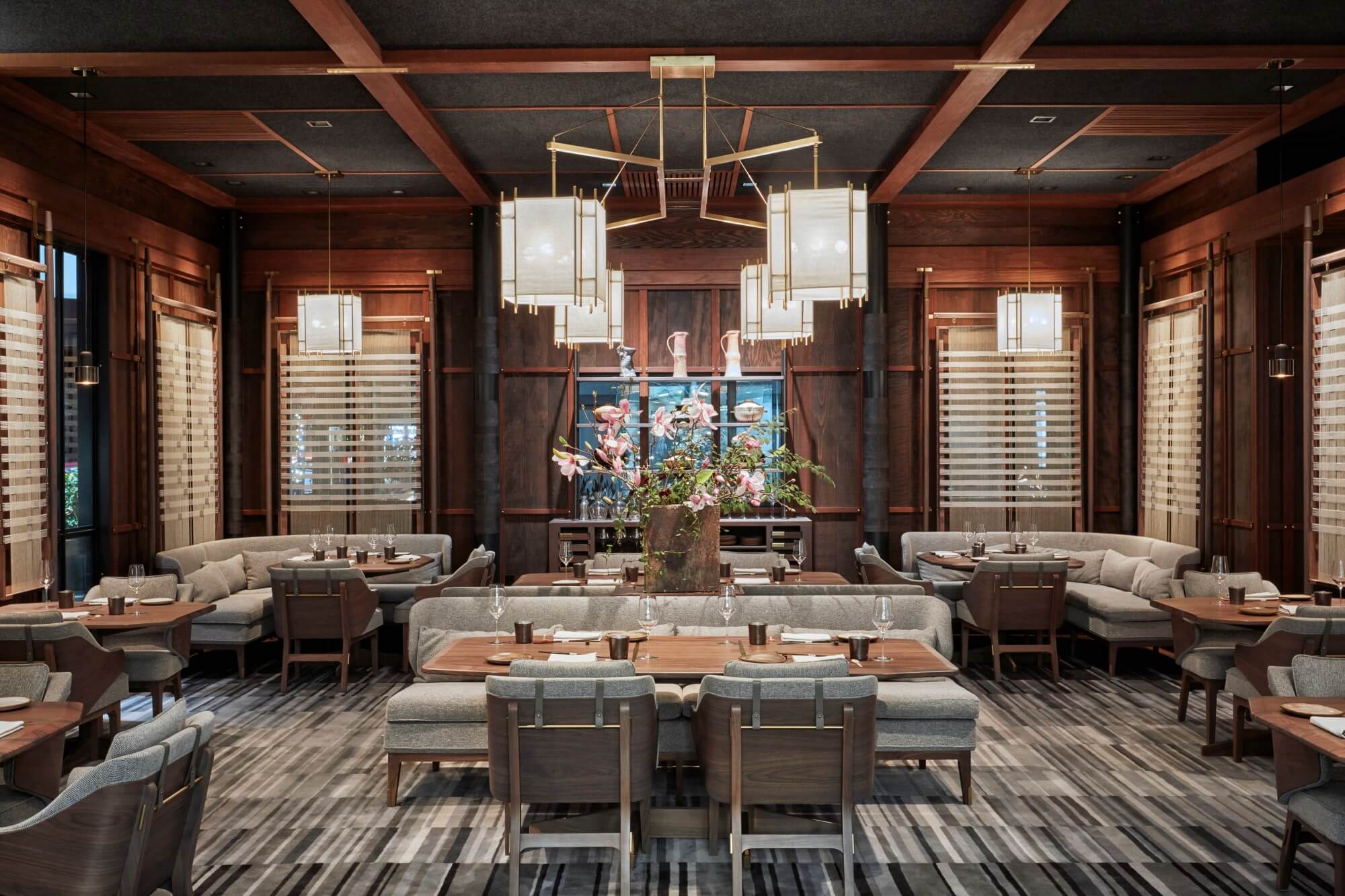
Japanese-influenced Californian Kaiseki
Single Thread Farm
Healdsburg, United States
★★★ · 50 Best
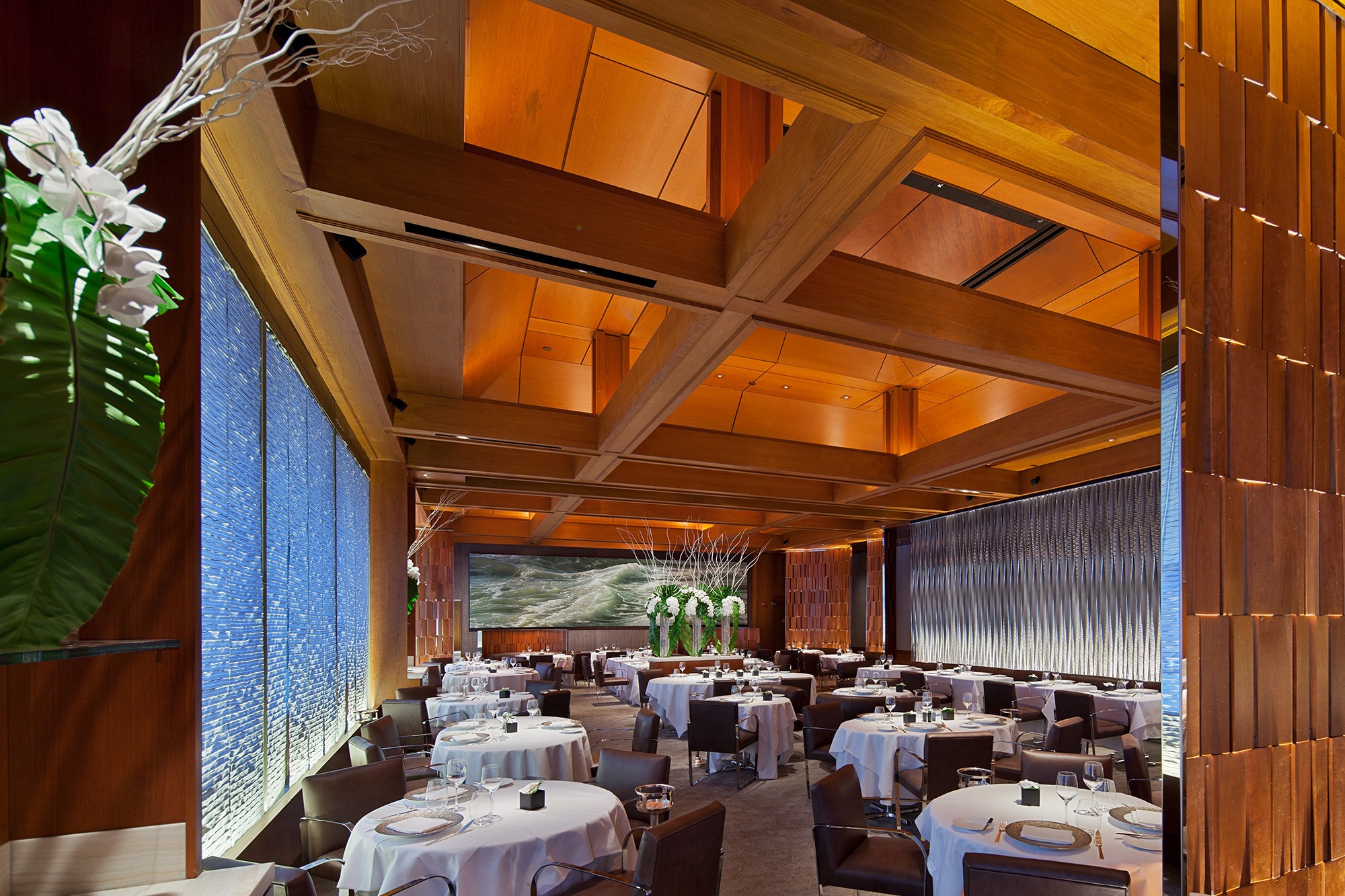
French Seafood Fine Dining
Le Bernardin
New York City, United States
★★★ · 50 Best
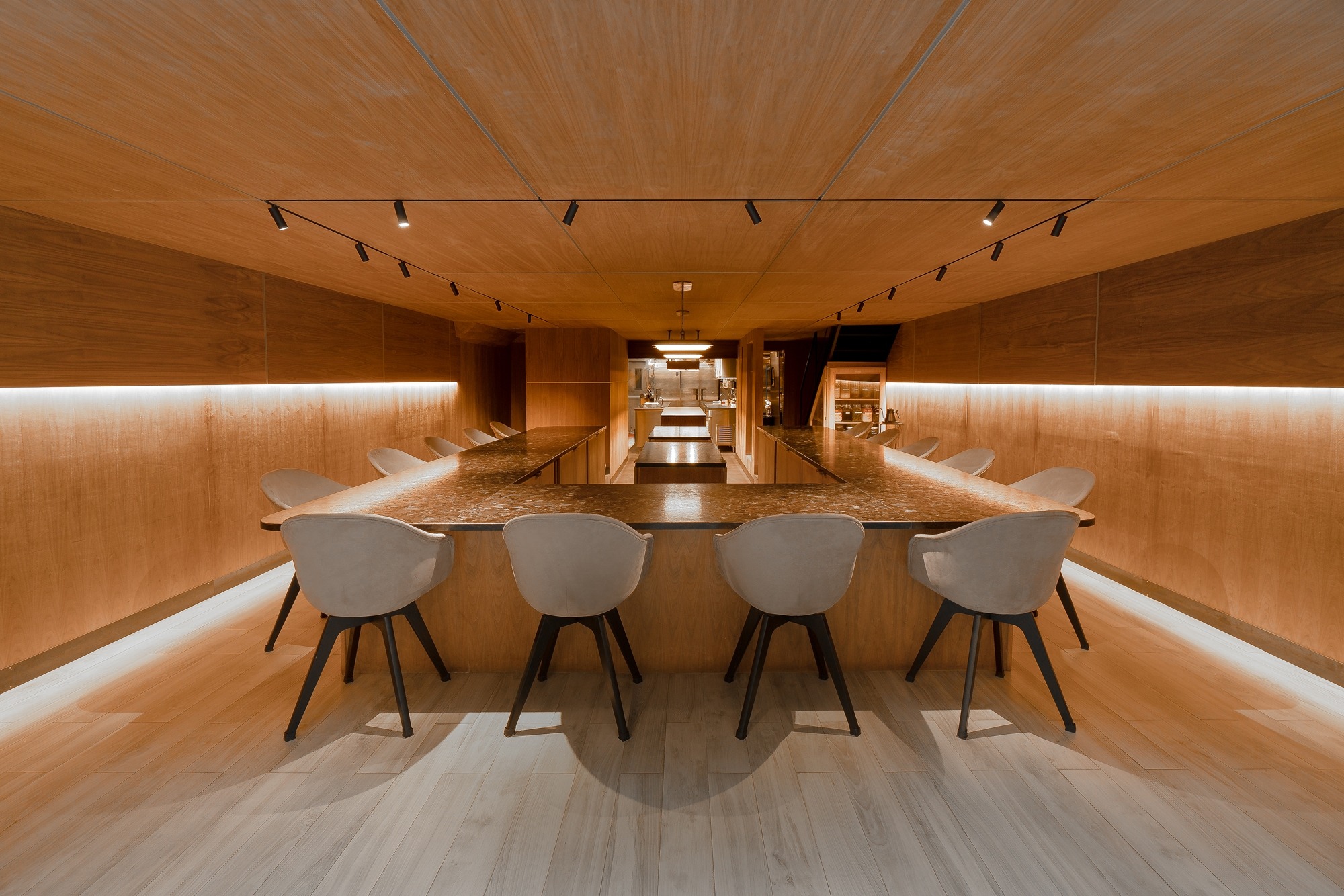
Modern Korean Tasting Menu
Atomix
New York City, United States
★★ · 50 Best
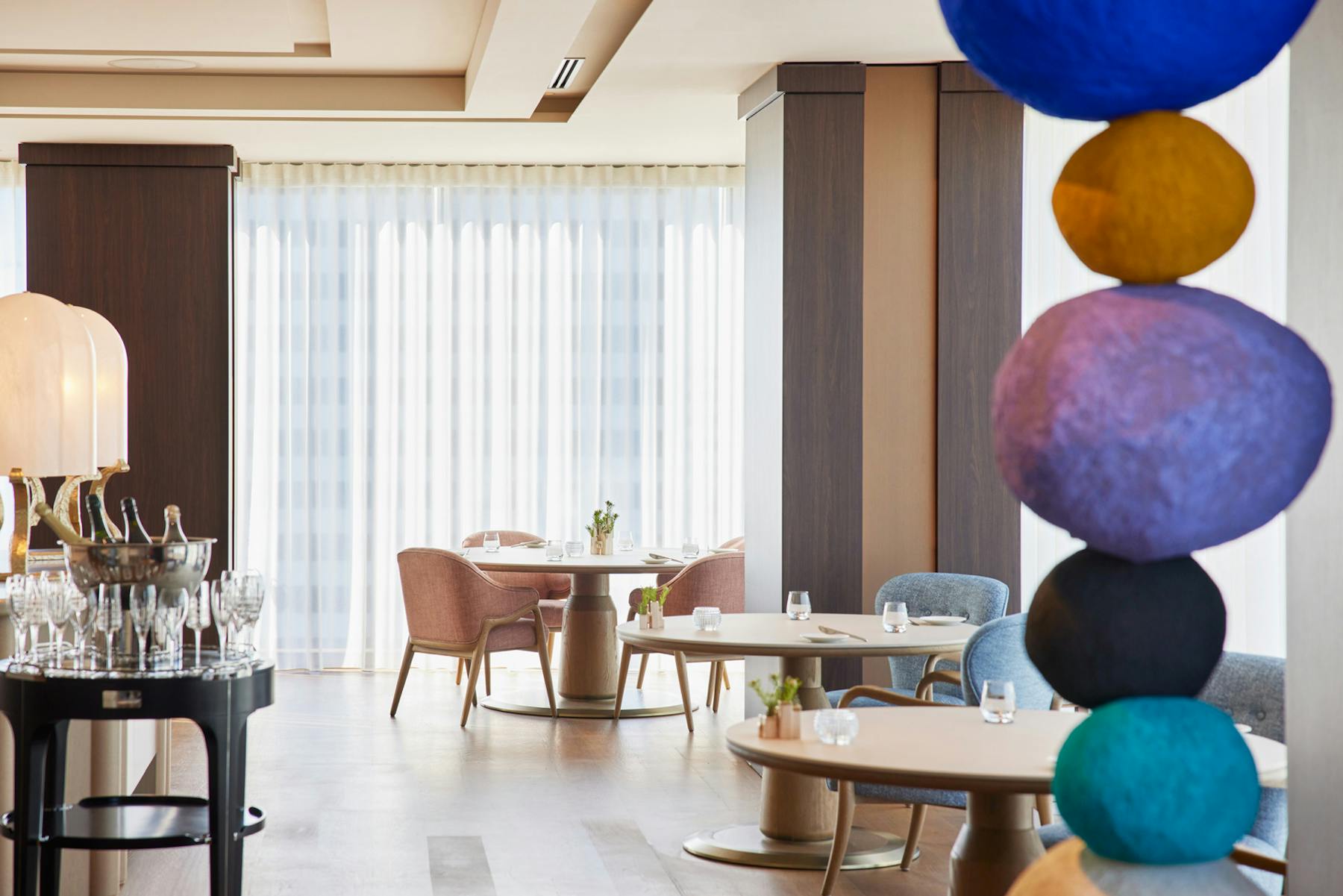
French
Sézanne
Tokyo, Japan
★★★ · 50 Best
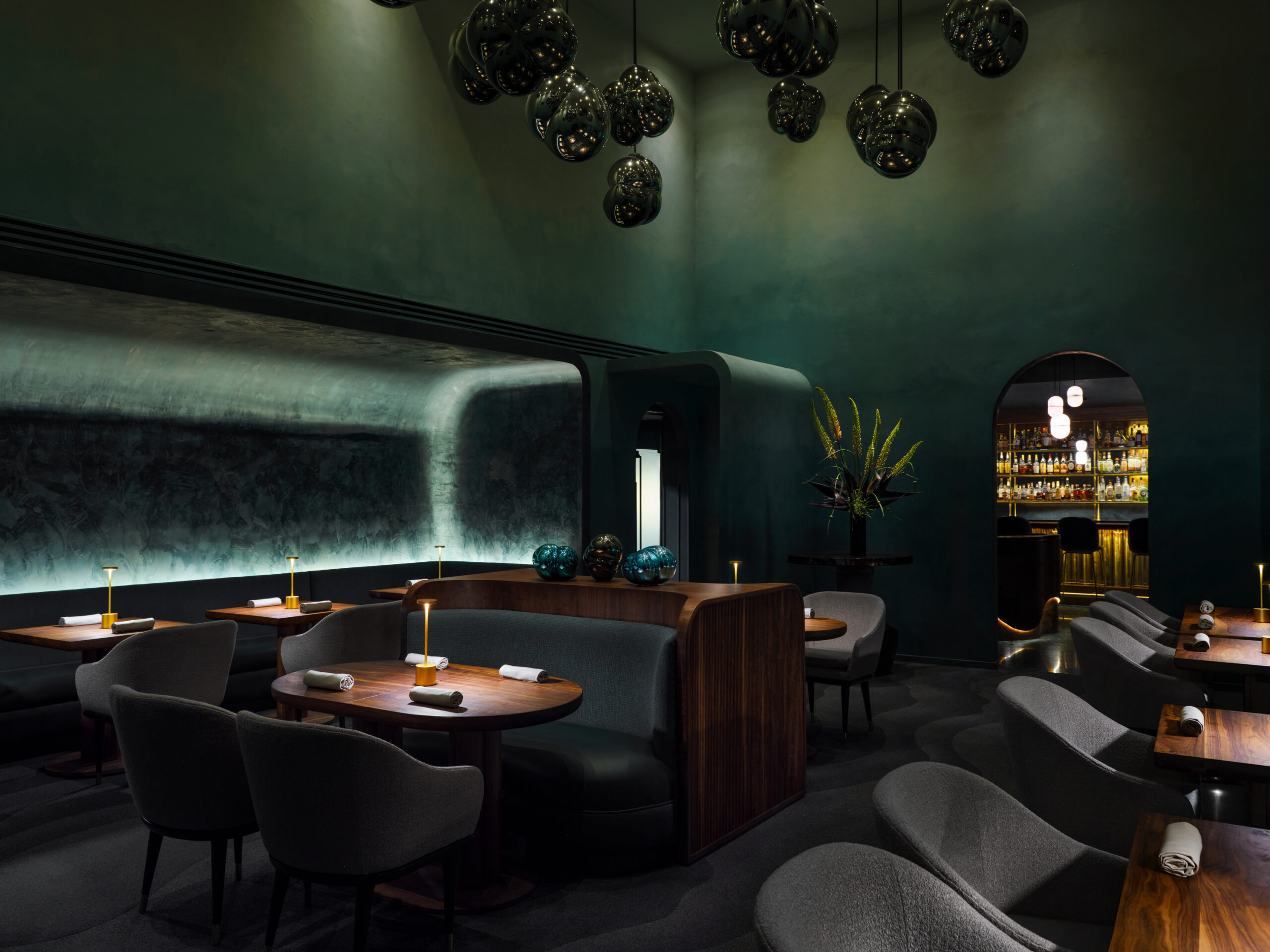
Modern Seafood Fine Dining
Providence
Los Angeles, United States
★★★ · 50 Best
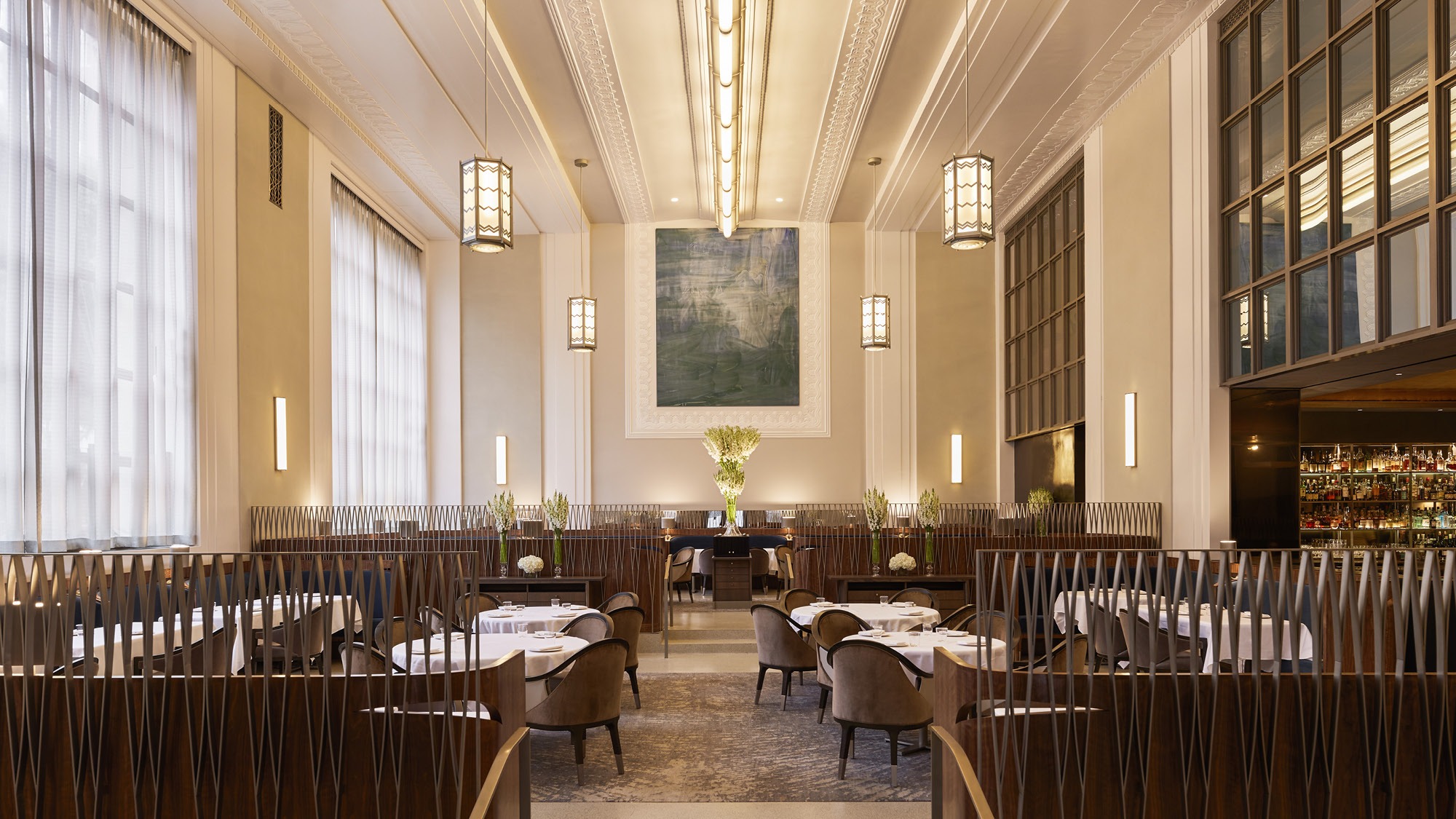
Contemporary Plant-Based Fine Dining
Eleven Madison Park
New York City, United States
★★★ · 50 Best