El Xolo
In Residence
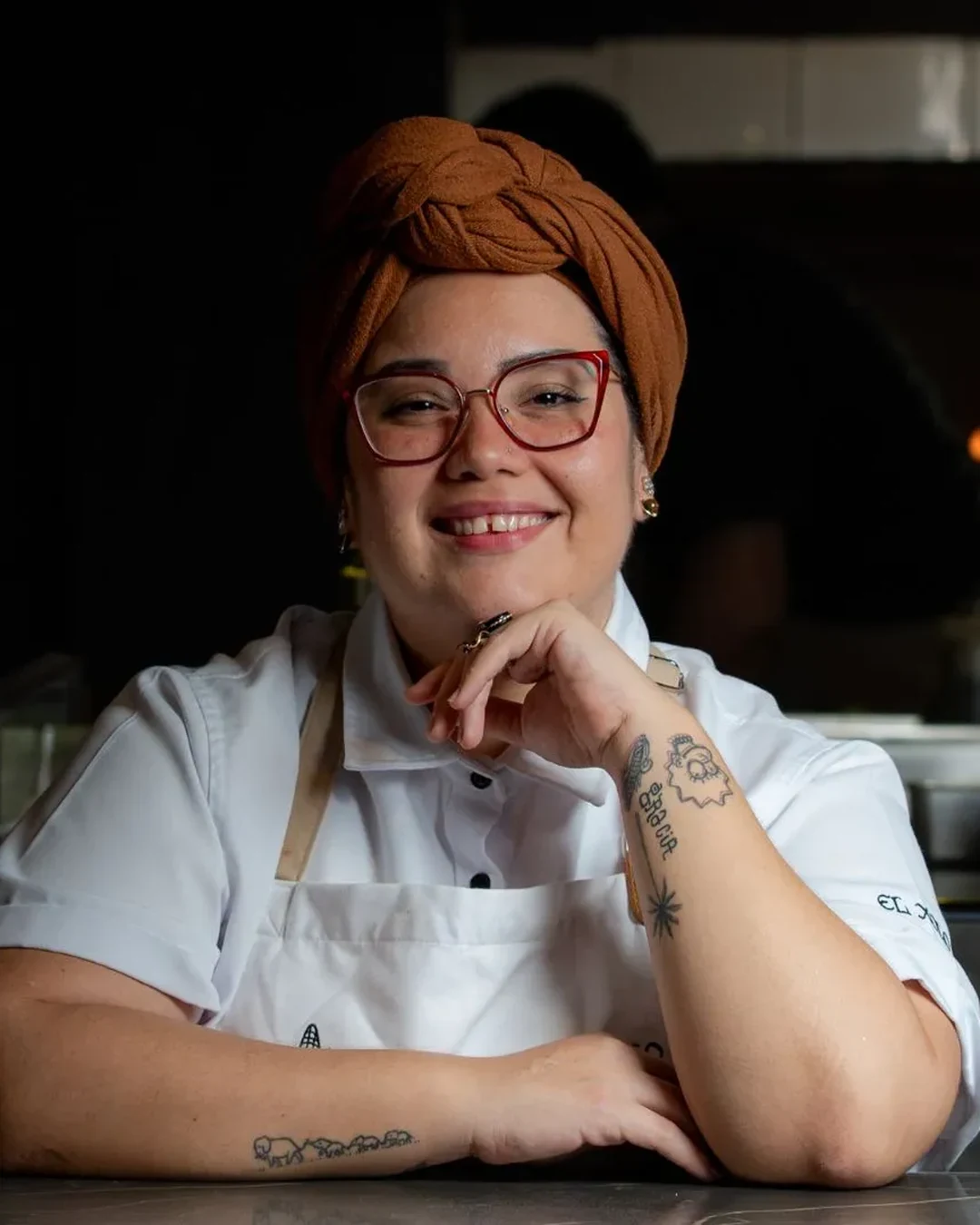
Gracia Navarro
Chef
- 01CuisineModern Salvadoran
- 02CitySan Salvador, El Salvador
- 03RecognitionWorld's 50 Best — No. 87
- World's 50 Best · #87 · World's 50 Best Restaurants
- The Best Chef One Knife · 2025
- World's 50 Best Latin America's Best Restaurants #87 · 2025
Corn, Community, and the Museum Setting
San Salvador's restaurant scene has matured quickly over the past decade, splitting between international formats that track global trends and a smaller, more deliberate cohort of kitchens using the dining room as a platform for local identity. El Xolo belongs firmly to the second group. Located at Museo Nacional de Antropología MUNA on Avenida La Revolución in Colonia San Benito, the restaurant sits inside an institution dedicated to preserving Salvadoran heritage, and that alignment is not incidental. The setting frames everything that follows on the plate.
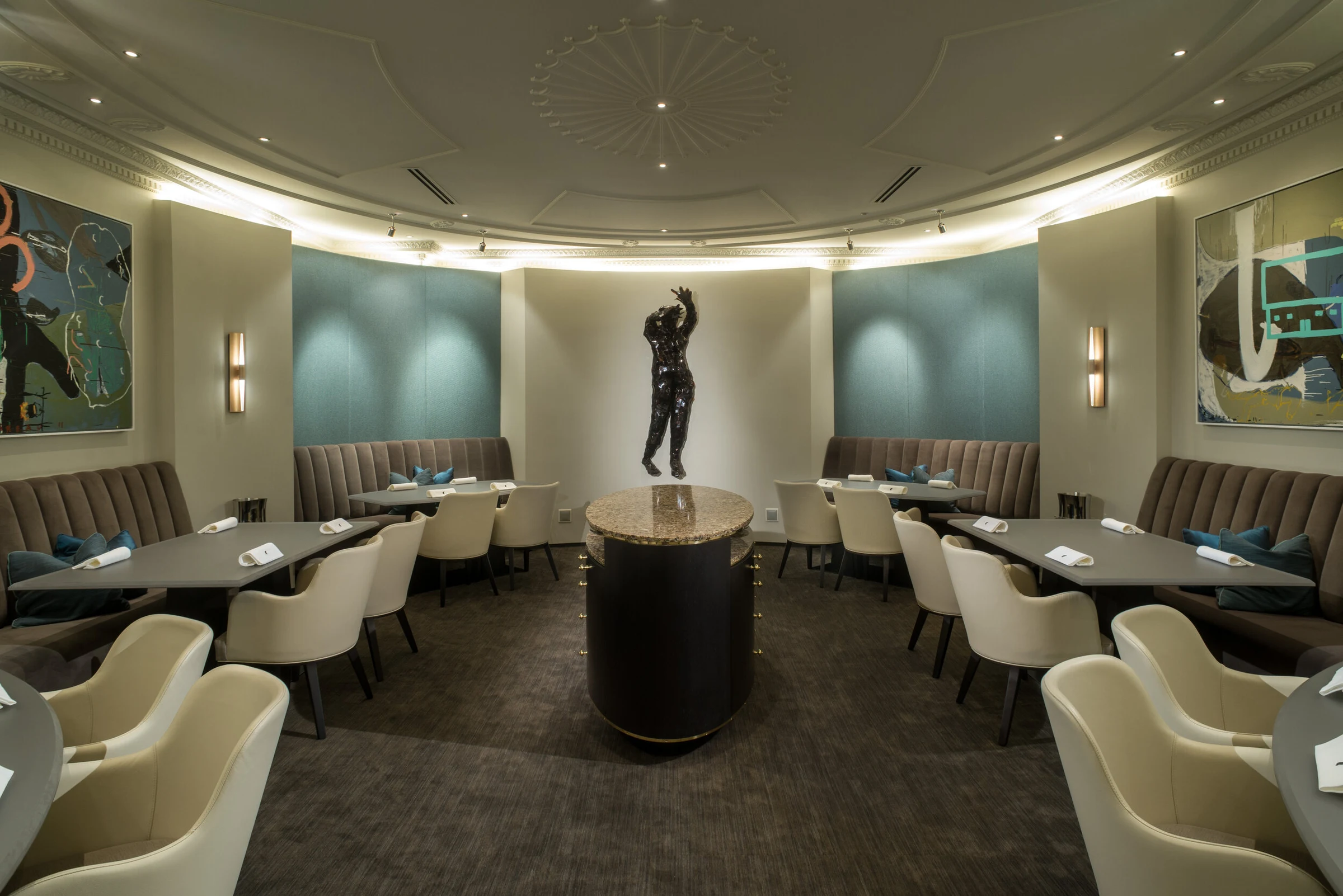
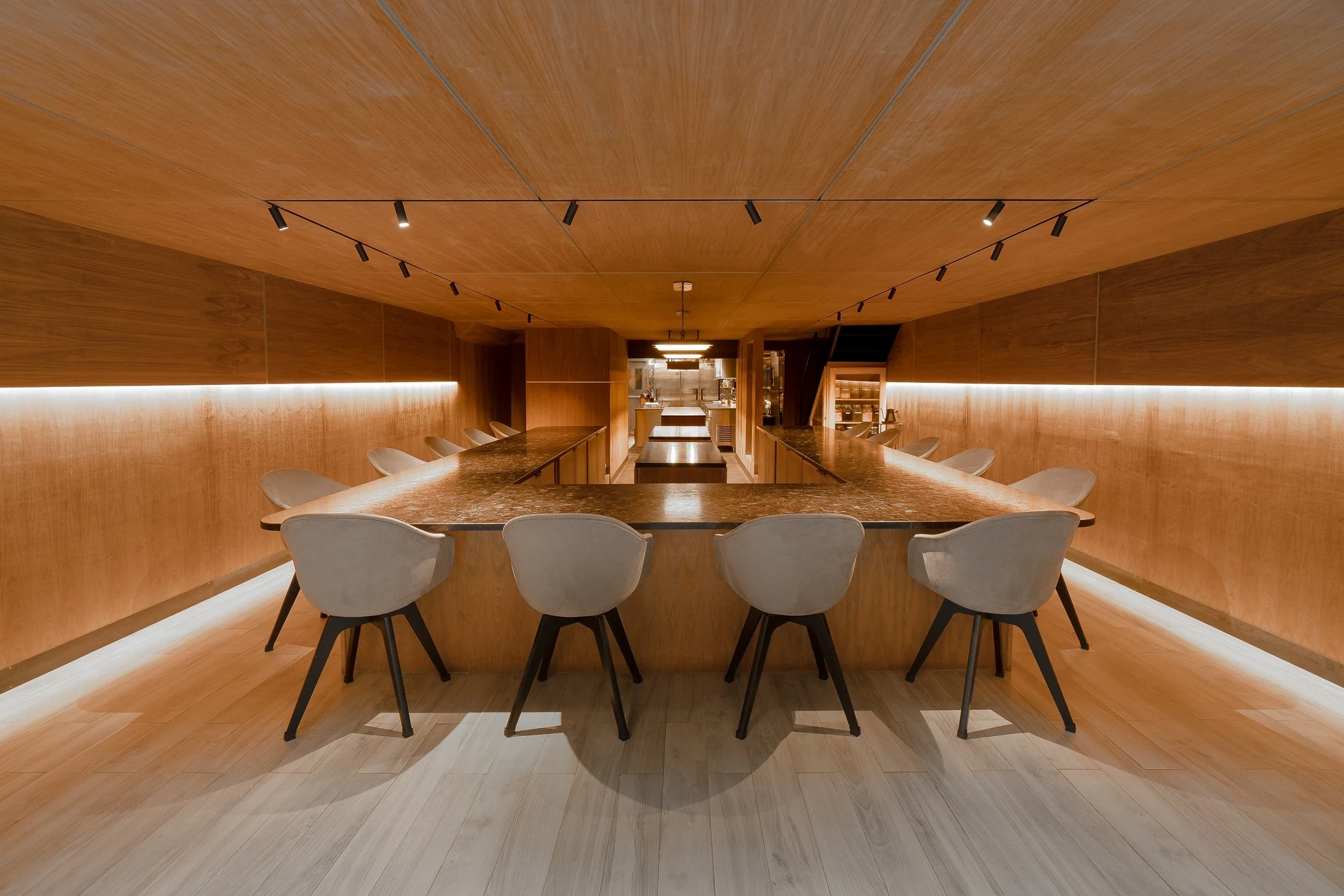
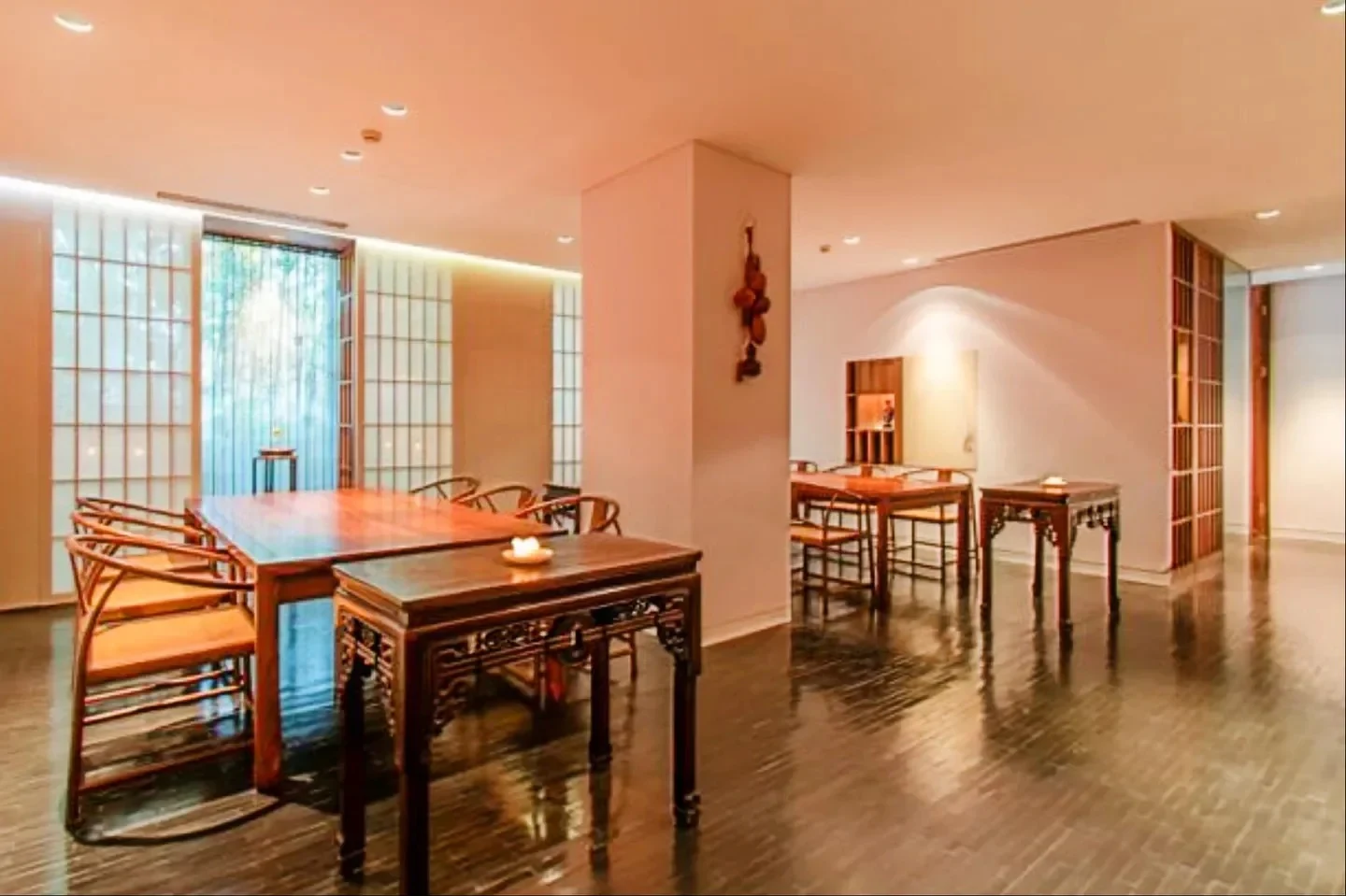
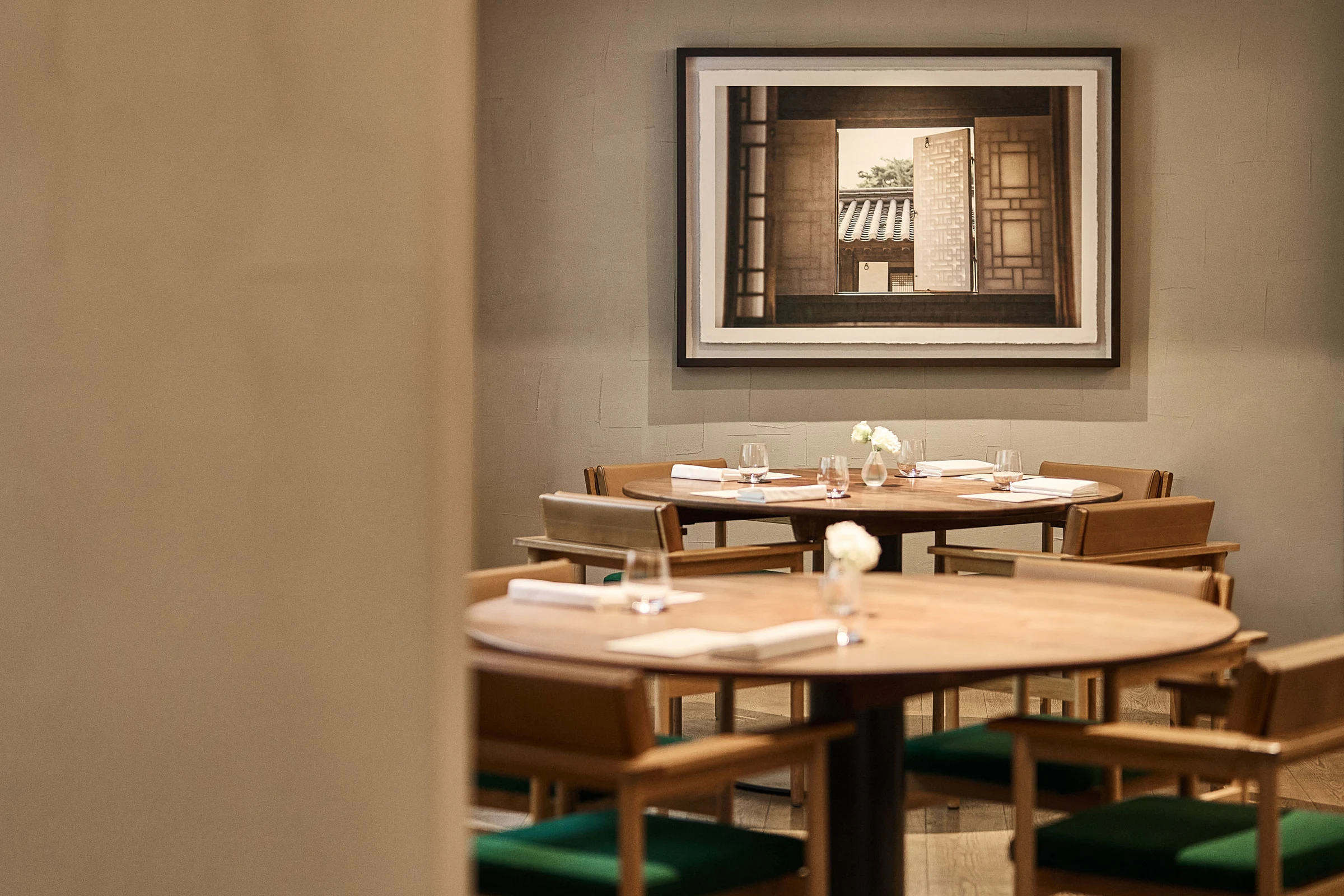
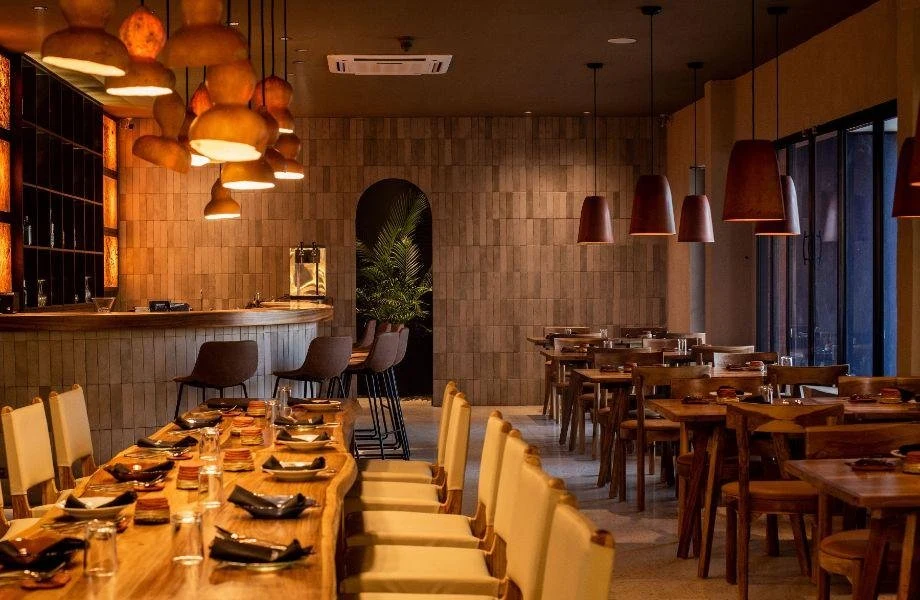
The interior reads as earthy and composed rather than decorative: the design choices reinforce the kitchen's orientation toward indigenous ingredients and the communities that cultivate them, without tilting into museum-piece nostalgia. This is a working restaurant with a clear editorial position, not a heritage exhibit with food attached.
Criollo Corn as the Central Argument
Few ingredients carry as much cultural and agricultural weight in Mesoamerica as native Criollo corn. Across the region, industrial corn varieties have progressively displaced indigenous strains that took generations of farmers to develop and maintain. Restaurants that commit to sourcing Criollo varieties are, in practical terms, supporting the economic viability of smallholder growers who might otherwise abandon those crops. El Xolo places this commitment at the center of its menu rather than treating it as a footnote in a sourcing statement.
The decision to anchor a menu around a single ingredient in this way invites comparison with what a handful of kitchens in other parts of Latin America have done, by asking what a given ingredient can express when treated with precision and depth. The approach shares a structural logic with restaurants like Aponiente in El Puerto de Santa María, where the menu is organized around a category of ingredients most kitchens ignore, or with Arpège in Paris, where a single sourcing philosophy generates the entire culinary identity. The scale and setting are different, but the intellectual framework is recognizable.
Chef Gracia Navarro and the Shape of the Menu
The editorial angle here begins with Gracia Navarro, because that shapes what El Xolo actually does in the dining room. The kitchen's orientation is toward local ingredients that local communities have nurtured, which means Navarro's role involves sustained relationships with suppliers, not just purchasing decisions. This model of sourcing, where the restaurant functions as part of an economic ecosystem rather than a buyer at the end of a supply chain, has become a defining feature of considered kitchens globally, from Lazy Bear in San Francisco to Atomix in New York City. In El Salvador's context, where indigenous agricultural traditions face particular pressure, it carries additional weight.
The menu features bold dishes with a focus on local ingredients, and Navarro's approach appears to privilege contrast and directness over subtlety for its own sake. That combination, bold execution, specific sourcing, Criollo corn as the recurring motif, suggests a kitchen that has made clear decisions about what it is trying to say rather than one covering its options.
Where El Xolo Sits in San Salvador's Dining Map
San Salvador has developed a range of serious restaurants over the past several years, and the question for any visitor is less whether good food exists and more which tier and tradition suits a particular visit. El Xolo operates in a niche that prioritizes ingredient origin, cultural relevance, and a specific point of view over luxury signifiers or international name recognition. It is a different kind of ambition from, say, a technically focused tasting menu counter, and it competes on different terms.
For comparison within the city, La Clásica represents another strand of San Salvador's current restaurant moment, operating with its own distinct format and identity. The two restaurants are not direct peers, but together they illustrate that the city's most interesting dining addresses are pursuing differentiated positions rather than converging on a single style. For a broader orientation to where El Xolo fits among the city's options, our full San Salvador restaurants guide maps the field across cuisine type, price point, and neighborhood.
Globally, the practice of building a restaurant around indigenous or heritage ingredients has generated some of the most discussed kitchens of the past fifteen years, including Alinea in Chicago and Amber in Hong Kong in their respective approaches to context-driven menus. El Xolo is working in a different register, but the underlying proposition, that where an ingredient comes from and who grew it matters to the experience of eating it, is one that serious diners across those contexts increasingly respond to.
Planning a Visit
El Xolo occupies a specific address within the MUNA complex on Avenida La Revolución in Colonia San Benito, one of San Salvador's more settled and accessible districts. Given the restaurant's location within a national museum, visitors planning around the kitchen should factor in the museum's own schedule. The restaurant is recommended for reservations and opens Tue to Thu 6 to 11 PM, Fri 6 to 11 PM, Sat 12 to 11 PM. Walk-ins may be possible, but reservations are recommended.
Visitors combining the meal with a broader trip to San Salvador will find the city has more depth than its regional profile suggests. Our full San Salvador hotels guide covers where to stay across different categories, and for the full picture of the city's hospitality across food, drink, and experience, our San Salvador bars guide, wineries guide, and experiences guide fill out what a longer visit can look like.
For travelers accustomed to restaurants like Le Bernardin in New York City or Alain Ducasse at Louis XV in Monte Carlo, El Xolo operates at a different scale and with different priorities. The comparison point that matters here is not luxury or technical ambition in a European register, but commitment to a specific culinary argument, and on that measure, the restaurant holds its ground.
Questions
Frequently asked
What recognition does El Xolo hold?
El Xolo holds a place on the World's 50 Best list at number 87.
Who works at El Xolo?
Made By profiles Gracia Navarro (Chef) at El Xolo.
How expensive is El Xolo?
El Xolo is listed at a price level of $$$.
Where is El Xolo and what does it serve?
El Xolo is in San Salvador Centro, San Salvador, serving Modern Salvadoran.
The field
How it compares
| Place | Awards | Cuisine | Notes |
|---|---|---|---|
| El Xolo | World's 50 Best #87 | Modern Salvadoran | San Salvador Centro, $$$ |
| Alinea | Michelin 3 Stars, World's 50 Best | Avant-Garde Molecular Gastronomy | Chicago |
| Atomix | Michelin 2 Stars, World's 50 Best | Modern Korean Tasting Menu | New York City |
| Fu He Hui | Michelin 2 Stars, World's 50 Best | Modern Seasonal Vegetarian Fine Dining | Shanghai |
| Mingles | Michelin 3 Stars, World's 50 Best | Modern Korean Fine Dining | Seoul |
| Saison | Michelin 2 Stars, World's 50 Best | Modern Fire-Forward Fine Dining | San Francisco |
| The French Laundry | Michelin 3 Stars, World's 50 Best | French-Californian Fine Dining | Yountville |
In residence
Similar places
Avant-Garde Molecular Gastronomy
Alinea
Chicago, United States
★★★ · 50 Best
Modern Korean Tasting Menu
Atomix
New York City, United States
★★ · 50 Best
Modern Seasonal Vegetarian Fine Dining
Fu He Hui
Shanghai, China
★★ · 50 Best
Modern Korean Fine Dining
Mingles
Seoul, South Korea
★★★ · 50 Best
Modern Fire-Forward Fine Dining
Saison
San Francisco, United States
★★ · 50 Best
French-Californian Fine Dining
The French Laundry
Yountville, United States
★★★ · 50 Best