
- Falstaff Winery - Listed · 2026
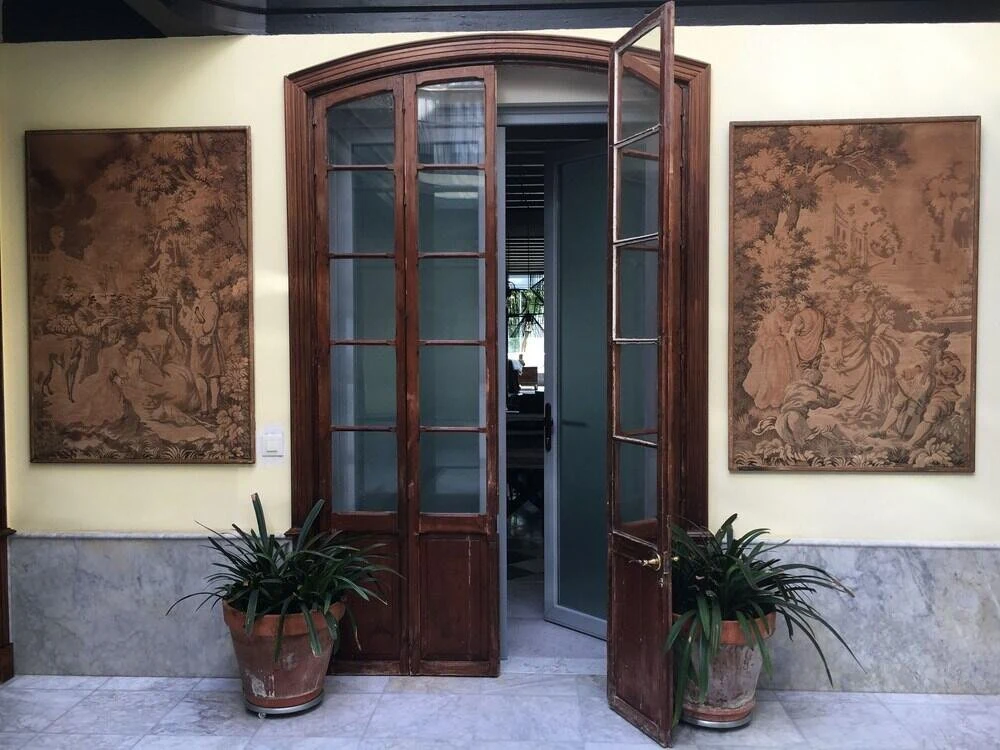
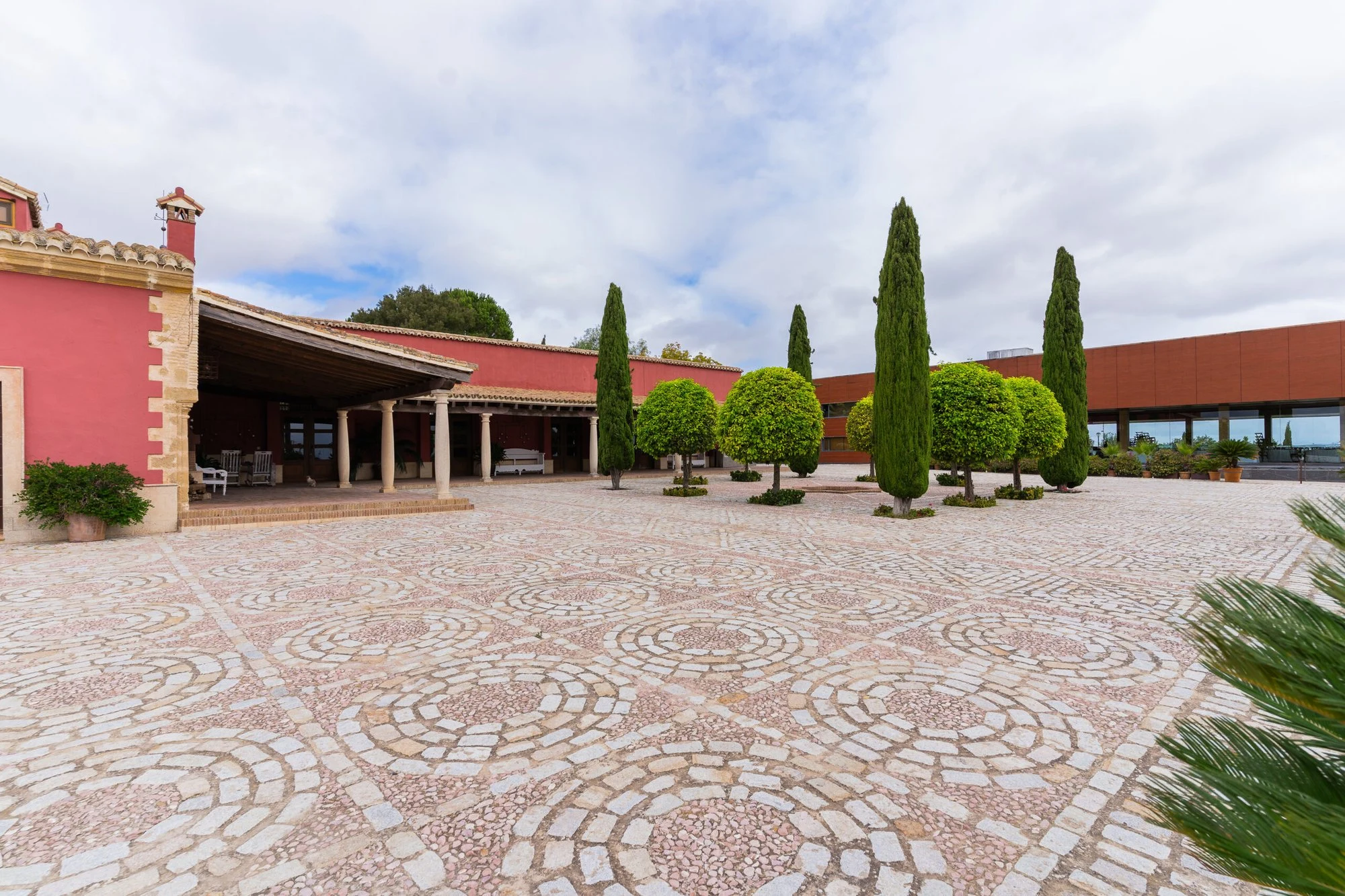
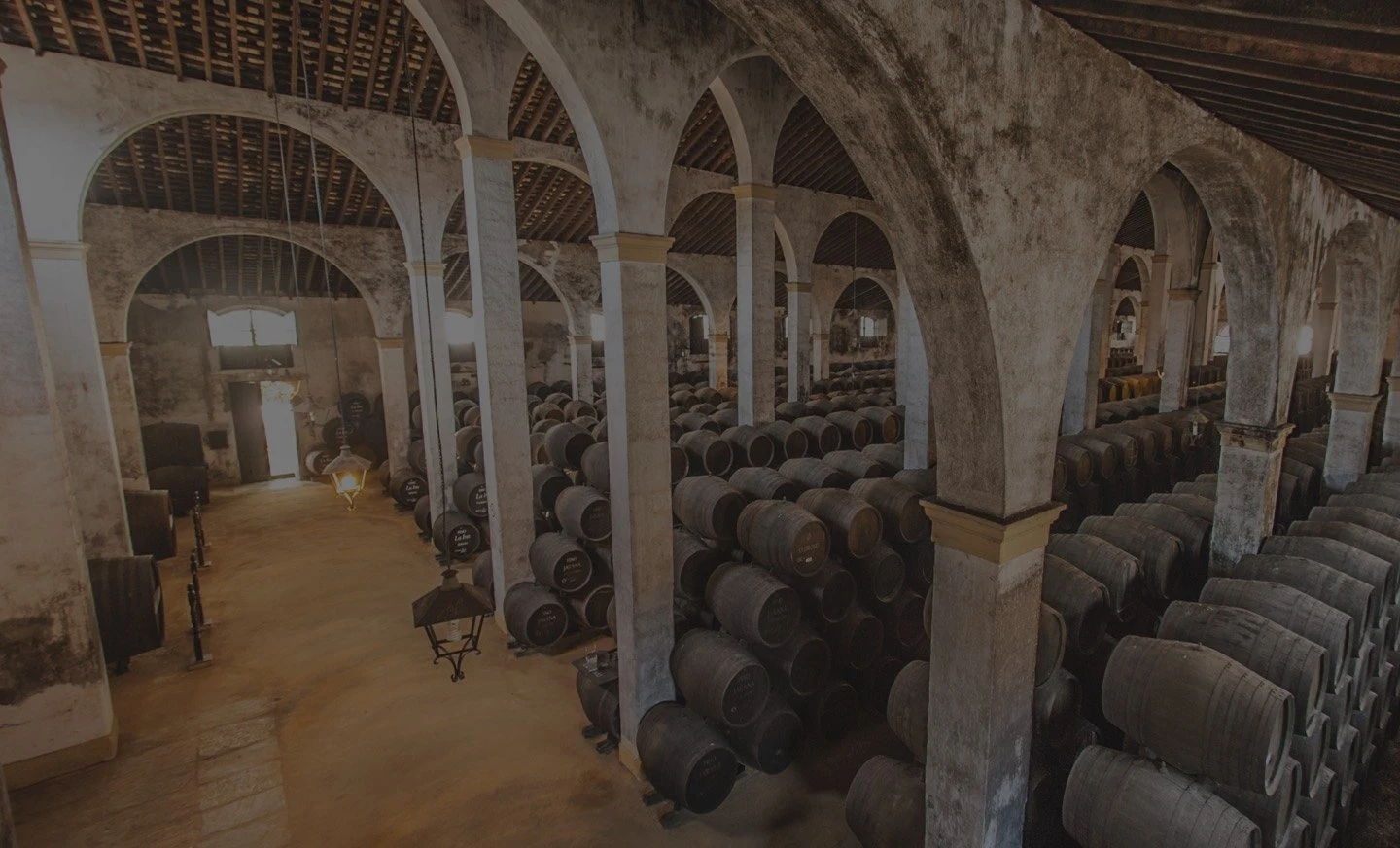
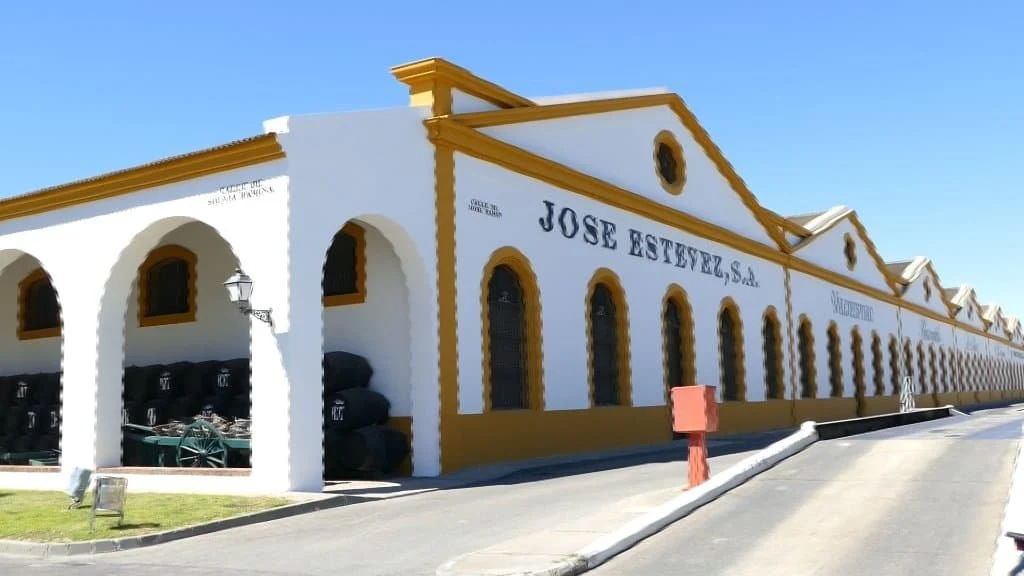
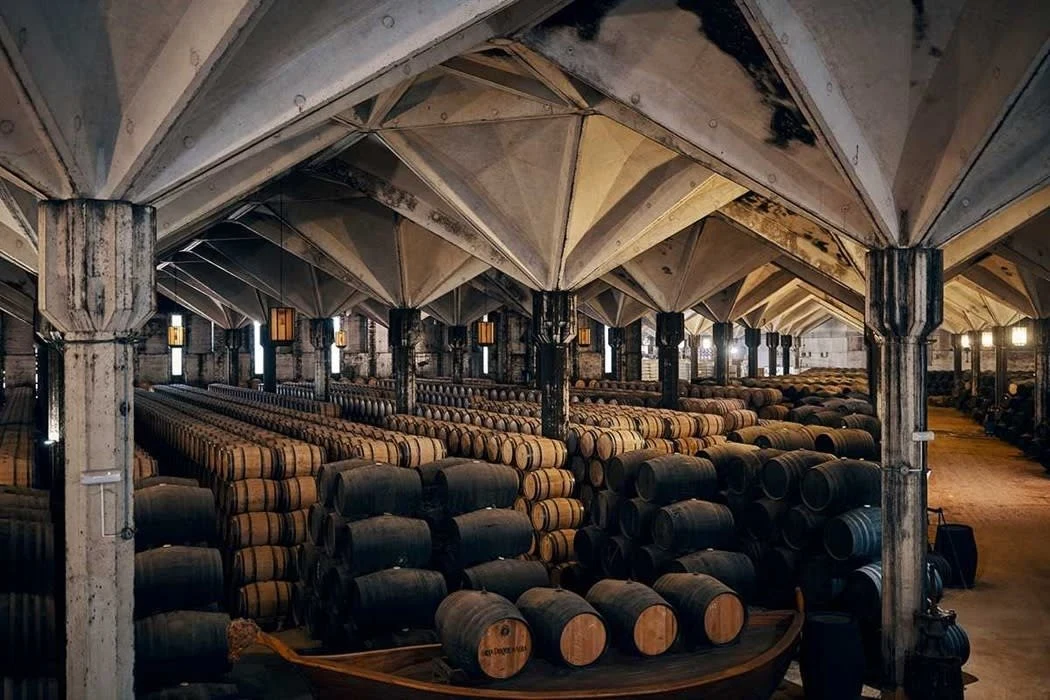
Cool air, dim rooms, thick walls, tiled roofs, high ceilings, and central patios define the atmosphere at Emilio Hidalgo in Jerez de la Frontera. The setting is a historic, traditional Jerez sherry bodega housed in late-19th-century buildings, where the architecture is part of the experience rather than simple decoration. The result is a cool, quiet, dim environment closely associated with the conditions needed for flor and long oxidative aging, and that environmental character is central to how the place should be understood.
For travellers interested in Jerez de la Frontera, Emilio Hidalgo is best understood through its bodega setting: traditional buildings, shaded interiors, and a sense of stillness that reflects the city’s sherry culture. It is a venue where the mood of the rooms, the scale of the structure, and the slow logic of aging all point in the same direction.
Jerez sherry atmosphere expressed through flor, air, and architecture
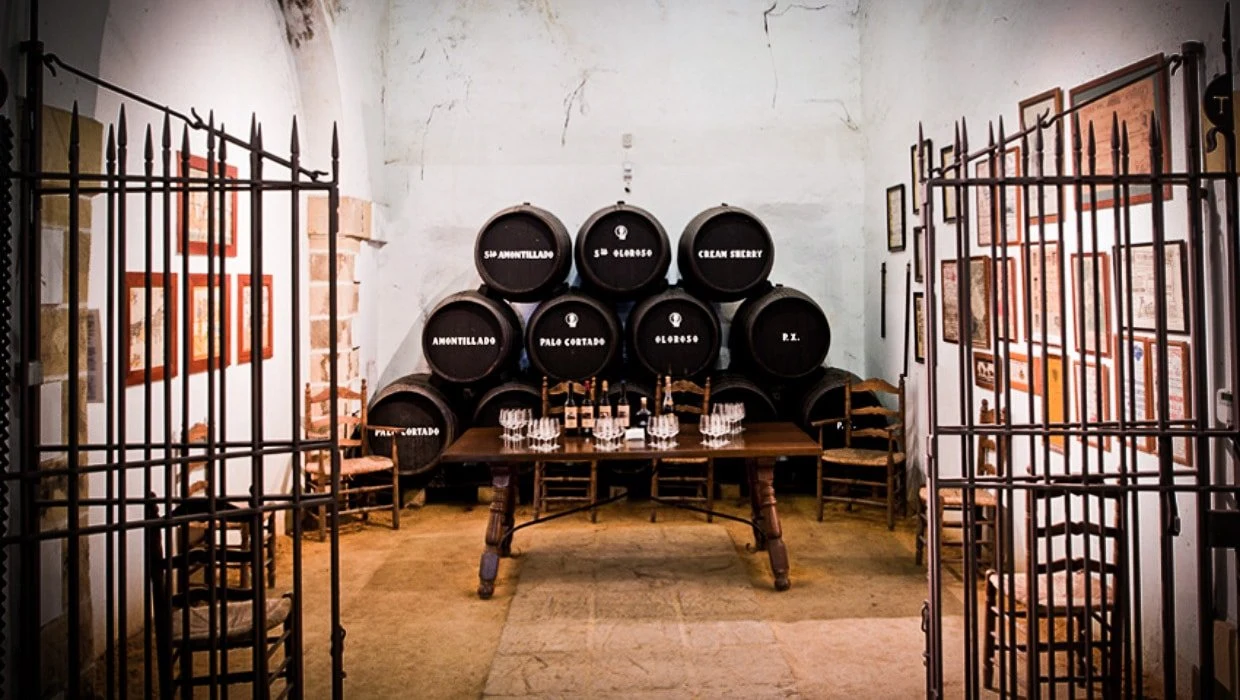
Emilio Hidalgo sits within Jerez de la Frontera’s sherry tradition, where cellar conditions matter deeply. Thick walls, high ceilings, tiled roofs, and central patios help create the cool, dim atmosphere associated with flor and long oxidative aging. Rather than presenting the bodega through bottle names or production figures, the grounded picture is architectural and cultural: this is a traditional sherry environment shaped for aging. The emphasis falls on air, shade, mass, and patience, all of which help explain why the building itself feels inseparable from the wine culture around it.
That makes the venue useful for understanding why Jerez de la Frontera bodegas feel different from many wine estates. The focus is not vineyard scenery or restaurant theatre, but the relationship between building, climate, barrel, and time. Emilio Hidalgo’s character is that of a historic Jerez sherry bodega, with a setting designed to support the slow work of aging. Its atmosphere is not incidental: the coolness, dimness, and quiet are part of the same practical and cultural framework that gives traditional Jerez bodegas their particular identity.
Pricing at Emilio Hidalgo is listed as $$$.
The traditional bodega setting matters more than spectacle
In a traditional Jerez bodega, the physical setting carries much of the story. Emilio Hidalgo’s late-19th-century buildings, thick walls, high ceilings, tiled roofs, and central patios create a cool, dim, quietly atmospheric environment. Those features are especially relevant to flor and long oxidative aging, both of which depend on patient cellar conditions. The impression is therefore less about spectacle than about continuity: an environment built around shade, height, air movement, and the long passage of time.
This is not a page for claims about individual staff, production volumes, named aging systems, or hospitality formats. What can be stated confidently is that Emilio Hidalgo represents the historic bodega side of Jerez de la Frontera: traditional architecture, a subdued atmosphere, and a setting closely tied to sherry aging. That restraint is important, because the most reliable way to describe the venue is through the fabric of the place itself rather than through assumptions about what may or may not be offered on a particular day.
For a wider visit, place Emilio Hidalgo alongside other dining in Jerez de la Frontera in a general way, without assuming specific services or tour arrangements unless confirmed directly with the venue. Its value within that broader context is the way it expresses a core part of the city’s identity: the quiet, architectural world of sherry bodegas, where the environment is not merely a backdrop but part of the meaning.
How to place it within a wider Spain wine itinerary
Jerez de la Frontera works differently from many still-wine regions because the bodega itself is central to the experience. Emilio Hidalgo’s appeal lies in that historic cellar environment: late-19th-century buildings, thick walls, high ceilings, tiled roofs, central patios, and the cool, dim atmosphere associated with flor and long oxidative aging. For travellers moving through Spain with wine in mind, this makes it a useful counterpoint to regions where the landscape, vineyard visit, or dining format may dominate the visit.
Within a Spain wine itinerary, Emilio Hidalgo is best framed as a traditional Jerez de la Frontera sherry bodega rather than as a restaurant, bar, or generic tasting room. Travellers should avoid relying on assumptions about opening hours, guided visits, labels, or appointment policies and should check current details directly before planning around a visit. Approached in that careful way, the venue can be appreciated for what is firmly evident: a historic bodega setting whose architecture, atmosphere, and association with sherry aging give it a clear place in the cultural range of Jerez de la Frontera.
Questions
Frequently asked
Who works at Emilio Hidalgo?
Made By profiles Manuel Jesús Nieves (Winemaker) at Emilio Hidalgo.
How expensive is Emilio Hidalgo?
Emilio Hidalgo is listed at a price level of $$$.
The field
How it compares
| Place | Notes |
|---|---|
| Emilio Hidalgo | Barrio de la Albarizuela, $$$ |
| Bodegas Diez Mérito | Jerez de la Frontera |
| Bodegas Luis Pérez | Jerez de la Frontera |
| Bodegas Tradición | Jerez de la Frontera |
| Lustau | Jerez de la Frontera |
| Valdespino | Jerez de la Frontera |
| Williams & Humbert | Jerez de la Frontera |