
- Falstaff Winery - Listed · 2026
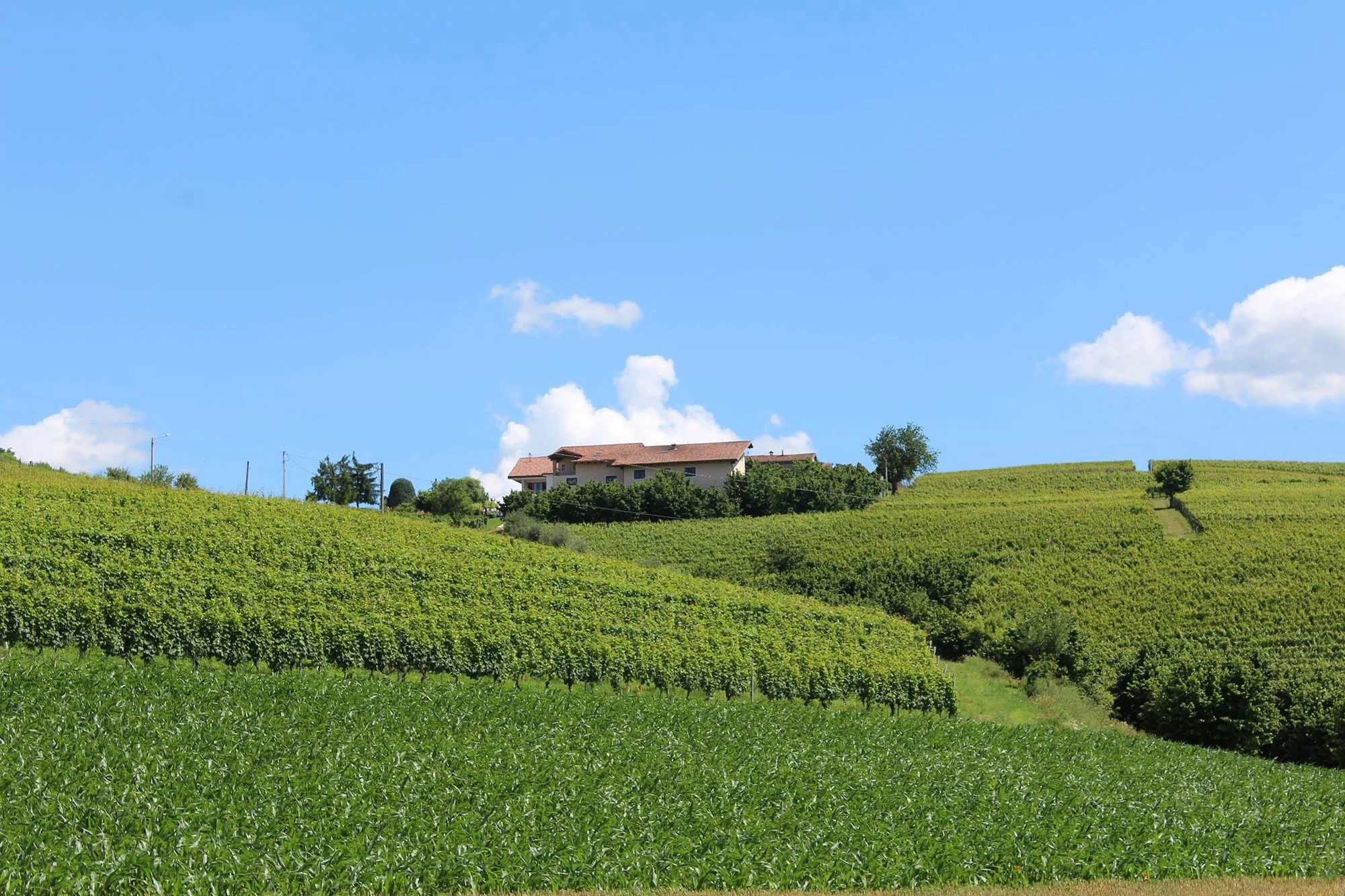
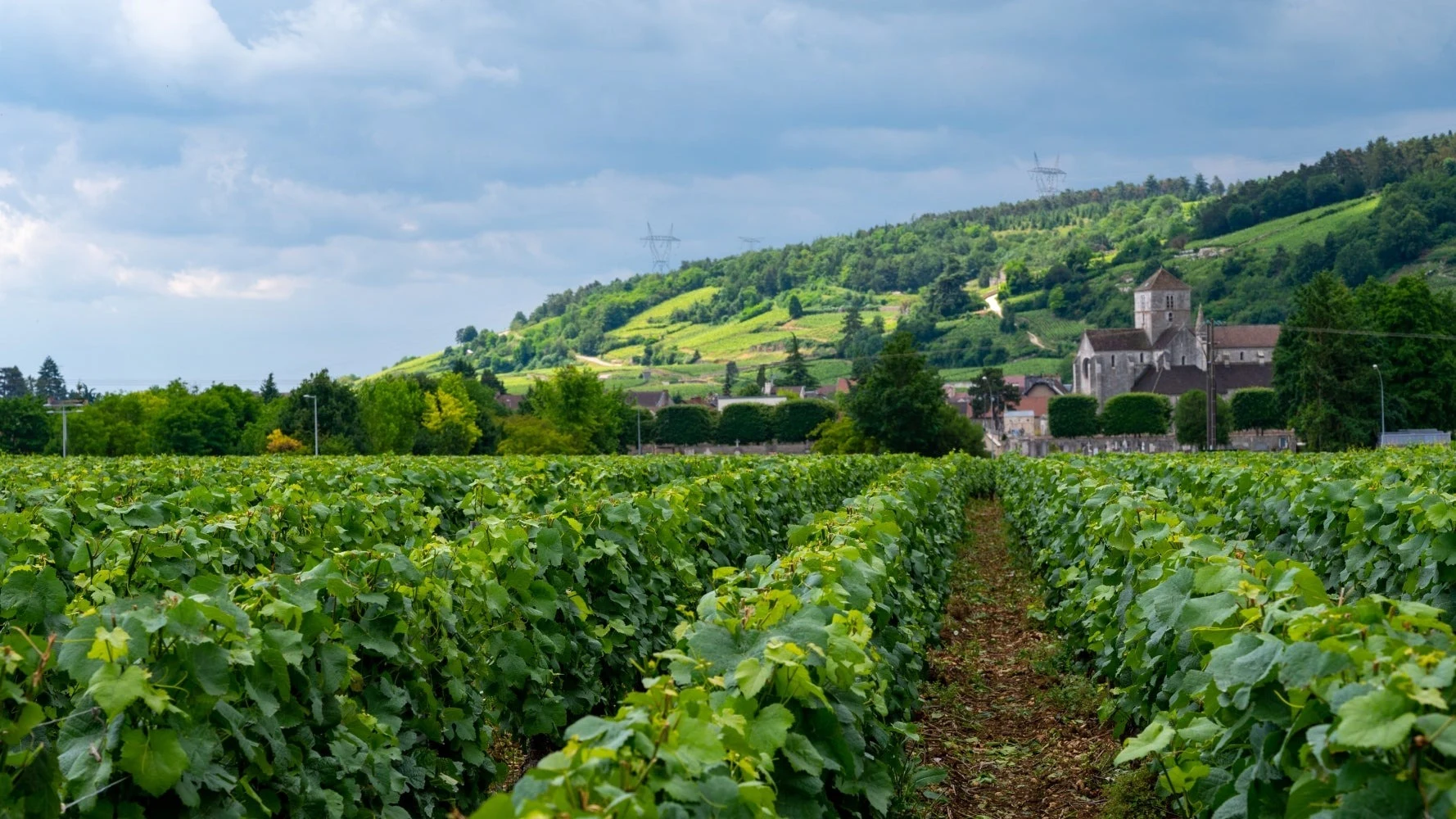
Coazzolo approaches in folds of vineyard rather than grand arrival. The hills here do not announce themselves with architectural drama; they work by repetition: rows of vines, farm buildings, pale light, the visual grammar of Piedmont’s agricultural interior. Emilio Vada belongs to that register: a family-run Piedmont estate set among softly rolling UNESCO-listed vineyard hills, where the landscape is not a backdrop so much as the main way the place explains itself.
This is not a setting defined by polished formality or trophy-cellar staging. The atmosphere is quieter, tied to estate grounds, vineyard views and a farming cadence rather than formal design. For travelers using Coazzolo as a rural stop, that distinction is the point: the place reads through vineyard landscape, rustic calm and terroir rather than through luxury staging. Its appeal is therefore less about being impressed on arrival and more about settling into the visual and agricultural rhythm that surrounds it.
A rustic estate in the Coazzolo vineyard hills
Emilio Vada is best understood through its setting. The picture is of a classic, family-run Piedmont estate in Coazzolo, surrounded by UNESCO-listed vineyard hills and shaped by a quietly scenic farming atmosphere. The emphasis is on the vineyard landscape and the sense of place rather than on a formal design concept, which gives the venue a direct rural identity. It feels aligned with the terrain around it: understated, agricultural and closely connected to the hills.
That makes the venue a fit for travelers who prefer intimate, hidden-gem countryside stops over highly produced experiences. Coazzolo’s scale also helps preserve that mood: the surrounding hills, agricultural rhythm and understated estate character do most of the work. The experience, in that sense, is carried by proportion and context rather than by spectacle; the estate is most legible as part of a working Piedmont landscape.
Specifics about menus, grape varieties, cellar methods, appointment rules or tasting formats should be confirmed directly before planning around them. What is clearly grounded is the estate character: family-run, rustic, scenic and closely tied to the vineyard hills around Coazzolo. That is the reliable frame to use when considering it, especially if the goal is to understand the area through its countryside rather than through a heavily curated visitor experience.
Fresh air, vineyard context and a classic Piedmont mood
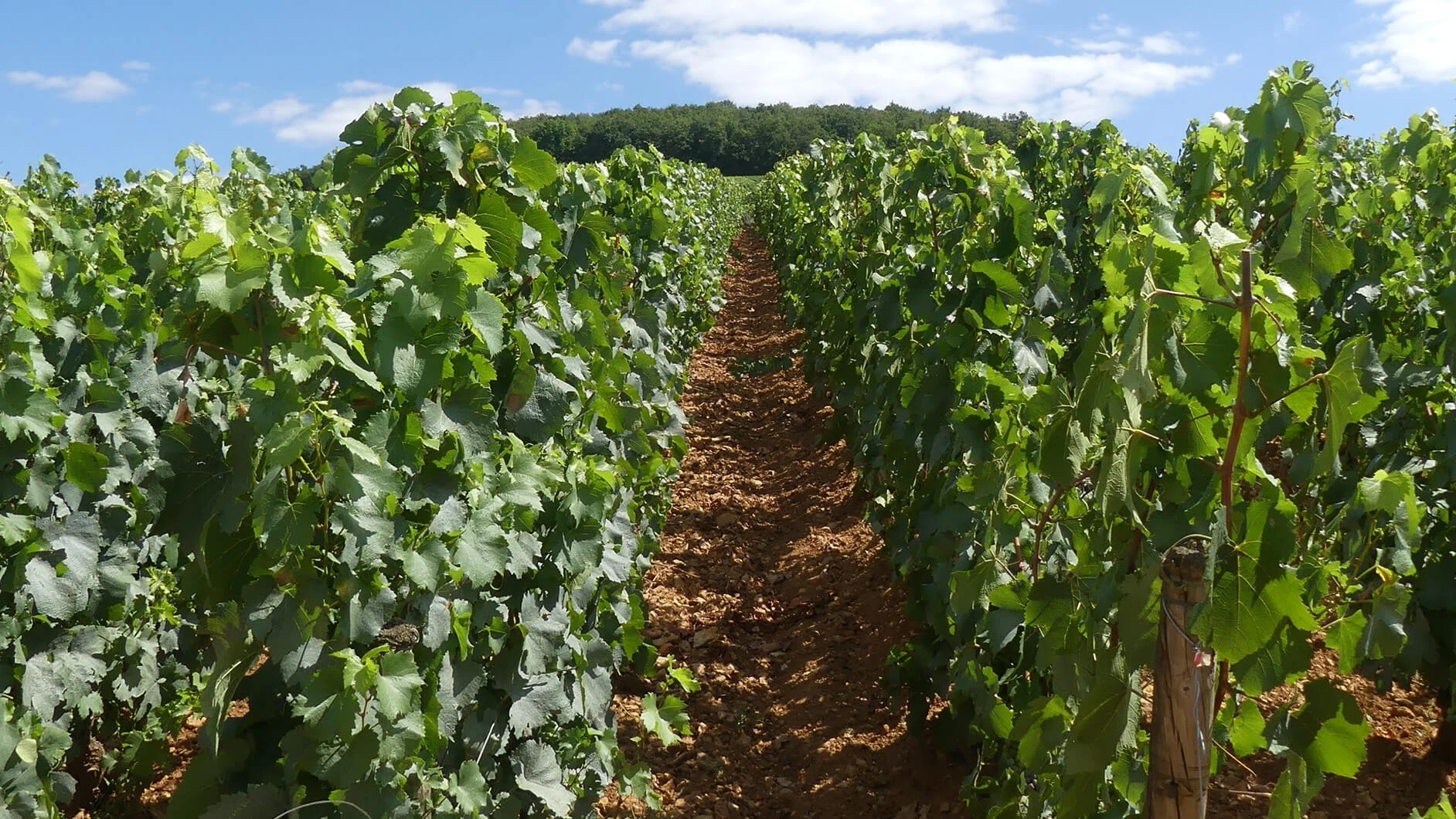
The strongest reason to place Emilio Vada on a Coazzolo itinerary is atmosphere. It offers the kind of Piedmont setting where the appeal comes from agricultural surroundings, softened views and a sense of terroir as a working landscape. The tone is intimate and classic rather than urban or highly designed, with fresh air, vineyard context and rural quiet doing much of the expressive work.
Travelers should not assume a particular service style, drinks program, menu structure or visit format without checking with the estate. The dependable description is simpler: Emilio Vada is a quietly scenic, family-run place in Coazzolo’s UNESCO-listed vineyard hills.
That restraint is also part of its appeal. In a region where reputation can easily become shorthand for elaborate production, Emilio Vada reads as a grounded rural estate, with the vineyard and surrounding hills providing the central frame. The result is a venue whose character feels tied to continuity: hills, vines, family ownership and the slower tempo of the countryside.
A quiet Coazzolo stop for travelers reading Piedmont through its vineyards
Emilio Vada suits a slower Piedmont itinerary, especially for travelers who want a rustic, intimate setting rather than a formal destination built around spectacle. The estate’s character is scenic, classic and rooted in the farming atmosphere of Coazzolo’s vineyard hills. It is the sort of stop that makes most sense when the surrounding landscape is part of the reason for going, not merely scenery passed on the way to something else.
For planning purposes, treat Emilio Vada as a countryside venue with $$ pricing and a strong sense of place. Confirm any practical details directly before visiting, especially if your plans depend on timing, visit format, food, accessibility or specific services. That direct check is important precisely because the most dependable public-facing description is broad: a family-run estate in a rural vineyard setting.
For wider planning in the area, compare Emilio Vada with other dining, lodging, drinking and experience options in Coazzolo generically. Coazzolo is small enough that plans benefit from advance mapping, but Emilio Vada’s draw remains direct: a family-run Piedmont estate in a quietly scenic vineyard landscape. Its role on an itinerary is clearest when understood as a calm rural anchor, a place where Coazzolo’s vineyard hills remain the defining feature.
Questions
Frequently asked
Who works at Emilio Vada?
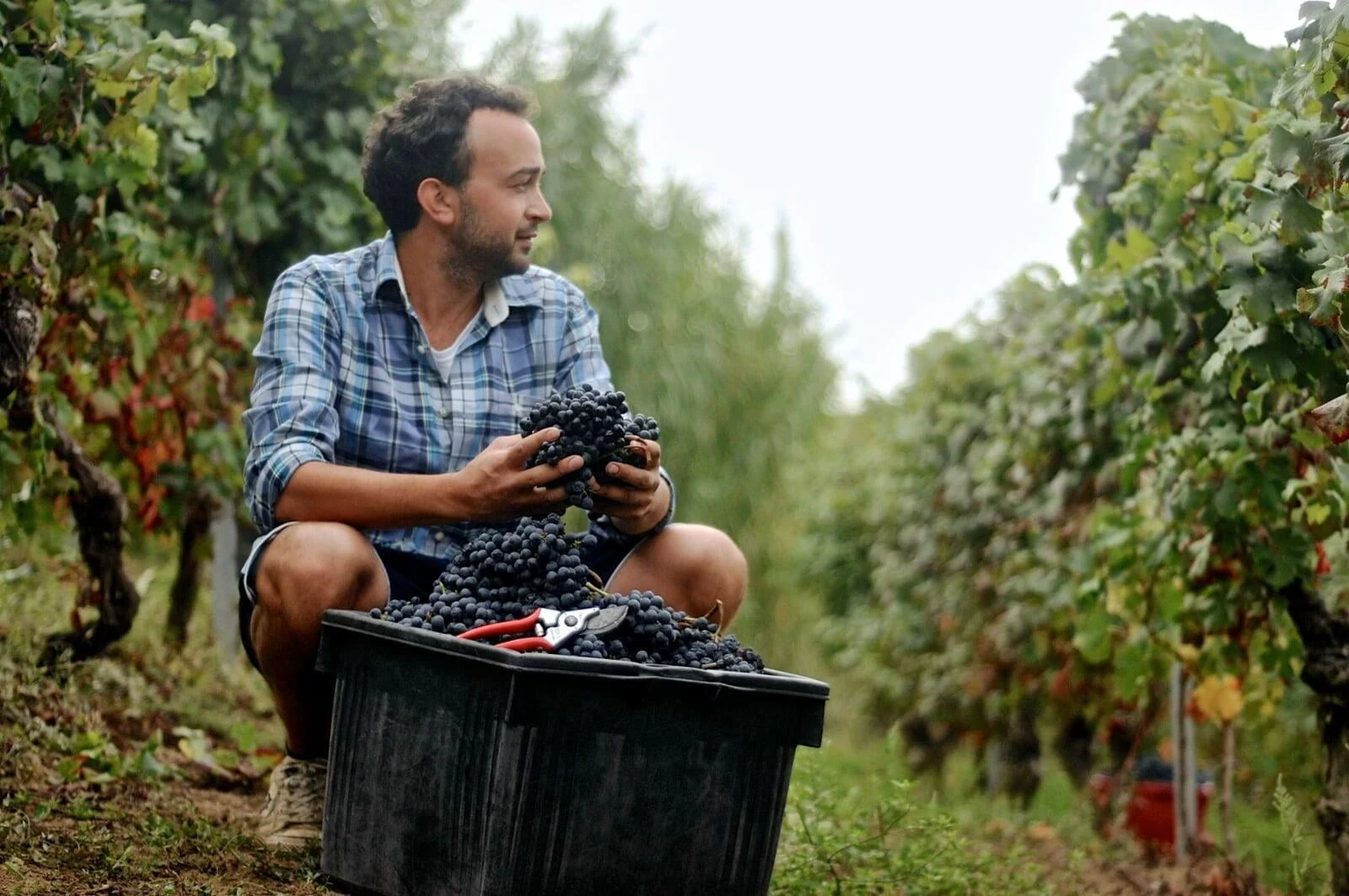
Made By profiles Emilio Vada (Winemaker) at Emilio Vada.
How expensive is Emilio Vada?
Emilio Vada is listed at a price level of $$.
The field
How it compares
| Place | Notes |
|---|---|
| Emilio Vada | Coazzolo, $$ |
| Cascina Carlòt | Coazzolo |
| Chateau Petrus | Pomerol |
| Château Suduiraut | Preignac |
| Domaine Bonneau du Martray | Pernand-Vergelesses |
| Domaine Comte Georges de Vogüé | Chambolle-Musigny |
| Domaine François Raveneau | Chablis |