- Falstaff Winery - 3 Stars · 2026
Approaching the San Clemente hills, the Adriatic is part of the frame rather than a postcard afterthought. This is Romagna wine country with sea air on one side and the Val Conca countryside on the other: vineyards, garden views, outdoor tasting areas and a pace closer to a family table than a formal cellar appointment.
Enio Ottaviani belongs to the strand of Italian wineries where place matters more than spectacle. The estate works 12 hectares and produces at a moderate family-run scale, with a portfolio that covers still red, white and rosé, plus sparkling and dessert wine. The useful point for travellers is not a single trophy bottle; it is the way the visit explains Romagna as both agricultural and coastal, especially through local anchors such as Sangiovese, Trebbiano, Albana and Pagadebit alongside Cabernet Sauvignon and Chardonnay.
Val Conca gives Romagna wine a sea-and-hill register
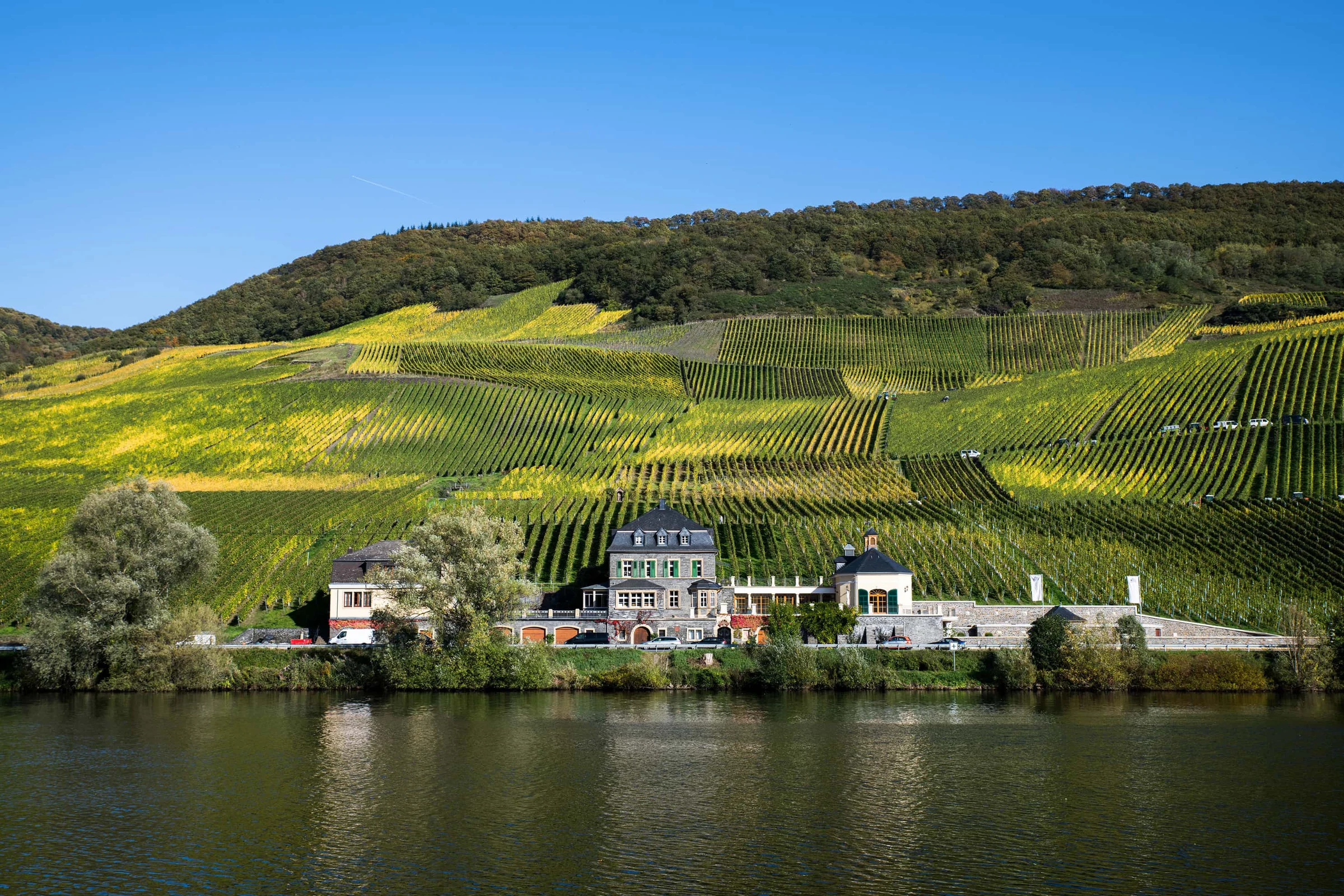
Romagna is often flattened into a Sangiovese conversation, but the San Clemente hills complicate that reading. The vineyards sit in the Val Conca wildlife oasis, facing the Adriatic, which gives this corner of the region a double identity: inland enough for hill-country agriculture, close enough to the coast for maritime influence to matter. That context is the reason the estate’s own “sea and land” language is useful rather than decorative.
The winery’s open year is listed as 1960, placing it in the postwar generation of Emilia-Romagna producers that modernised without losing the social function of local wine. Here, continuity is not an abstract heritage claim. The estate is multi-generational, family-run and led in the cellar by winemaker Davide Lorenzi, with hospitality shaped around sharing rather than ceremony. In a region where wine is inseparable from the table, that distinction matters.
The production stance is described as sustainable, and the estate setting reinforces the point without turning the visit into a certification lecture. The key facts are practical and agricultural: estate grounds, vineyards in a protected natural area, on-site cellar work, and a production scale large enough for domestic and export markets but small enough to keep the visit personal. For readers mapping Italian wine beyond the usual prestige corridors, this is a useful Romagna counterpoint.
Tastings are relaxed, educational and built for groups
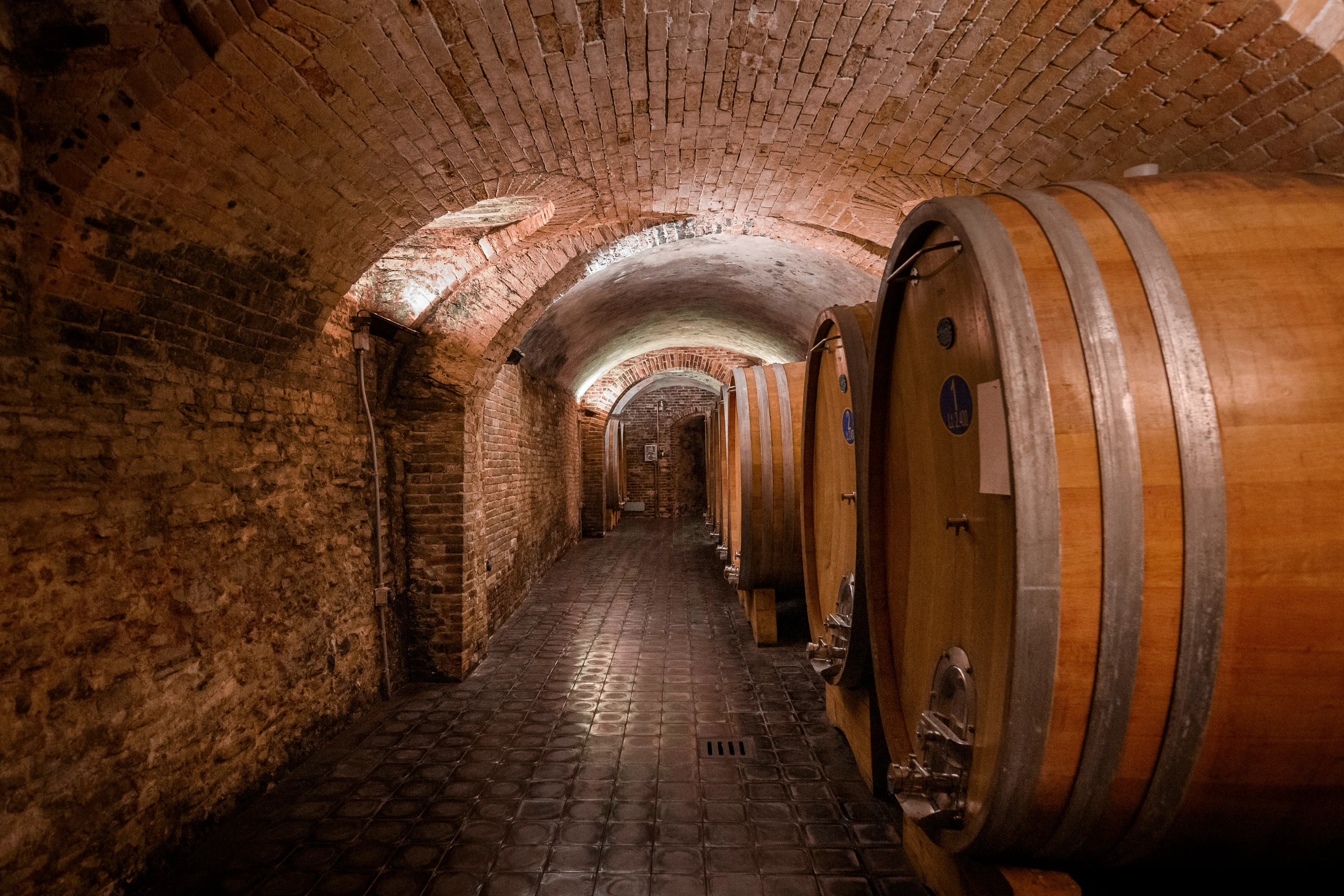
Tasting format is broader than a quick pour at a counter. Standard tastings, cellar tours with tasting, food-pairing tastings and outdoor tastings are all part of the offer, with visits running about 60 to 90 minutes. Italian and English are listed for tours, which makes the estate easier to fold into an Adriatic-side itinerary for international travellers.
Room tone is conversational and casual, with a price level marked at two rather than luxury-cellar territory. That combination suits mixed groups: serious enough for wine education, relaxed enough for families, celebrations and countryside afternoons. Outdoor seating, terrace space, a picnic area and panoramic vineyard or garden views are part of the experience profile, so the stronger play is to treat the visit as a half-day Romagna wine stop rather than a rushed tasting between coastal plans.
Varietal mix also helps first-time visitors understand the region quickly. Sangiovese supplies the familiar Romagna red reference point; Trebbiano, Albana and Pagadebit place the estate in a more local white-wine conversation; international grapes round out the range without making the place feel detached from its hills. Food-pairing tastings are available, which is the format to choose if the aim is to read the wines through the table rather than through technical notes alone.
How to place it in a San Clemente itinerary
Reservations are recommended, and the visit type is by reservation, so this is not the stop to leave to chance after a long lunch. Parking is listed on site, payment can be made by cash, credit card or debit card, and shipping is available. Dress is casual, which fits the estate’s countryside setting and group-friendly character.
San Clemente is not a major urban wine hub, so the editorial value here is specificity: an Adriatic-facing Romagna estate with a family structure, moderate production, estate grounds and a tasting program that can move from cellar to outdoors. It is better understood as a terroir visit than as an awards chase. The reward is a clearer sense of how Val Conca’s hills, wildlife setting and coastal proximity shape the local wine conversation.
For broader planning around the area, start with Our full San Clemente wineries guide, then cross-check dining, hotels and drinks through Our full San Clemente restaurants guide, Our full San Clemente hotels guide, Our full San Clemente bars guide and Our full San Clemente experiences guide. Readers building a wider Italy-and-Europe winery map can also compare regional formats through 3GP SRL in Treviso, 47 Anno Domini in Trebaseleghe, A Mano Wine in Noci, a6mani in Fragagnano, Abbadia Ardenga in Torrenieri, Abbazia di Crapolla in Neapel, Abbazia Monte Oliveto in Asciano, Abbazia Santa Anastasia in Castelbuono, »der Steiner« Hans Steiner in Podersdorf am See and & Handwein in Mannheim.
Questions
Frequently asked
Who works at Enio Ottaviani?
Made By profiles Davide Lorenzi (Winemaker) at Enio Ottaviani.
How expensive is Enio Ottaviani?
Enio Ottaviani is listed at a price level of $$.
The field
How it compares
| Place | Notes | Awards |
|---|---|---|
| Enio Ottaviani | Val Conca / San Clemente hills, $$ | · |
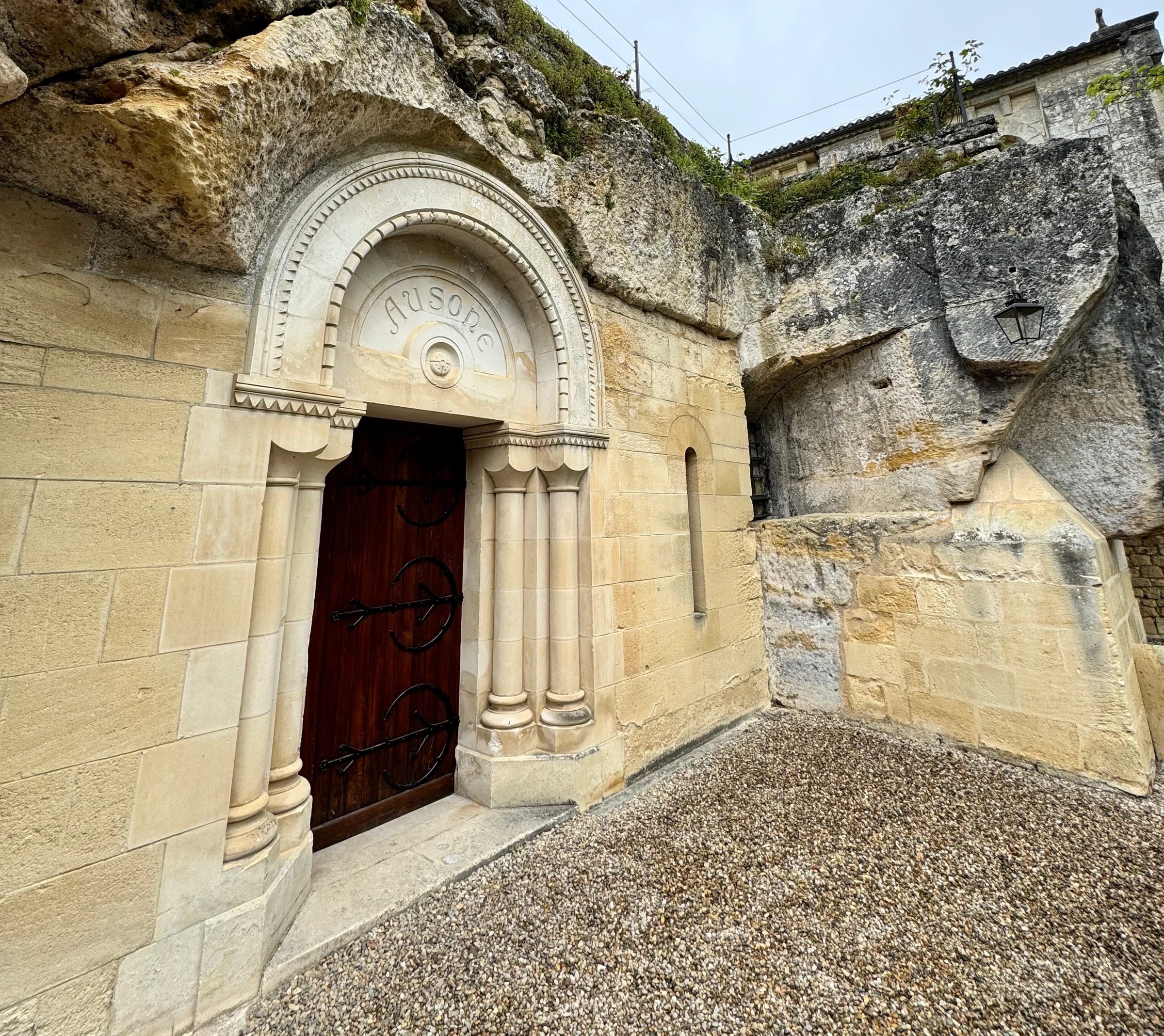
| Chateau Ausone | Saint-Émilion | · |
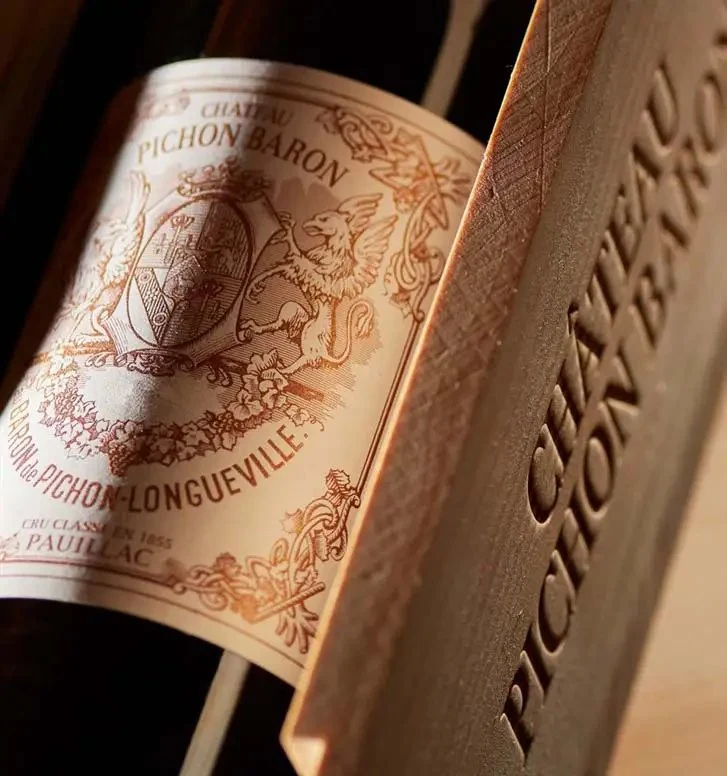
| Château Pichon Longueville Baron | Pauillac | World's 50 Best |
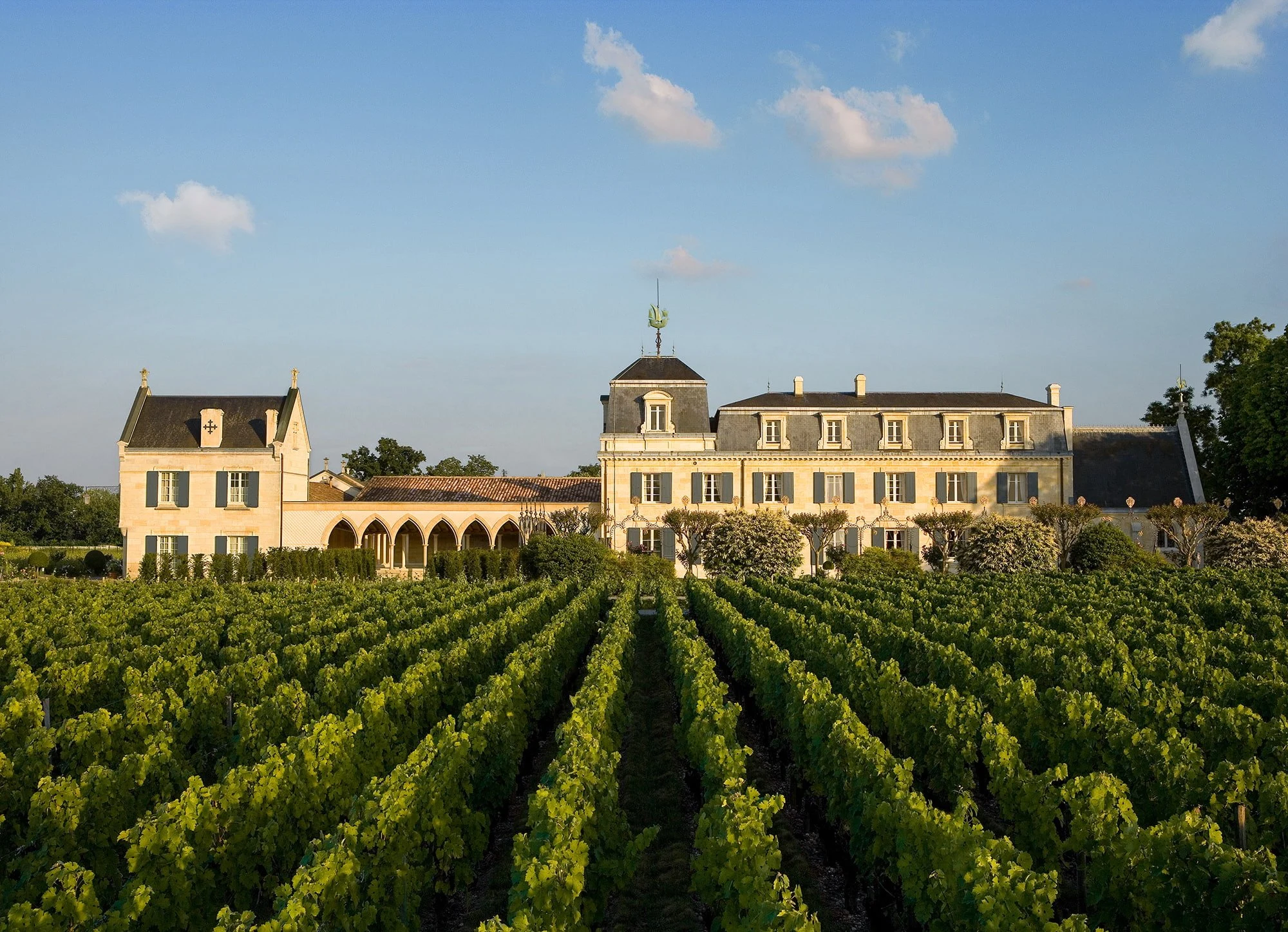
| Domaine Clarence Dillon | Pessac | · |
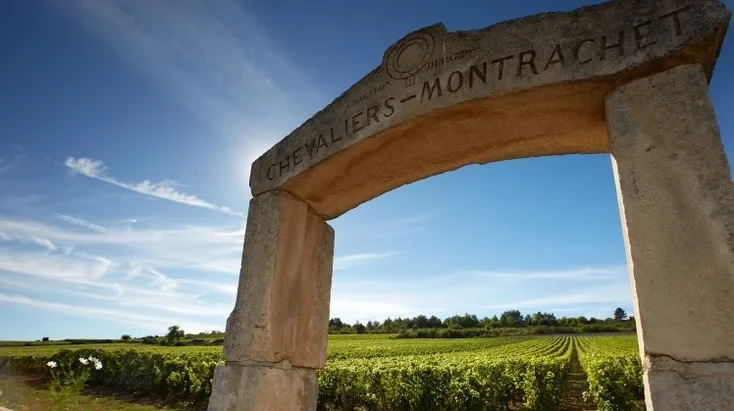
| Domaine Leflaive | Puligny-Montrachet | · |
| Gaja | Barbaresco | World's 50 Best |
| Weingut Dr. Loosen | Bernkastel-Kues | World's 50 Best |