Enosophia
- 01CityFericanci, Croatia

- Falstaff Winery - Listed · 2026
Enosophia in Fericanci is best understood as a destination winery rather than a simple stop for a quick drink. The profile points to a heritage-driven identity that blends tradition and innovation, with a modern and contemporary feel alongside a broader wine-tourism experience. That distinction matters for visitors, because the strongest way to approach the venue is not as a casual detour with only a glass in mind, but as a more considered part of a Fericanci visit, where the setting, the winery character and the sense of place are all part of the appeal.
For planning around Fericanci, treat Enosophia as the key named venue here. Other dining, drinking, hotel and experience options in Fericanci should be checked separately for current details before you build an itinerary around them. The available information supports Enosophia as the anchor point on this page, but it does not confirm the wider local landscape in enough detail to make reliable claims about nearby alternatives, pairings or add-on stops.
A modern destination winery in Fericanci
Enosophia’s confirmed positioning is clear: it is a winery in Fericanci with tasting, gastronomy and a wider wine-tourism focus. The atmosphere is described as modern, scenic, sophisticated and historic, which makes it better suited to visitors looking for a composed winery experience than to those seeking a purely casual bar stop. In practical terms, that means the venue reads as somewhere to give proper time and attention to, rather than somewhere to treat only as a brief, incidental refreshment break.
Specific details such as grape varieties, individual wines, awards, production figures, vineyard measurements and opening arrangements are not confirmed in available information here. Plan with that limitation in mind and confirm any current wine list, tasting format or visit details directly before going. This is especially important if your plans depend on a particular style of tasting, a meal component, a specific schedule or any other structured element of the visit, because those details should come from the venue rather than from assumption.
The most reliable way to frame Enosophia is as a contemporary winery experience with a heritage-led identity. That is enough to make it relevant for travellers interested in Fericanci as a wine-tourism stop, without relying on claims about particular bottles, medals or technical production details. The draw, based on what is confirmed, is the overall composition: a winery setting, a modern presentation, a scenic and sophisticated mood, and a connection to tradition that gives the visit a clearer identity than a generic tasting room description would.
Heritage identity with a contemporary presentation
The useful contrast at Enosophia is between tradition and innovation. Its description emphasizes a heritage-driven character, but not a nostalgic one: the venue is positioned as modern and contemporary, with a scenic and sophisticated atmosphere. That balance gives the winery its editorial shape. It suggests a place that wants to acknowledge background and continuity while presenting itself in a polished, current way, rather than leaning entirely into rusticity or purely old-world imagery.
What can be said with confidence is that Enosophia is presented as a destination winery where wine, gastronomy and tourism are part of the same experience. Those elements should be read together. The wine component is central, but the venue is not framed only as a production address or a bottle-focused retail stop; it is presented as somewhere where the broader visitor experience matters, including the way tasting and gastronomy sit within the overall setting.
Within Fericanci, that makes Enosophia the central named reference point on this page. If you are comparing it with other local options, keep the comparison general unless you have current, details for those venues. A careful comparison should stay with what is actually known: Enosophia has the clearest confirmed profile here as a winery with a modern, scenic, sophisticated and historic atmosphere, while other possible stops need their own verification before being folded into the same plan.
Why the visit works as part of a Fericanci wine itinerary
Enosophia works well for travellers who want a polished winery setting in Fericanci, with a contemporary atmosphere and a heritage-informed identity. The price level is $$, so it sits in a moderate bracket rather than being presented here as either a budget stop or a luxury splurge. That moderate positioning fits the way the venue is described: refined and destination-led, but not characterized in this page as an extreme high-end experience.
The confirmed appeal is the combination of tasting, gastronomy and broader wine-tourism experience. For visitors building a wine-focused route, that combination is useful because it gives the stop more dimension than a simple tasting alone. It allows Enosophia to function as a more rounded Fericanci winery visit, where the atmosphere and the heritage-driven contemporary presentation support the wine-tourism purpose.
For a Fericanci itinerary, Enosophia is a grounded choice when described simply: a modern, scenic, sophisticated destination winery with a heritage-driven identity and $$ pricing. That concise profile is more reliable than building the visit around unconfirmed awards, grape lists, service formats or production claims. Keep the plan flexible, verify the practical details directly, and let the confirmed strengths of the venue carry the decision: its winery focus, its destination character, and its blend of tradition with a contemporary presentation.
Questions
Frequently asked
How expensive is Enosophia?
Enosophia is listed at a price level of $$.
The field
How it compares
| Place | Notes | Awards |
|---|---|---|
| Enosophia | Feričanci, $$ | · |
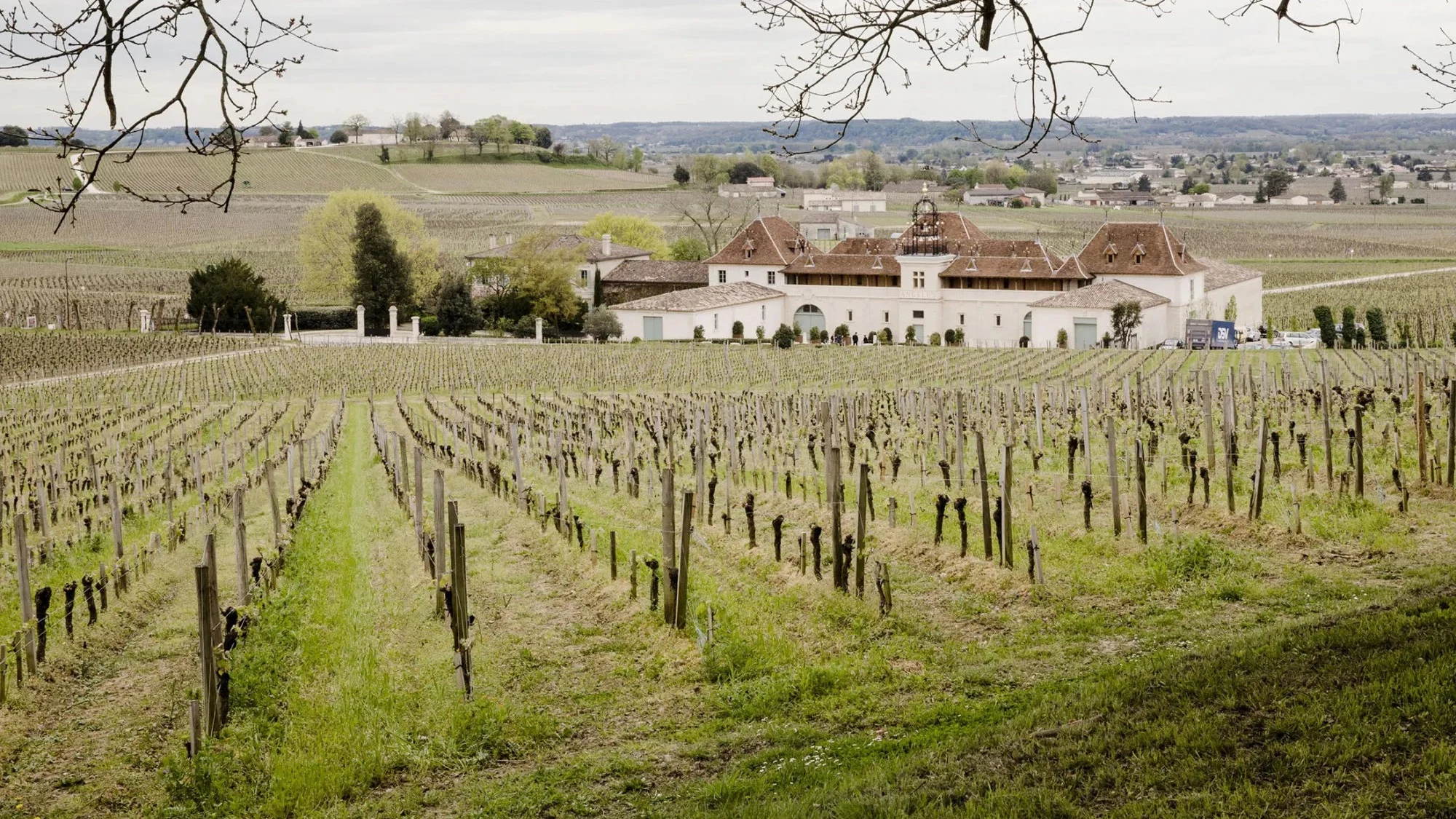
| Château Angelus | Saint-Émilion | · |
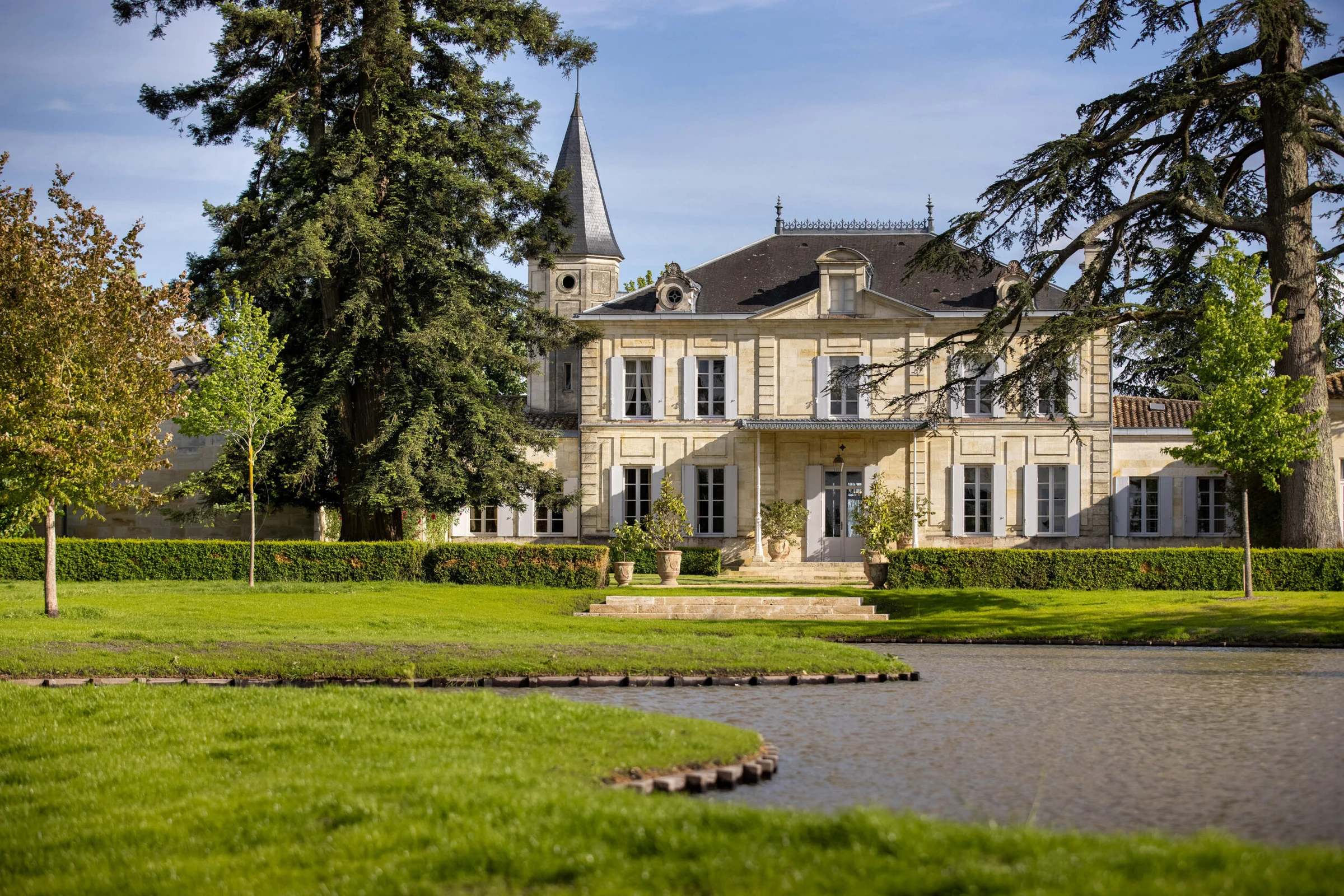
| Château Cheval Blanc | Saint-Émilion | · |
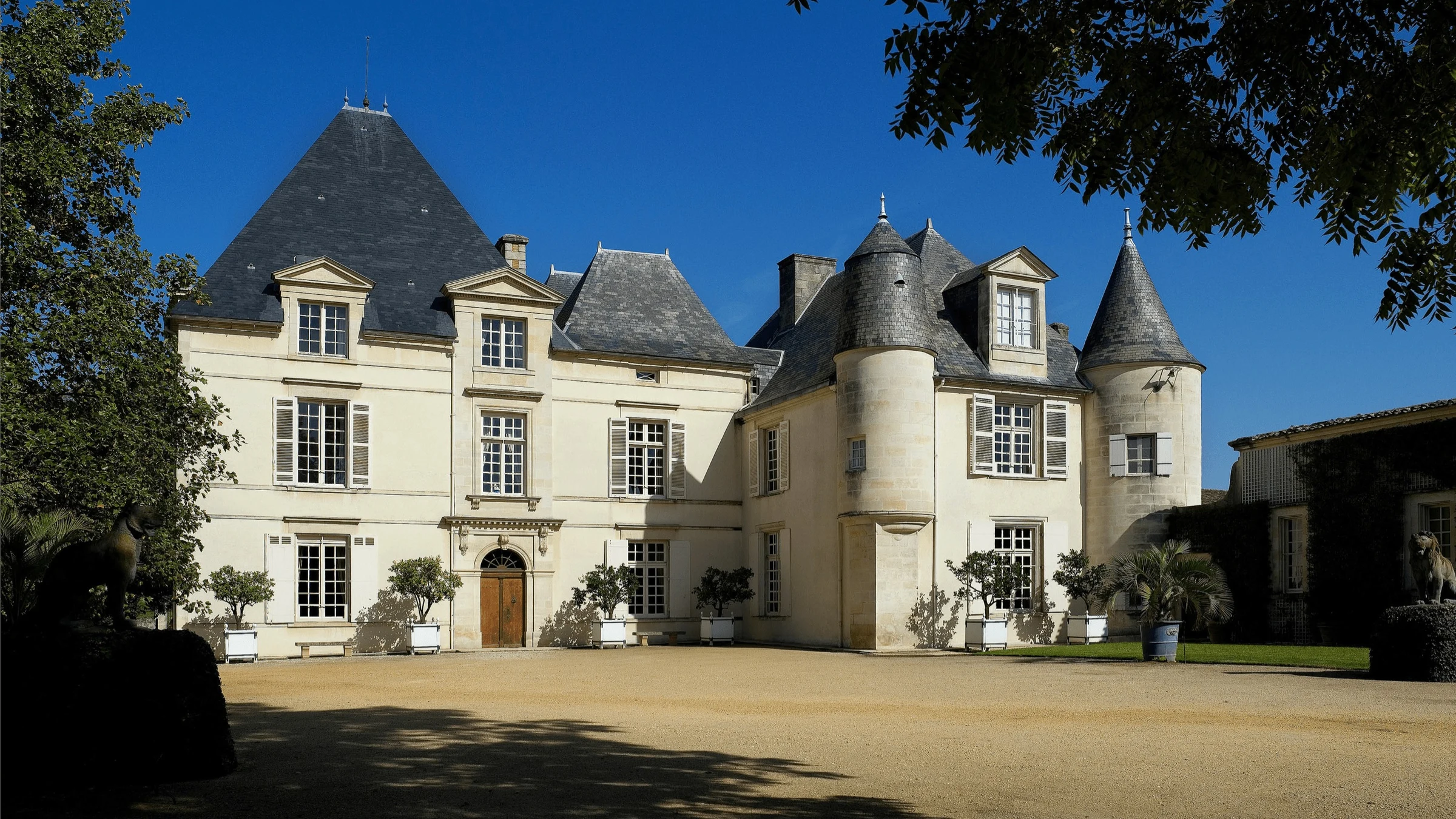
| Chateau Haut-Brion | Pessac | World's 50 Best |
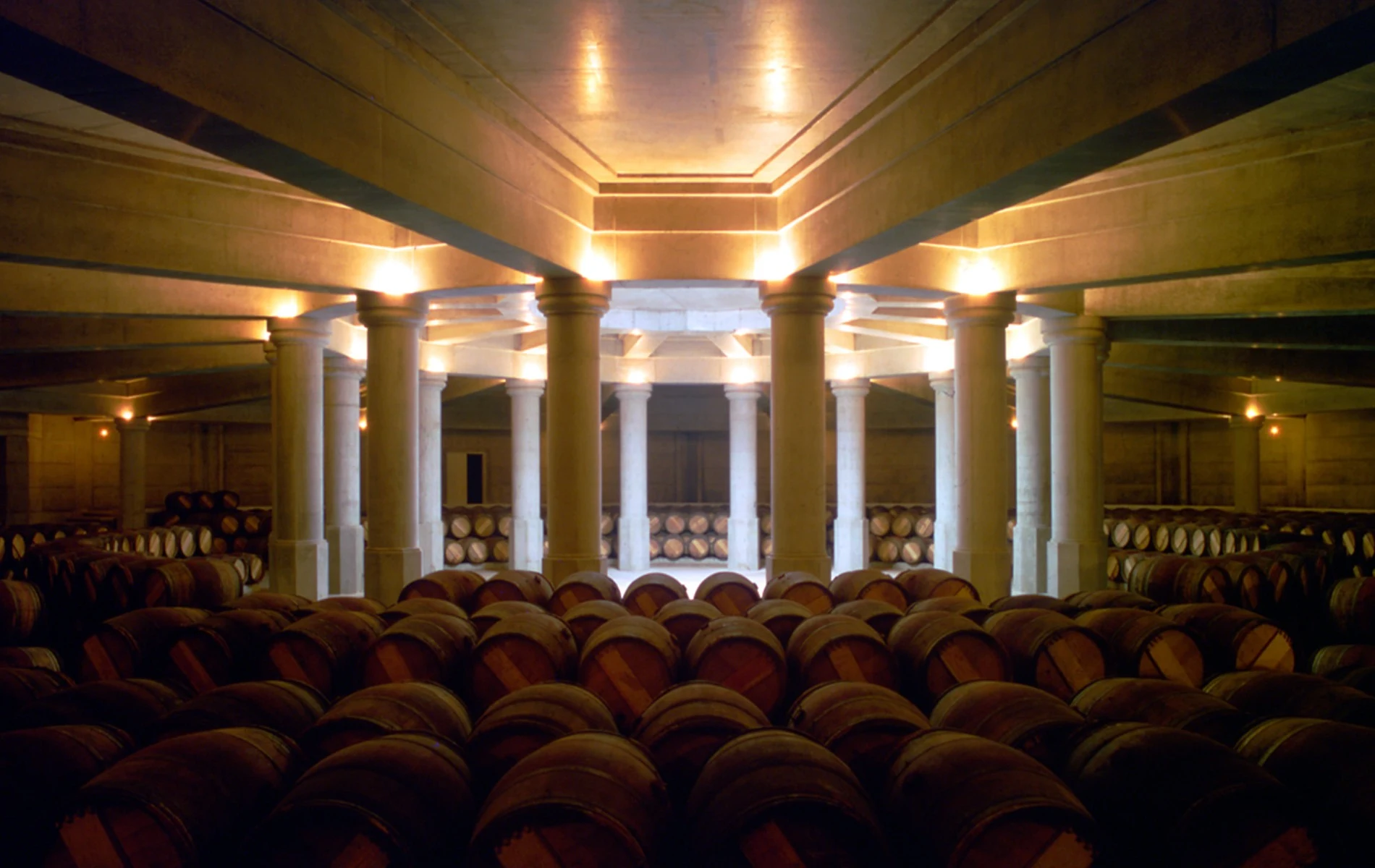
| Chateau Lafite Rothschild | Pauillac | · |
| Rippon Vineyard | Wānaka | World's 50 Best |
| Viña Montes | Santa Cruz | World's 50 Best |