Erste + Neue
- 01CityAlto Adige, Italy
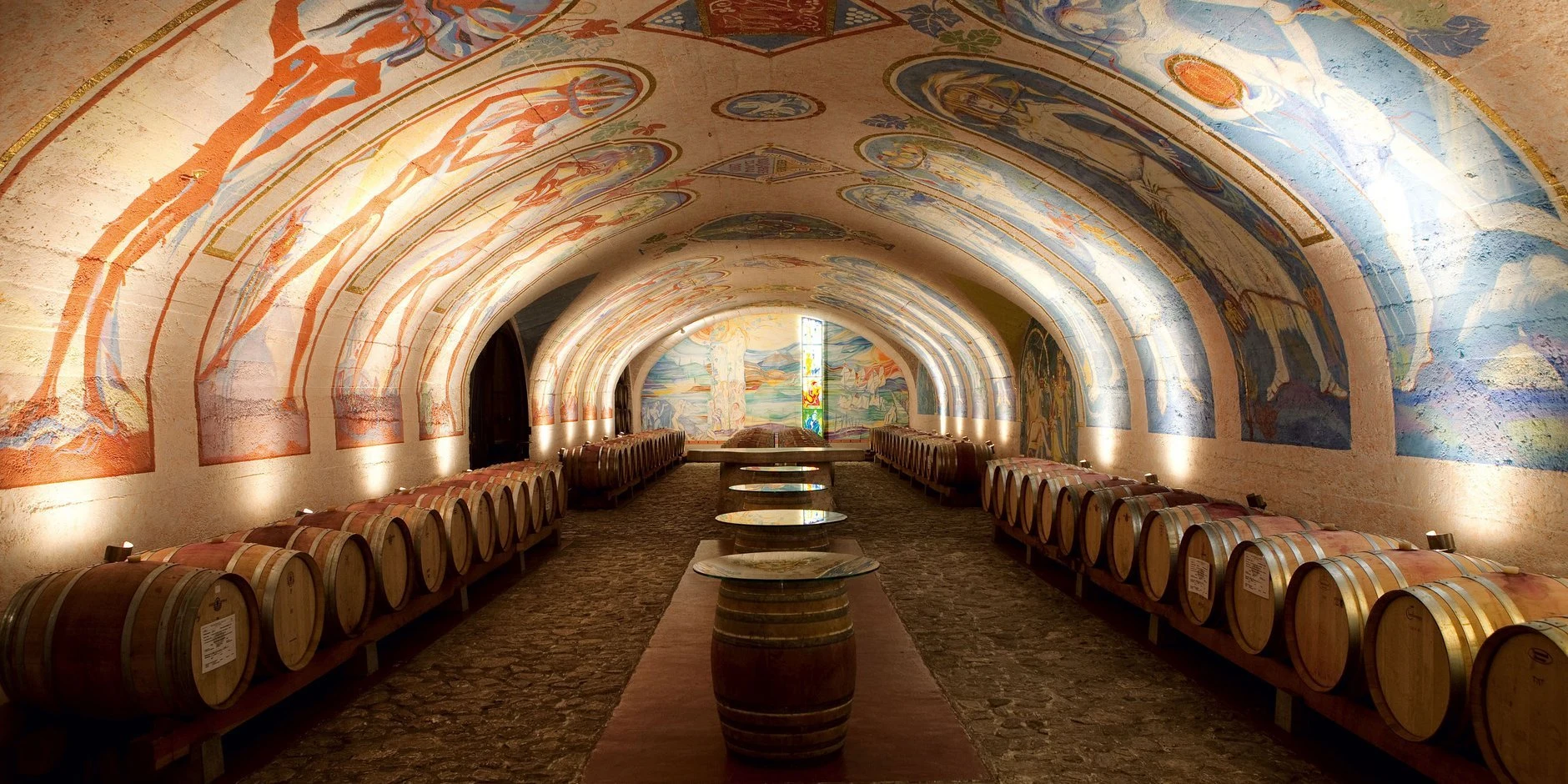
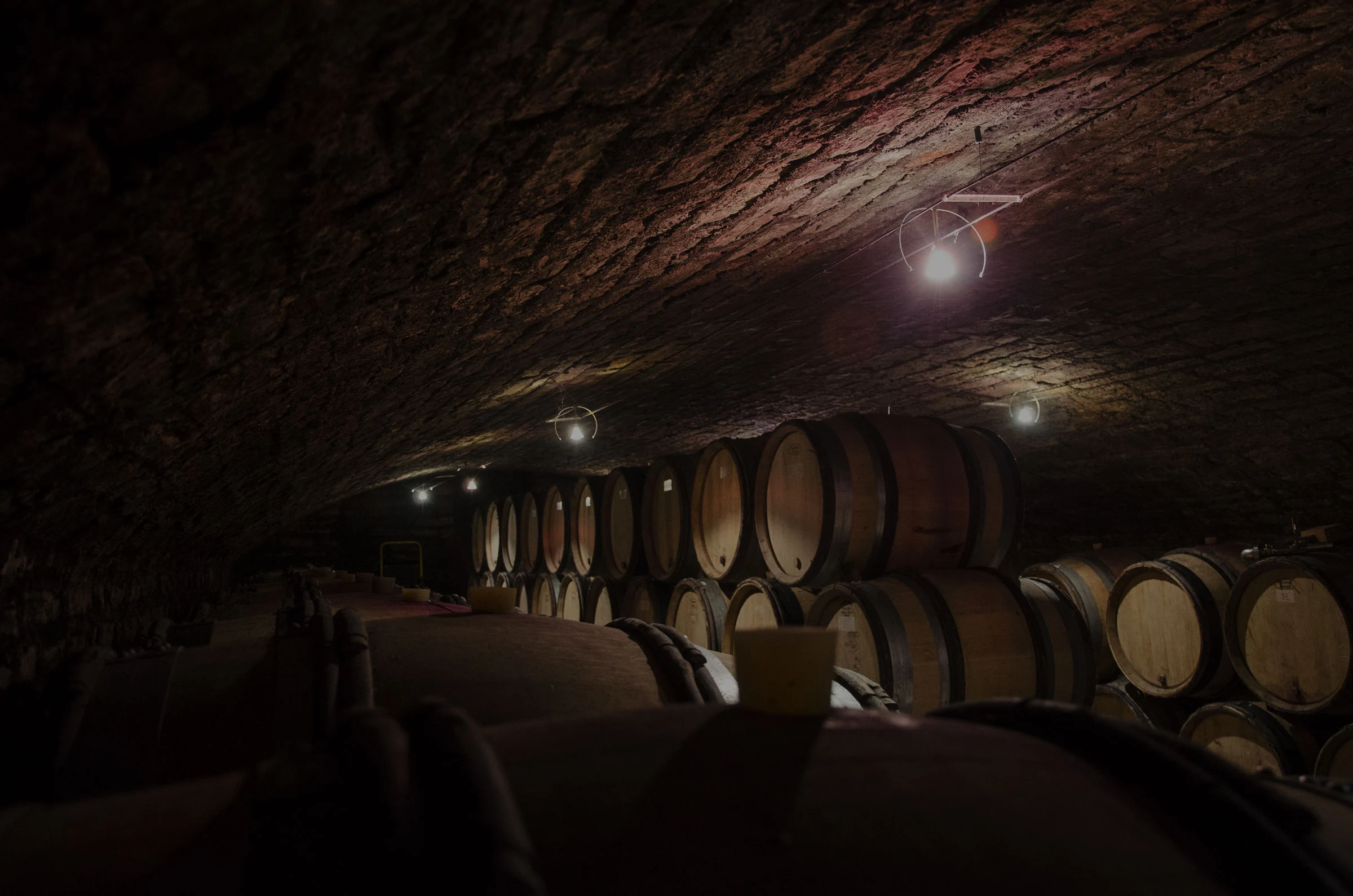
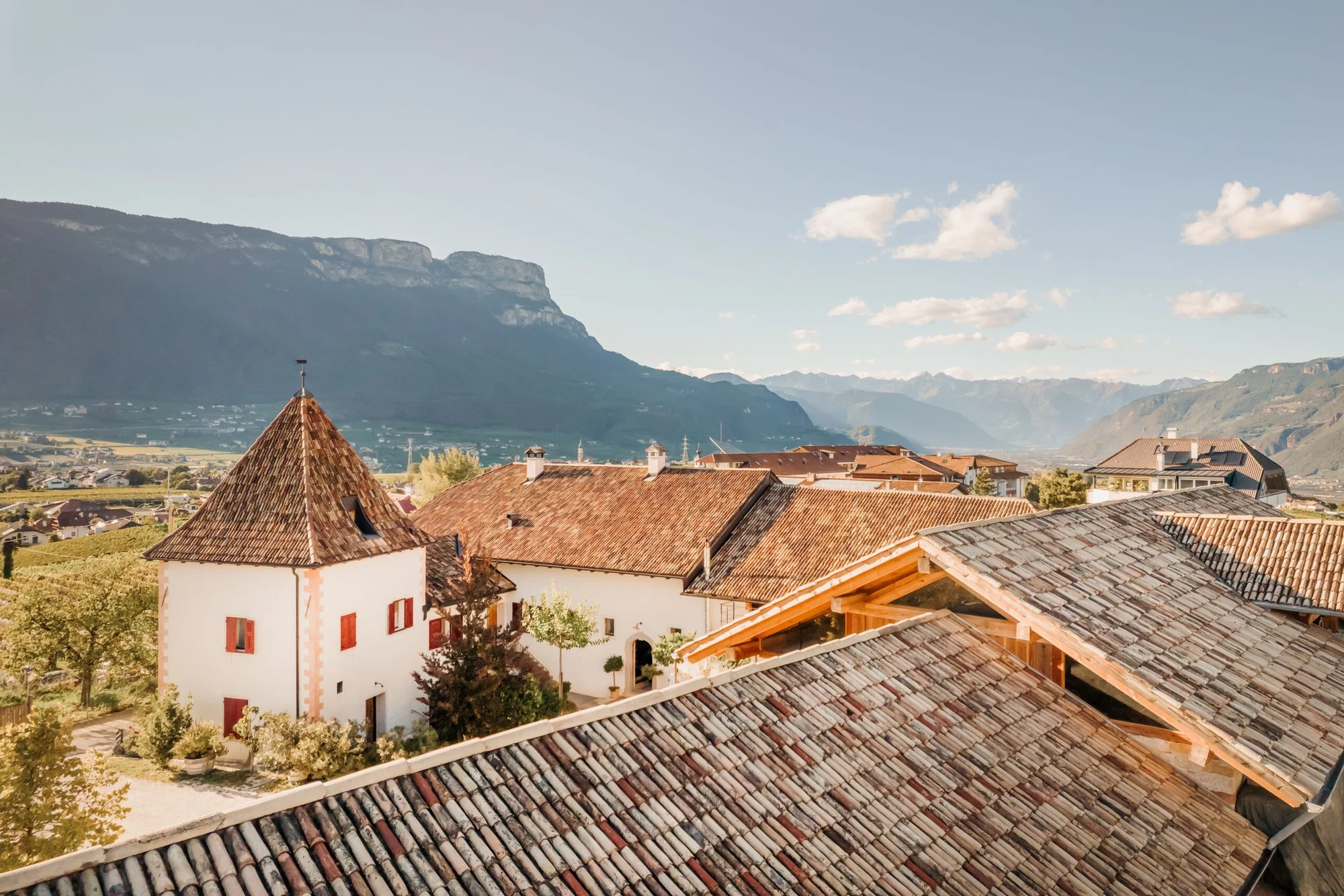
Alto Adige wine begins with contrast: Italian latitude, Alpine edges, brisk nights, and vineyards that can read more vertical than pastoral. In that setting, Erste + Neue is better understood through structure than spectacle. The useful clue is the cellar method: fermentation in stainless steel, ageing in large barrels, and a stated intention toward wines made to drink young.
Alpine freshness shaped by steel and large wood
That combination says a great deal about the style. Stainless steel protects primary fruit and line, while large barrels tend to season texture without pushing the wine toward overt oak. In Alto Adige, where acidity and aromatic lift are central to the regional identity, this approach fits a broader preference for clarity over weight.
The result, at least in format, belongs to the part of the region’s wine culture that values immediacy. These are not wines positioned around long-cellar drama in the way some warmer-climate reds are. Erste + Neue’s stated young-drinking aim places the emphasis on freshness, balance, and early accessibility, a useful lens for readers comparing Alto Adige producers by purpose rather than prestige cues.
Where Erste + Neue fits in an Alto Adige itinerary
For travellers building a wider food-and-wine route, Alto Adige rewards cross-category planning. The region’s restaurants often frame mountain produce with Italian precision, while its hotels and bars tend to reflect the same north-south tension found in the glass. Start with The Alto Adige wineries guide, then pair the wine context with The Alto Adige restaurants guide, The Alto Adige hotels guide, The Alto Adige bars guide, and The Alto Adige experiences guide.
The editorial draw here is not trophy chasing. It is a compact lesson in Alto Adige’s modern wine grammar: cool-climate tension, cellar restraint, and bottles intended for the table rather than the museum shelf.
The field
How it compares
| Place | Notes |
|---|---|
| Champagne Salon | Le Mesnil-sur-Oger |
| Château Angelus | Saint-Émilion |
| Château Cheval Blanc | Saint-Émilion |
| Château Lynch-Bages | Pauillac |
| Domaine Hubert Lignier | Morey-Saint-Denis |
| Weingut Ignaz Niedrist | Alto Adige |