
- Falstaff Winery - Listed · 2026
Evening Land Vineyards in Lompoc is best understood as a focused tasting stop rather than a grand-estate visit. The experience is intimate and story-driven, centered on Pinot Noir and Chardonnay, with an emphasis on natural winemaking and a connection to the Seven Springs vineyard. Its simple, wine-ghetto style setting keeps the attention on the glass rather than on architectural spectacle, which gives the visit a more concentrated feel. Instead of asking the room to create the drama, the tasting asks the wines, the vineyard reference point, and the conversation around them to do the work.
Pinot Noir and Chardonnay treated as site languages
Pinot Noir and Chardonnay are the core of the experience at Evening Land Vineyards. Rather than presenting the visit as a broad tasting-room overview, the focus is on how these two varieties are used to carry the vineyard story. The Seven Springs connection gives the tasting a clear point of reference, and the natural-winemaking emphasis shapes the way the wines are discussed. In that sense, the varieties are not treated as generic categories; they become the two main lenses through which the visit is organized.
The trust signal here is not an asserted award list or a luxury setting. It is the discipline of a focused tasting: Pinot Noir, Chardonnay, natural winemaking, and a story-led approach that asks visitors to pay attention to the connection between the wines and the vineyard narrative. That kind of narrowness can be a strength, especially for guests who would rather follow a coherent line of thought than move through a scattered set of pours.
That is the value of this Lompoc stop. It is suited to guests who want a quieter, more interpretive tasting experience, where the conversation can stay close to the wines and the story behind them. The appeal is not in breadth for its own sake, but in the chance to sit with a clearly defined point of view and understand how the tasting is being framed.
The wine-ghetto style format works when the glass carries the architecture
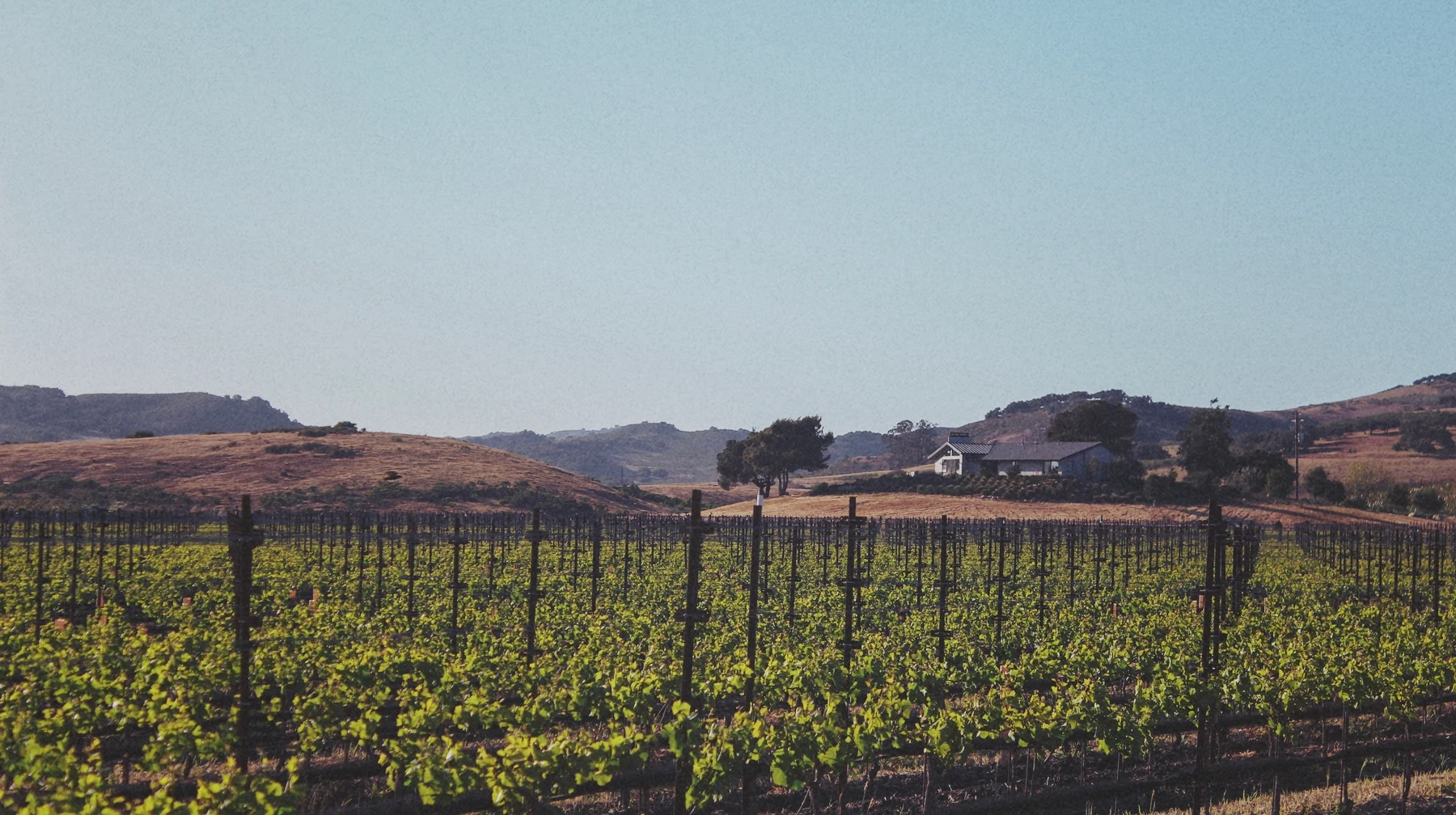
Evening Land Vineyards is described as a simple wine-ghetto style setting rather than a grand estate. That matters because the room is not the main event. The hospitality rests on clarity: what is being poured, why Pinot Noir and Chardonnay are the focus, and how the Seven Springs story connects to the wines. The setting therefore becomes a kind of quiet frame, useful because it does not compete with the tasting itself.
The experience is better suited to visitors who enjoy vineyard talk and a more intimate pace than to those looking for a showy wine-country production. The setting supports a tasting that is conversational and focused, with the wines carrying the weight of the visit. For the right guest, that can make the stop feel more direct and more personal, because the emphasis remains on listening, tasting, and connecting the details rather than being moved through a larger performance.
For travelers who prefer a simple setting, that restraint is part of the appeal. Evening Land Vineyards does not need to be framed as a spectacle; its strongest case is a focused, story-driven tasting built around Pinot Noir and Chardonnay. The lack of grand-estate theater is not a drawback in this context, because the purpose of the visit is already clear. The room supports the wines by staying out of their way.
How to place it in a Lompoc wine day
For a Lompoc itinerary, treat Evening Land Vineyards as a story-focused stop rather than a spectacle stop. It fits best into a day organized around attentive tasting, with time left for other Lompoc dining and wine experiences without overloading the schedule. It is the kind of visit that benefits from a bit of mental space, because the value is in following the through-line: Pinot Noir, Chardonnay, natural winemaking, and Seven Springs.
Because the details are focused rather than expansive, the planning brief is simple: expect a $40 per person tasting experience centered on Pinot Noir and Chardonnay, natural winemaking, and the Seven Springs vineyard story in a simple Lompoc setting. That straightforwardness makes the stop easy to place in a day without needing to build the entire itinerary around it.
The verdict is direct: choose Evening Land Vineyards when the point of the day is understanding a focused Pinot Noir and Chardonnay tasting through the lens of natural winemaking and the Seven Springs connection. The room is not trying to outshine the wines, and that restraint is the advantage. If the goal is a quieter Lompoc tasting that keeps returning to the same coherent set of ideas, this is the kind of stop that makes sense.
Questions
Frequently asked
Who works at Evening Land Vineyards?
Made By profiles Isabelle Meunier (Winemaker) at Evening Land Vineyards.
How expensive is Evening Land Vineyards?
Evening Land Vineyards is listed at a price level of $$.
The field
How it compares
| Place | Notes |
|---|---|
| Evening Land Vineyards | Lompoc Wine Ghetto, $$ |
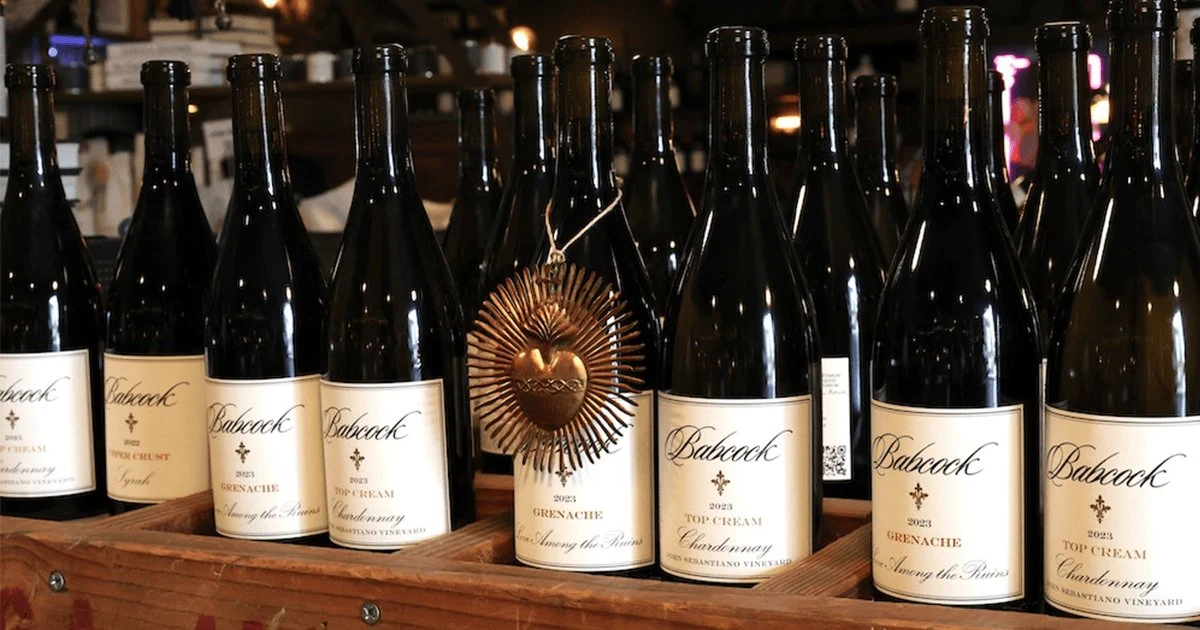
| Babcock Winery & Vineyards | Lompoc |
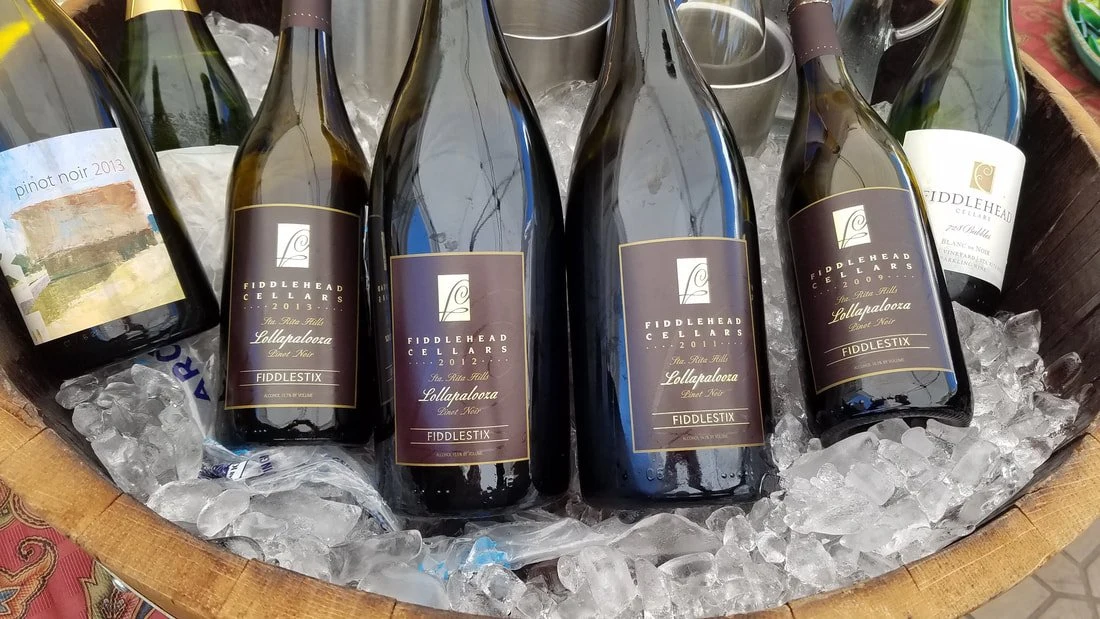
| Fiddlehead Cellars | Lompoc |
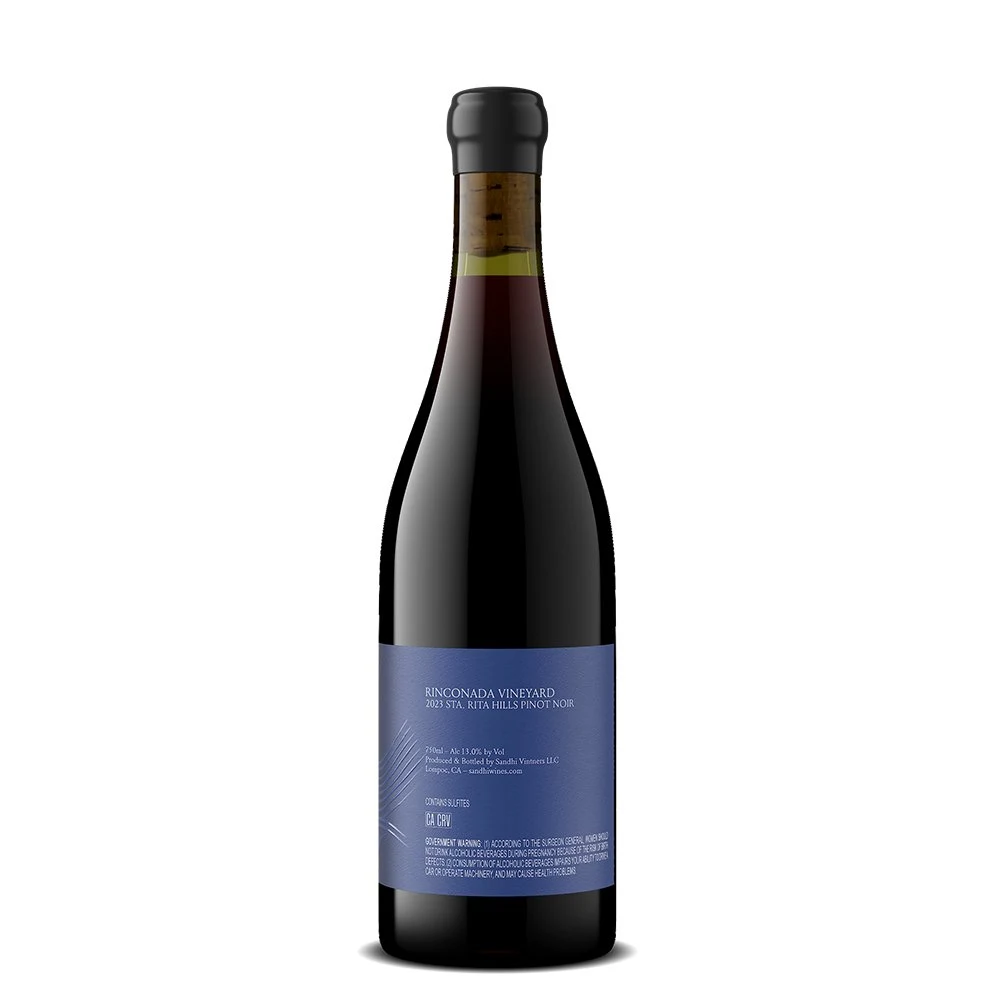
| Sandhi Wines | Lompoc |
| Sanford Winery | Lompoc |
| Tyler Winery | Lompoc |
| Zotovich Vineyards | Lompoc |