Ewald Zweytick, winemaker at Ewald Zweytick Wein in Ehrenhausen, crafts ripe Südsteiermark fruit into distinctive site-led white wines.
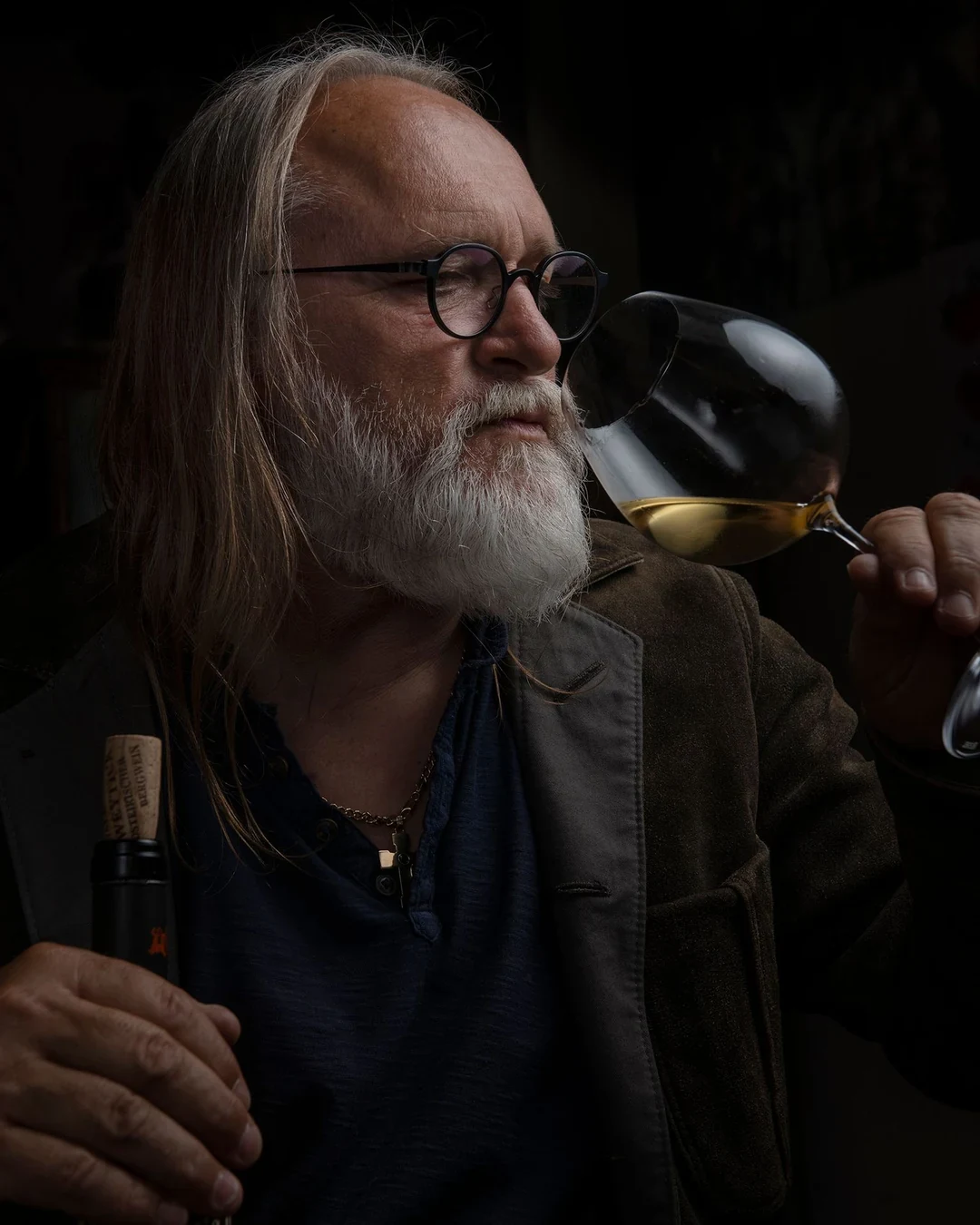
Ripeness comes first for Ewald Zweytick, winemaker at Ewald Zweytick Wein in Ehrenhausen. He states the choice without ornament: “I don't pick green grapes to get this extreme fruit tone, I want ripe grapes.” That line governs the work in Ratsch an der Weinstraße, where the estate sits inside the Südsteiermark hills and the vineyard slopes ask for time on the tools before any tank or press can matter. Zweytick founded the winery in 1996, building a small estate around aromatic whites rather than breadth for its own sake. His bench is the vineyard as much as the cellar: Sauvignon Blanc, Gelber Muskateller, Weißburgunder, Chardonnay and Grauburgunder all depend on fruit brought in at the point he wants, not at the point a fashion for sharpness would demand. The house’s recognition, including Falstaff Winemaker of the Year in 2025 for Zweytick, belongs to a style that keeps fruit and ageability in the same frame. He puts that second aim plainly too: “it's important to me that my wines are also enjoyable years later.”
The estate works around 20 hectares of vineyards and produces approximately 80,000 bottles per year, a scale that keeps the hand close to the row. The important names are not decorative: Ried Stermetzberg, Ried Sulz, Ried Höllriegl am Alten Pfarrweingarten Gamlitz and Witscheiner Herrenberg give the wines their separations. Sauvignon Blanc carries much of the estate’s grammar, from Südsteiermark bottlings to site wines such as Ried Witscheiner Herrenberg and Ried Stermetzberg Heavens Door. Chardonnay Ried Stermetzberg November Rain and Grauburgunder Ried Stermetzberg Tosca sit in the same discipline, using site and variety as structure rather than label. In the cellar, the method stays restrained: gentle handling at crushing and pressing, controlled fermentation, and a preference for clarity of fruit over a heavy barrel signature. Some single-vineyard wines may take extended lees contact or brief oak aging, but the program does not lean on wood for scale. The work is to let ripeness arrive without blurring the line of the vineyard.
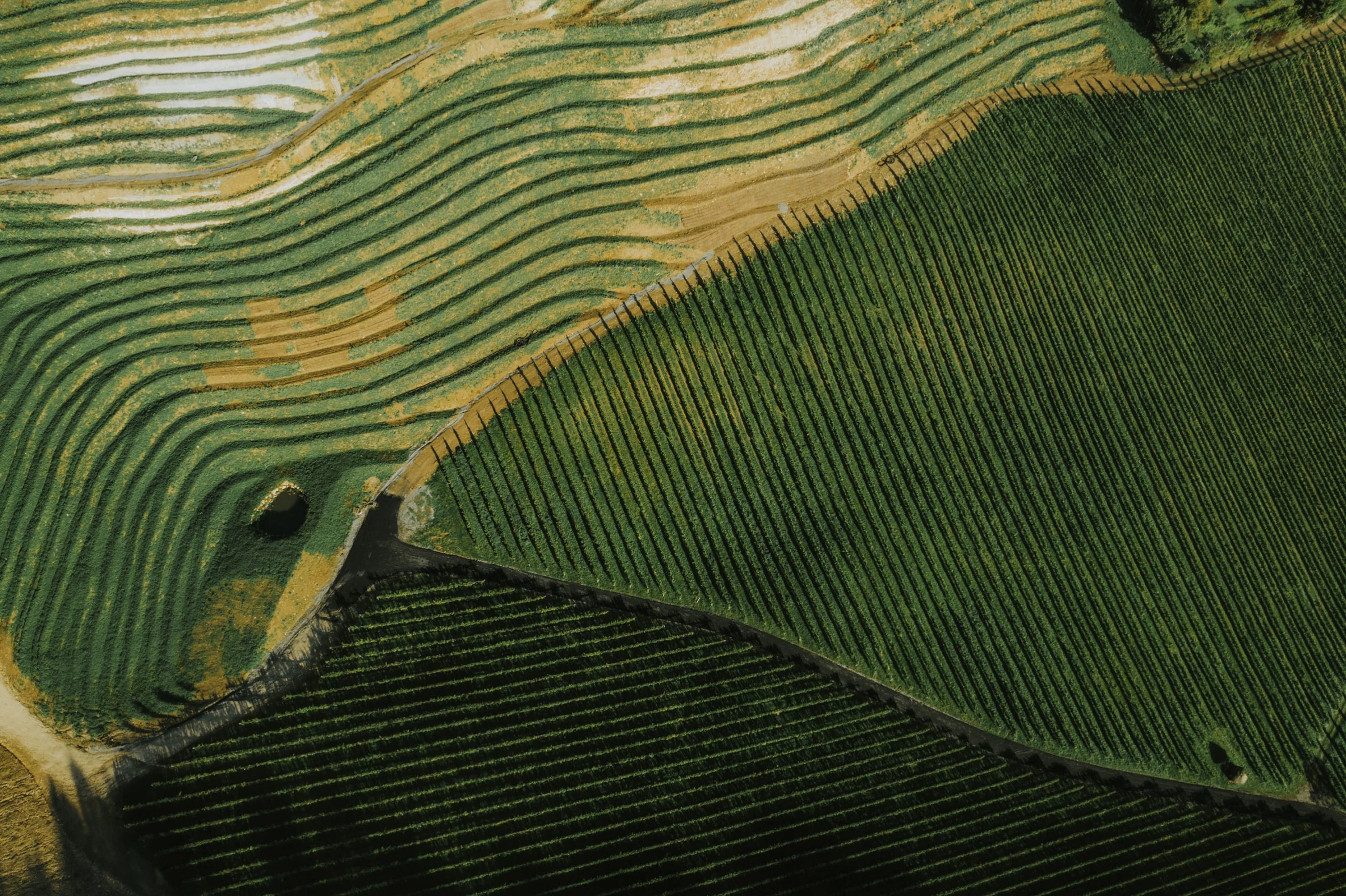
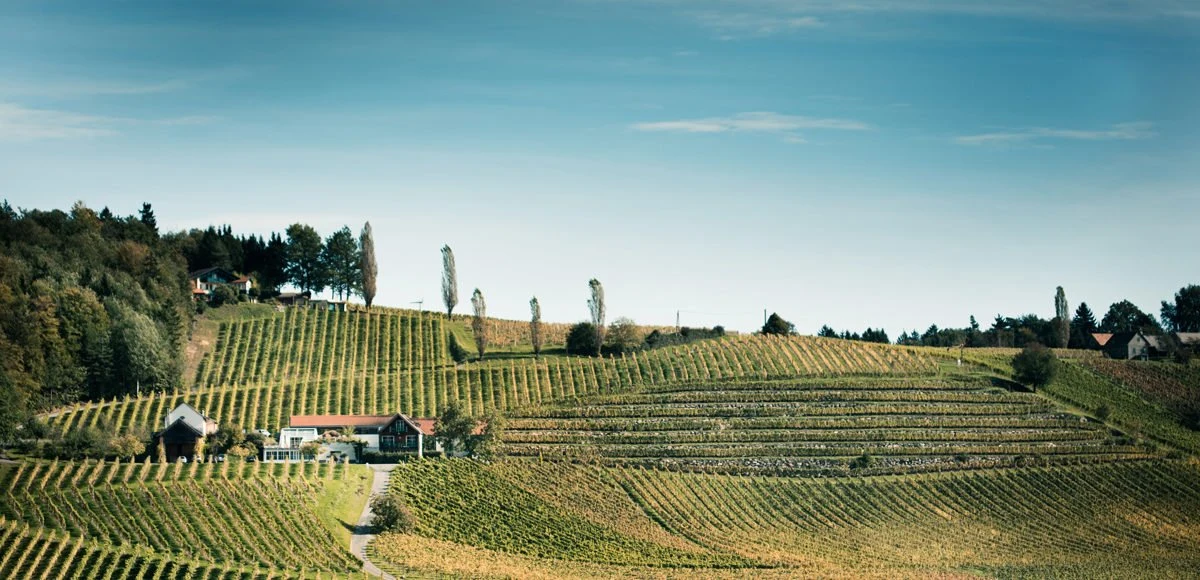
The place is quiet in the way small wineries often are: the noise is practical, not theatrical. Outside, the steep vineyard hills around Ratsch an der Weinstraße pull the eye upward and across rows that make mechanized ease feel beside the point. Inside, the cellar reads as a working room for white wine, with tanks and decisions arranged around freshness, aroma and the pressure of site. The tasting room follows the same register. It does not need polish to explain itself; the view over the surrounding vineyards already gives the wines their first sentence. A glass of Gelber Muskateller here has the advantage of context, with the slopes close enough to keep the fruit from becoming an abstraction.
Zweytick’s future at the estate is not framed as a pivot, and the house does not need one. The next movement is already inside the release pattern: regional wines, village expression, then single-vineyard bottlings that test how far ripeness can travel with freshness intact. The concrete thing to follow is the continued line from Ried Stermetzberg into Chardonnay Ried Stermetzberg November Rain.
Ehrenhausen, Southern Styria, Styria, Österreich
Ratsch an der Weinstraße