Made ByWinery
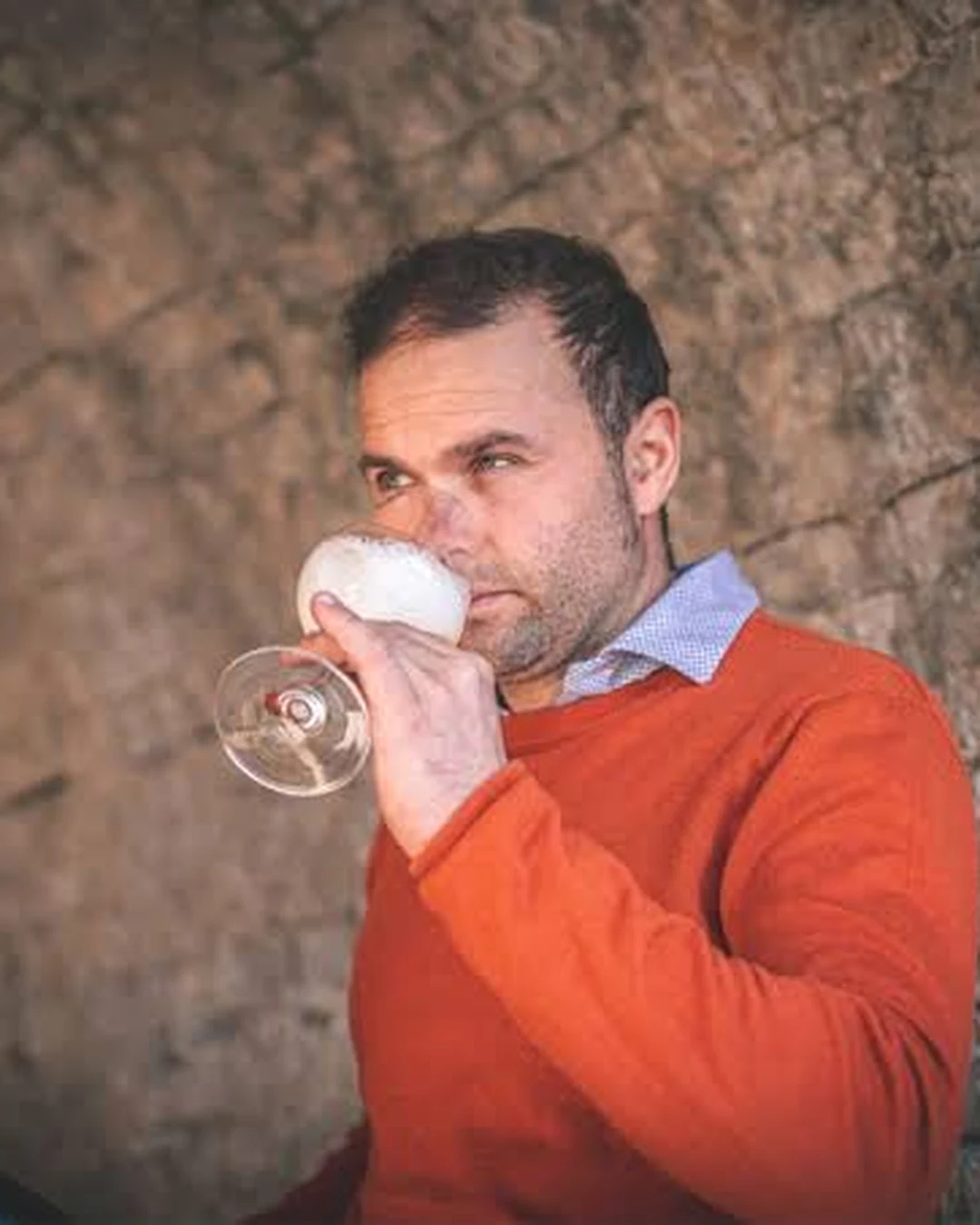

Fabio Perrone, winemaker at Fabio Perrone in Santo Stefano Belbo, works a family Moscato estate from Valdivilla vineyard to bottle.
At a glance
- Price
- $$
- Neighborhood
- Valdivilla
Three generations on Valdivilla hills
Annual pruning limits fruit, cane by cane, before summer thinning sharpens it again. Fabio Perrone, winemaker at Fabio Perrone in Santo Stefano Belbo, brings that discipline into the cellar. The estate is family’s Cascina Galletto, a small hillside winery in Valdivilla frazione, where the Perrone name has belonged to Moscato country since Mario Perrone founded the vineyard operation in the 1970s. Mauro Perrone, Mario’s son, moved the work into bottle production, clarifying the farm’s winegrowing identity. Fabio, third generation, trained at the Oenological School of Alba and joined in the early 2000s, with Mauro, Bruna Perrone, and Sabrina Perrone still in the family structure.
His station is not a single room. Ownership places him across the whole cycle, from vine cultivation to packaging, with the cellar treated as an extension of the rows rather than a corrective stage. The house states its position plainly: “We have always preferred a natural approach, for better quality grapes and for a highly regarded final product.” In practice, that means attention to what the Valdivilla hills can give without crowding the fruit. The estate farms 19 hectares, largely for Moscato Bianco Canelli, on steep land where handwork is not romance. It is the way the job gets done.
Moscato held in stainless steel
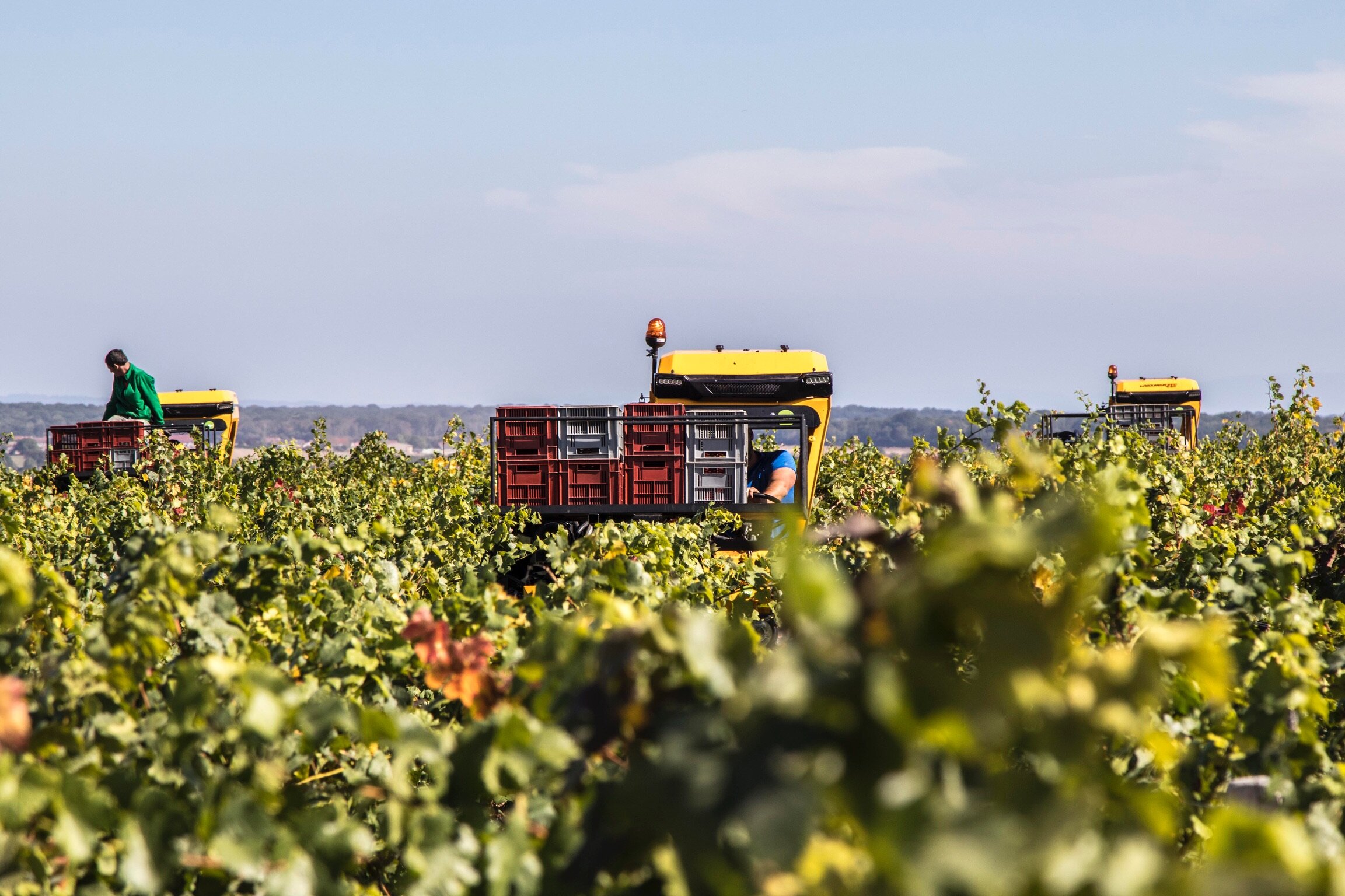
The method here begins with the grape that defines the place. Moscato Bianco Canelli grows on south-facing vineyards at about 350 meters above sea level, trained by the traditional Piedmontese Guyot system, with annual pruning and fruit renewal shaping the crop before harvest. Thinning at the end of August concentrates the remaining bunches; harvest follows from the end of October into early November, when the aromatic work of the season has had time to settle into the skins.
For Cascina Galletto Moscato d’Asti DOCG, fermentation takes place in refrigerated autoclaves, stainless steel tanks that protect aroma and keep oxidation away from the wine. The finished alcohol sits at 5.5% vol, low by design, keeping the wine in the register of freshness, floral lift, ripe fruit, and a discreet note of honey. Stainless steel aging preserves that line. Fabio’s stated cellar principle is of a piece with the vineyard one: “The winemaking respects the care of winegrowing by allowing native fermentations and eschewing any additives.”
The range stretches beyond Moscato d’Asti, though never far from Piedmontese grammar. Nebbiolo “Ciabòt” is destemmed and crushed, then fermented with selected yeasts at around 25°C, with pumping over during maceration to draw out tannin, anthocyanins, and the rose and red-fruit register of the variety. The wine matures in barrels used in the previous year, taking oak as seasoning rather than architecture. “Spurì,” made from withered Moscato Bianco Canelli grapes, appears only in the sunniest vintages. When the weather allows, the bunches wither in the vineyard; otherwise, the family stacks them on wooden racks before pressing, stainless steel fermentation, and about one year in used oak barrels.
The cellar below the rows
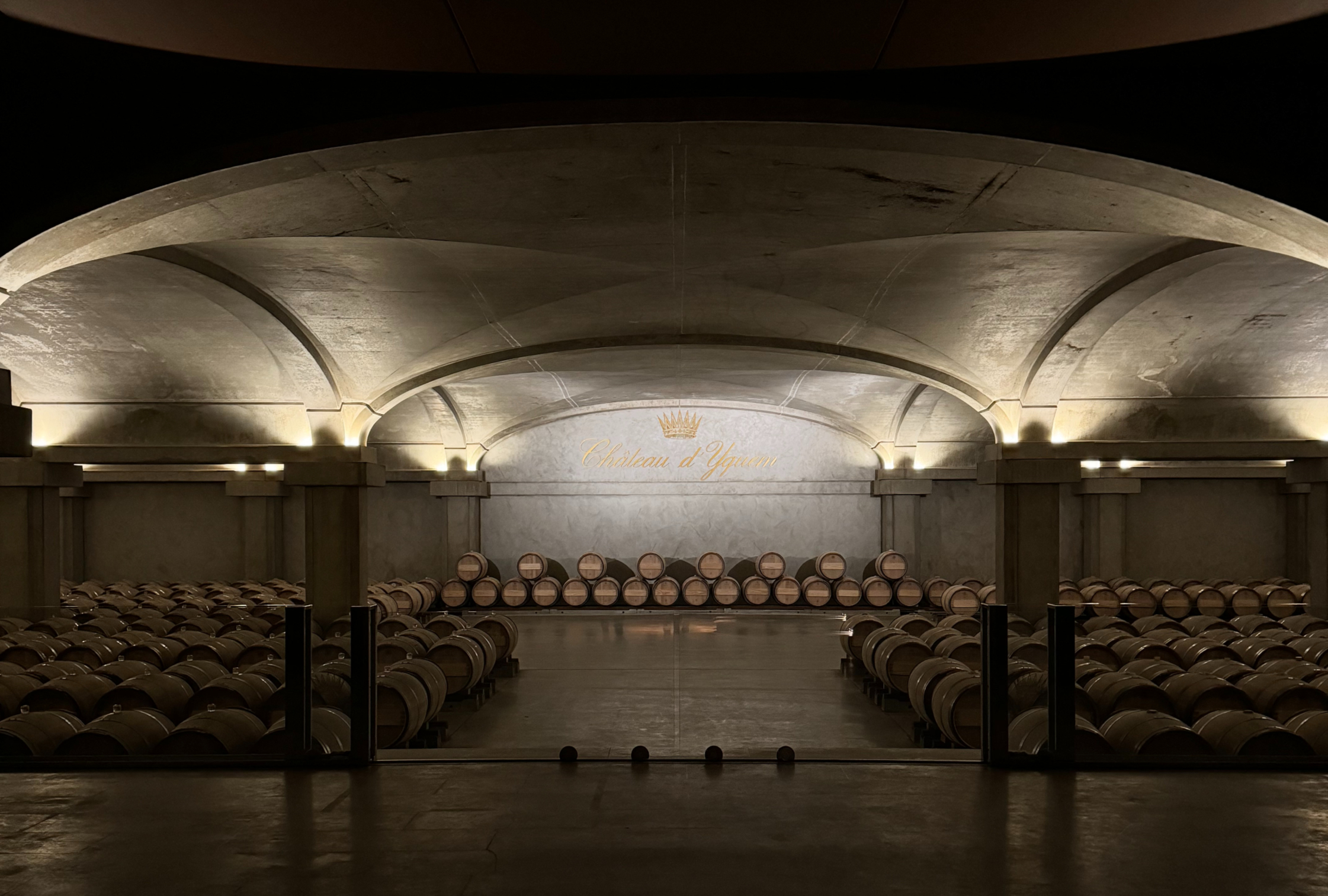
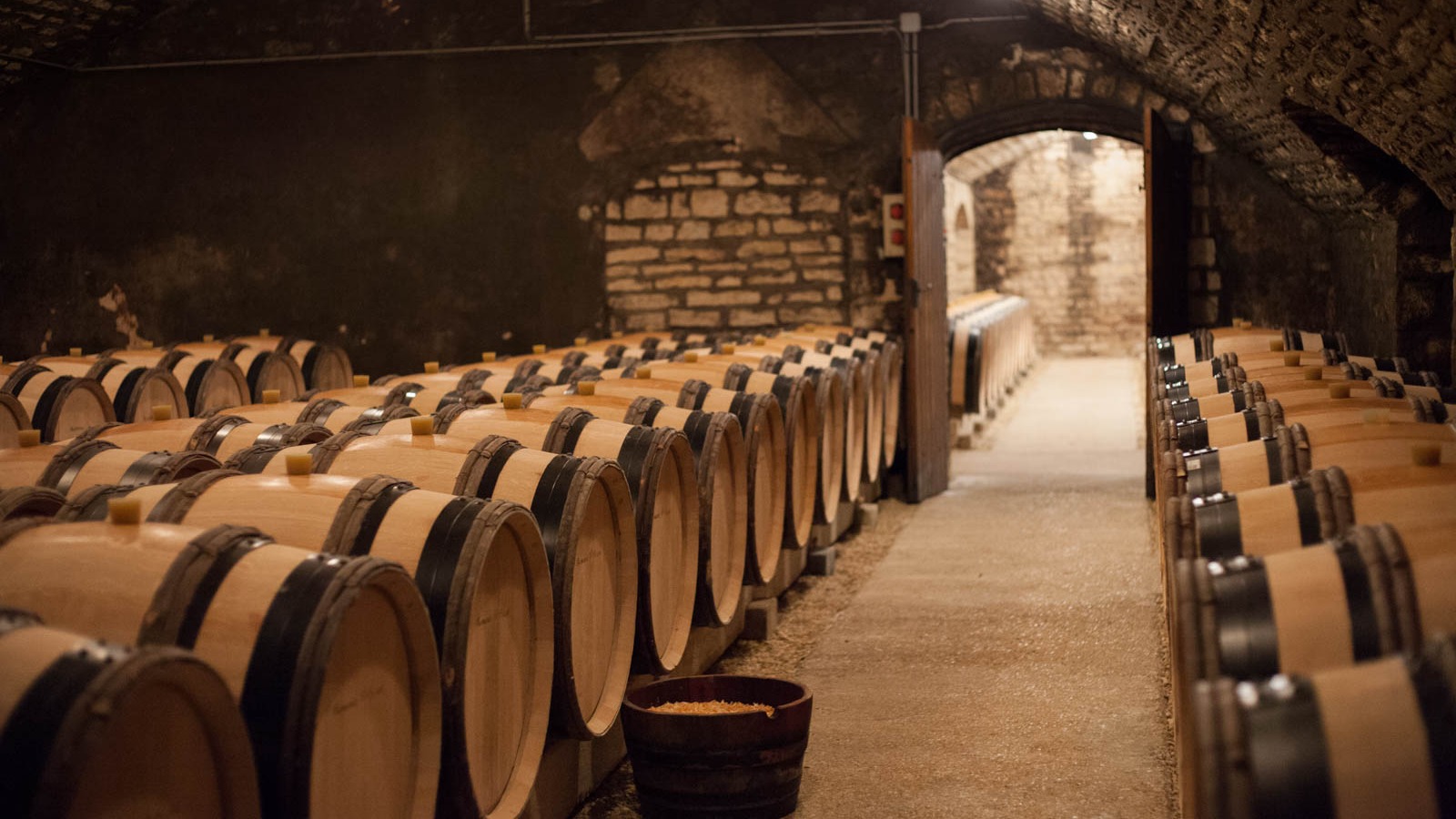
The room around the work has the quiet of a farming estate, not the polish of a visitor center. Valdivilla is a small frazione of Santo Stefano Belbo, a hill settlement where vineyards sit close to the houses and the grade of the land is part of the working day. The cellar belongs to that rhythm. Stainless steel, used barrels, bottling, and packaging all sit inside a family-run chain of decisions, with the rows visible as the beginning of the program rather than a view appended to it.
In the tasting room, the point is not theatrical distance from the making. The wines return to the same materials named in the vineyard: Moscato Bianco Canelli, Nebbiolo, Barbera, Dolcetto, and Alta Langa. A glass of Cascina Galletto Moscato d’Asti DOCG carries the estate’s central wager, that fragrance and restraint can survive the full passage from Valdivilla fruit to bottle.
Know before you go
- Reservations
- appointment_only
- Parking
- street
- Payment
- credit_card, debit_card, cash
Address
Santo Stefano Belbo, Piedmont, Italien
Valdivilla