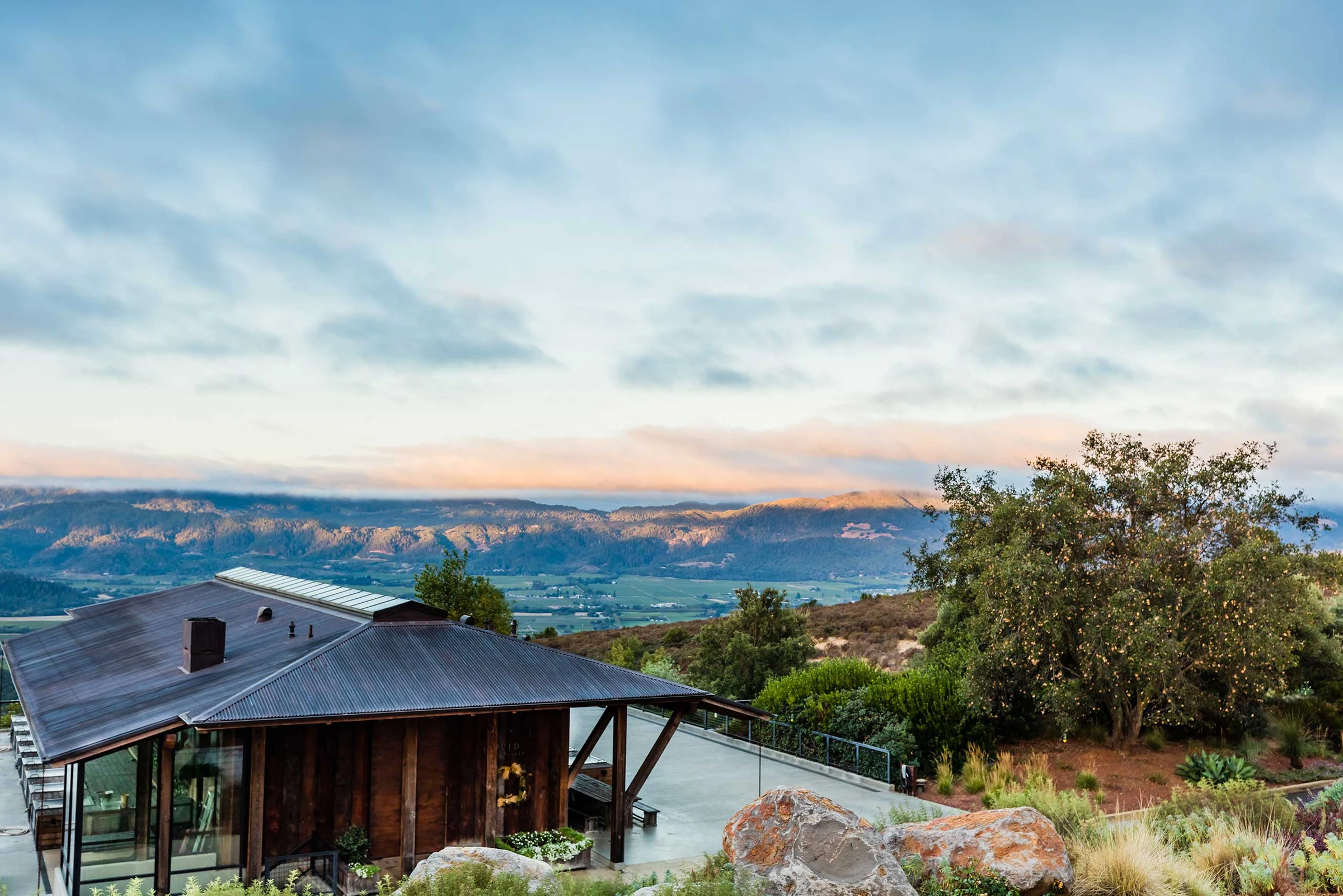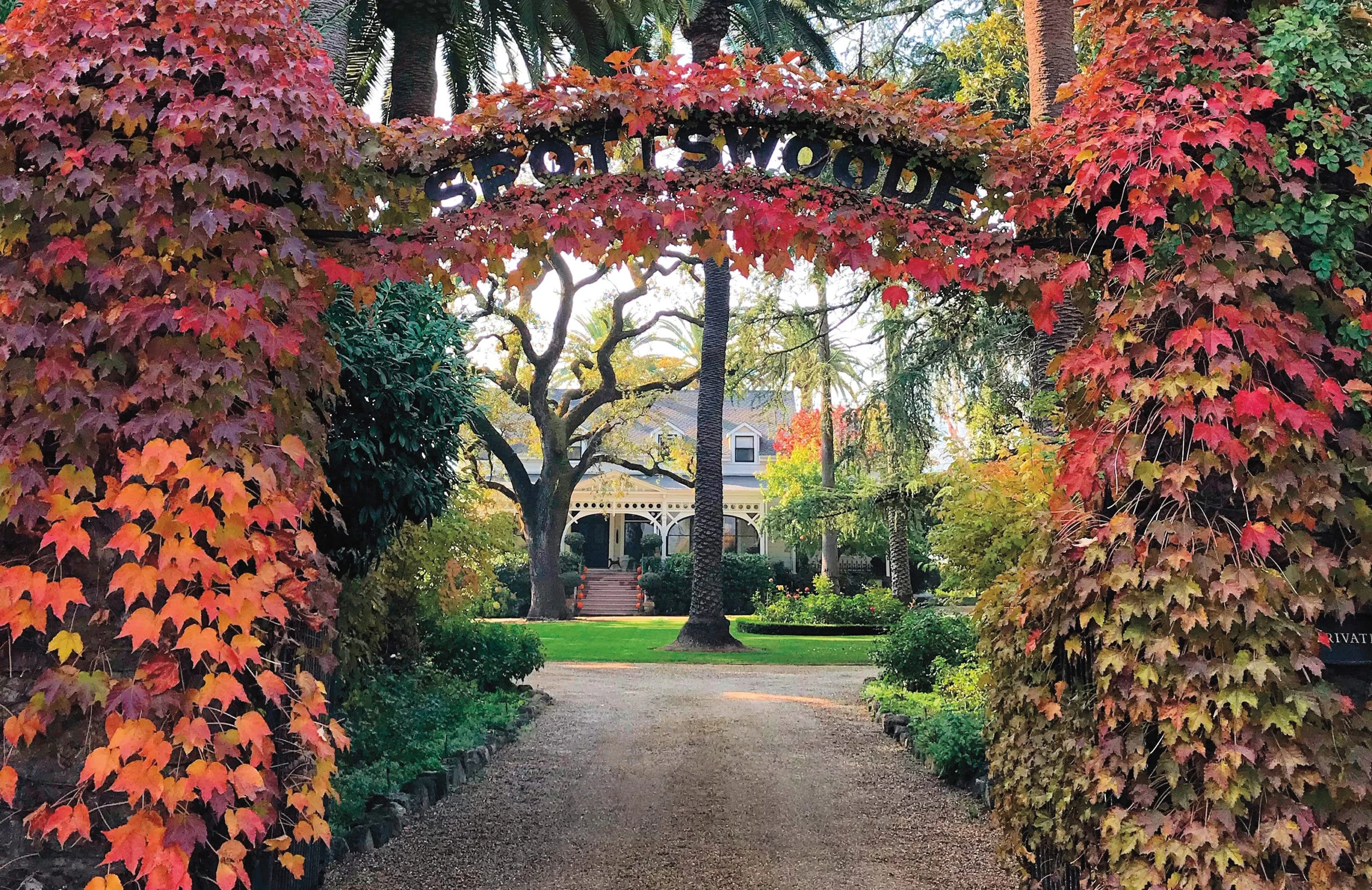
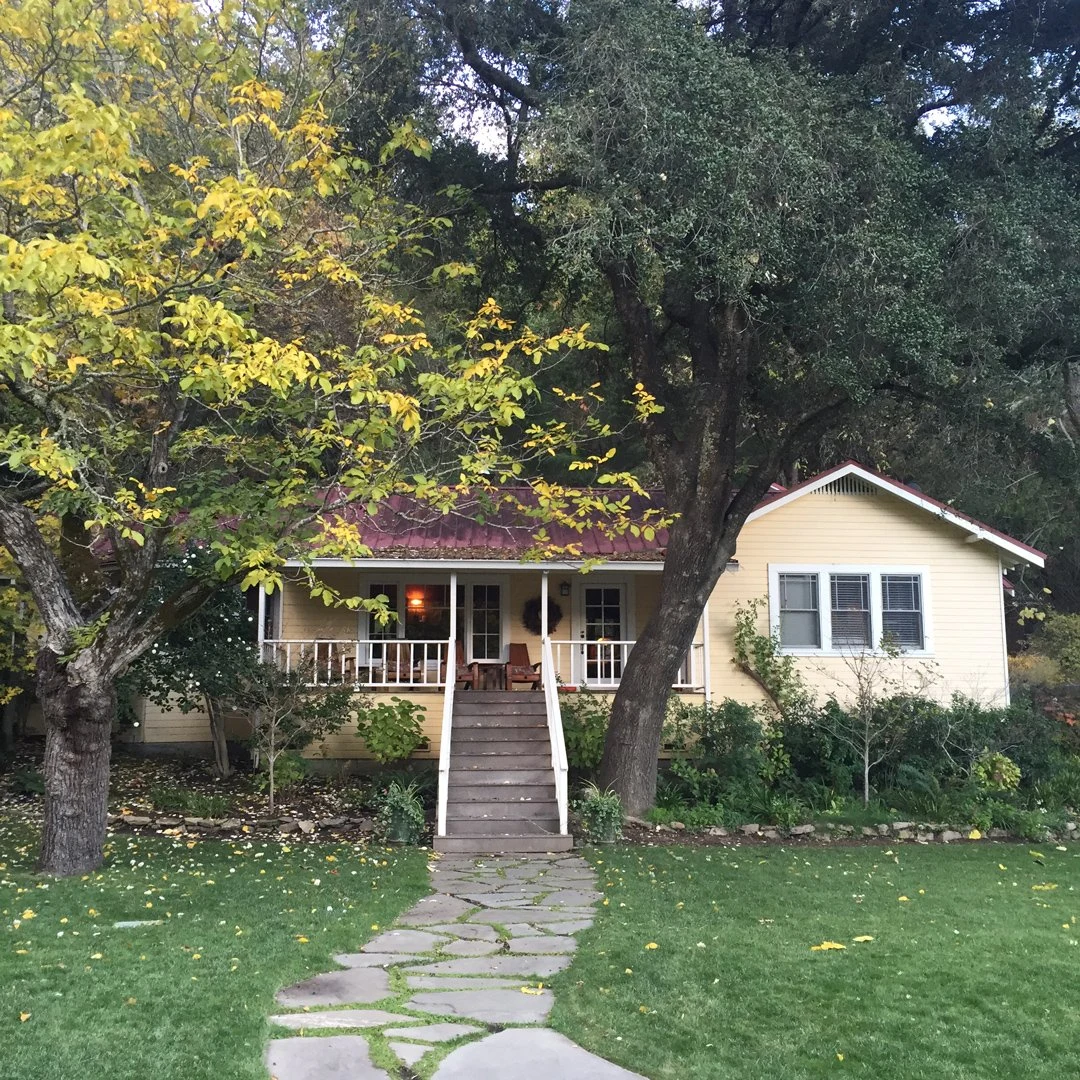
Failla Wines sits on the Silverado Trail in St. Helena, operating in the understated register that defines Napa's restraint-focused producers. Awarded Pearl 2 Star Prestige in 2025, the winery positions itself against the valley's Cabernet-dominant mainstream, pursuing a quieter, site-specific approach that has earned it a distinct place in the regional conversation.
<h2>Silverado Trail and the Case for Restraint</h2><p>The Silverado Trail runs parallel to Highway 29 but occupies a different register entirely. Where the main corridor is dense with grand tasting rooms and high-traffic hospitality infrastructure, the Trail is quieter, more agricultural, and historically home to producers whose focus sits on the wine over the experience. Failla Wines, at 3530 Silverado Trail North, is a winery in St. Helena. Approaching from the road, the property reads as functional rather than theatrical, the kind of setting where the absence of architectural statement is itself a signal about priorities.</p><p>That positioning matters in the current Napa context. The valley's premium tier has split visibly over the past decade between producers whose identity is built around spectacle, exclusivity, and Cabernet prestige pricing, and a smaller cohort whose claims rest on site specificity, varietal range, and restraint in the cellar. Failla sits in that second group, and its 2025 Pearl 2 Star Prestige recognition from EP Club confirms it belongs to a tier where production philosophy and wine quality are being assessed against a serious comparable set.</p><h2>Where Failla Sits in the Napa Hierarchy</h2><p>To understand Failla's position, it helps to map it against the wider St. Helena and Napa comparable set. The appellation contains producers across a broad spectrum. At one end, long-established estates like <a href="https://www.enprimeurclub.com/wineries/charles-krug">Charles Krug</a> represent the valley's historical foundation, with generational continuity and Cabernet at the centre. At another, allocation-model operations like <a href="https://www.enprimeurclub.com/wineries/accendo-cellars">Accendo Cellars</a> and <a href="https://www.enprimeurclub.com/wineries/brand-napa-valley">Brand Napa Valley</a> occupy the premium end of the collector market. Properties such as <a href="https://www.enprimeurclub.com/wineries/dana-estates-st-helena-winery">Dana Estates</a> and <a href="https://www.enprimeurclub.com/wineries/chappellet-winery-st-helena-winery">Chappellet Winery</a> bring their own distinct site identities on Howell Mountain and Pritchard Hill respectively.</p><p>Failla does not compete directly in Cabernet-first terms. Its competitive set is defined by producers working across cooler sites, with Pinot Noir and Chardonnay occupying serious real estate in their portfolios alongside whatever Napa-adjacent work they produce. That places it in conversation with Burgundy-influenced houses and coastal California producers rather than the Oakville and Rutherford Cabernet mainstream. The Pearl 2 Star Prestige rating in 2025 positions it alongside producers who earn recognition through precision and range rather than single-appellation dominance.</p><h2>The Wine Program: Site Specificity Over Valley Brand</h2><p>California's most interesting winemaking conversation over the last fifteen years has moved steadily away from appellation as the primary identity marker toward individual site expression. This shift is visible in producers working across multiple appellations, sourcing from Sonoma Coast, Anderson Valley, Napa itself, and sometimes Oregon or the Central Coast, and treating each site as a separate argument rather than folding everything under a house style. Failla operates in this mode. The winery's sourcing pattern, which draws from cooler coastal-influenced sites in addition to its Napa address, means the portfolio reads more like a map of California's climate gradients than a single-valley statement.</p><p>This approach puts Failla in a broader California conversation that includes producers like <a href="https://www.enprimeurclub.com/wineries/adelaida-vineyards">Adelaida Vineyards in Paso Robles</a>, <a href="https://www.enprimeurclub.com/wineries/adelsheim-vineyard-newberg-winery">Adelsheim Vineyard in Newberg</a>, and <a href="https://www.enprimeurclub.com/wineries/alban-vineyards">Alban Vineyards in Arroyo Grande</a>, each of whom stakes a regional identity claim based on climate and site rather than appellation prestige alone. Across the West Coast, from <a href="https://www.enprimeurclub.com/wineries/alexander-valley-vineyards-geyserville-winery">Alexander Valley Vineyards in Geyserville</a> to <a href="https://www.enprimeurclub.com/wineries/artesa-vineyards-and-winery">Artesa Vineyards and Winery in Napa</a>, the producers earning sustained critical attention are increasingly those who can articulate why a specific place produces a specific result, not just that their wine is premium.</p><p>For visitors approaching Failla with that framework in mind, the tasting experience functions less as a single destination showcase and more as a comparative exercise. Tasting across sites, varieties, and vintages at a producer of this type rewards attention to difference rather than confirmation of a house style. Bring patience for that kind of engagement, and the wines will pay it back.</p><h2>Curation Logic: What to Focus On</h2><p>In any portfolio that spans multiple sites and varieties, the question of where to focus first has a real answer, even if the winery itself won't always volunteer it directly. At Failla, the Chardonnay and Pinot Noir programs are where the site-specificity argument is made most explicitly. These are varieties for which California's coastal and inland climates generate genuinely different expressions, and a producer working both registers simultaneously gives drinkers a rare calibration tool.</p><p>Producers at this level, the 2 Star Prestige tier in EP Club's 2025 framework, are assessed partly on how coherent that cross-site argument is. A producer who does it well creates wines that are legibly different from each other while remaining stylistically connected. That coherence is the thing to test across any tasting here: does the portfolio teach you something about California's climate geography, or does it read as unrelated bottles under a shared label?</p><p>For points of comparison beyond California, producers like <a href="https://www.enprimeurclub.com/wineries/andrew-murray-vineyards">Andrew Murray Vineyards in Los Olivos</a> and <a href="https://www.enprimeurclub.com/wineries/alpha-omega-winery-rutherford-winery">Alpha Omega Winery in Rutherford</a> offer different takes on how California producers handle multi-varietal or multi-site portfolios, and visiting more than one in a trip builds the comparative context that makes any single tasting more legible.</p><h2>Planning a Visit: Practical Orientation</h2><p>Failla is on the northern stretch of the Silverado Trail, which puts it conveniently between other Trail-side producers and within range of the broader St. Helena cluster. The address at 3530 Silverado Trail North places it towards the quieter upper end of the corridor, away from the higher-traffic tasting room density around Yountville and Oakville. For a full day on the Trail, it pairs well with other site-focused producers in the same tier rather than with the large-format, walk-in tasting operations that define a different kind of Napa visit.</p><p>Given its reservation policy, advance contact before visiting is strongly advised. Phone and website details should be confirmed through current channels.</p><p>For context on what the Silverado Trail's northern reaches offer as a broader itinerary, international counterparts like <a href="https://www.enprimeurclub.com/wineries/aberlour-aberlour-winery">Aberlour in Aberlour</a> and <a href="https://www.enprimeurclub.com/wineries/achaia-clauss-patras-winery">Achaia Clauss in Patras</a> illustrate how producer visits at heritage estates function differently from boutique appointment-only models, a useful frame for calibrating expectations across wine regions.</p>
Failla occupies a quieter register than the grand tasting rooms along Highway 29. The Silverado Trail address puts it among producers more focused on wine than spectacle, and the Pearl 2 Star Prestige rating it earned in 2025 reflects a reputation built on program depth rather than showmanship. Expect a considered, unhurried experience oriented around the wines themselves.
Failla Wines has received recognition including: Pearl 2 Star Prestige (2025).
Failla's program is grounded in site-specific winemaking, so the most informative path through the portfolio is to track a single variety across different vineyard sources. This reveals the winery's core argument: that site, not valley-wide appellation, is the primary identity marker. Focus on whichever designates are pouring during your visit rather than defaulting to a single label.
Failla Wines is located at 3530 Silverado Trail N, St Helena, CA 94574, St. Helena.
Failla is known for prioritizing vineyard site over the broader Napa Valley brand, a position that aligns it with a strand of California winemaking that gained serious traction over the last fifteen years. That commitment earned the winery a Pearl 2 Star Prestige designation in 2025. Its location on the northern Silverado Trail in St. Helena further separates it from the more commercial Highway 29 corridor.
Failla is at 3530 Silverado Trail N in St. Helena, and tasting rooms on this stretch of the Trail generally operate by appointment. Contacting the winery directly before arrival is the reliable approach; walk-in availability at site-focused producers in this tier tends to be limited, particularly during peak season.
Failla received a Pearl 2 Star Prestige designation in 2025, placing it within a select tier of St. Helena producers recognized for program consistency and site-driven winemaking rather than production scale. Within the Silverado Trail comparable set, that credential signals a winery whose identity is rooted in specific vineyard sources rather than valley-wide blending. Visitors comparing producers along the northern Trail will find Failla's approach distinct from larger estate operations nearby.
3530 Silverado Trail N, St Helena, CA 94574
St. Helena