- Falstaff Winery - 5 Stars · 2026
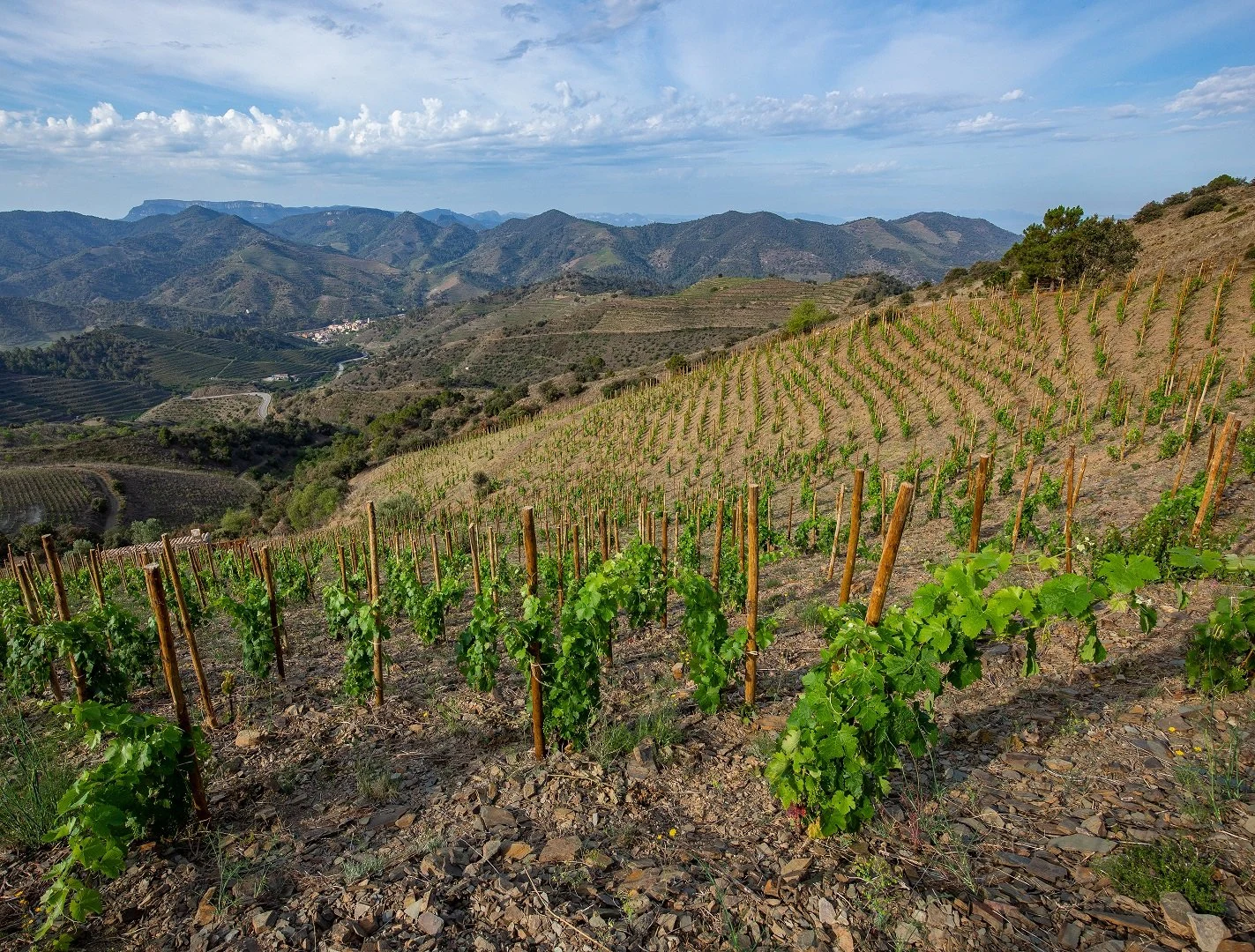
Approaching Familia Nin-Ortiz means entering the harder, more revealing side of Priorat: steep schist, old stone terraces, dry air, and vineyard work that has little patience for spectacle. Porrera’s wine identity is built on difficult farming, and this estate reads as part of that terrain rather than an escape from it. The experience is quiet, rural, and production-led, with the vineyards doing the explaining before any cellar detail does.
Priorat’s modern reputation was shaped for years by concentration and power, but a parallel language has become more persuasive: earlier picking, fresher structures, native varieties, and farming that treats llicorella not as a branding word but as the central fact. Familia Nin-Ortiz belongs to that shift. The estate was founded in 2007, with Planetes released as the first joint vintage in 2008, and its work has become associated with the “New Priorat” conversation: less weight, more site definition, and a clearer line between altitude, exposure, vine age, and texture.
Schist, altitude, and old-vine Garnatxa set the tone
The estate’s strongest argument is agricultural. Mas d’En Caçador, a 1.5-hectare parcel at 650 meters, brings together north-facing slopes, old stone terraces, schist soils, and Garnatxa Negre, Garnatxa Peluda, and Carinyena vines ranging from 70 to 110 years old. Finca Les Planetes works across a broader elevation band, with high-density costers planting rather than a hospitality-first vineyard layout. In a dry region with roughly 400 mm of annual rain, water retention and soil life are not soft sustainability language; they are structural necessities.
Biodynamics here has measurable consequences. The estate is certified organic through CCPAE and is a member of La Renaissance des Appellations, the biodynamic network associated with Nicolas Joly. Weeding is done by hand, compost is produced in-house, and mule-plowing returned to Porrera through Carles Ortiz in 2007 after decades away from local practice. That detail matters because it changes soil compaction and humidity, not because it makes a charming anecdote. In Priorat, farming choices often show up directly in tannin, acidity, and the sense of heat carried by the wine.
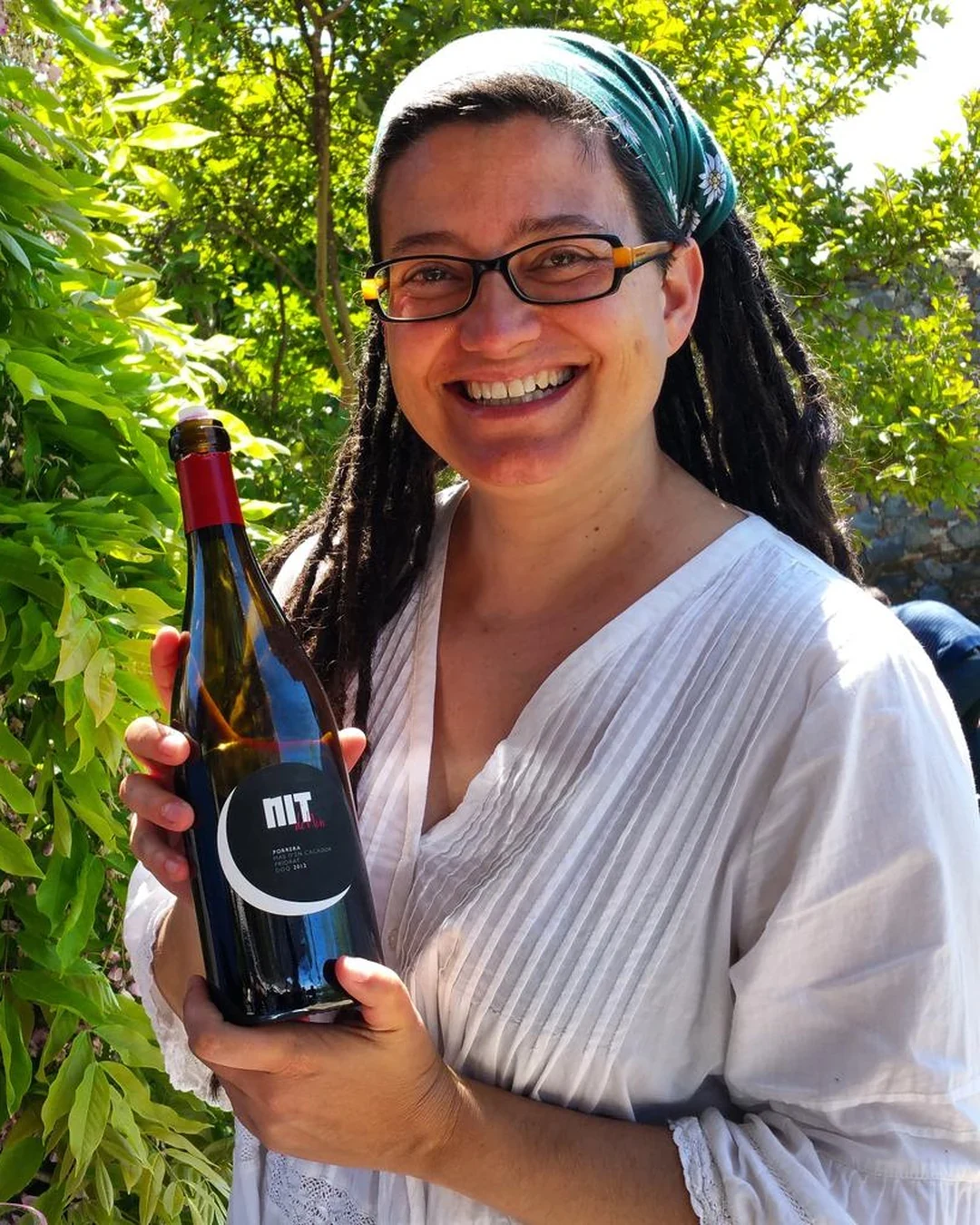
Winemaker Ester Nin brings biology and enology training, as well as viticultural experience at Mas Martinet and Clos i Terrasses. Those credentials are useful context, but the more interesting point is how they sit inside a regional correction: Priorat producers with serious vineyard discipline have been moving the conversation away from sheer ripeness and toward altitude, stems, native yeasts, and neutral aging. Familia Nin-Ortiz gives that correction a particularly precise Catalan accent.
Nit de Nin and Planetes show two readings of Priorat
The portfolio is organized around site and vine age rather than hospitality tiers. Nit de Nin Mas d’En Caçador is the estate’s old-vine expression from that high, north-facing parcel, built on Garnatxa Negre, Garnatxa Peluda, and Carinyena. Nit de Nin Coma d’En Romeu comes from a south-facing Porrera site with 70-year-old Garnatxa planted on costers, giving the range another exposure and slope profile. Planetes, from Finca Les Planetes, carries the estate’s same agricultural logic through younger material and a more immediate frame.
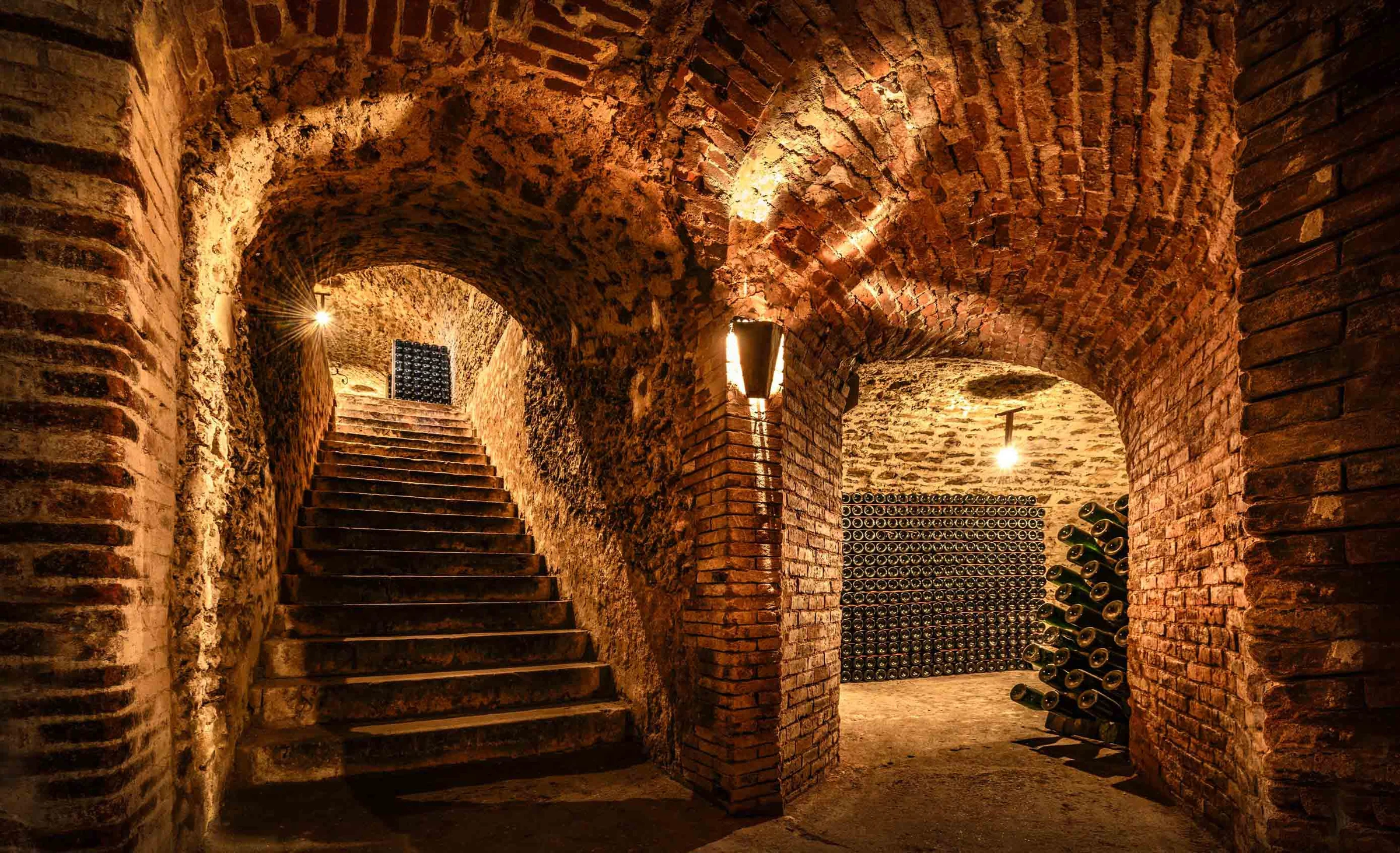
Cellar work follows the same restraint-led line. Fermentations are spontaneous with native yeasts, reds are often whole-cluster, extraction is kept gentle, and aging relies on neutral vessels including demi-muids, foudres, and amphorae. The absence of acidification is a meaningful choice in a warm, dry appellation; it puts more pressure on farming, harvest timing, and sorting. Grapes are hand-harvested and selected over a roughly 25-day period, with a sorting team that can remove a significant share of fruit before fermentation. That is where the estate’s finesse is purchased: in labor before the wine reaches the barrel, foudre, or clay.
Recognition has followed the white wines as well as the reds. Luis Gutiérrez of Wine Advocate rated the 2018 Planetes de Nin Blanc 94 points, a useful signal because Carinyena Blanca remains a more specialist Priorat conversation than red Garnatxa and Carinyena. The range also extends into Parellada Montonegra, amphora-aged Garnatxa, orange wine, and small-production bottlings linked to Penedès, but the core identity remains Priorat schist interpreted through biodynamic farming and low-intervention cellar work.
How to place it within a Porrera wine trip
This is not the polished tasting-room model that some travelers expect from premium wine regions. The appeal is the opposite: a compact, working-winery atmosphere where the vineyard, cellar, and farming choices carry the weight. Visitors drawn to wine education, soil conversation, and the practical realities of biodynamics will understand the format faster than travelers looking for a lounge-like cellar door.
Porrera rewards that kind of attention. The village and its surrounding slopes form one of Priorat’s more compelling studies in how exposure and altitude alter Garnatxa and Carinyena. For a broader town view, the Our full Porrera wineries guide places Familia Nin-Ortiz alongside the area’s wider wine map, while nearby producer pages such as Celler Ardèvol, Celler de l’Encastell, Joan Simó, Marco Abellla, and Merum Priorati help frame how many versions of Porrera can come from one compact zone.
For planning around the wine day rather than treating the cellar as an isolated stop, use the city guides as scaffolding: Our full Porrera restaurants guide, Our full Porrera hotels guide, Our full Porrera bars guide, and Our full Porrera experiences guide. Travelers building a wider European wine itinerary can also cross-reference Spanish and continental producers such as 3 Ases Bodegas y Viñedos in Quintanilla De Arriba, 4Kilos Vinícola in Felanitx, Aalto Bodegas y Vinedos in Quintanilla De Onesimo Valladolid, »der Steiner« Hans Steiner in Podersdorf am See, and & Handwein in Mannheim.
The editorial case for Familia Nin-Ortiz is clear: it gives Priorat’s power a disciplined counterweight. The estate’s strongest wines are not trying to soften the region into something else; they make the steepness, drought pressure, schist, old vines, and farming labor legible in the glass.
Questions
Frequently asked
Who works at Familia Nin-Ortiz?
Made By profiles Ester Nin (Winemaker) at Familia Nin-Ortiz.
How expensive is Familia Nin-Ortiz?
Familia Nin-Ortiz is listed at a price level of $$$.
The field
How it compares
| Place | Notes |
|---|---|
| Familia Nin-Ortiz | Porrera, $$$ |
| Celler Ardèvol | Porrera |
| Celler de l’Encastell | Porrera |
| Champagne Salon | Le Mesnil-sur-Oger |
| Joan Simó | Porrera |
| Marco Abellla | Porrera |
| Merum Priorati | Porrera |