- Falstaff Winery - 2 Stars · 2026
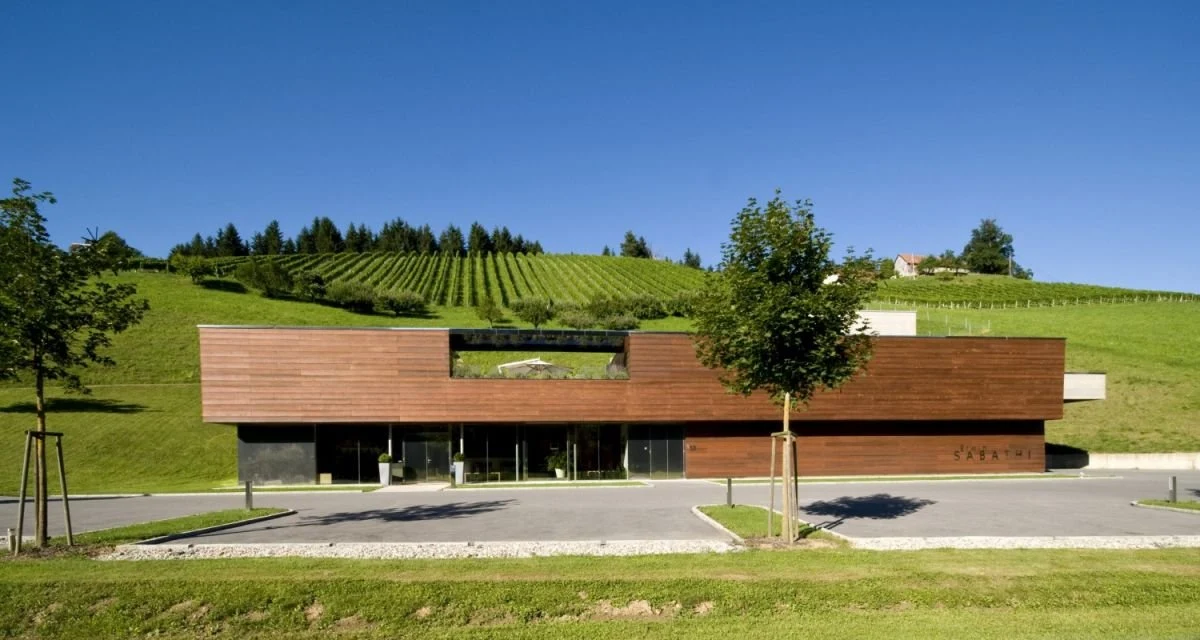
Approaching the wine roads around Leutschach, the first clue is gradient. Familienweingut Oberer Germuth belongs to a hillside setting in Leutschach, where the visit is framed by a traditional Buschenschank, a guesthouse and a modern-traditional cellar atmosphere. Before any detail about a plate, glass or room is considered, the place is already defined by slope, outlook and the regional rhythm of wine-country hospitality.
The picture is intentionally simple: this is a rustic, cozy and scenic place rather than a highly formal dining room. The price level is listed as $$, and the appeal comes from the classic Buschenschank and guesthouse setting in Leutschach, with the slope and wine-road context doing much of the work. It is the sort of venue where the setting is not background decoration but part of the reason to go, giving the visit a grounded, local character rather than the feeling of a standalone restaurant detached from its landscape.
Steep-slope Styrian setting, kept close to place
Familienweingut Oberer Germuth is best understood through its location and atmosphere. The steep-slope setting matters because it shapes the sense of arrival, the pace of the stop and the way the venue sits within the broader Leutschach wine-road experience. This is not a description built around spectacle; it is built around a hillside place whose appeal is closely tied to its surroundings.
What can be stated with confidence is the character of the visit: traditional Buschenschank hospitality, a guesthouse component and a modern-traditional cellar atmosphere. The mood is rustic, cozy, scenic and classic, making the venue feel rooted in Leutschach rather than styled as an urban restaurant format. The modern-traditional note is useful because it suggests continuity rather than contrast: a cellar atmosphere that can feel current without losing the familiar, regional language of a Buschenschank.
That balance is important for setting expectations. Visitors should read Familienweingut Oberer Germuth as a place where comfort, landscape and tradition lead the experience. The emphasis is not on formality, elaborate framing or a list of accolades, but on a recognizable Styrian wine-road mood: calm, local, hillside-based and suited to lingering within the setting.
A Buschenschank format with guesthouse depth
The Buschenschank setting is central to the identity of Familienweingut Oberer Germuth. It indicates an informal, traditional mode of hospitality, while the guesthouse and cellar atmosphere add depth for visitors who want more than a brief stop. Together, these elements make the venue feel more rounded than a single-purpose address: it can be approached as part of a wine-road outing, but also as a place with a broader hospitality frame.
The atmosphere is described as rustic, cozy, scenic and classic. That makes it a fit for travelers looking for a Leutschach venue shaped by hillside context and traditional regional hospitality, rather than a page built around claims about a chef, tasting menu, seating count or awards. In editorial terms, that restraint is part of the profile. The available information points toward feeling and format more than toward a detailed catalogue of offerings, so the strongest reading is atmospheric rather than encyclopedic.
$$ price level supports that same interpretation. It positions Familienweingut Oberer Germuth as accessible in tone, without implying a bargain stop or a luxury dining room. Paired with the Buschenschank identity, the rustic-cozy description and the guesthouse element, it reinforces a visit that is direct, regional and scenic, with the wine-road landscape playing a central role in the overall value.
With only limited operational detail available here, planning should stay practical and flexible. Confirm hours, reservation needs, food availability and any tasting arrangements directly with Familienweingut Oberer Germuth before making a dedicated trip. That is especially sensible for a venue whose appeal is tied to a specific local hospitality format, because the best experience depends on matching the timing of a visit to what is actually available on the day.
How to place it in a Leutschach wine itinerary
Leutschach is associated with wine-road travel, and Familienweingut Oberer Germuth fits that context through its steep-slope setting, its Buschenschank character, its guesthouse and its modern-traditional cellar atmosphere. It belongs naturally in an itinerary that values place as much as polish, especially for travelers who want their stop to feel connected to the hillside setting rather than separated from it.
For broader planning in the area, compare it with other dining and hospitality options in Leutschach generically, while keeping Familienweingut Oberer Germuth in view as a rustic, scenic and classic stop with a $$ price level. The comparison should be based on mood and format as much as on logistics: this is a venue to consider when the desired experience is traditional, cozy and wine-road oriented, not when the priority is a heavily documented restaurant profile.
Read on those terms, the appeal is clear but specific: Familienweingut Oberer Germuth is not presented here through awards, named dishes or detailed service promises. It is a traditional Buschenschank and guesthouse in Leutschach, set on a steep slope, with a cozy cellar atmosphere and a grounded regional feel. Its strength lies in that coherent combination of hillside setting, classic hospitality and modestly framed charm, making it a sensible stop for visitors who want Leutschach to feel like Leutschach.
Questions
Frequently asked
Who works at Familienweingut Oberer Germuth?
Made By profiles Herbert Germuth (Winemaker) at Familienweingut Oberer Germuth.
How expensive is Familienweingut Oberer Germuth?
Familienweingut Oberer Germuth is listed at a price level of $$.
The field
How it compares
| Place | Notes |
|---|---|
| Familienweingut Oberer Germuth | Leutschach an der Weinstraße, $$ |
| Weingut Albrecher Muhri | Leutschach |
| Weingut Egon und Heidi Lamprecht | Leutschach |
| Weingut Erwin Sabathi | Leutschach |
| Weingut Kogler | Leutschach |
| Weingut Sepp und Maria Muster | Leutschach |
| Weingut Tauss | Leutschach |