- Falstaff Winery - Listed · 2026
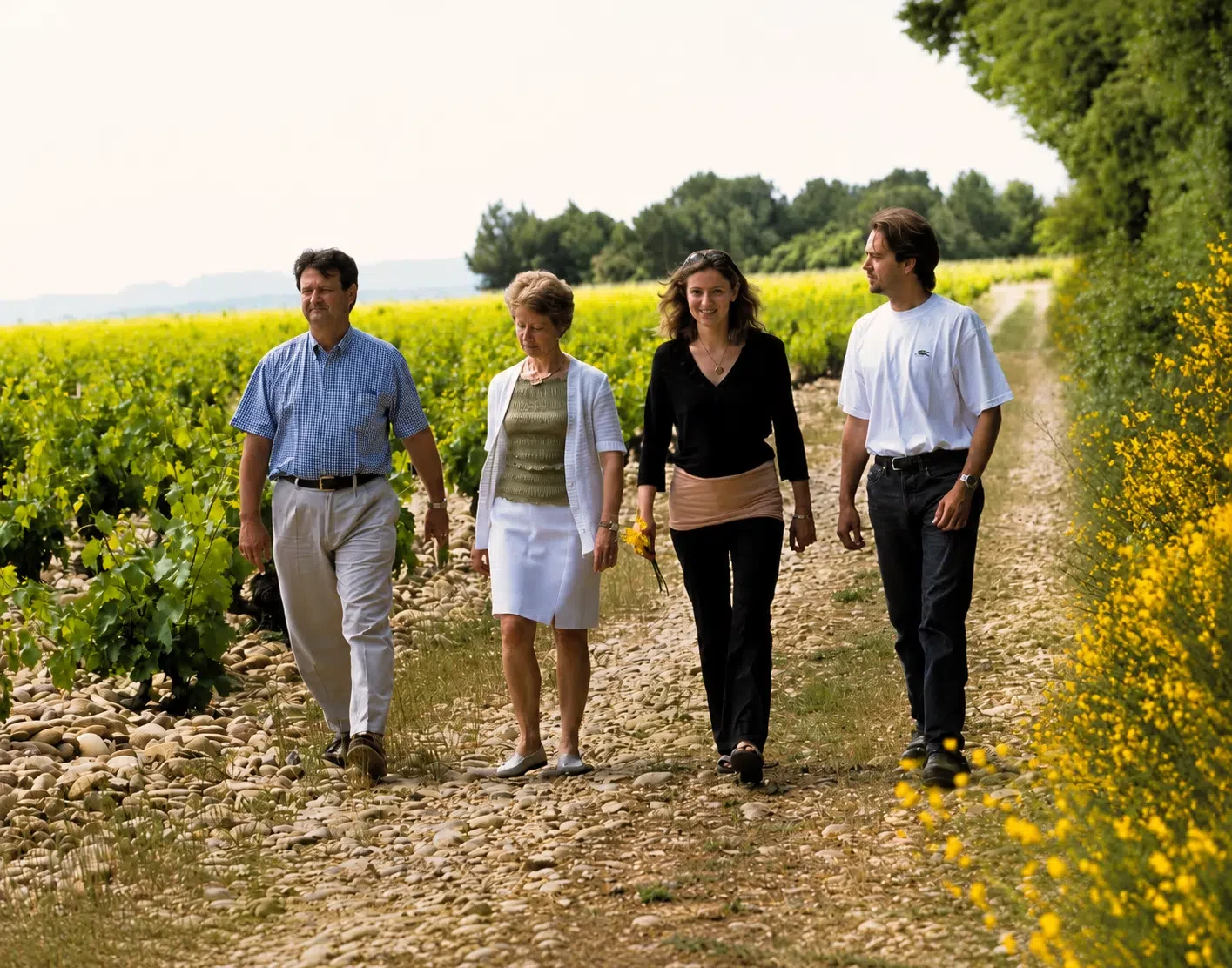
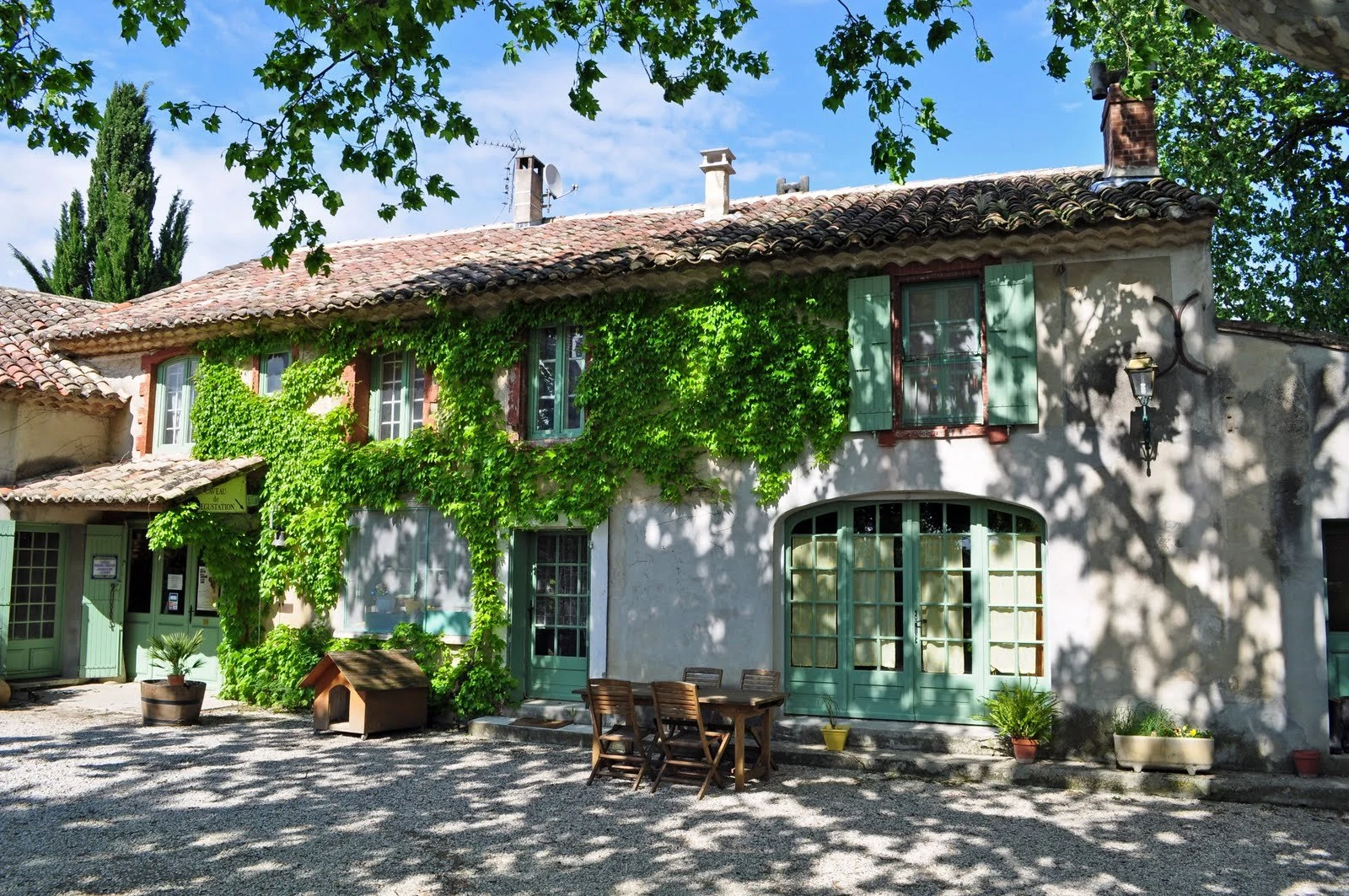
Approaching a Châteauneuf-du-Pape estate is rarely a neutral act. The village sits inside a wine culture where setting and tradition shape how visitors understand the glass in front of them, and even a direct tasting can feel more meaningful when it is anchored in that landscape. Famille Quiot fits that setting as a historic, family-run Châteauneuf-du-Pape estate with a traditional cellar and vineyard backdrop, offering a relaxed and educational tasting experience focused on terroir and Southern Rhône wines.
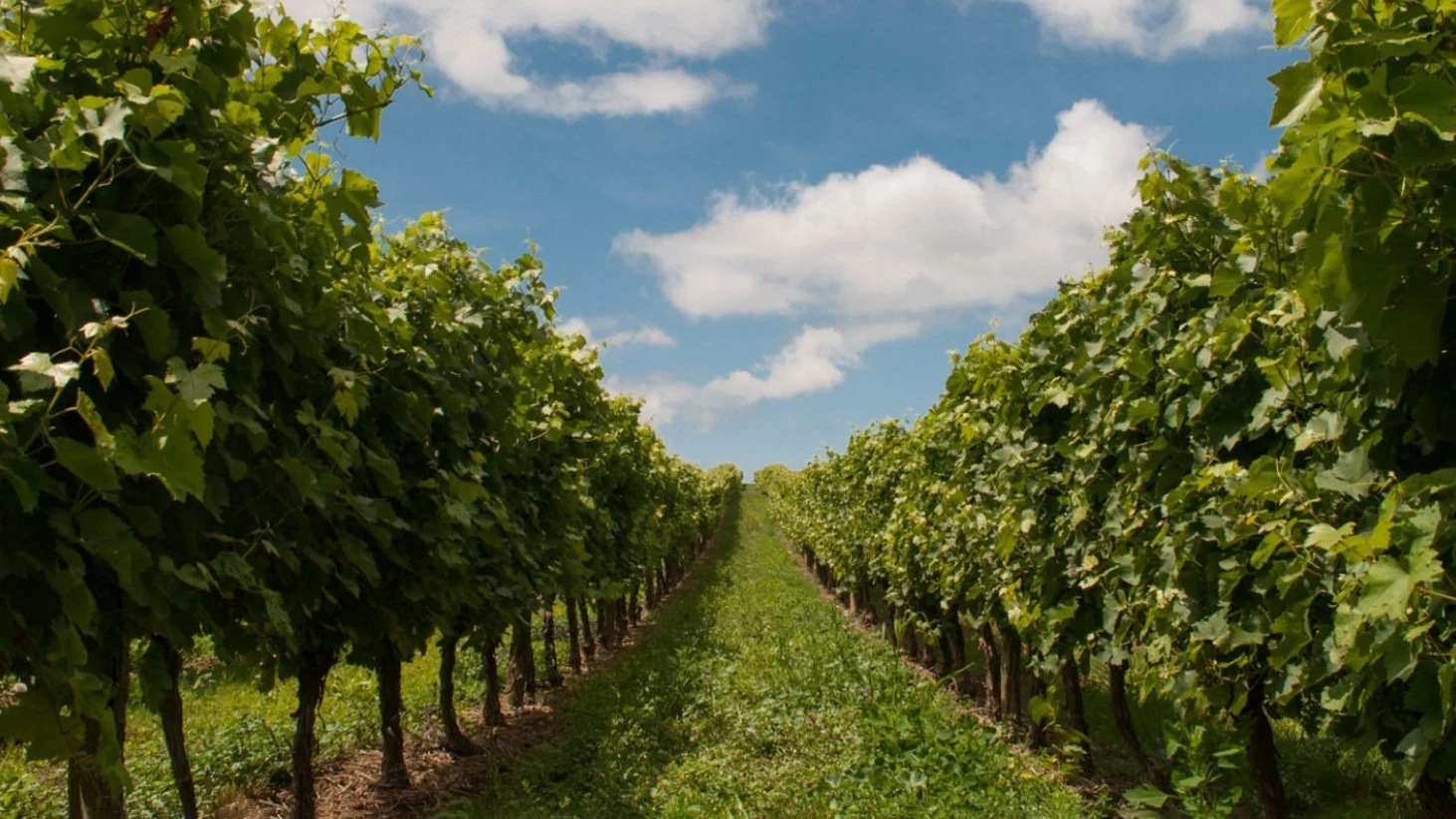
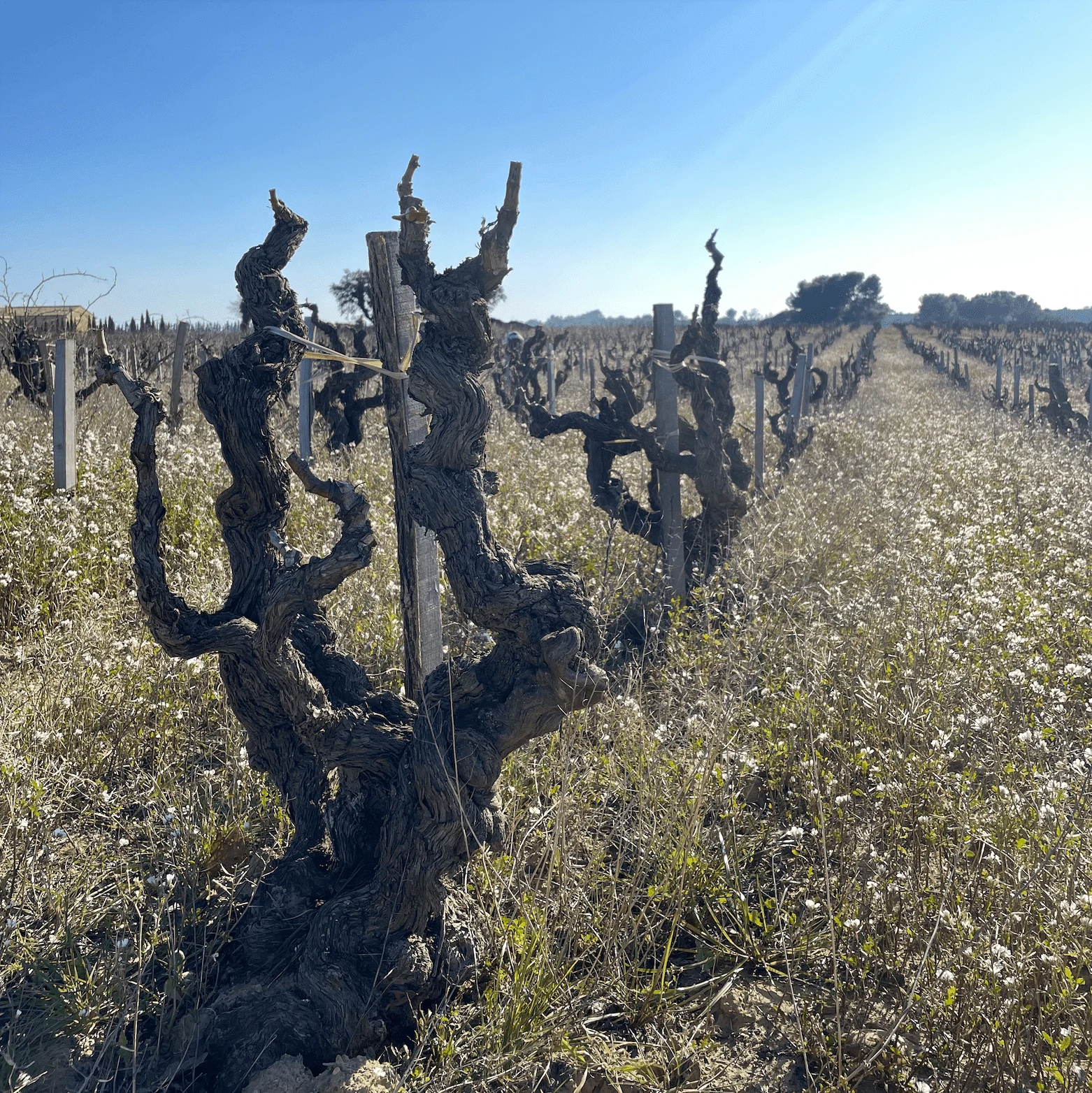
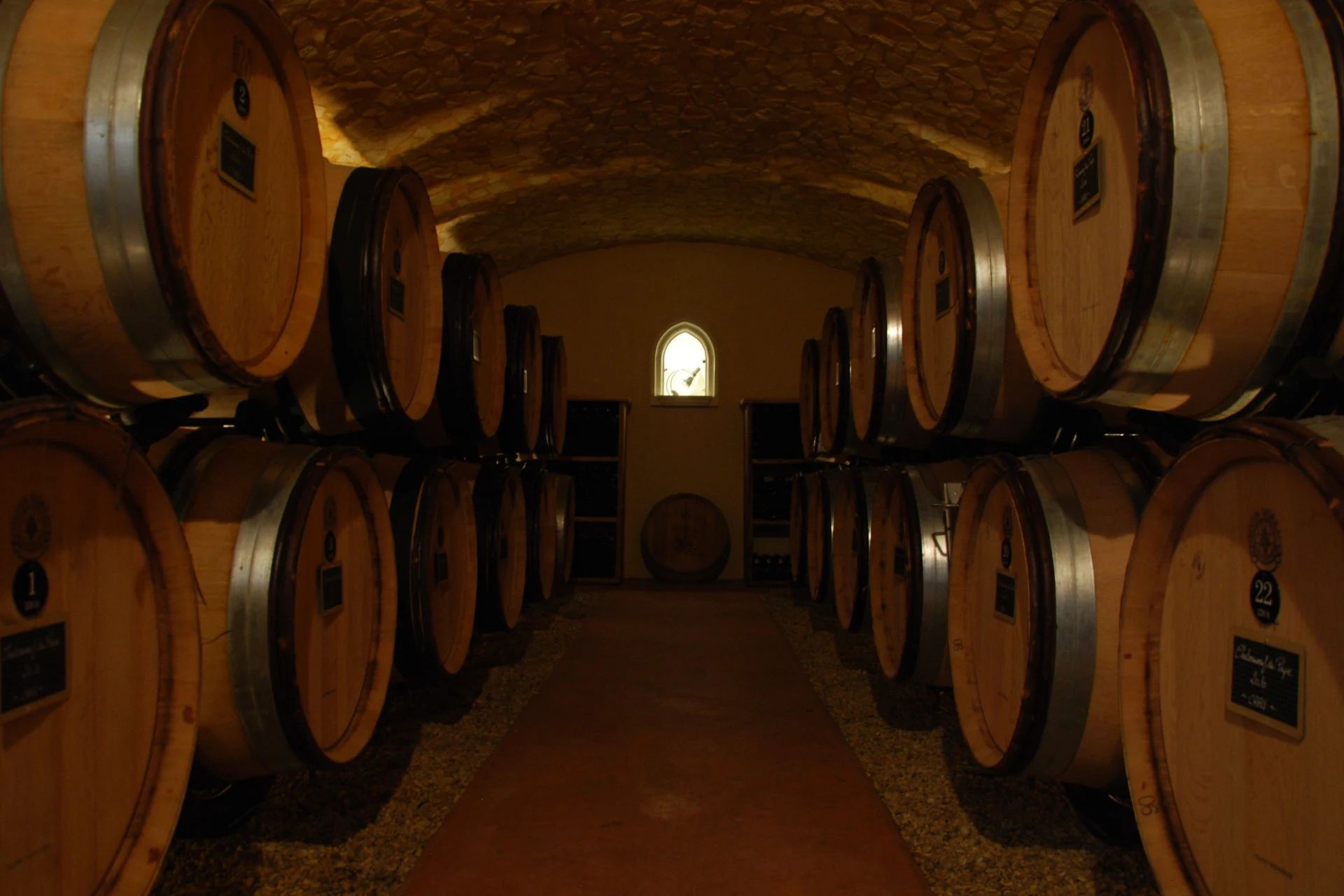
The appeal here is not built around spectacle or a highly formal dining-room style. It is better understood as a classic, rustic and scenic estate visit: a place to slow down, listen, taste and connect the character of Southern Rhône wine to its Châteauneuf-du-Pape setting. That sense of place matters. The visit is less about performance and more about letting the estate, the cellar atmosphere and the surrounding vineyard context do quiet explanatory work.
A terroir-led tasting in a Châteauneuf-du-Pape setting
Châteauneuf-du-Pape is often discussed through the language of terroir, and that is the most useful lens for Famille Quiot. The draw is a relaxed, educational tasting experience that keeps the focus on place rather than on showmanship. Visitors should expect the conversation to sit around Southern Rhône wines and the way the estate setting helps frame them, giving the tasting a sense of continuity between what is seen, what is explained and what is poured.
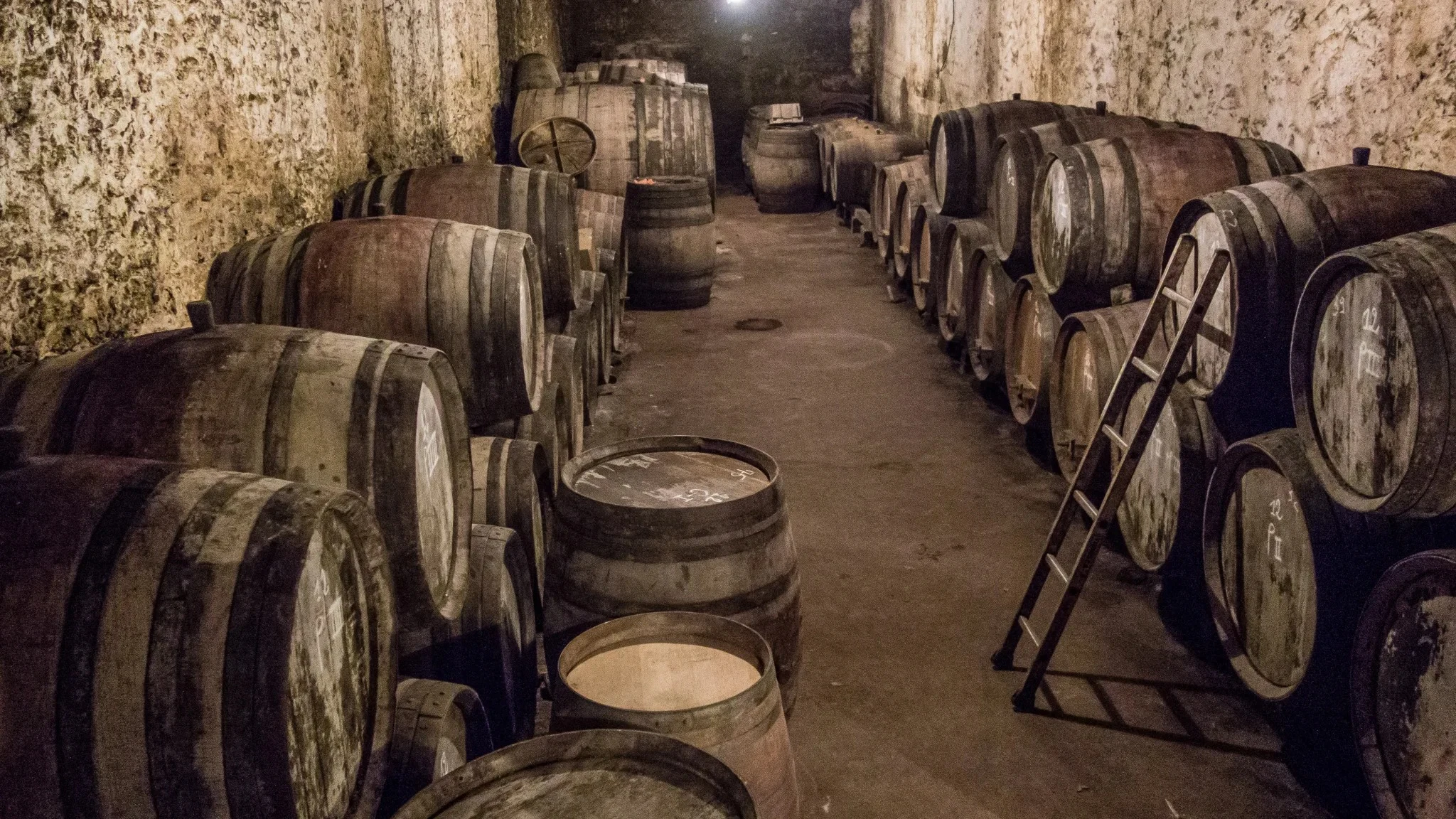
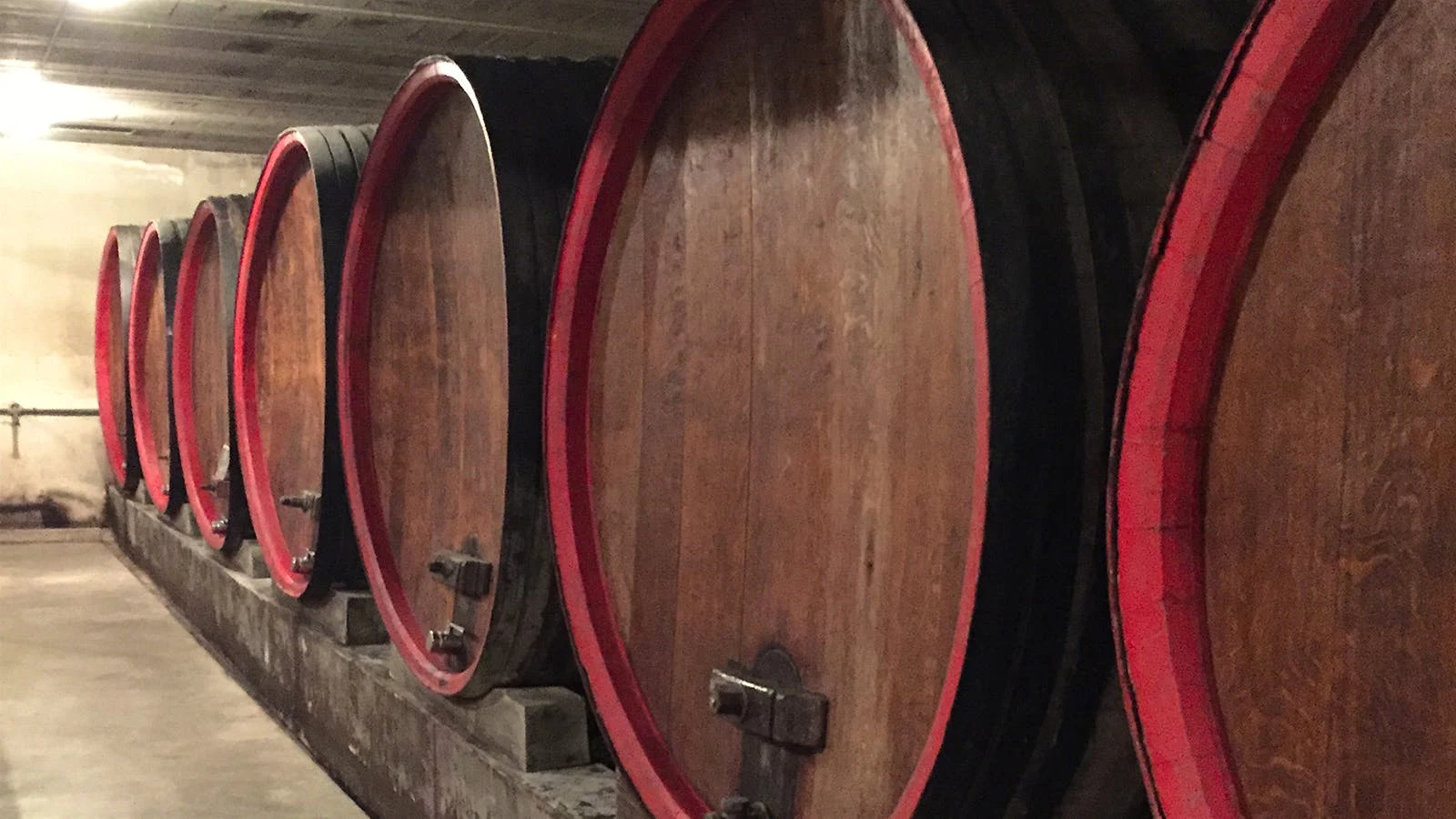
What can be said with confidence is that Famille Quiot is positioned as a traditional Châteauneuf-du-Pape estate, with a cellar and vineyard context that support a terroir-led tasting. In that context, the cellar is not simply a backdrop and the vineyard is not merely scenery. Together, they help visitors read the wines through the region they come from, which is the essential point of a Châteauneuf-du-Pape visit of this kind.
That makes the visit especially useful for travellers who want an introduction to the region’s wine identity without needing a technical or collector-driven appointment. The tone is relaxed, classic and educational, with the estate’s historic family character providing the frame. For many visitors, that balance is the strength: enough structure to learn something, but not so much formality that the experience becomes intimidating.
A family-run Châteauneuf-du-Pape estate
Famille Quiot is best presented as a family-run Châteauneuf-du-Pape estate rather than as a restaurant, bar or nightlife stop. The experience centres on wine, setting and education: a traditional cellar, vineyard atmosphere and tastings focused on terroir and Southern Rhône wines. That distinction is important because it sets expectations correctly. This is a wine-estate visit, shaped by the rhythms and language of the region, rather than a venue built around dining, entertainment or late-evening energy.
Rather than invent those particulars, the safer reading is simple: Famille Quiot is a classic and iconic Châteauneuf-du-Pape wine estate with a relaxed, rustic and scenic character. Its appeal lies in that clarity. Visitors come for a grounded sense of the place and for a tasting that feels connected to the estate environment, not for a concept that tries to separate the wine from its surroundings.
For visitors, that makes it a sensible stop when the goal is to understand the region in broad strokes. It is not necessary to treat the experience as a rarefied or high-pressure tasting. Its value lies in approachable context, a traditional estate setting and a focus on Southern Rhône terroir. The family-run dimension reinforces that feeling of continuity, giving the stop a human scale while still keeping the attention on Châteauneuf-du-Pape itself.
How to place it within a Châteauneuf-du-Pape itinerary
For travellers building a wine-focused day, Famille Quiot works as an accessible introduction to the historic family-estate side of Châteauneuf-du-Pape. It has a classic and scenic profile, with enough elegance to feel special while remaining relaxed in tone. That makes it easy to place early in an itinerary, when visitors are still orienting themselves to the region’s style, vocabulary and landscape, or as a calmer counterpoint within a day that includes other stops.
Châteauneuf-du-Pape rewards planning by category as much as by name. Use Famille Quiot as a terroir-focused estate stop, then compare the experience with other dining in Châteauneuf-du-Pape according to the pace of the day. Thinking of it this way prevents the visit from being judged by the wrong standard. It is not trying to be a restaurant reservation or a nightlife address; it is a traditional estate encounter built around wine, place and explanation.
Read alongside broader European wine and travel coverage, this page is most useful as a grounded snapshot rather than a technical dossier. The confirmed picture is clear: Famille Quiot is a historic, family-run Châteauneuf-du-Pape estate with a traditional cellar and vineyard setting, offering relaxed, educational tastings focused on terroir and Southern Rhône wines. For travellers who want Châteauneuf-du-Pape to feel legible rather than abstract, that combination of history, family estate character and scenic context is the reason to keep it on the list.
Questions
Frequently asked
Who works at Famille Quiot?
Made By profiles Florence Quiot (Vigneronne and Estate Director) and Jean-Baptiste Quiot (Vigneron and Estate Director) at Famille Quiot.
How expensive is Famille Quiot?
Famille Quiot is listed at a price level of $$.
The field
How it compares
| Place | Notes |
|---|---|
| Famille Quiot | Avenue Baron Leroy, $$ |
| Château Rayas | Châteauneuf-du-Pape |
| Clos des Papes | Châteauneuf-du-Pape |
| Domaine du Vieux Donjon | Châteauneuf-du-Pape |
| Domaine La Barroche | Châteauneuf-du-Pape |
| Domaine Pierre Usseglio | Châteauneuf-du-Pape |
| Domaine Saint Préfert | Châteauneuf-du-Pape |