
- Falstaff Winery - 3 Stars · 2026
Fattori in Ronca is best understood as a family-run hillside winery with a rural agricultural feel. The picture is deliberately simple: a place rooted in the volcanic-basaltic hills of Soave and Lessini Durello, focused on respectful cultivation of the territory and a close relationship with the surrounding valleys and mountains. That simplicity is part of the point. Rather than needing to be framed through a long list of amenities or a highly polished visitor proposition, Fattori is most clearly described through its setting, its agricultural identity and the landscape that gives the estate its context.
Volcanic hills, rural setting and territorial focus
The strongest grounded detail about Fattori is its setting. Rather than presenting it as a venue defined by a specific menu, tour format, wine list or hospitality package, the reliable description centers on hillside agriculture and the volcanic-basaltic landscape around Ronca. The location places the winery within a terrain where hills, valleys and mountains are not background decoration, but part of the basic identity of the place. In this sense, the venue is best approached as a landscape-led winery rather than as a hospitality product with fixed expectations attached.
That matters for how to approach the visit. Fattori reads less as an urban tasting-room concept and more as a rural winery connected to its terrain. The emphasis is on the land, the surrounding valleys and mountains, and a cultivation philosophy described in terms of respect for the territory. This wording keeps the focus on agriculture and place rather than on assumptions about the visitor experience. It suggests a winery whose character is tied to the hillsides and to the broader rural setting, so travellers should let the setting itself guide expectations: quieter, more territorial and less dependent on a scripted format than a venue marketed primarily around hospitality packages.
The volcanic-basaltic reference is also central because it gives the description a specific geological and regional anchor without requiring additional claims. Fattori is not being presented here through technical tasting notes, production details or a catalogue of individual wines. Instead, the reliable frame is the meeting point between cultivation, hillside terrain and the Ronca landscape. For visitors interested in wine places as expressions of their surroundings, that is one useful lens: the winery is part of the agricultural fabric of the area, and its appeal rests on that connection.
A family-run hillside winery
Fattori is as family-run, and that family-estate character is part of its identity. The setting suggests a quiet, agricultural atmosphere rather than a highly staged hospitality environment. Read in that light, the family-run description should be taken as a clue to scale and mood: this is a hillside winery whose personality come from continuity with the land, rather than from a heavily formalized visitor infrastructure. It is the kind of place to consider when the appeal of a wine stop lies in the relationship between estate, hillside and territory.
The price level is listed as $$, which gives a broad planning signal without confirming individual tasting fees, bottle prices or package costs. That is useful only as a general indication, not as a substitute for direct confirmation. This is especially important because the available description does not establish the specifics of how visits operate, what is included, or whether arrangements differ according to season, day or group.
A reliable way to frame Fattori is as a Ronca winery shaped by hillside terrain, volcanic-basaltic soils and a rural relationship with the surrounding landscape. Anything more specific should be confirmed before planning a visit around it. That restraint is important: the venue’s grounded identity is already clear enough without overbuilding it. It is a family-run hillside estate, connected to the volcanic-basaltic context of Soave and Lessini Durello, and described through respectful cultivation of the territory. Beyond that, practical planning should remain flexible until the winery has confirmed the details directly.
How to place it in a Ronca wine day
For a Ronca itinerary, Fattori works as a terrain-led winery stop: a family-run hillside estate with an agricultural feel and a stated focus on respectful cultivation. That does not weaken the case for including it; it simply defines the kind of inclusion. Fattori should be placed in an itinerary for its rural hillside identity and territorial setting, not because of extras.
Travellers comparing options should keep the planning broad and confirm details directly with each venue. Within Ronca, Fattori can be considered alongside other local dining or wine-related stops in a general itinerary, but the grounded draw here is the hillside winery setting itself. A sensible approach is to treat it as a place-based stop within a wider day, leaving enough flexibility around timing and logistics until the practical details are confirmed. In that role, Fattori offers a clear, restrained proposition: a family-run winery in the volcanic-basaltic hills, shaped by agriculture, territory and the surrounding valleys and mountains.
Questions
Frequently asked
Who works at Fattori?
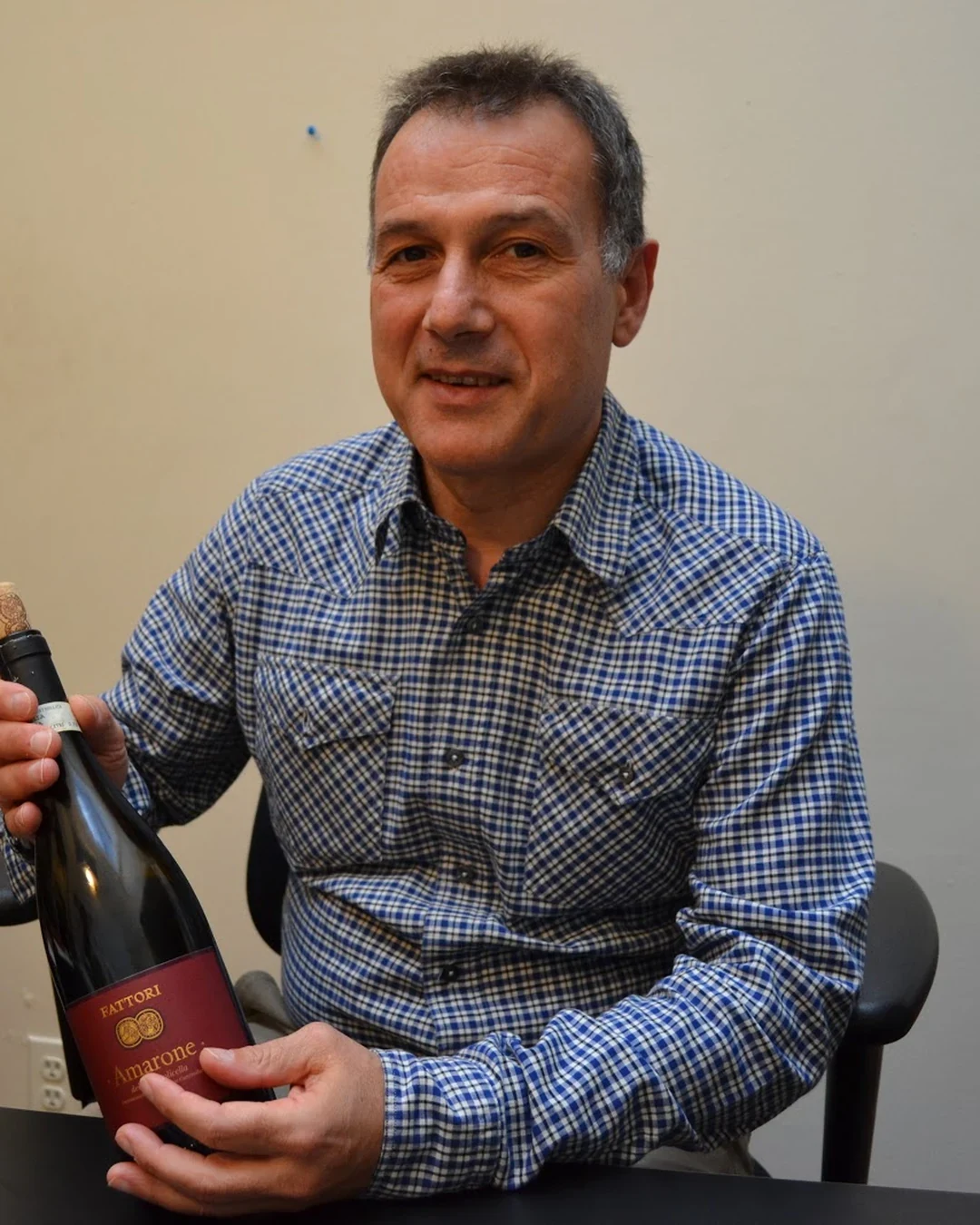
Made By profiles Antonio Fattori (Winemaker) at Fattori.
How expensive is Fattori?
Fattori is listed at a price level of $$.
The field
How it compares
| Place | Notes |
|---|---|
| Fattori | Terrossa di Roncà, $$ |
| Corte Moschina | Ronca |
| Dal Cero Family | Ronca |
| Danese | Ronca |
| Family of Wine | Ronca |
| Fongaro Spumanti | Ronca |
| Marcato | Ronca |