- Falstaff Winery - 2 Stars · 2026
The road into the Chianti Classico hills teaches the first lesson before a glass is poured: this part of Tuscany is not a postcard backdrop for wine, but the structure behind it. Vineyards break against oak and chestnut groves, elevations shift, and the Sienese countryside keeps reminding drinkers that Sangiovese is sensitive to slope, soil, and exposure. Fattoria della Aiola belongs to that old Chianti Classico grammar, with a medieval-fortress inheritance, a renovated cellar, and a quiet vineyard setting that frames the tasting as a study in place rather than a performance.
In Castelnuovo Beradegna, wine tourism often splits between polished estate hospitality and serious agricultural identity. Aiola sits closer to the latter, though not in a rough-edged way. The estate was founded in 1934, has belonged to the Chianti Classico Consortium since 1947, and works within the Chianti Classico DOCG, which gives the visit a useful historical spine. The point here is not novelty. It is continuity: how an estate with deep regional roots handles modern production without losing the agricultural cues that make Chianti Classico legible.
Sangiovese read through galestro, alberese, and altitude
Chianti Classico is often flattened into a single idea abroad, but the zone is a set of micro-decisions: how much Sangiovese, which supporting varieties, what altitude, what soils, what exposure. Aiola’s vineyards sit across Castelnuovo Berardenga and Radda in Chianti territory, a position that matters because those names imply different expectations of frame and tension. The estate’s plantings are led by Sangiovese, with Colorino, Merlot, and Cabernet Sauvignon also present, and its Chianti Classico wines use at least 90% Sangiovese, above the DOCG minimum.
The land is the stronger argument. Vineyard elevations run from 280 to 450 meters, with varied exposures and soils including galestro, alberese, and arenaria. Those are not decorative terms. Galestro, the schistous Tuscan soil often associated with lift and longevity, pushes Sangiovese away from softness. Alberese, a limestone-rich soil, tends to give grip and structure. Arenaria adds another register to the estate’s range. With 14 plots across more than 100 hectares of property and 32 to 36 hectares under vine, the estate has enough internal variation to make blending a serious tool rather than a branding exercise.
The cellar story is more disciplined than nostalgic. Production facilities were renovated in the 2010s, and manual harvesting remains part of the viticultural approach. Paolo Salvi, the estate’s oenologist, joined in 2015, the same year the single-vineyard Cancello Rosso qualified as Chianti Classico Gran Selezione, the DOCG’s highest quality tier. That credential is useful because it places the estate inside the modern Chianti Classico hierarchy without reducing the visit to medals and labels. Gran Selezione matters when it clarifies vineyard selection, aging expectations, and the region’s attempt to separate serious site expression from generic Tuscan red wine.
A tasting program built around estate range, not spectacle
Portfolio gives a broad reading of Tuscan farm culture rather than a narrow red-wine monologue. Chianti Classico remains the center, supported by Toscana IGT wines, a dry white under Val d’Arbia DOC, Vin Santo del Chianti Classico, rosé, sparkling rosé, grappa, brandy, and olive oil. That breadth is common in Tuscany, but it is particularly useful for visitors who want to understand the estate as an agricultural property, not only as a bottle producer.
Tasting formats also suit the setting. Visitors can choose walk-in tasting, guided tasting, or tour-and-tasting formats, with English, French, and German among the listed languages. The experience tags tell the story plainly: wine education, historic building, estate grounds, vineyard tour, panoramic view. Groups are a natural fit, while the quiet mood and casual dress code keep the tone rural rather than ceremonial. The estate also lists food pairing, shipping, and wine club availability, which makes the visit practical for travelers who are tasting with intent rather than passing through for scenery alone.
What gives the estate its editorial interest is the way old and new are allowed to sit beside each other. A fortress-era site, Black Rooster Chianti Classico identity, renovated production, sustainable farming language, and a portfolio that moves from Sangiovese to grappa and olive oil: this is Tuscany as a working system. The stronger visit is the one that treats the panoramic view as context for viticulture, not the whole reason to come.
How to place it in a Castelnuovo Beradegna itinerary
Castelnuovo Beradegna rewards travelers who build days around wine, countryside pacing, and meals rather than checklist sightseeing. For broader planning, start with our full Castelnuovo Beradegna wineries guide, then pair winery visits with our full Castelnuovo Beradegna restaurants guide and our full Castelnuovo Beradegna hotels guide. Evening planning sits better with our full Castelnuovo Beradegna bars guide, while countryside and culture-led days can be shaped through our full Castelnuovo Beradegna experiences guide.
Travelers comparing Italian wine regions can also use the broader winery archive to see how Chianti Classico differs from other appellations and formats: 3GP SRL in Treviso, 47 Anno Domini in Trebaseleghe, A Mano Wine in Noci, a6mani in Fragagnano, Abbadia Ardenga in Torrenieri, Abbazia di Crapolla in Neapel, Abbazia Monte Oliveto in Asciano, Abbazia Santa Anastasia in Castelbuono, »der Steiner« Hans Steiner in Podersdorf am See, and & Handwein in Mannheim.
The right audience is clear: drinkers who care about Sangiovese structure, DOCG context, and the agricultural breadth of Tuscan estates. Aiola is less compelling for travelers seeking theatrical luxury cues; its value is in the intersection of fortress history, Chianti Classico discipline, and land-driven wine education.
Questions
Frequently asked
Who works at Fattoria della Aiola?
Made By profiles Paolo Salvi (Winemaker) at Fattoria della Aiola.
How expensive is Fattoria della Aiola?
Fattoria della Aiola is listed at a price level of $$.
The field
How it compares
| Place | Notes | Awards |
|---|---|---|
| Fattoria della Aiola | Vagliagli, $$ | · |
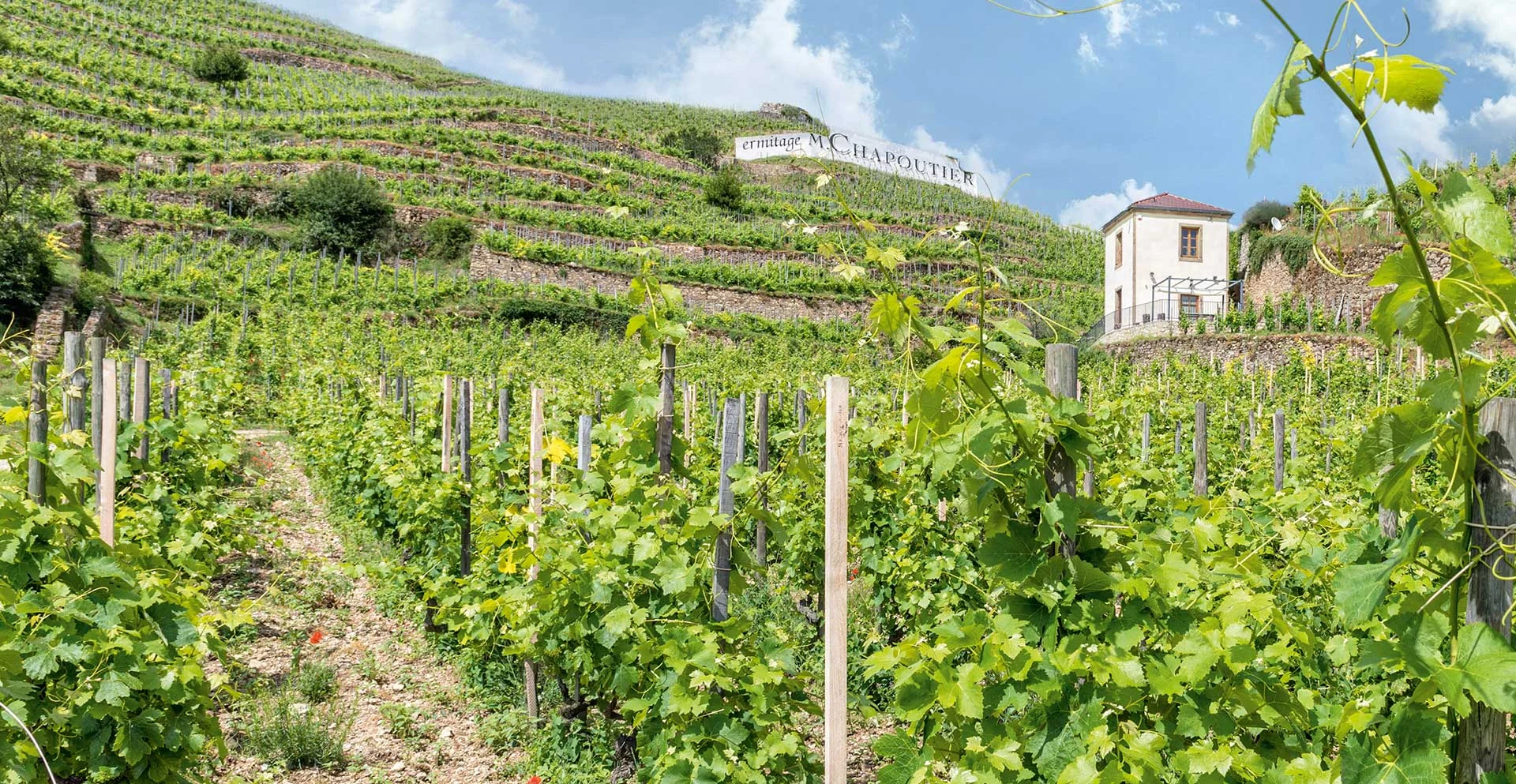
| Chapoutier | Tain-l'Hermitage | World's 50 Best |
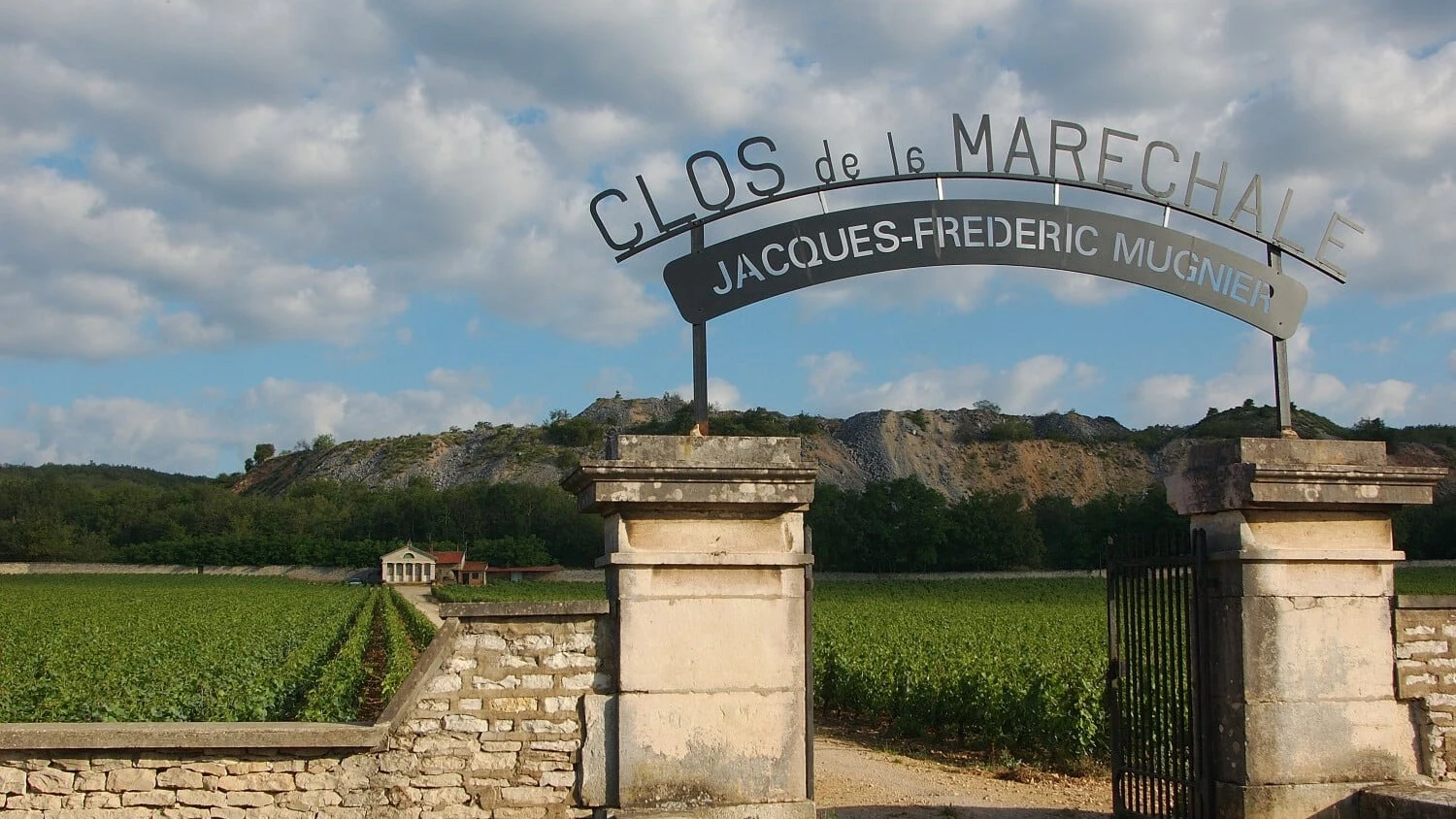
| Domaine Jacques-Frédéric Mugnier | Premeaux-Prissey | · |
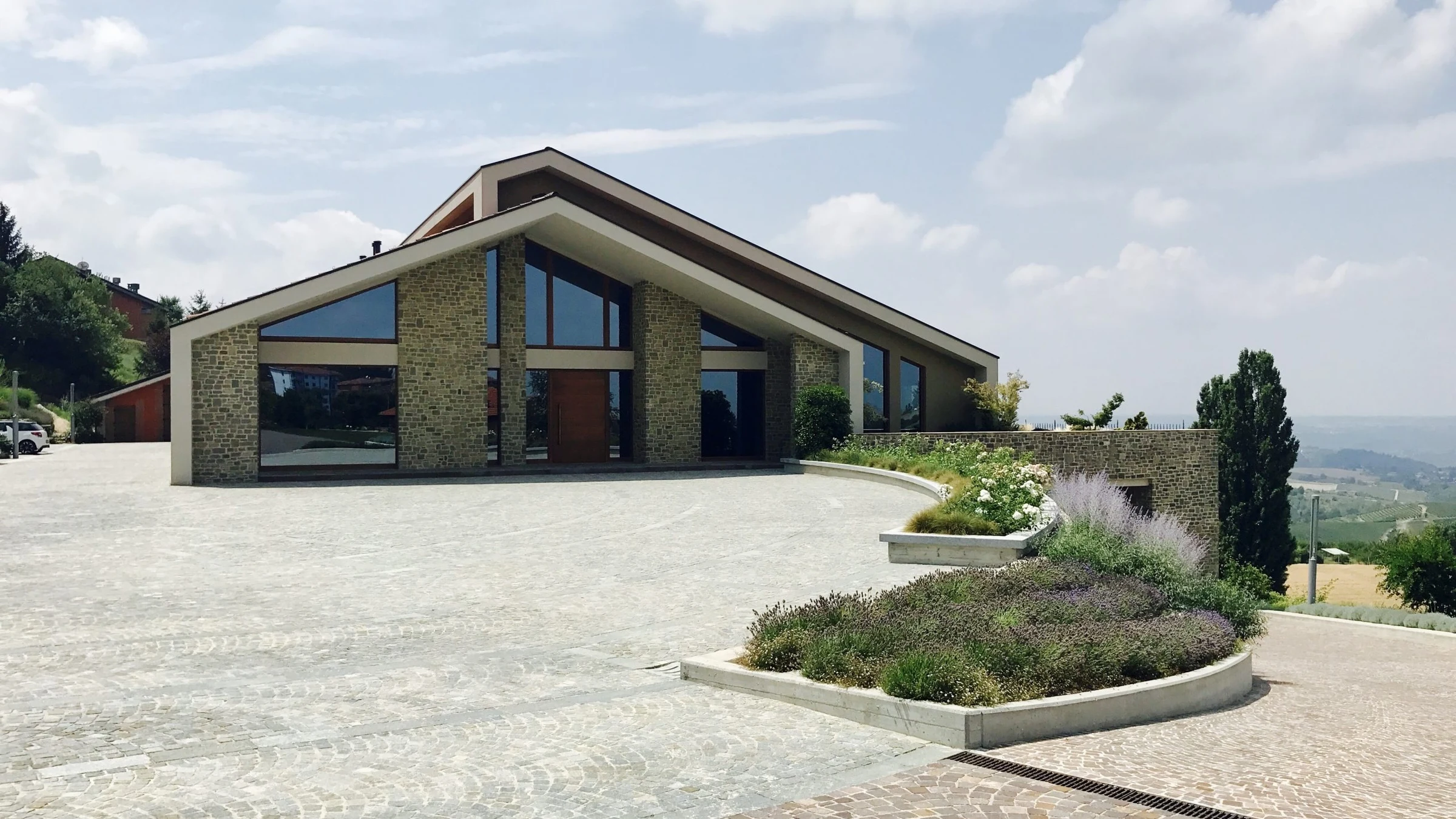
| Giacomo Conterno | Monforte d'Alba | · |
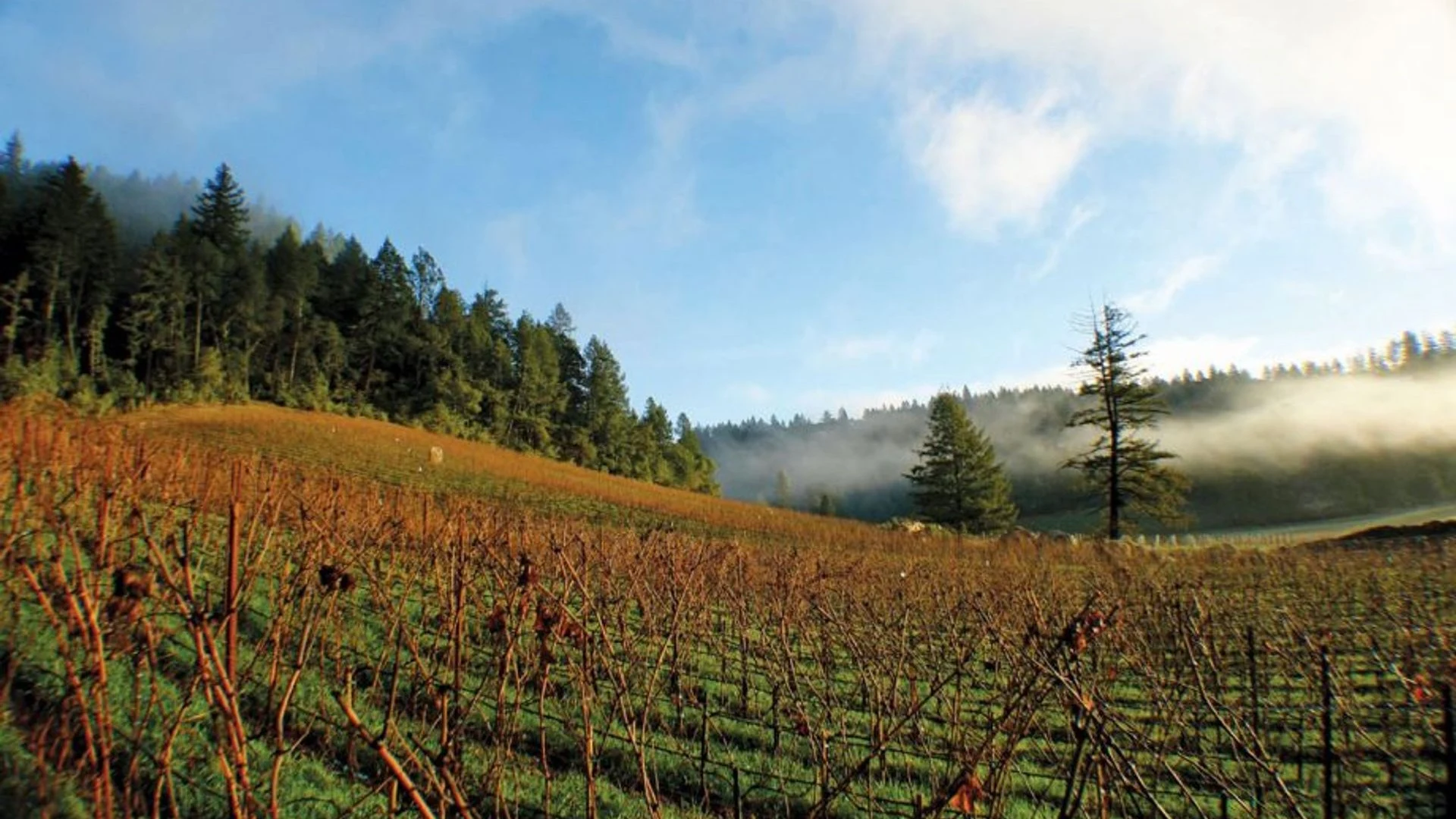
| Hundred Acre | Napa | · |
| Jacques Selosse | Avize | · |
| Viña VIK | San Vicente De Tagua Tagua | World's 50 Best |