
- Falstaff Winery - Listed · 2026
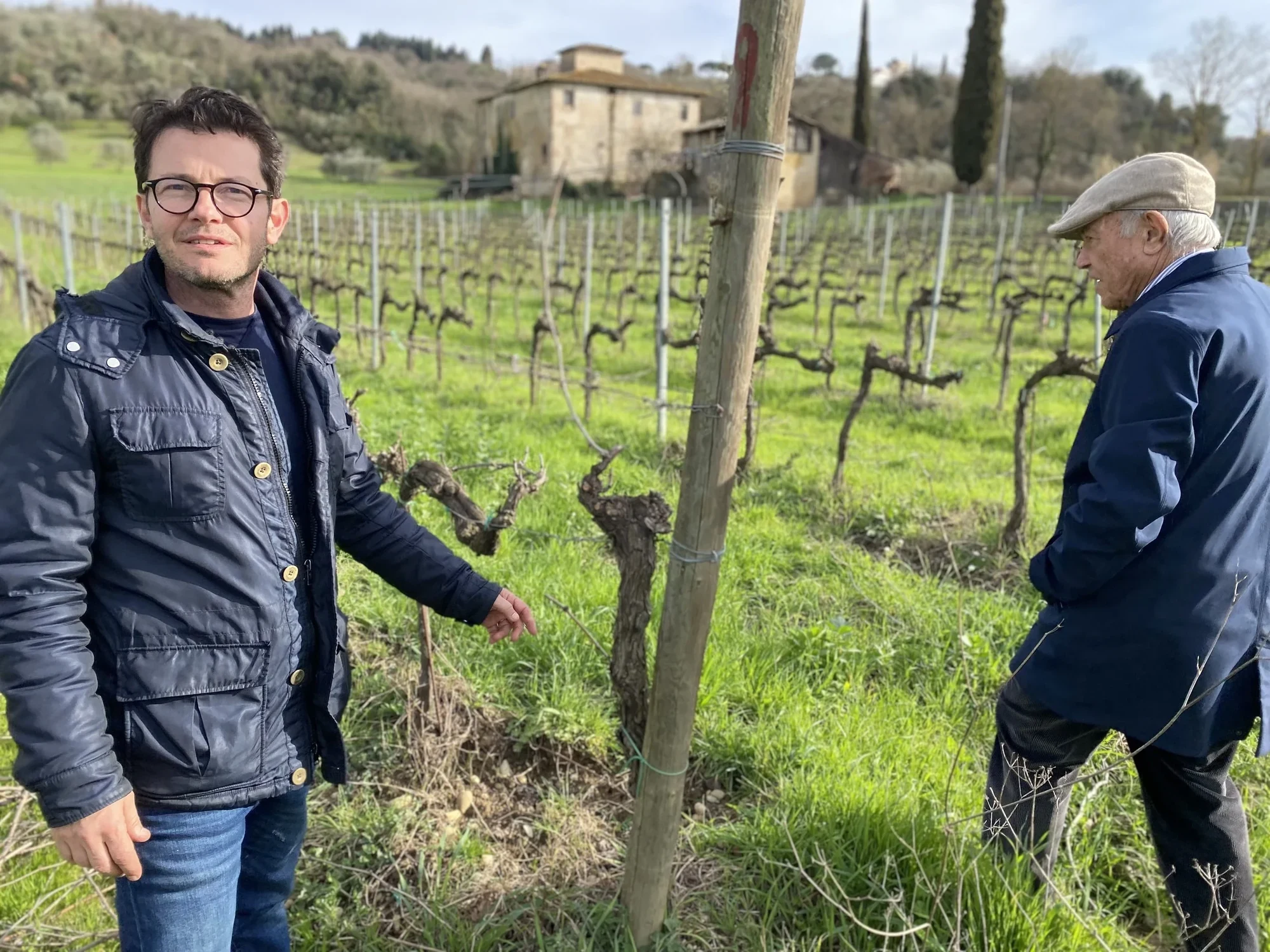
Fattoria di Sammontana is a historic Tuscan winery estate in Montelupo Fiorentino, shaped by vineyard land, underground cellars, and a quiet family-run atmosphere. The appeal is not a polished, high-gloss version of Tuscany, but a more rustic and grounded one: scenic, discreet, and tied to the working character of an estate where farming practices are central to the identity.
The picture is intentionally simple. Fattoria di Sammontana is associated with organic and biodynamic vineyard practices, underground cellars, and a traditional estate setting. Those details are enough to define the experience without adding unsupported claims about specific wines, grapes, tour formats, architecture, ownership history, or appointment policies. For visitors planning around Montelupo Fiorentino, it is best understood as a historic winery stop with a calm, hidden-gem feel rather than as a venue built around spectacle.
Organic and biodynamic vineyard practices in a historic Tuscan setting
The strongest confirmed reason to pay attention to Fattoria di Sammontana is its combination of historic estate atmosphere and organic and biodynamic vineyard practices. In a region where winery visits can sometimes lean heavily on scenery alone, this estate’s profile points instead toward farming, cellar context, and continuity. The underground cellars reinforce that sense of depth: the place reads as part working winery, part rural Tuscan inheritance.
What can be said with confidence is broader but still useful: Fattoria di Sammontana is a winery estate where the vineyard approach matters, and where organic and biodynamic practices are part of the venue’s identity. That makes it most relevant for travelers who care about agriculture and atmosphere as much as tasting-room polish.
The price category is listed as $$, placing it in a moderate bracket for planning purposes. Beyond that, visitors should confirm current visit options, availability, and any tasting details directly before making plans, since those specifics are not part of the venue record used here.
A quiet, rustic estate rather than a theatrical winery stop
Fattoria di Sammontana’s character is best described through atmosphere: historic, rustic, quiet, scenic, and somewhat hidden away from the more obvious hospitality circuits. The family-run feeling is part of the draw. It suggests a place where the estate itself, rather than a branded visitor experience, carries much of the meaning.
That distinction matters. This is not a page to read for a promised menu, a named chef, a fixed tour length, a detailed tasting format, or a guaranteed list of wines. None of those specifics are here. Instead, the reliable frame is the estate’s identity: a Tuscan winery in Montelupo Fiorentino, with organic and biodynamic vineyard practices, underground cellars, and a traditional atmosphere that suits slower, context-minded travel.
For travelers building a day around Montelupo Fiorentino, the estate can sit naturally alongside other local dining, lodging, bar, and experience plans. The safest planning approach is to treat Fattoria di Sammontana as a scenic winery estate whose confirmed strengths are place, farming philosophy, and cellar setting, then verify current logistics before visiting.
How to read the estate in the wider Italian wine conversation
Within Italian wine travel, Fattoria di Sammontana fits the category of estates that appeal less through noise and more through rootedness. Its features point to a working Tuscan context: vineyards managed with organic and biodynamic practices, underground cellars, and a family-run mood that feels traditional rather than manufactured. That is a compelling profile for visitors who prefer quiet texture over luxury staging.
It is also important not to overstate the public record. A careful guide should therefore avoid turning the estate into something more specific than the evidence supports. The honest recommendation is narrower but stronger: Fattoria di Sammontana is worth noting as a historic, rustic, scenic winery estate in Montelupo Fiorentino with organic and biodynamic vineyard practices and underground cellars.
The critical case for the estate rests on that combination. It offers a quieter Tuscan winery profile, a moderate $$ price category, and a sense of place grounded in vineyard work and historic cellars. For the right traveler, that is enough: not a checklist of invented details, but a calm, grounded reason to include Fattoria di Sammontana in a Montelupo Fiorentino itinerary.
Questions
Frequently asked
Who works at Fattoria di Sammontana?
Made By profiles Daniele Dzieduszycki (Winemaker) at Fattoria di Sammontana.
How expensive is Fattoria di Sammontana?
Fattoria di Sammontana is listed at a price level of $$.
The field
How it compares
| Place | Notes | Awards |
|---|---|---|
| Fattoria di Sammontana | Montelupo Fiorentino, $$ | · |
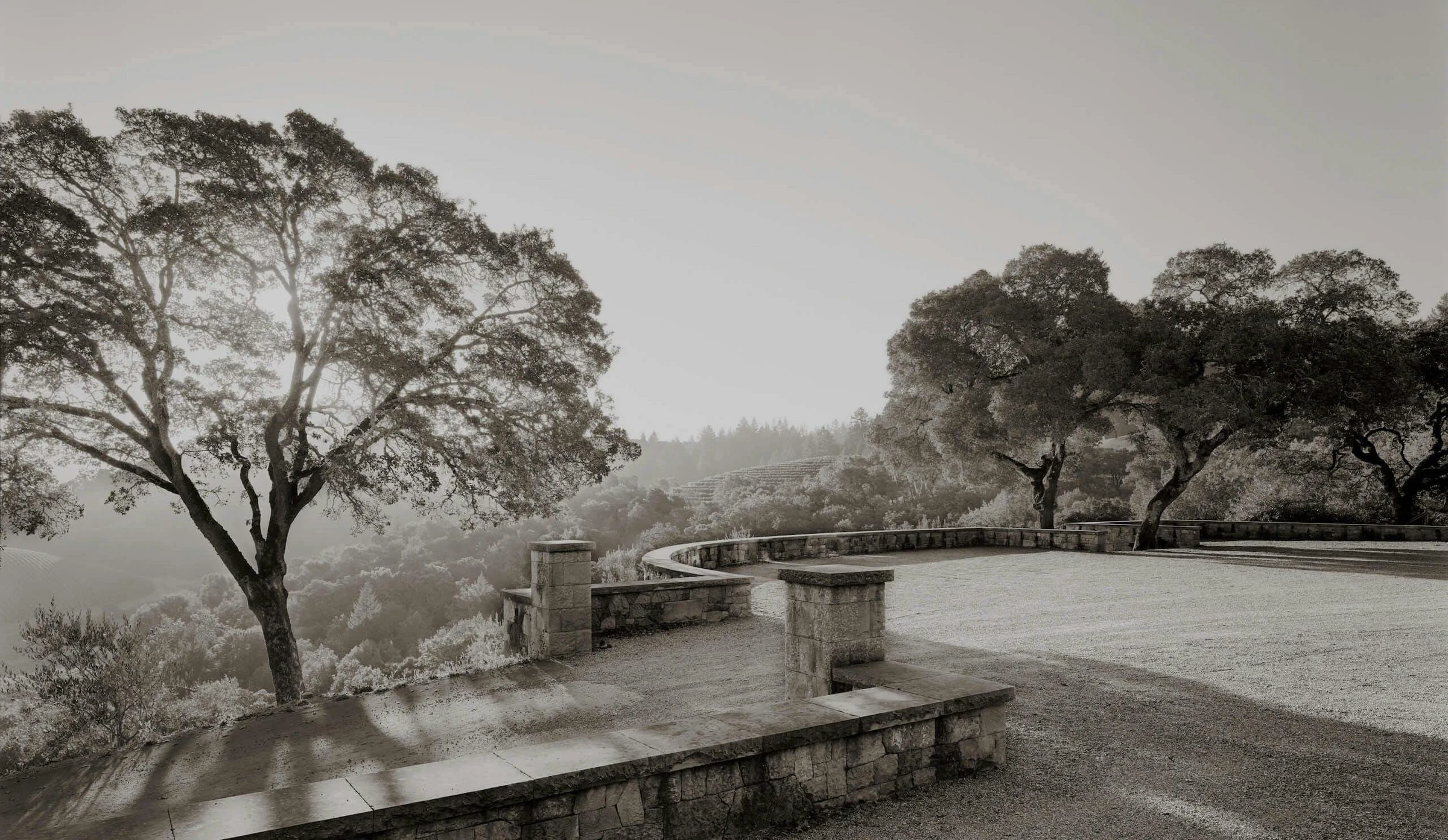
| BOND Winery | Napa | · |
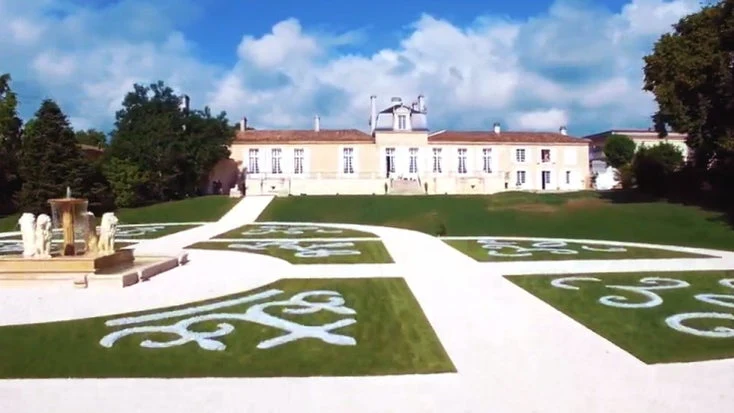
| Chateau Leoville Las Cases | Saint-Julien-Beychevelle | · |
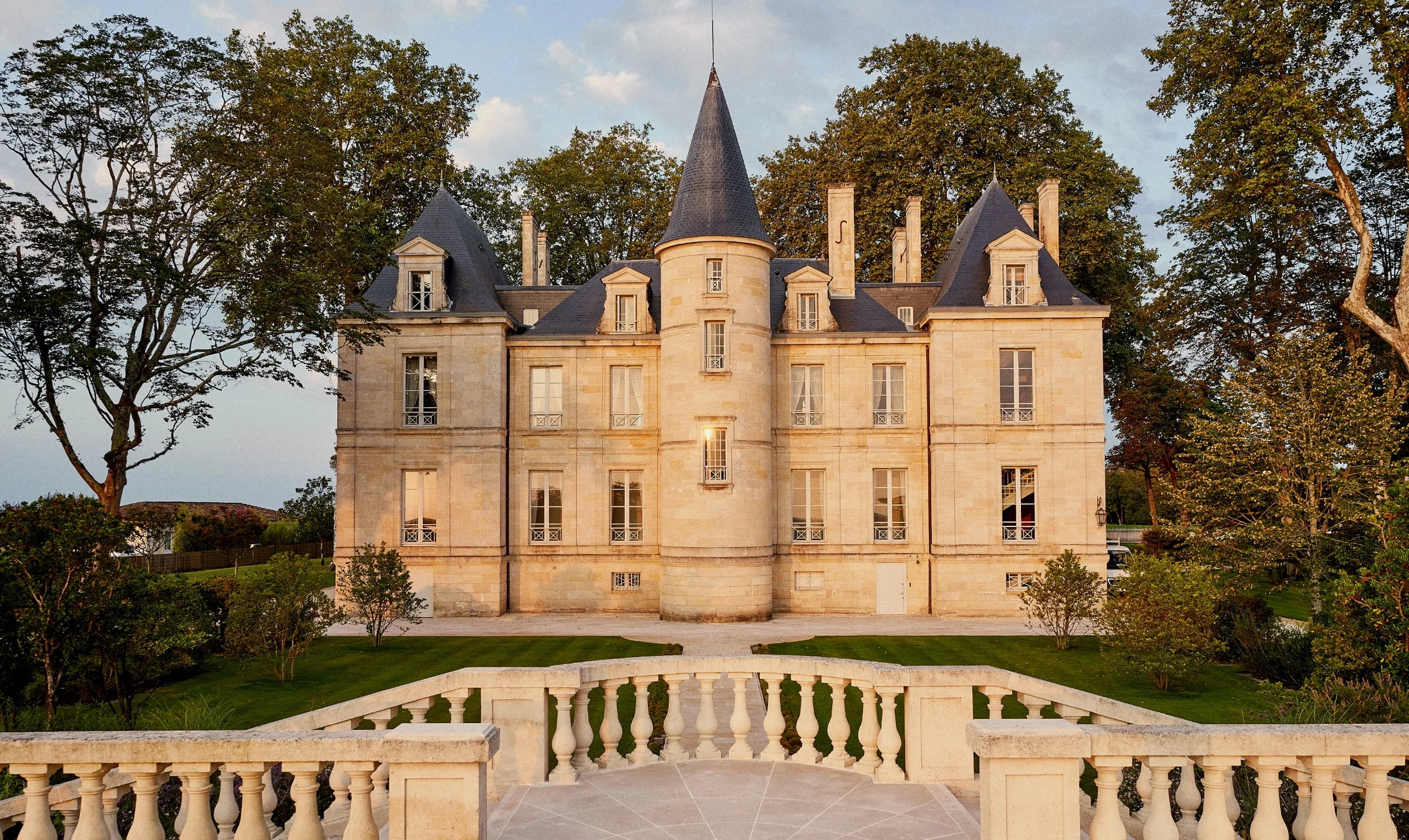
| Château Pichon-Longueville-Comtesse-de-Lalande | Pauillac | · |
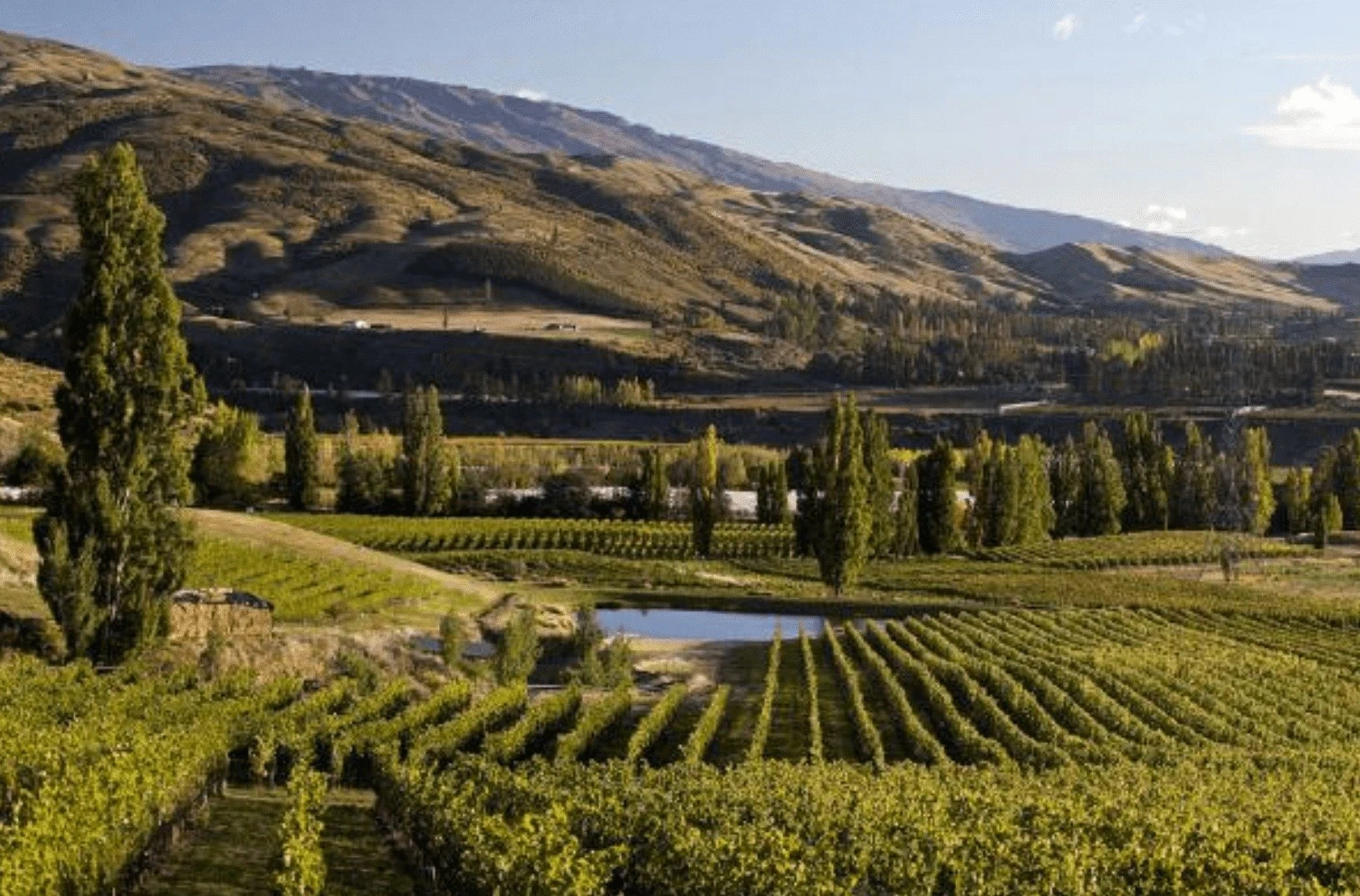
| Felton Road Wines | Bannockburn | World's 50 Best |
| Tenuta San Vito in Fior di Selva | Montelupo Fiorentino | · |
| Viña VIK | San Vicente De Tagua Tagua | World's 50 Best |
In residence
Similar places
BOND Winery
Napa, United States
Chateau Leoville Las Cases
Saint-Julien-Beychevelle, France
Château Pichon-Longueville-Comtesse-de-Lalande
Pauillac, France
Felton Road Wines
Bannockburn, New Zealand
50 Best
Tenuta San Vito in Fior di Selva
Montelupo Fiorentino, Italy
Viña VIK
San Vicente De Tagua Tagua, Chile
50 Best