Made ByWinery
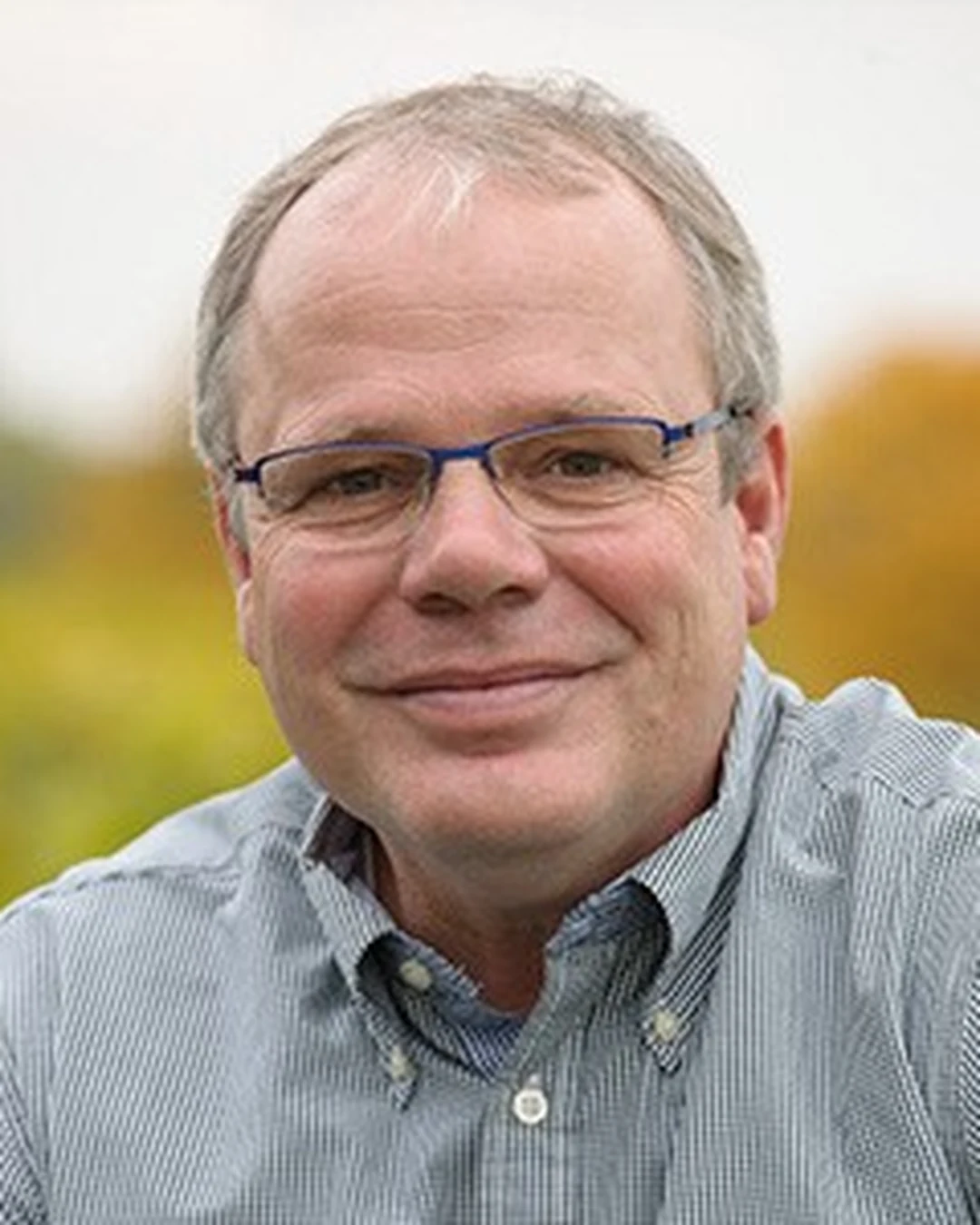

Reiner Abel, winemaker at Ferdinand Abel in Oestrich, works a Rheingau estate grounded in Riesling, Spätburgunder and Weißburgunder.
At a glance
- Price
- $$
- Neighborhood
- Oestrich
Riesling before the cellar door
Riesling sets the first decision for Reiner Abel, winemaker at Ferdinand Abel in Oestrich, where the estate works from Mühlstraße 32–34 in Oestrich-Winkel. He holds the work close: owner, estate manager, and Kellermeister, the person responsible for keeping the vineyard, cellar, and bottle in one line. His formation at Riesling Bastion Schloss Johannisberg gives the role its shape, with attention paid to each handoff rather than to any single display of technique. The house identity is Rheingau in the practical sense, grounded in Riesling and supported by Spätburgunder and Weißburgunder, with still white, still red, and sparkling wines in the program. Abel’s earlier responsibility for the entire estate is recorded across 1986–2000, a period that places his stewardship in a long working frame rather than a passing appointment. Today, his station asks for range. He must read the fruit, keep the cellar disciplined, and let the estate remain itself.
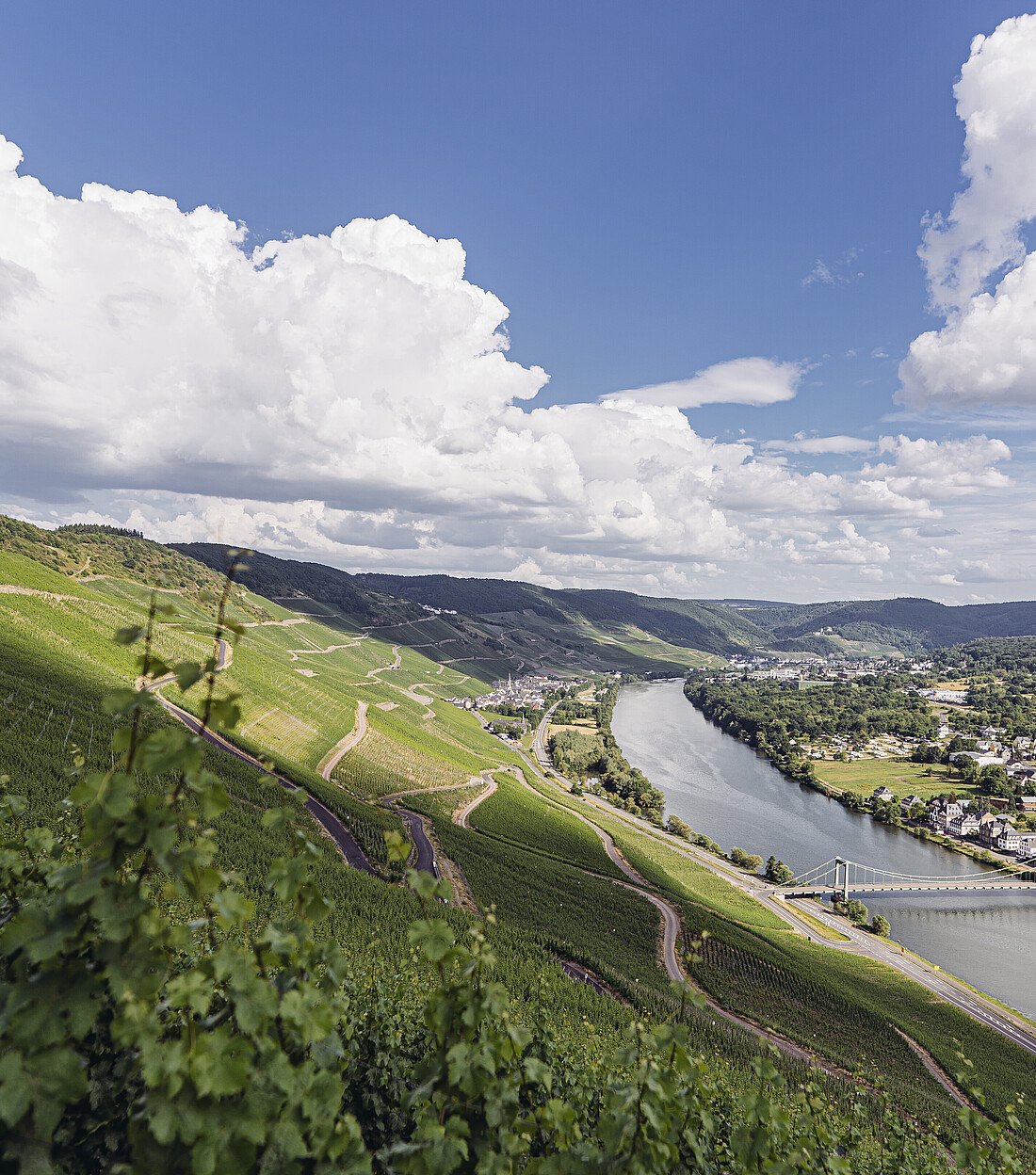
About ten hectares in the Rheingau
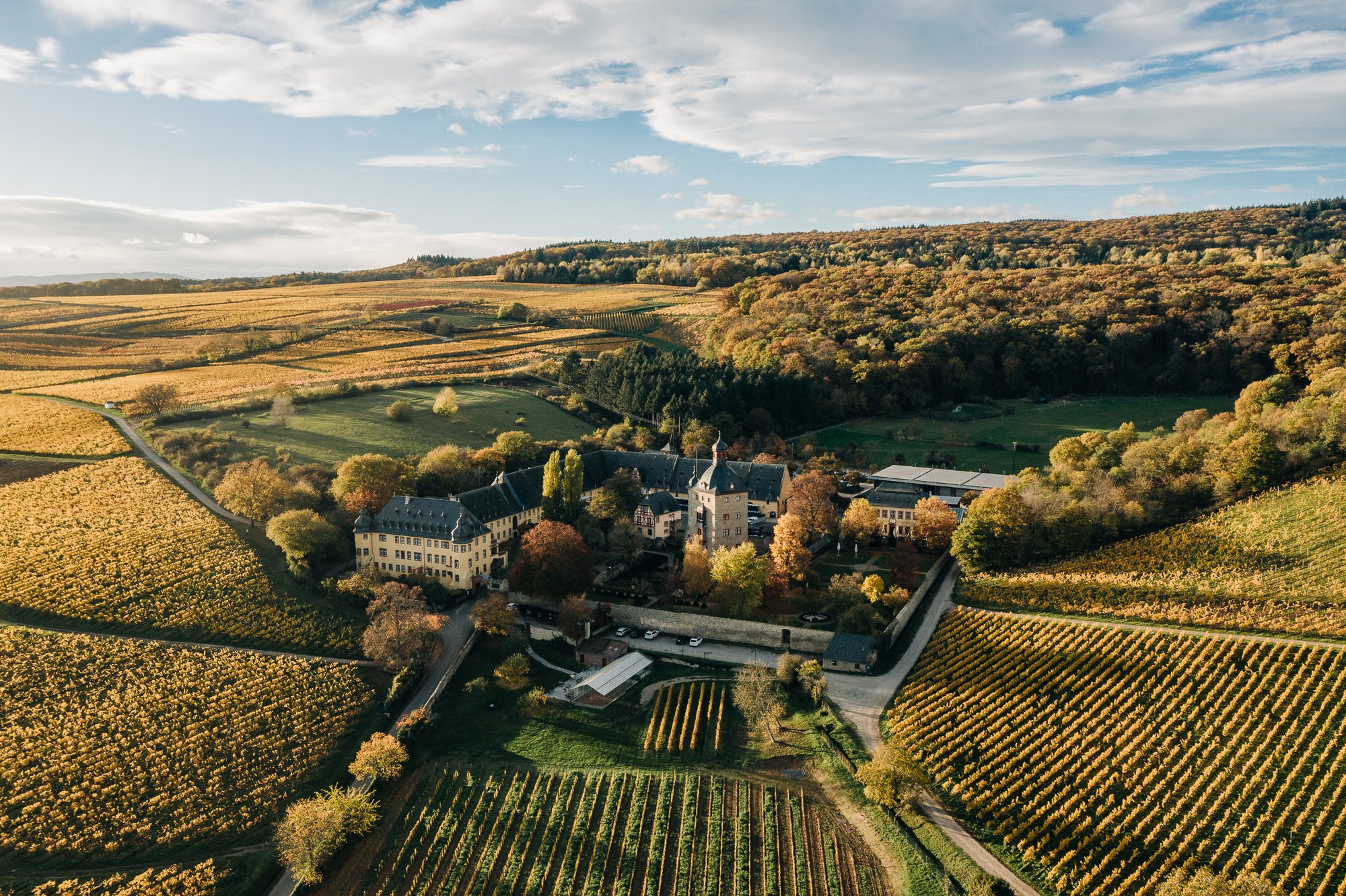
The estate farms around ten hectares, a scale small enough for decisions to stay close to the hands that carry them out. The named ground around the wines includes Oestricher Lenchen, Oestricher Doosberg, and Hallgartener Schönhell, with soils described as carbonaceous or gravelly loess loam. That matters for the register of the wines, because loess can hold water while giving roots a way through the soil, a quiet condition rather than a headline. Abel’s associated bottles show the span of the cellar: 2025er Oestricher Lenchen Riesling trocken at the dry end, 2025er Oestricher Doosberg Riesling Spätlese süß in a sweeter register, and 2025 Oestricher Lenchen Riesling feinherb between the two. The older 2003er Riesling Erstes Gewächs brings another kind of evidence, time in bottle, while Trockenbeerenauslese 2018 marks the concentrated pole of the house. The method behind those wines is not published in cellar detail, so the clearest reading comes through grape, site, sweetness, and the restraint of the finished range.
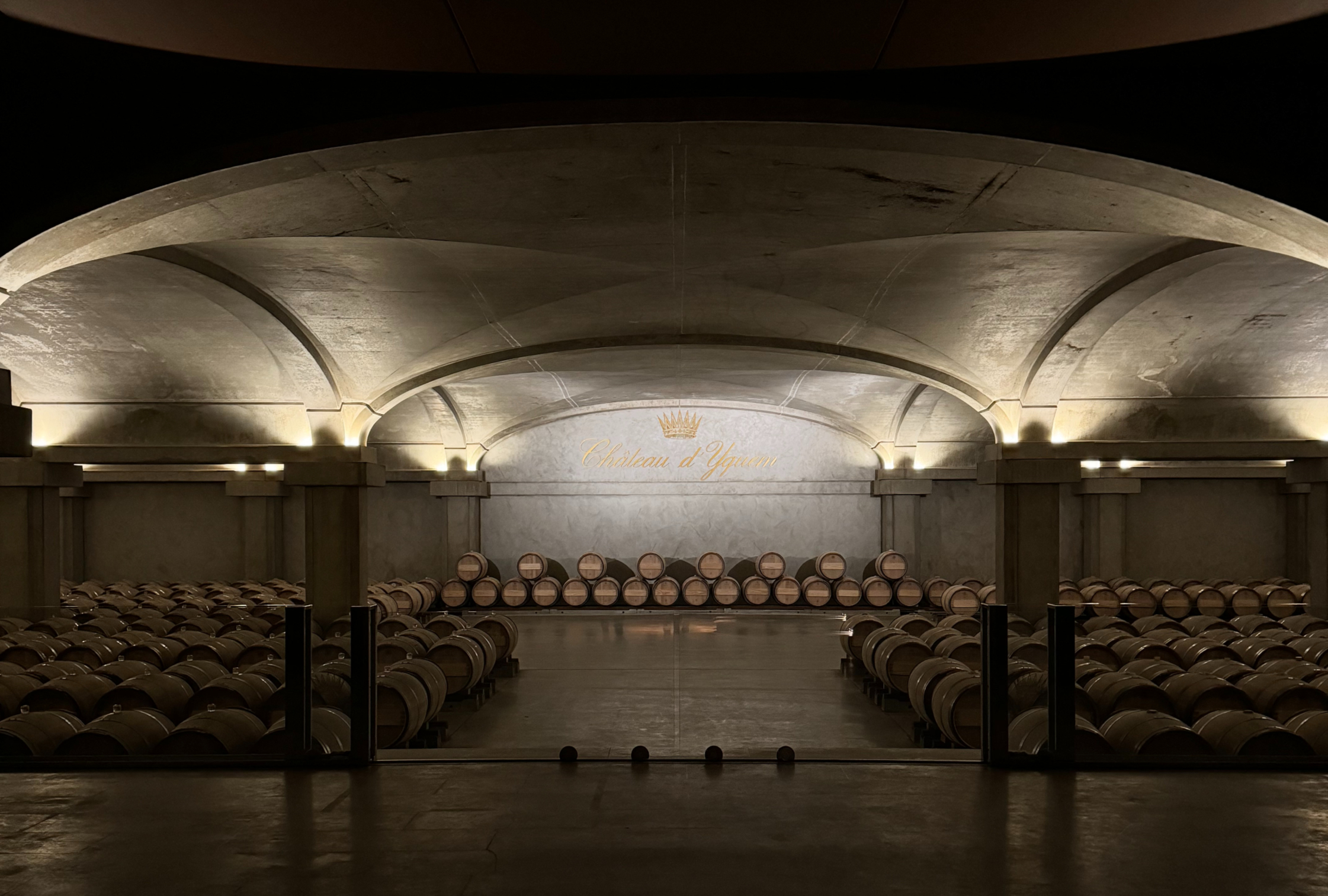
The cellar and the Straußwirtschaft
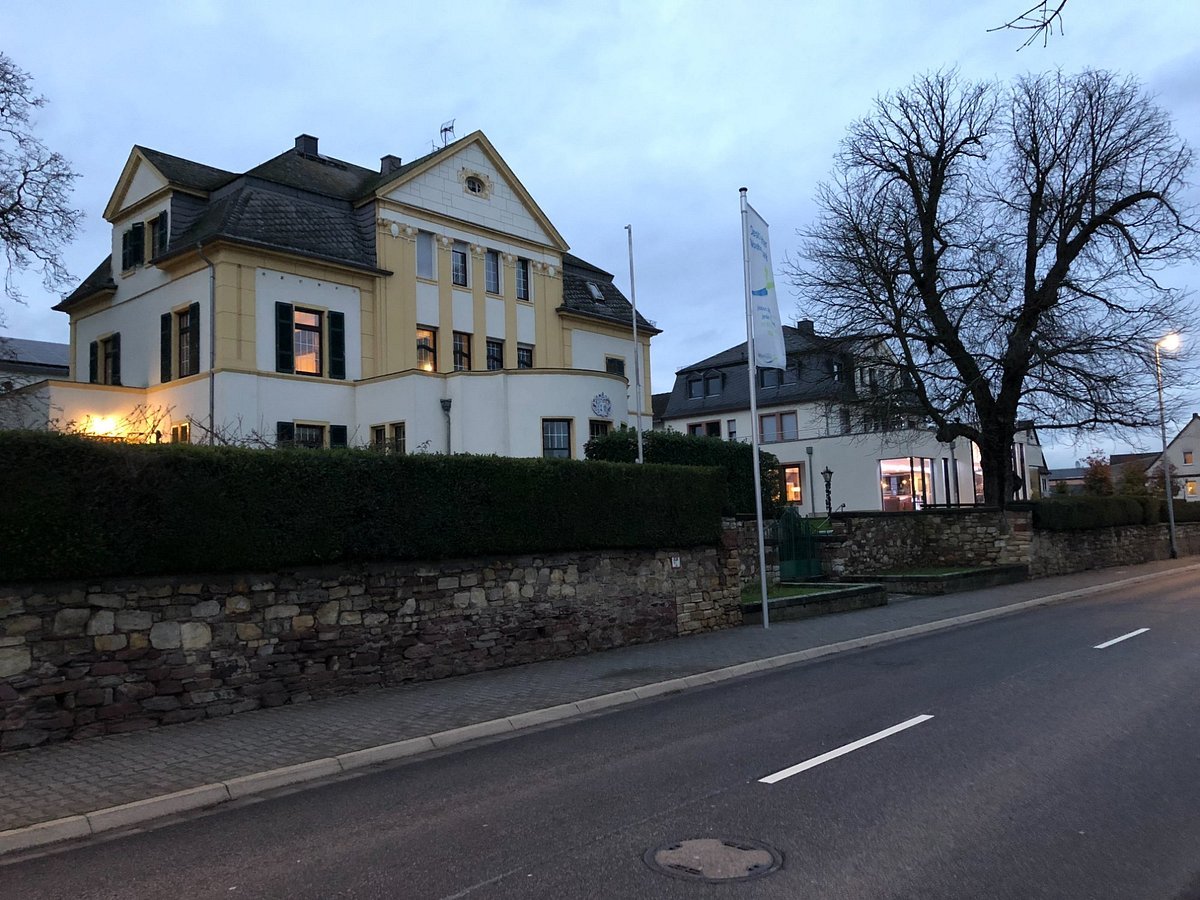
The place keeps the feeling of a village winery rather than a designed room. Production buildings and cellar sit within the Oestrich-Winkel street fabric, and the atmosphere is straightforward, conversational, and close to the work. In the tasting room and seasonal Straußwirtschaft, the estate’s wines meet food without ceremony; the house points each dish back to its own bottles. That connection suits the portfolio. Riesling can carry salt, acidity, and sweetness without leaving the table, while Spätburgunder and Weißburgunder widen the pass for regional dishes. During local food-and-wine programming, names such as ABELpasti and Hildegard’s homemade potato salad make the room feel less like a showroom than an extension of the cellar’s daily discipline.
A house held in its own register
Ferdinand Abel matters here because it does not overstate itself. The phrase “Wein ist unser Handwerk” gives the house a useful measure: wine as craft, not performance. Abel’s role is to keep that measure intact across vineyard, cellar, and table, with the next vintage entering a line already shaped by Oestricher Lenchen Riesling trocken, Oestricher Doosberg Riesling Spätlese süß, and Trockenbeerenauslese 2018.
Know before you go
- Reservations
- appointment_only
- Parking
- street
- Groups
- Welcomed
Address
Oestrich-Winkel, Rheingau, Hesse, Deutschland
Oestrich