Feudo Cavaliere
- 01CitySanta Maria Di Licodia, Italy
- Falstaff Winery - Listed · 2026
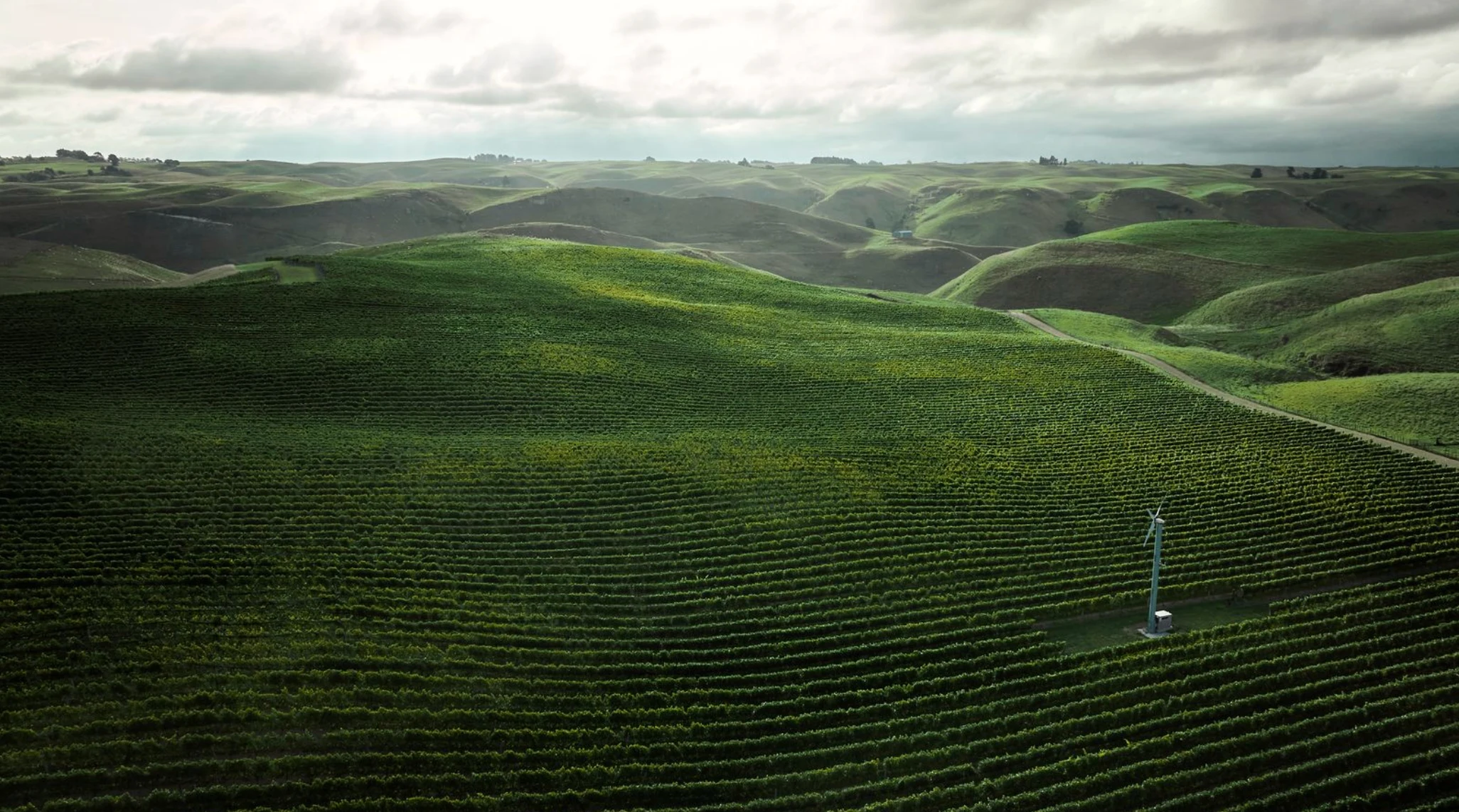
On Etna’s southern slope, wine country is not gentle postcard terrain. The vineyards around Santa Maria di Licodia sit in a harder mountain register: volcanic sand underfoot, terraces cut with lava stone, woods close enough to remind the drinker that this is an agricultural ecosystem before it is a leisure address. Feudo Cavaliere belongs to that side of Sicily’s wine story, where altitude, exposure, and manual work carry more weight than polished cellar-door theatre.
The estate’s vineyards descend from roughly 1,000 to 900 metres above sea level, a band that matters in Etna wine. Height moderates heat, slows ripening, and helps preserve acidity in a region better known to casual Sicily drinkers for sun than for mountain tension. Black, sandy volcanic soils add the other defining cue. In the glass, Etna’s reputation is built on exactly this tension between southern latitude and alpine-feeling restraint, especially when white wines need lift rather than weight.
Southern Etna altitude gives the wines their argument
Etna DOC has become a shorthand for volcanic wine, but the phrase can flatten an area with meaningful slope-by-slope variation. The southern side of the volcano reads differently from the more frequently discussed northern and eastern sectors: the light, altitude, wind exposure, and terraced farming all help shape the final style. Feudo Cavaliere’s position near Santa Maria di Licodia places it in a part of Etna where vineyard setting is not background scenery. It is the central fact.
The estate is focused on still red and white wines, with Millemetri Bianco identified as a flagship. That name is not incidental; it points directly to the elevation band that defines the property’s viticultural identity. For readers who follow Etna through terroir rather than label prestige, this is the useful lens: expect the conversation to begin with altitude, volcanic substrate, and the discipline required to farm terraces, not with celebrity winemaking or a grand hospitality apparatus.
Hand selection and hand harvest fit the terrain. Steep, terraced volcanic vineyards limit mechanisation and demand close physical work, particularly where lava-stone walls and sandy soils require maintenance and care. That kind of farming does not automatically make a wine better, but it does explain why Etna producers often speak in terms of parcel, slope, and exposure. On this mountain, labour is part of the terroir argument.
A working-winery mood rather than a staged tasting circuit
The mood here is rustic, quiet, and scenic in the literal sense: mountain and vineyard views define the setting, while the surrounding oaks, chestnuts, and wildlife place the estate in a broader Etna ecosystem. The draw is not a restaurant format, a chef-led pairing menu, or a large group programme. It is the chance to understand a small Etna DOC producer through its ground conditions and scale.
That distinction matters for planning. Sicily’s wine tourism can split between highly arranged estate experiences and producers whose public face is leaner, more agricultural, and more dependent on appointment timing. Feudo Cavaliere sits closer to the latter category. The useful expectation is a site-led winery visit rather than a full hospitality complex: vineyard context, still red and white wines, and a quieter reading of Etna’s southern flank.
There is also a price signal worth reading correctly. The $$ bracket suggests accessibility relative to the island’s luxury hospitality tier, but Etna wine value is not measured only by tariff. The more interesting comparison is internal: how much of the estate’s identity comes from altitude, volcanic soil, and manual vineyard work rather than from add-on amenities. On that measure, Feudo Cavaliere’s appeal is specific and grounded.
How to place it within a Santa Maria di Licodia itinerary
Santa Maria di Licodia is not the Sicily of resort promenades or city-centre aperitivo circuits. It is a practical base for reading the agricultural side of Etna, especially for travellers who want the volcano’s wine culture without turning every stop into a production. Feudo Cavaliere works well as part of a slower day built around the mountain’s southern slope, with time left for the town and nearby countryside rather than a rushed tasting checklist.
For broader local planning, use Our full Santa Maria Di Licodia wineries guide alongside the city pages for restaurants, hotels, bars, and experiences. Nearby wine context starts with Feudo di Gulfa, while a wider Italy wine scan can run through 3GP SRL in Treviso, 47 Anno Domini in Trebaseleghe, A Mano Wine in Noci, a6mani in Fragagnano, Abbadia Ardenga in Torrenieri, Abbazia di Crapolla in Neapel, Abbazia Monte Oliveto in Asciano, »der Steiner« Hans Steiner in Podersdorf am See, and & Handwein in Mannheim.
The editorial case is clear: this is a winery for travellers who care about why Etna tastes different from the rest of Sicily. Feudo Cavaliere’s strongest signals are its Etna DOC frame, its 900-to-1,000-metre vineyard band, volcanic sand, lava-stone terraces, and its focus on still wines from a small estate setting. Those details are enough to make the land the subject, which is exactly where serious Etna wine begins.
Questions
Frequently asked
How expensive is Feudo Cavaliere?
Feudo Cavaliere is listed at a price level of $$.
The field
How it compares
| Place | Notes | Awards |
|---|---|---|
| Feudo Cavaliere | Santa Maria di Licodia, $$ | · |
| Champagne Salon | Le Mesnil-sur-Oger | · |
| Château d'Yquem | Sauternes | World's 50 Best |
| Château La Mission Haut-Brion | Talence | · |
| Chateau Petrus | Pomerol | · |
| Feudo di Gulfa | Santa Maria Di Licodia | · |
| Kumeu River Wines | Kumeu | World's 50 Best |