Finca Antigua
- 01CityHinojosos, Spain
- Falstaff Winery - 1 Stars · 2026
Approaching Finca Antigua, the first impression is not a cellar door but an exposed plateau: vines, open sky, a large water pond, and the restored La Mancha farmhouse that turns a working estate into a tasting place rather than a production site with a counter. In a region often reduced to volume and value, the property argues that altitude, limestone, winter cold, and a wide grape palette can give La Mancha a sharper identity than its reputation suggests.
The estate sits in Los Hinojosos on Spain’s central plateau, at more than 900 meters above sea level, where warm days and cooler nights do useful vineyard work. In La Mancha, ripeness is rarely the problem; retaining freshness and structure is the harder achievement. Scale is part of the story: 421 hectares of vineyard within a 1,000-hectare property, large enough for both varietal bottlings and parcel-led wines without pretending to be a tiny artisan cellar.
High-altitude La Mancha, read through limestone and parcel work
Modern Spanish wine tourism often favors architecture or heritage. Here, terroir is the stronger lens. Most of the estate is described through limestone-stony soils, while Pico Garbanzo, a clay-soil parcel with older mixed planting, carries particular weight because it supplies fruit for Clavis, the premium red. The estate is not presenting La Mancha as one broad flavor category, but as blocks with distinct geological and viticultural roles.
The varietal map is deliberately broad. Viura and Moscatel sit alongside Tempranillo, Garnacha, Merlot, Cabernet Sauvignon, Petit Verdot, and Syrah, reflecting both local Spanish structure and the late-20th-century confidence in international varieties across Castilla-La Mancha. Half the vineyard is directed toward DO La Mancha wines and half toward VT Castilla, a practical split that permits work within and outside appellation constraints. For travelers used to tighter regions with narrower grape identities, that flexibility is part of the education.
Winemaking details point to controlled fermentation and selective oak rather than a purely rustic model. The Reserva spends 22 months in French oak; the Garnacha Crianza is noted for temperature-controlled stainless-steel fermentation, a 19-day maceration, and 10 months in American oak. The range sits in a familiar Spanish register: hot, high-plateau fruit disciplined by cellar control, then shaped through oak by tier and style.
A portfolio that treats value and experimentation as the same conversation
La Mancha’s international reputation has long rested on volume, but better estates now face a harder question: how to make value without flattening character. Finca Antigua answers with a laddered portfolio. Varietal wines such as Viura, Tempranillo, Syrah, Cabernet Sauvignon, Merlot, Petit Verdot, and Garnacha form the accessible core, while Crianza and Reserva bottlings add a familiar Spanish aging structure. The estate also moves sideways into La Cueva del Granero, a Viura orange wine, and a naturally sweet Moscatel, broadening the conversation beyond red-wine reliability.
Clavis is the clearest signal of ambition because it is tied to Pico Garbanzo rather than to the estate name alone. In large vineyards, a single-site bottling matters only when the site has a credible reason to stand apart. Here, clay soils, older mixed planting, and the estate’s emphasis on parcel difference provide that basis. More interesting than its price relative to the entry tier is its request that La Mancha be judged by site specificity, a language more often associated with regions commanding higher prices.
The ownership context explains the range without turning the page into family biography. Familia Martínez Bujanda, with roots beyond La Mancha, acquired the Los Hinojosos estate in 1999, and the property opened in its current winery form in 2003. This is not a small inheritance cellar protecting a narrow local tradition; it is a family group using a large high-altitude estate for varietal breadth, export reach, and controlled experimentation.
The visit makes the vineyard do the talking
The visitor format reinforces the wines’ argument. The guided experience moves through the vineyard and into a technical tasting room positioned at a viewpoint, with three wines paired with Manchego cheese. The pairing is regionally logical rather than elaborate, which suits the setting: the point is to connect grape, altitude, soil, and local food culture without recasting the estate as a restaurant.
Accessibility is unusually concrete for a rural winery experience, with wheelchair access, accessible toilets, step-free entry, and visual-access measures listed for the activity. The format supports English and Spanish, making it useful for international travelers crossing Castilla-La Mancha as well as Spanish-speaking wine groups. The restored farmhouse, used as a wine bar and store, gives the experience a second register after the formal tasting, closer to rural hospitality than branded retail.
Sustainability reads strongest through farming practice rather than slogans. The entire vineyard is in organic conversion, irrigation is paired with controlled yields, and the farming team numbers more than 20 people. Familia Martínez Bujanda’s wider environmental framework includes organic waste reuse, reduced consumption, renewable energy choices, water management, biodiversity protection, and estate-specific vineyard work. The practical implication is parcel-by-parcel attention at a scale where blanket farming would be easier.
For a broader Hinojosos itinerary, keep the winery in context with Our full Hinojosos wineries guide, then map the rest of the trip through Our full Hinojosos restaurants guide, Our full Hinojosos hotels guide, Our full Hinojosos bars guide, and Our full Hinojosos experiences guide. Readers building a wider Iberian cellar route can also compare Spanish estate models through 3 Ases Bodegas y Viñedos in Quintanilla De Arriba, 4Kilos Vinícola in Felanitx, Aalto Bodegas y Vinedos in Quintanilla De Onesimo Valladolid, Abadia de Aribayos in Moraleja Del Vino, Abadía Retuerta in Sardón de Duero, Abel Mendoza Monge in San Vicente de la Sonsierra, Acústic Celler in Els Guiamets, Adega Algueira in Sober, »der Steiner« Hans Steiner in Podersdorf am See, and & Handwein in Mannheim.
Questions
Frequently asked
How expensive is Finca Antigua?
Finca Antigua is listed at a price level of $$.
The field
How it compares
| Place | Notes | Awards |
|---|---|---|
| Finca Antigua | Los Hinojosos, $$ | · |
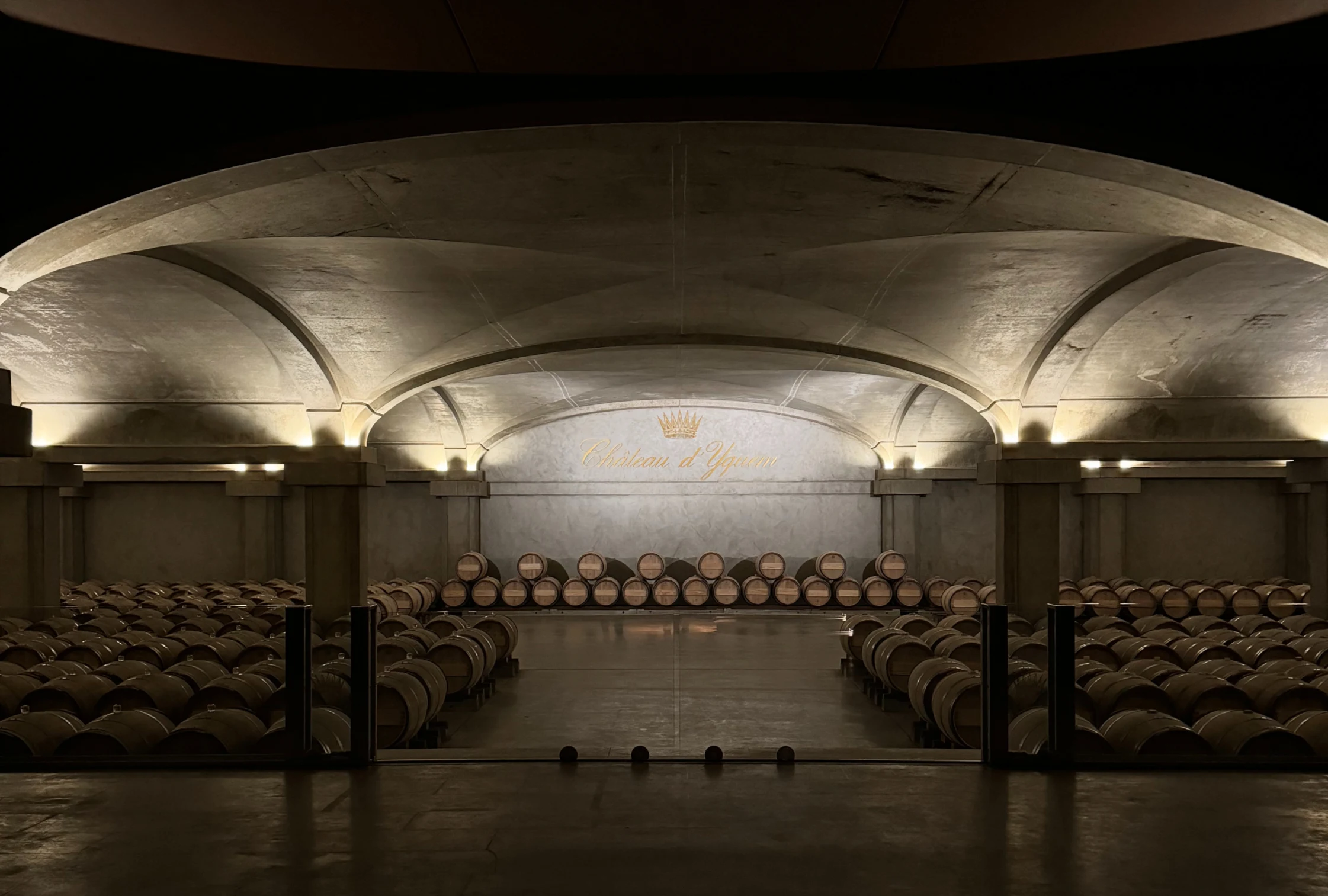
| Château d'Yquem | Sauternes | World's 50 Best |
| Château Lafleur | Pomerol | · |
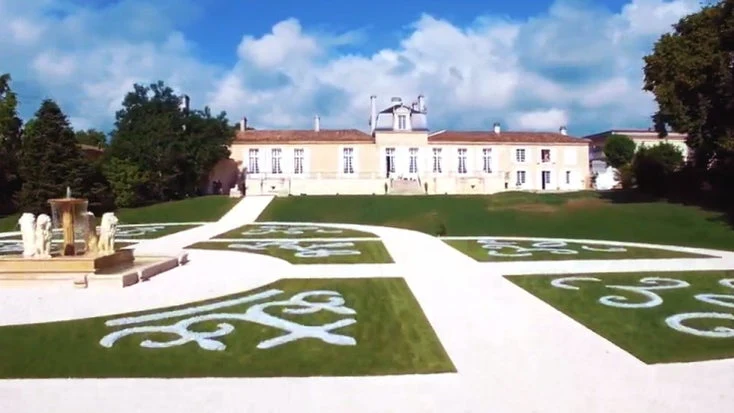
| Chateau Leoville Las Cases | Saint-Julien-Beychevelle | · |
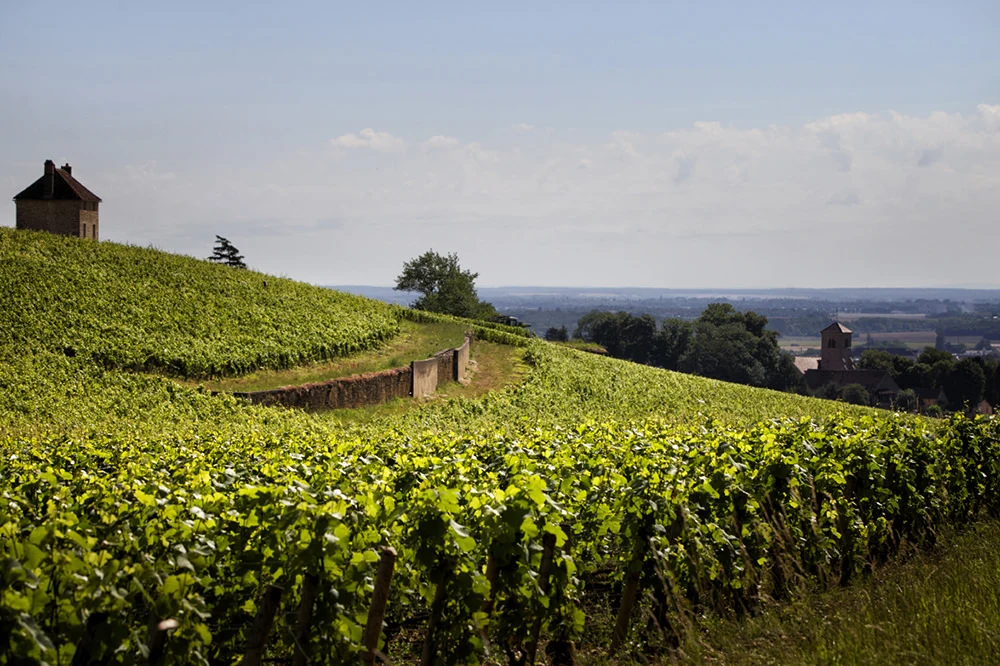
| Domaine Denis Mortet | Gevrey-Chambertin | · |
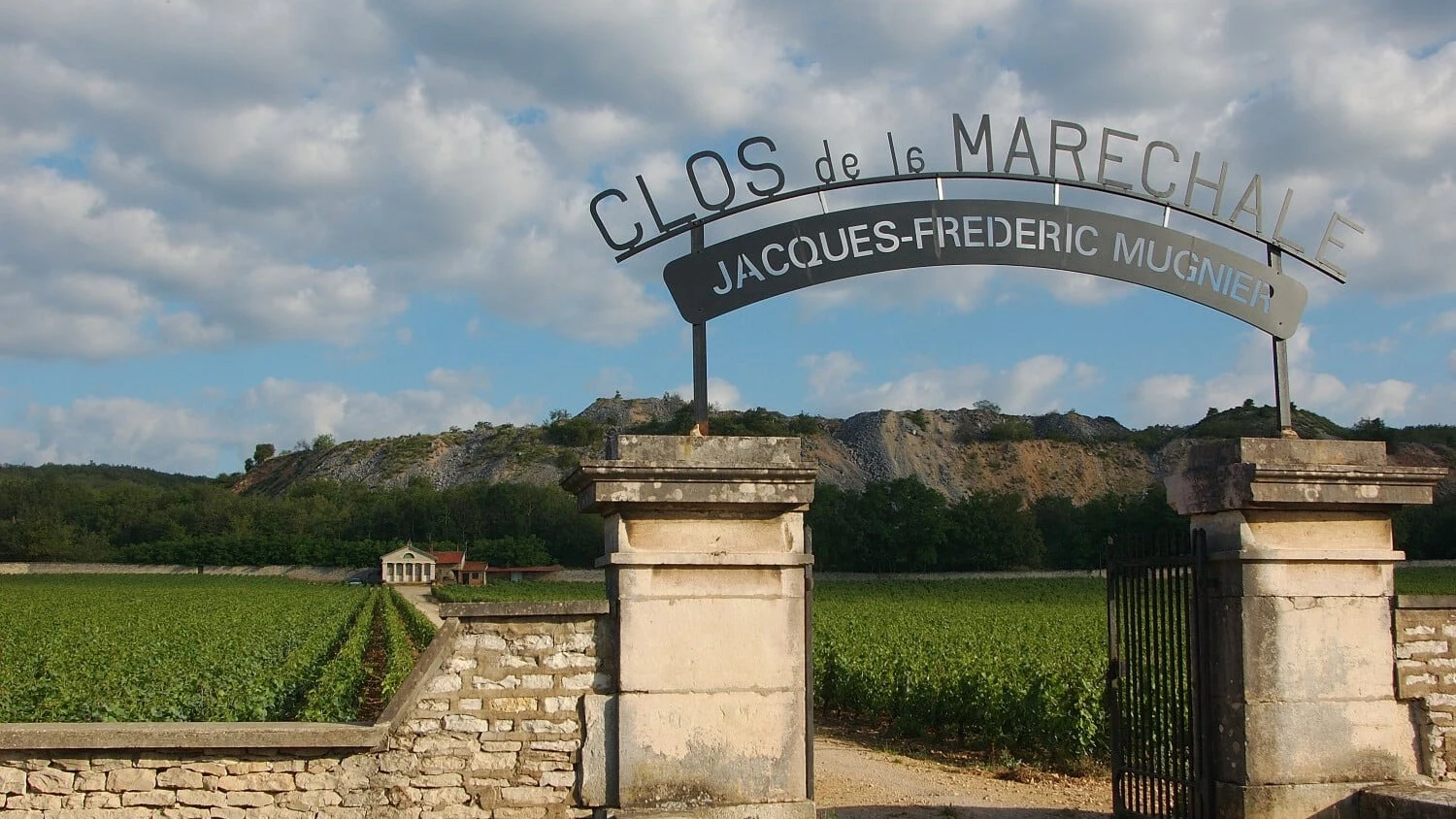
| Domaine Jacques-Frédéric Mugnier | Premeaux-Prissey | · |
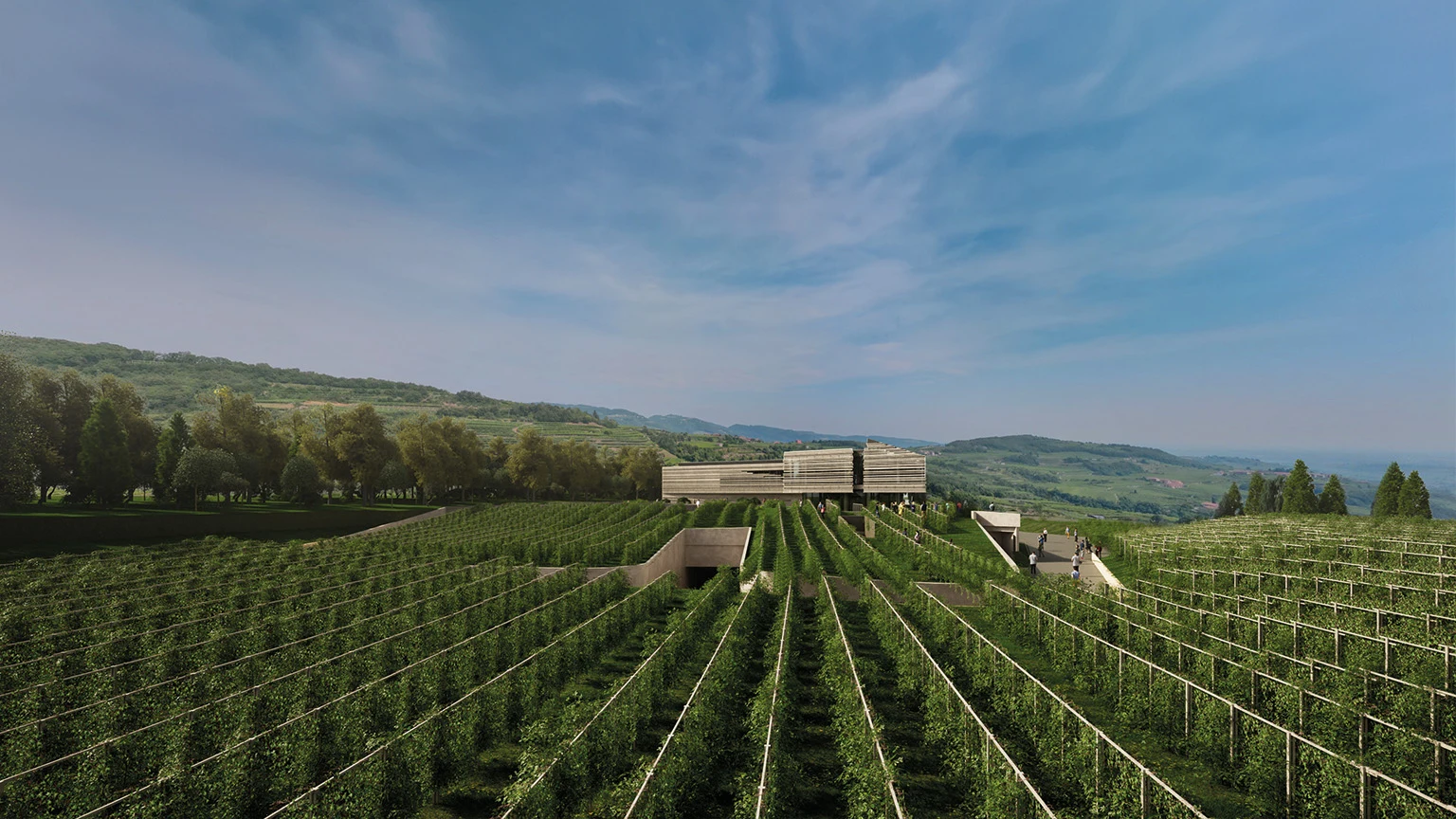
| Masi | Sant'Ambrogio di Valpolicella | · |