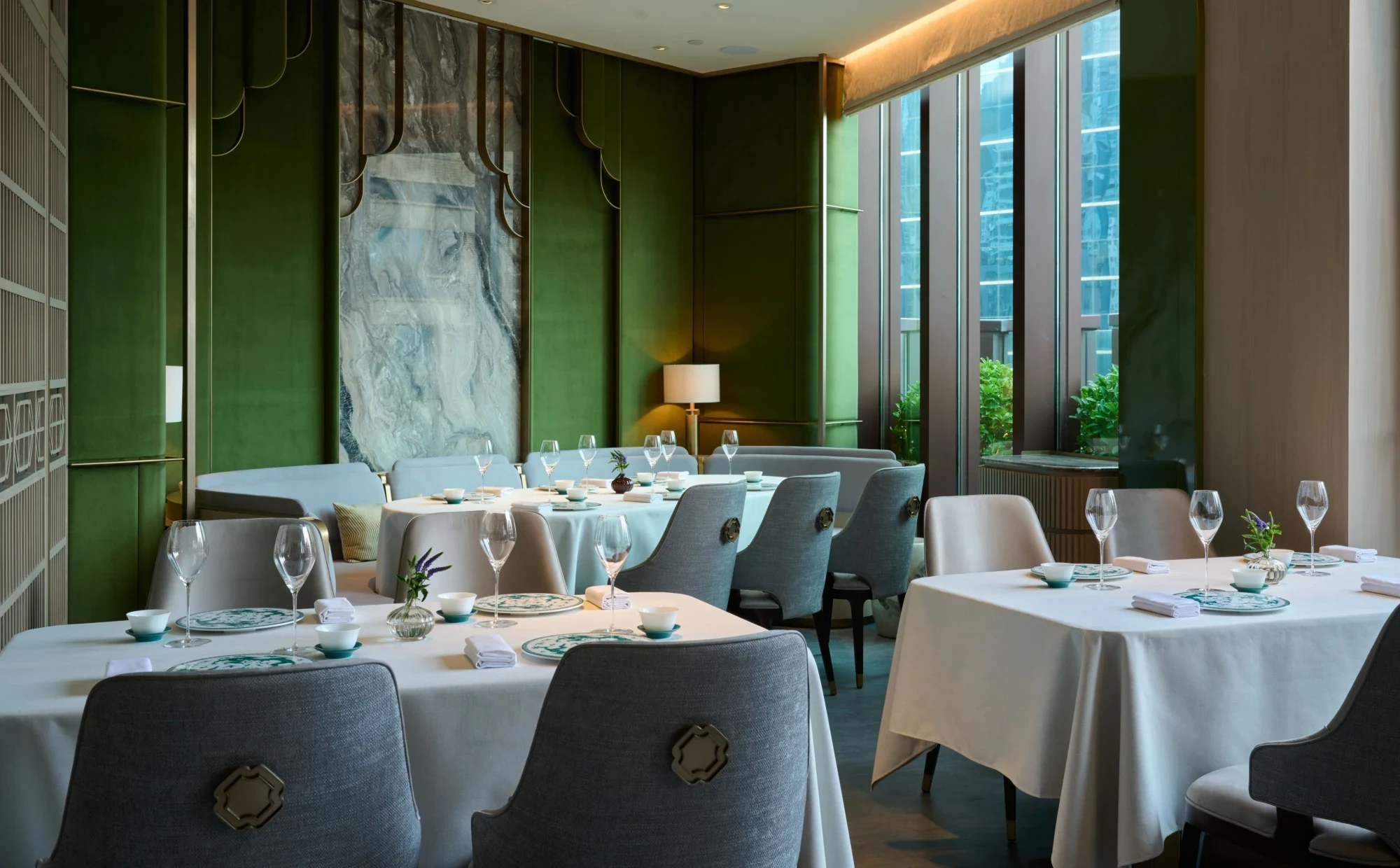
Fireside
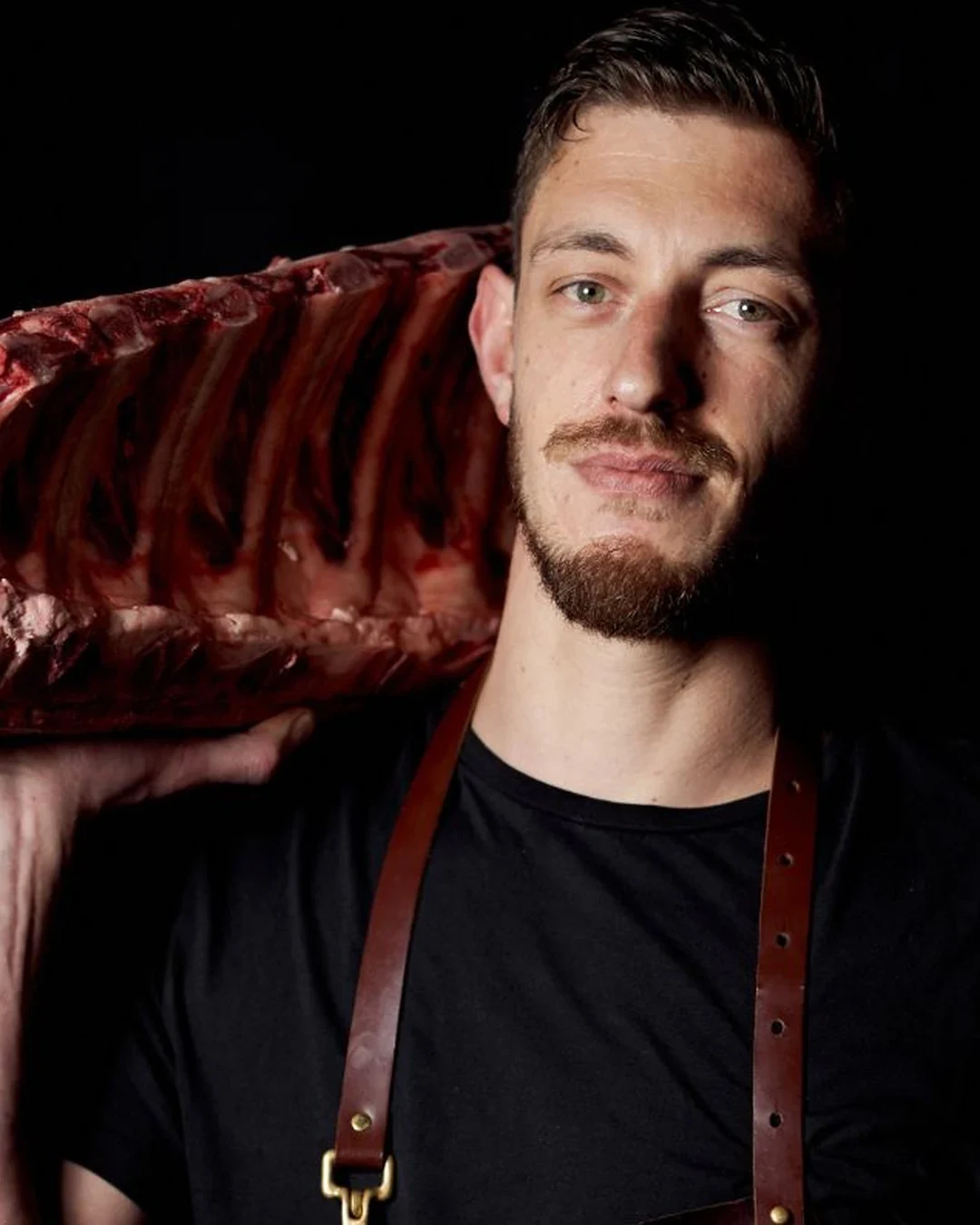
In Residence
Jaime Ortolá
Chef
- 01CuisineOpen-Fire Spanish-Inspired Grill
- 02CityHong Kong, Hong Kong
- World Best Burgers World's 101 Best Burgers #46 · 2026
- SCMP 100 Top Tables Restaurants · 2026
- World's Best Steaks 101 Best Steak Restaurants #18 · 2026
- Opinionated About Dining Top Restaurants in Asia Recommended · 2026
- World's Best Steaks 101 Best Steak Restaurants #50 · 2025
Where the Meal Is the Occasion
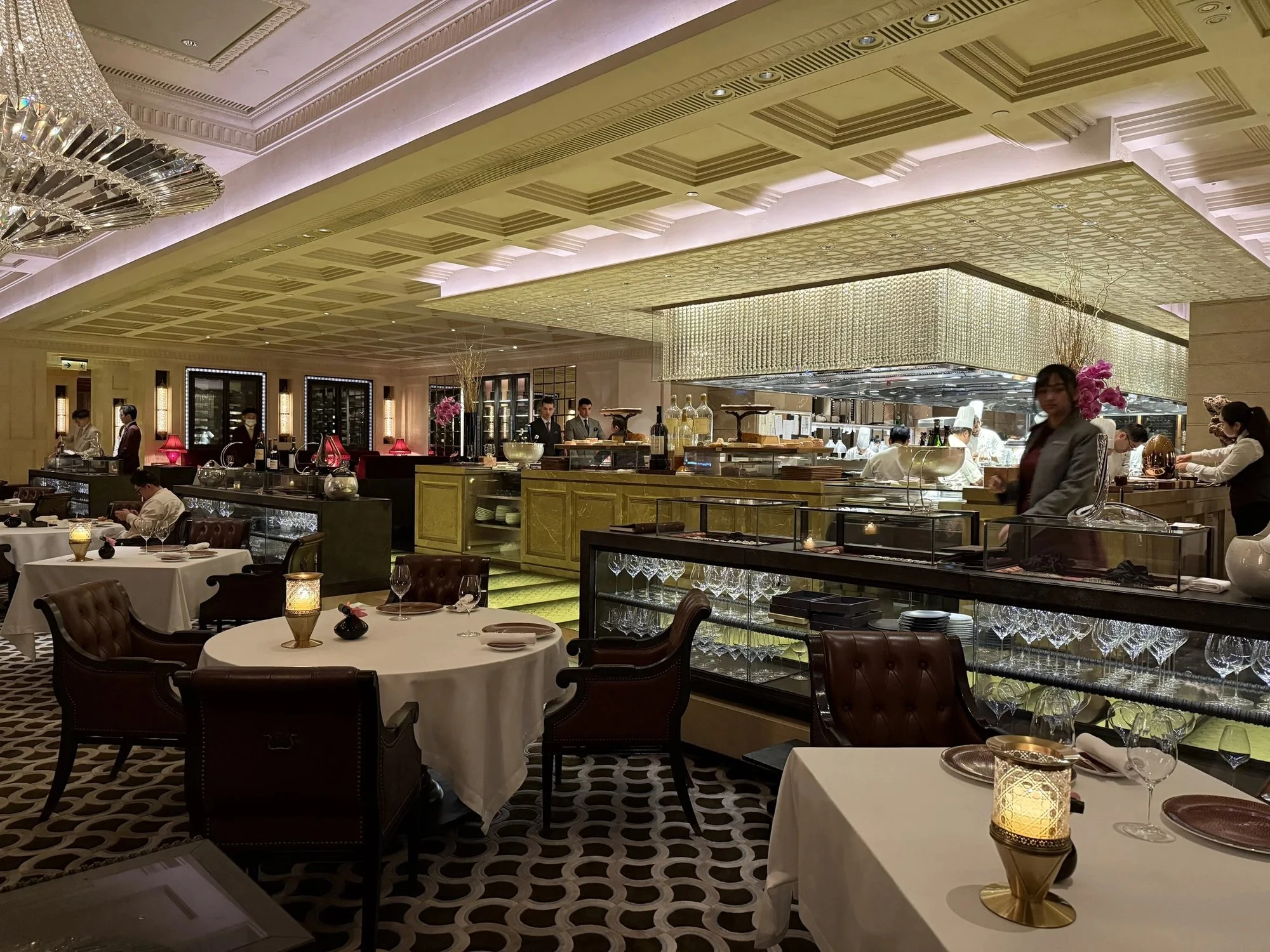
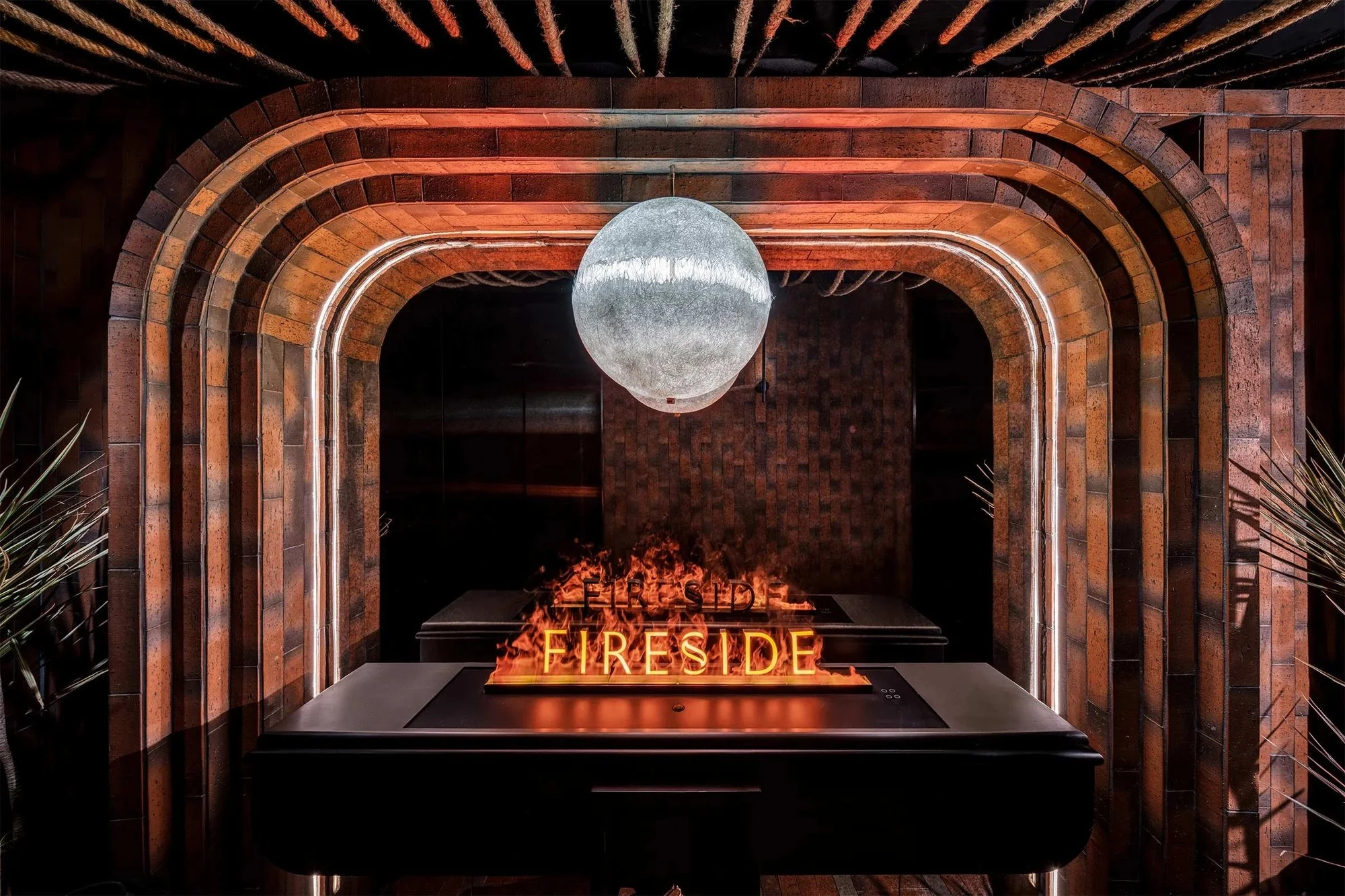
Arrive at the fifth floor of H Code on Pottinger Street and the shift is immediate. Central's usual register of glass, marble, and ambient hum gives way to something older and more deliberate. The room is oriented around fire: open flames visible from most seats, the low heat of charcoal pressing gently into the air, smoke threading through the space without overwhelming it. This is a dining environment that does the work of occasion-setting before a single dish arrives.
That atmospheric specificity matters considerably when the meal itself is the reason for being there. Venues like Amber and Caprice occupy one end of that spectrum, their ceremony built around tableside service and architectural plating. Fireside occupies a different register entirely: the occasion here is elemental rather than ceremonial, defined by proximity to the cooking process and the particular intimacy that open-fire kitchens produce.
Fire as the Organising Principle
The menu at Fireside is structured around a single technical commitment: everything passes through flame. The kitchen operates custom-built charcoal and wood-fire ovens, and the distinction between heat sources is deliberate. Coals, wood smoke, and direct flame each produce different results on fat, protein, and vegetable matter, and the menu is designed to make those differences legible to the diner.
Proteins carry the menu's weight. Galician beef ribeye, aged beyond 100 days, sits at the far end of the dry-ageing spectrum that a small number of fire-focused restaurants internationally have made their focus. The practice of extended dry-ageing concentrates flavour and alters texture in ways that shorter ageing windows cannot replicate; at 100-plus days, the margin for error in the final cook narrows considerably, which is precisely why open-fire technique becomes a measure of craft rather than spectacle. Whole carabinero prawns arrive grilled, their shells charred, the flesh still yielding. An Iberico pork rack rounds out the heavier courses.
The smaller plates function as counterpoint rather than filler. Wood-roasted bone marrow with citrus gremolata addresses richness with acidity; coal-grilled vegetables and open-flame sourdough with smoked butter read as considered accompaniments rather than afterthoughts. The seasonal structure means the menu shifts with sourcing, which has the effect of making each visit feel fixed in a specific moment rather than drawn from a standing repertoire.
Lazy Bear in San Francisco treats open-fire technique as a narrative device; Aponiente in El Puerto de Santa María applies similar ingredient rigour to coastal product. Fireside's position in Hong Kong places it within that broader movement while addressing a specific gap in the city's dining mix.
The Right Room for a Marked Evening
8½ Otto e Mezzo Bombana and Ta Vie draw diners who want formal structure and long tasting menus. Forum addresses the Cantonese banquet tradition that defines celebration dining for much of the city's population. These are not the same occasion as Fireside.
What Fireside offers instead is physicality: the sound of fire, the visible kitchen, the weight of a long-aged cut arriving at the table. For a certain kind of milestone meal, the cooking-as-ceremony format carries more meaning than formal service rituals. The open kitchen creates a particular dynamic where the diner is not separated from the process of preparation, which has its own intimacy distinct from the polished remove of a grande salle.
The format suits pairs and small groups better than large tables, which itself shapes the occasion. A birthday dinner for two at a fire counter reads differently from the same meal in a private dining room. Neither is superior; they are different propositions. Fireside's particular utility is for occasions where the meal itself should feel active and present rather than ceremonially delivered.
Wine Programme and the Logic of Pairing
Fire cooking produces specific flavour profiles: Maillard crust, rendered fat, smoke compounds, and the deep umami of long-aged beef. The wine list at Fireside is built with those profiles in mind, drawing from Old World producers and low-intervention wines selected for their ability to work against, or alongside, that intensity.
Old World reds with structure and acidity are natural counterparts to dry-aged beef; the list appears to reflect an awareness of this logic. The staff's pairing recommendations are described as grounded in the kitchen's rhythm, which matters in a restaurant where the menu shifts with availability. A wine team that tracks the current menu rather than defaulting to standing suggestions provides meaningful guidance in a format like this. Similar pairing intelligence distinguishes the beverage programmes at venues like Le Bernardin in New York and Atomix, where the drink list is treated as continuous with the kitchen's output rather than parallel to it.
Central as a Setting
The address on Pottinger Street places Fireside within Central's denser dining grid, a neighbourhood that carries more destination restaurants per block than anywhere else in the city. The H Code building, accessed via The Steps, sits in a part of Central that has attracted a succession of food-serious independents alongside the established hotel dining rooms. The fifth-floor position creates a degree of separation from the street-level density.
For visitors structuring a Hong Kong itinerary around dining, Central's concentration means that Fireside can sit within a broader programme rather than requiring a dedicated journey.
Know Before You Go
- Address: 5th Floor, H Code, The Steps, 45 Pottinger Street, Central, Hong Kong
- Chef: Jaime Ortolá
- Cooking format: Open fire grill, custom charcoal and wood-fire ovens
- Beef specification: Dry-aged cuts, including Galician ribeye aged 100+ days
- Menu structure: Seasonal; changes with sourcing availability
- Wine programme: Old World and low-intervention wines; staff pairing guidance available
- Well suited for: Pairs and small groups; milestone meals where process is part of the occasion
Questions
Frequently asked
Who works at Fireside?
Made By profiles Jaime Ortolá (Chef) at Fireside.
How expensive is Fireside?
Fireside is listed at a price level of $$$.
Where is Fireside and what does it serve?
Fireside is in Central, Hong Kong, serving Open-Fire Spanish-Inspired Grill.
The field
How it compares
| Place | Cuisine | Notes | Awards |
|---|---|---|---|
| Fireside | Open-Fire Spanish-Inspired Grill | Central, $$$ | · |
| 8 1/2 Otto e Mezzo Bombana (Hong Kong) | 3 Michelin-Star Italian Fine Dining | Hong Kong | Michelin 3 Stars, World's 50 Best |
| Amber | Contemporary French Fine Dining | Hong Kong | Michelin 3 Stars, World's 50 Best |
| Caprice | Contemporary French Fine Dining | Hong Kong | Michelin 3 Stars, World's 50 Best |
| The Chairman | Traditional Cantonese | Hong Kong | Michelin 1 Star, World's 50 Best |
| Vea | Modern Chinese-French Fusion | Hong Kong | Michelin 1 Star, World's 50 Best |
| WING Restaurant | Modern Chinese Fine Dining | Hong Kong | World's 50 Best |
In residence
Similar places
3 Michelin-Star Italian Fine Dining
8 1/2 Otto e Mezzo Bombana (Hong Kong)
Hong Kong, Hong Kong
★★★ · 50 Best
Contemporary French Fine Dining
Amber
Hong Kong, Hong Kong
★★★ · 50 Best
Contemporary French Fine Dining
Caprice
Hong Kong, Hong Kong
★★★ · 50 Best
Traditional Cantonese
The Chairman
Hong Kong, Hong Kong
★ · 50 Best
Modern Chinese-French Fusion
Vea
Hong Kong, Hong Kong
★ · 50 Best
Modern Chinese Fine Dining
WING Restaurant
Hong Kong, Hong Kong
50 Best