Flik Sektmanufaktur
- 01CityMainz, Germany
Traditional Sekt from Marienhof cellars
- Falstaff Winery - Listed · 2026
Wood before the second fermentation
The base wines rest first in wood. Rüdiger Flik, winemaker at Flik Sektmanufaktur in Laubenheim, Mainz, builds his Sekt from the Marienhof cellars, not from a broad still-wine estate. His cellar has a narrow brief: sparkling wine, made as the house language rather than as an addition to a larger range. Flik came to wine without a family dynasty behind him, then studied oenology and viticulture in Geisenheim before founding the Sektmanufaktur in 2011. The choice of address carries weight. Christian Adalbert Kupferberg established his sparkling-wine house on this ground in 1850, placing the Marienhof inside Mainz’s own Sekt history before Flik returned the work to a smaller, more bench-side scale. His parallel career in hospitality began in 1971, but the cellar work here asks for a different form of control: sequence, restraint, and the patience to let base wine, yeast, bottle, and time speak in the right order.
Sixty barriques beneath Marienhof
Flik uses 60 barrique barrels for the base wines, a decision that sets the tone before tirage. The method follows traditional bottle fermentation, with the wines fermenting on the lees from September to May, then maturing for 12 to 24 months in bottle on Champagne yeast before release. He has described the cellar’s wood work plainly: “wir bauen alle unsere Weine in Holz aus, wie in der Champagne auch”. The house works without fining and with only light filtration, keeping the texture close to the material rather than polishing it into anonymity. Riesling, Chardonnay, Auxerrois and Pinot Noir form the core of the program; the lineup has included two Riesling Sekts alongside Chardonnay, Auxerrois and Pinot Noir. The named signature tied to Flik is 2014 Auxerrois brut, a useful read on the cellar’s preference for measured mousse, varietal shape and length from lees rather than force.
The cellar as the room
The tasting room here is not separated from the idea of production. The old vaults of the Marienhof, the barriques, and the cellar air are part of how the place explains itself. It feels closer to a grower cellar than to a commercial wine hall: small, focused, conversational, with the work nearby enough that the glass has context. The setting is Rheinhessen, but the reference points reach toward Champagne in method rather than imitation. Visitors meet a cellar built for Sekt alone, where the house’s scale keeps attention on bottle fermentation, base-wine élevage and the quiet discipline of release.
A narrow house with a long floor
Flik Sektmanufaktur matters because it holds a precise line in a city with old sparkling-wine ground underfoot. The house does not use history as decoration; it works inside the Marienhof cellars and returns them to the craft that once defined this part of Mainz. If the next glass is the clearest guide, let it be the 2014 Auxerrois brut.
Questions
Frequently asked
Who is behind Flik Sektmanufaktur?
Rüdiger Flik is the winemaker behind Flik Sektmanufaktur in Laubenheim, Mainz. He studied oenology and viticulture in Geisenheim before founding the Sektmanufaktur in 2011.
What kind of wine is made here?
The house makes sparkling wine only, rather than running a broad still-wine estate. Its core grapes include Riesling, Chardonnay, Auxerrois and Pinot Noir.
How is the Sekt made?
The base wines rest in wood before traditional bottle fermentation. The wines ferment on the lees from September to May, then mature for 12 to 24 months in bottle on Champagne yeast before release, with no fining and only light filtration.
Can visits be booked casually?
Visits are by appointment only.
Is there parking on site?
There is an on-site parking lot.
The field
How it compares
| Place | Notes |
|---|---|
| Flik Sektmanufaktur | Laubenheim, $$$ |
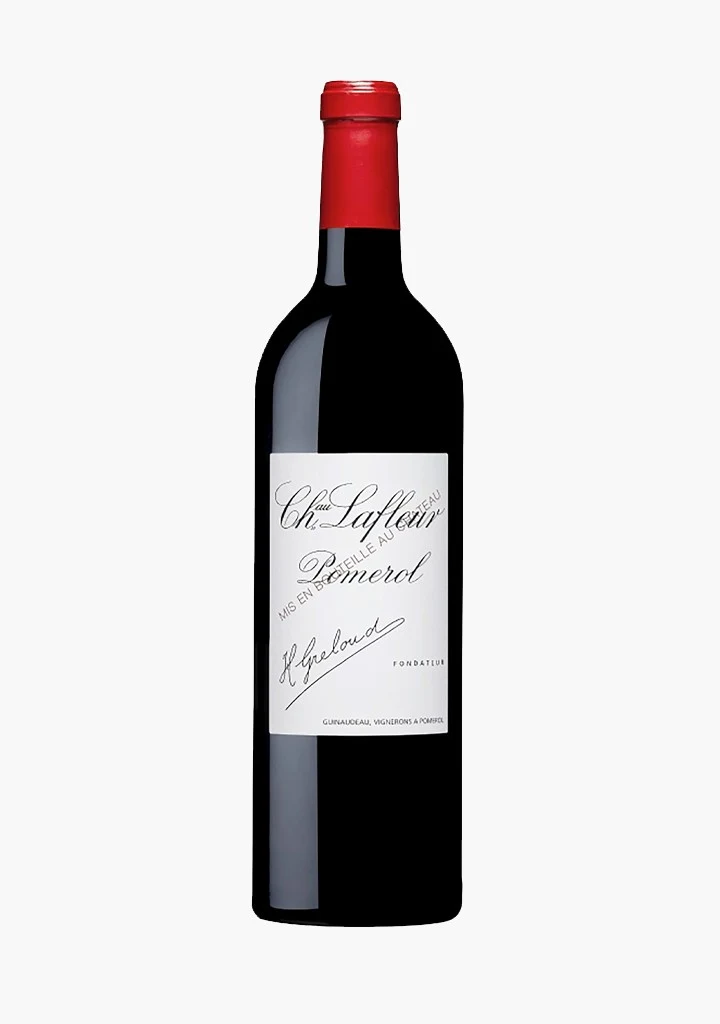
| Château Lafleur | Pomerol |
| Weingut F. & F. Peters | Mainz |
| Weingut Janz | Mainz |
| Weingut Stenner | Mainz |
| Weingut Zehe-Clauss | Mainz |
| Zukunftsweine | Mainz |