Florian Robert Müller
- 01CitySchwaigern, Germany
Heuchelberg Riesling, old Blaufränkisch parcels
- Falstaff Winery - 1 Stars · 2026
Since 2016 on Heuchelberg ground
Riesling holds the line in the cellar, bright rather than broad, as Florian Robert Müller, winemaker at Florian Robert Müller in Schwaigern, works from the Waldweghöfe slopes of the Heuchelberg. Since 2016, his station has been this small Württemberg estate, where the practice is framed less as correction than restraint: let the site lead, intervene with measure, and leave the finished wine enough quiet to register its origin.
Müller’s route to this cellar ran through Kaiserstuhl and Bordeaux, two landscapes that sit behind the way he now reads ripeness, freshness, and structure. Heuchelberg is the inheritance in hand: old Blaufränkisch parcels, Riesling sites, south-facing slopes, red marl, heat enough for maturity, coolness enough to keep the wines taut. The work reads as winemaking, but the daily discipline is site translation.
Old Blaufränkisch, red marl, no fining
The cellar’s center of gravity sits between Blaufränkisch and Riesling. The reds come from old Blaufränkisch parcels on poor south-facing slopes, with the estate describing a style that keeps energy, cool fruit, structure, and freshness in the same frame. The white side belongs to Riesling from the western reaches of the Heuchelberg, where red marl soils are part of the estate’s account of mineral depth, coolness, and austerity.
Müller’s method avoids herbicides, fining agents, and high-tech processes. That choice matters because it narrows the winemaker’s room for disguise. Fruit condition, picking judgment, extraction, and patience must carry more of the finished wine. The house speaks of working in harmony with nature and without too much human intervention; in the glass, that aim is not a pose but a set of constraints. The reds are built for structure and aging potential, while the Rieslings are held to precision rather than weight. No formal certification, vessel program, or aging regime is stated by the estate, so the craft that can be named with confidence is the discipline around origin, low intervention, and the refusal of cellar gloss.
A quiet cellar above Schwaigern
The place is not an urban tasting room with a display wall doing the work for it. It is an estate in the Waldweghöfe area of Schwaigern, set on Heuchelberg hillside ground, where the vineyard remains close enough to keep the cellar honest. The room is quiet by nature of the scale, more suited to a serious tasting or a cellar walk than to passing traffic.
That intimacy suits the wines. Blaufränkisch asks for attention to line and tannin, not spectacle; Riesling asks for the same discipline in acidity and mineral pull. In this setting, the bench is the cellar, the station is the slope, and the method stays close to the hand. Müller’s next release needs no announced drama to carry interest. It will be measured against Heuchelberg Riesling and old-parcel Blaufränkisch from Waldweghöfe.
Questions
Frequently asked
Who is behind the wines here?
Florian Robert Müller is the winemaker at this estate in Schwaigern. He has worked there since 2016, after time in Kaiserstuhl and Bordeaux.
What does the winery make?
The cellar is centered on Riesling and Blaufränkisch. The reds come from old Blaufränkisch parcels, and the white side is Riesling from the western reaches of the Heuchelberg.
How is the wine made?
Müller works with restraint and low intervention. The estate says it avoids herbicides, fining agents, and high-tech processes, and that the goal is to let the site lead the wine.
Where is the winery located?
It is in the Waldweghöfe area of Schwaigern, in Württemberg, on the slopes of the Heuchelberg in Baden-Wuerttemberg.
Can I visit without booking?
Visits are by appointment only, and there is an on-site parking lot.
The field
How it compares
| Place | Notes | Awards |
|---|---|---|
| Florian Robert Müller | Heuchelberg / Waldweghöfe, $$ | · |
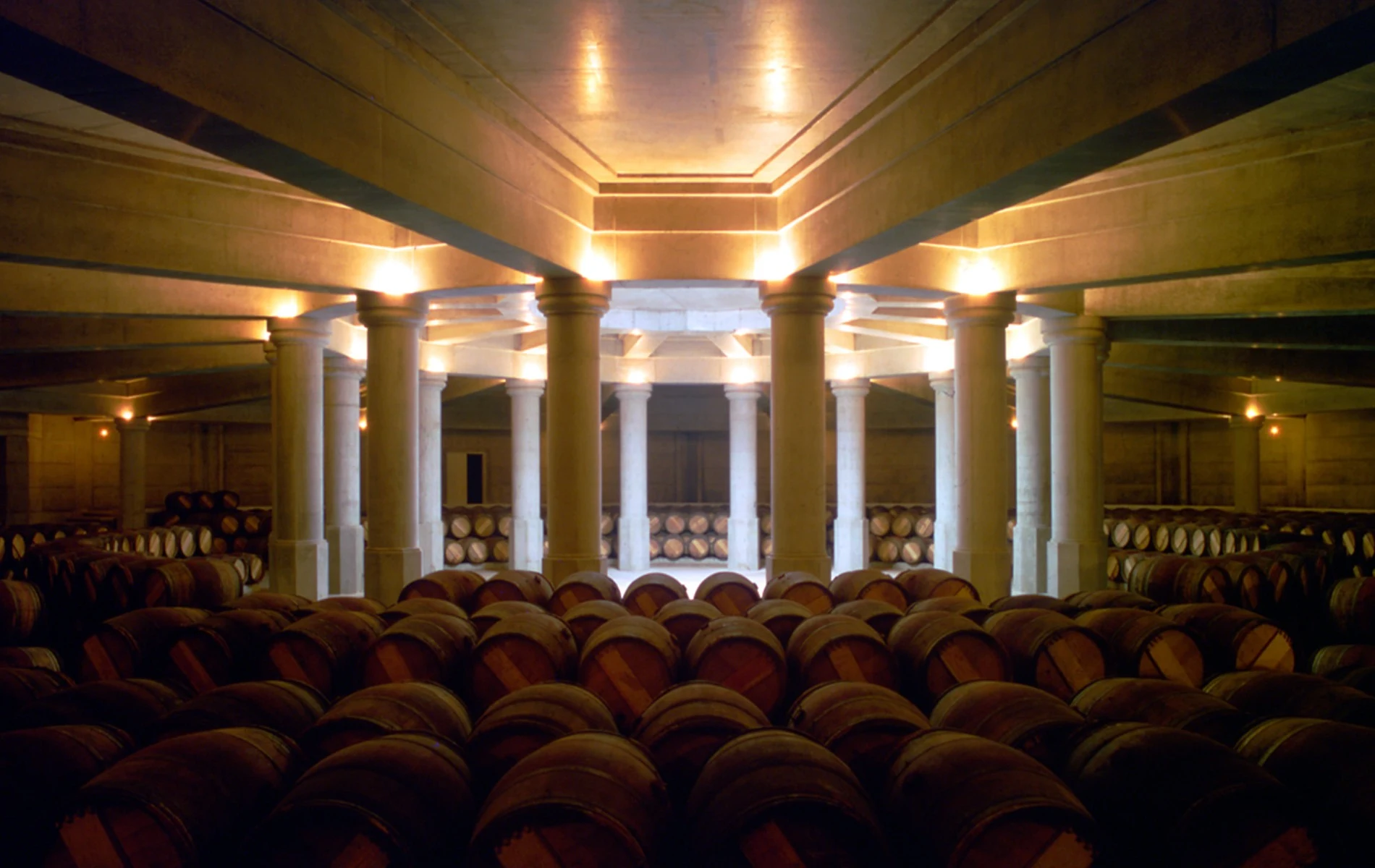
| Chateau Lafite Rothschild | Pauillac | · |
| Heuchelberg Weingärtner | Schwaigern | · |
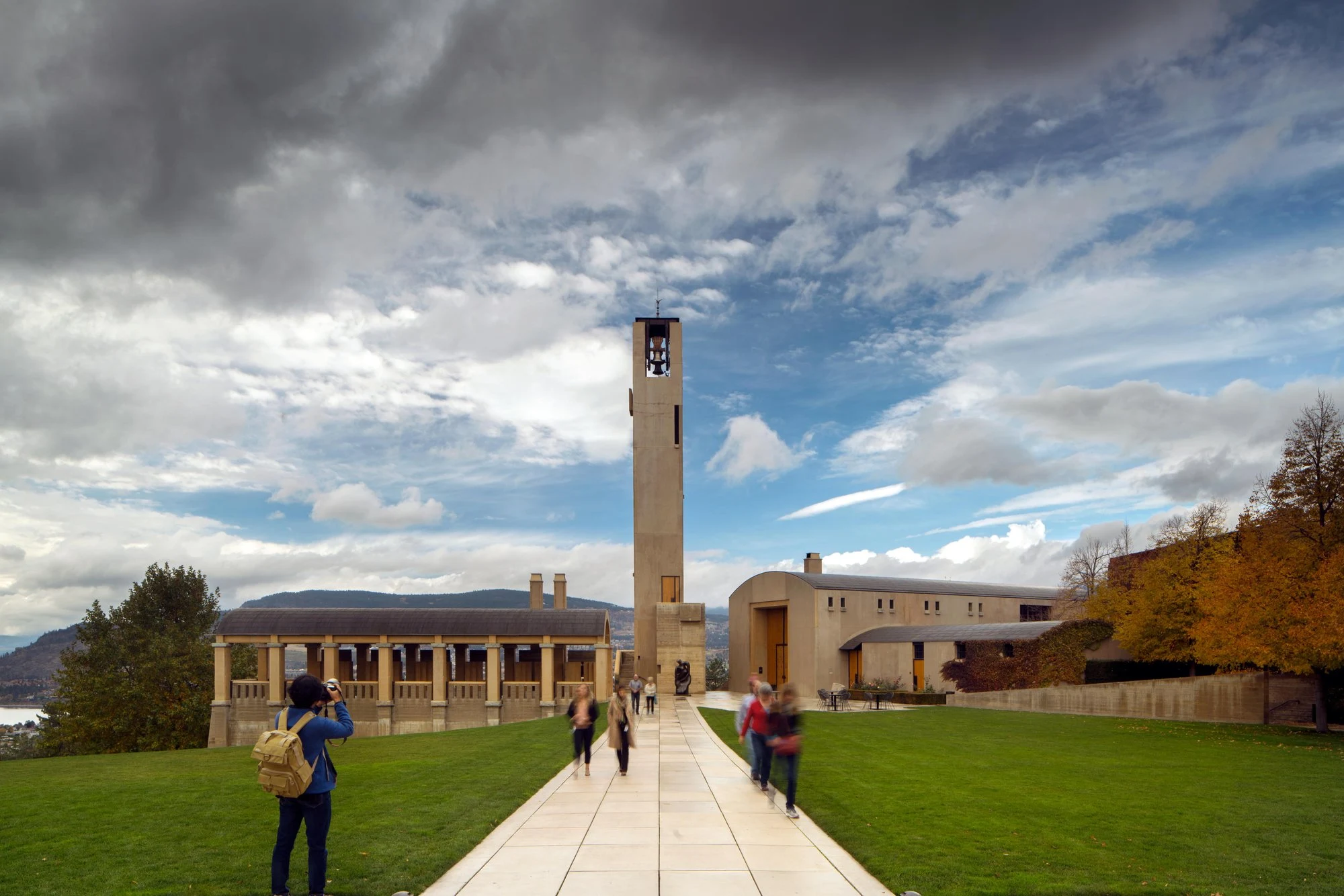
| Mission Hill Family Estate | West Kelowna | World's 50 Best |
| Traubenwerkstatt | Schwaigern | · |
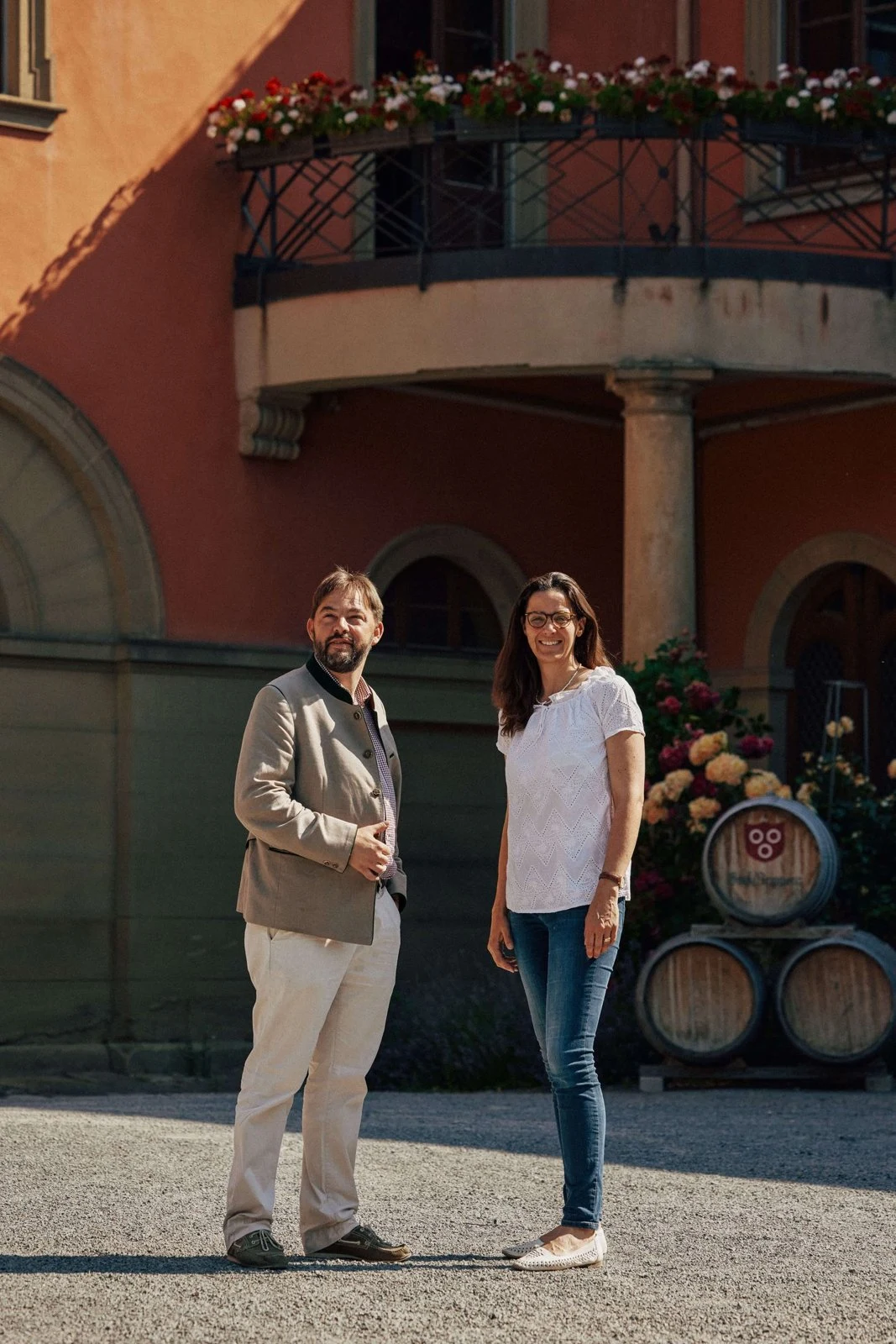
| Weingut Graf Neipperg | Schwaigern | · |
| Weingut Will & Würz | Schwaigern | · |