- Falstaff Winery - Listed · 2026
Approach Foley Family Wines as a Santa Rosa headquarters, not as a traditional public-facing winery estate. The picture is a professional office environment for a large, family-owned wine and spirits company. Its role is tied to multiple tasting rooms and estates operated under the Foley umbrella, rather than a single visitor-facing cellar-door experience centered on one property.
What is about the setting
Foley Family Wines is best understood as a corporate base in Santa Rosa. The tone is professional and office-led, connected to a broader wine and spirits operation rather than framed primarily around a walk-in guest experience.
The most grounded way to frame Foley Family Wines is as the organizational center for a larger family-owned portfolio. That makes it different from a standalone winery estate where the visit itself, vineyards, tasting room, and hospitality format are the main attraction. In this case, the Santa Rosa presence is more about the company behind the portfolio than about one visitor-facing destination with a single cellar-door identity.
How to use this page for planning
For planning purposes, treat Foley Family Wines as a Santa Rosa corporate headquarters associated with multiple Foley tasting rooms and estates. Confirm any visit details directly before making plans, especially if you are looking for a public tasting, hospitality experience, specific wines, or services beyond the headquarters context. That extra step matters because the headquarters role and a tasting-room role are not the same thing, even when they are connected through the same broader organization.
If you are comparing options, keep the distinction clear: Foley Family Wines represents the Foley portfolio’s Santa Rosa headquarters presence, while other dining and wine experiences in Santa Rosa may operate as guest-facing venues with their own formats. Use this page as a way to understand what the listing represents, then match your plans to the appropriate Foley-associated tasting room, estate, or other public-facing experience if that is what you are seeking.
Questions
Frequently asked
Who works at Foley Family Wines?
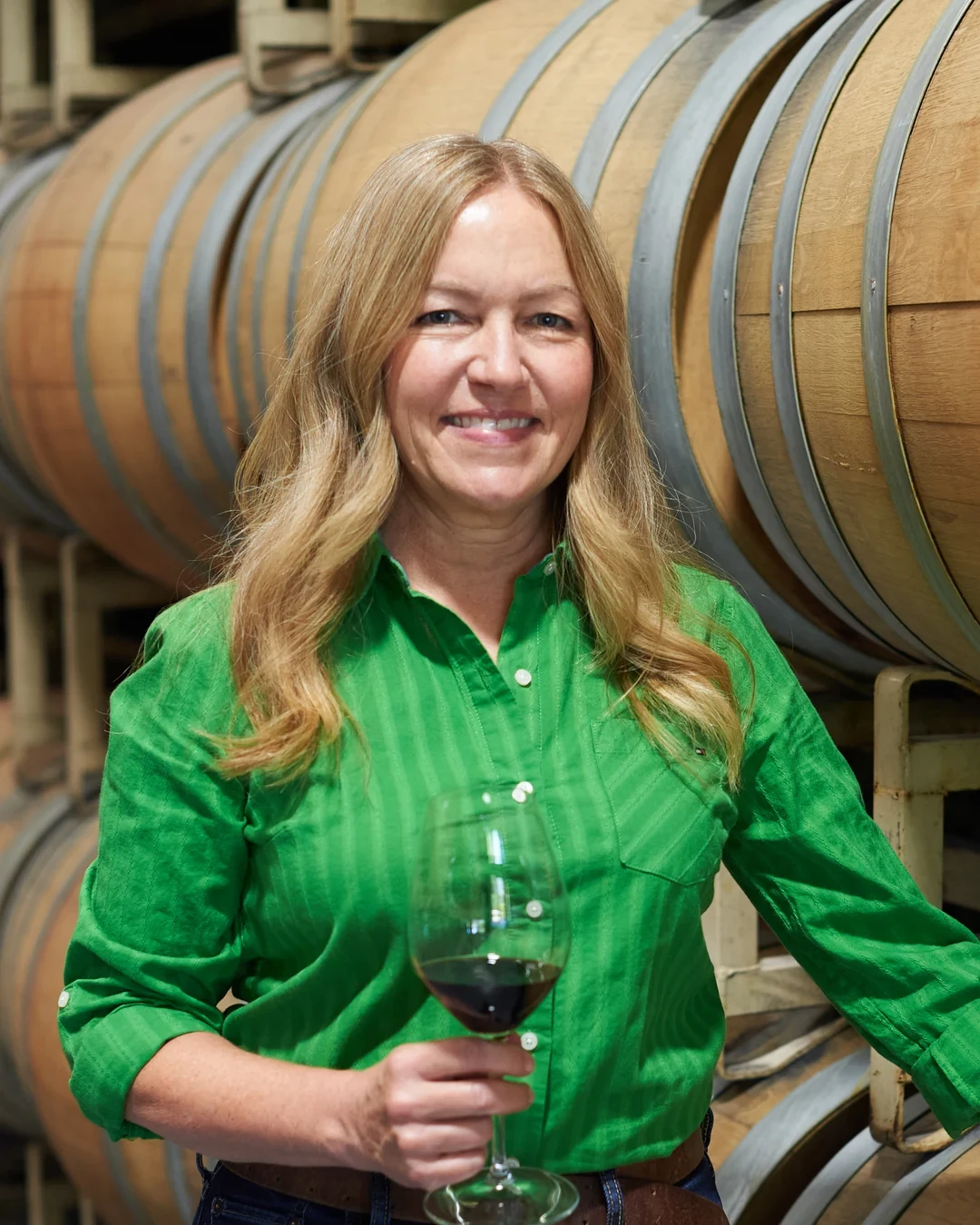
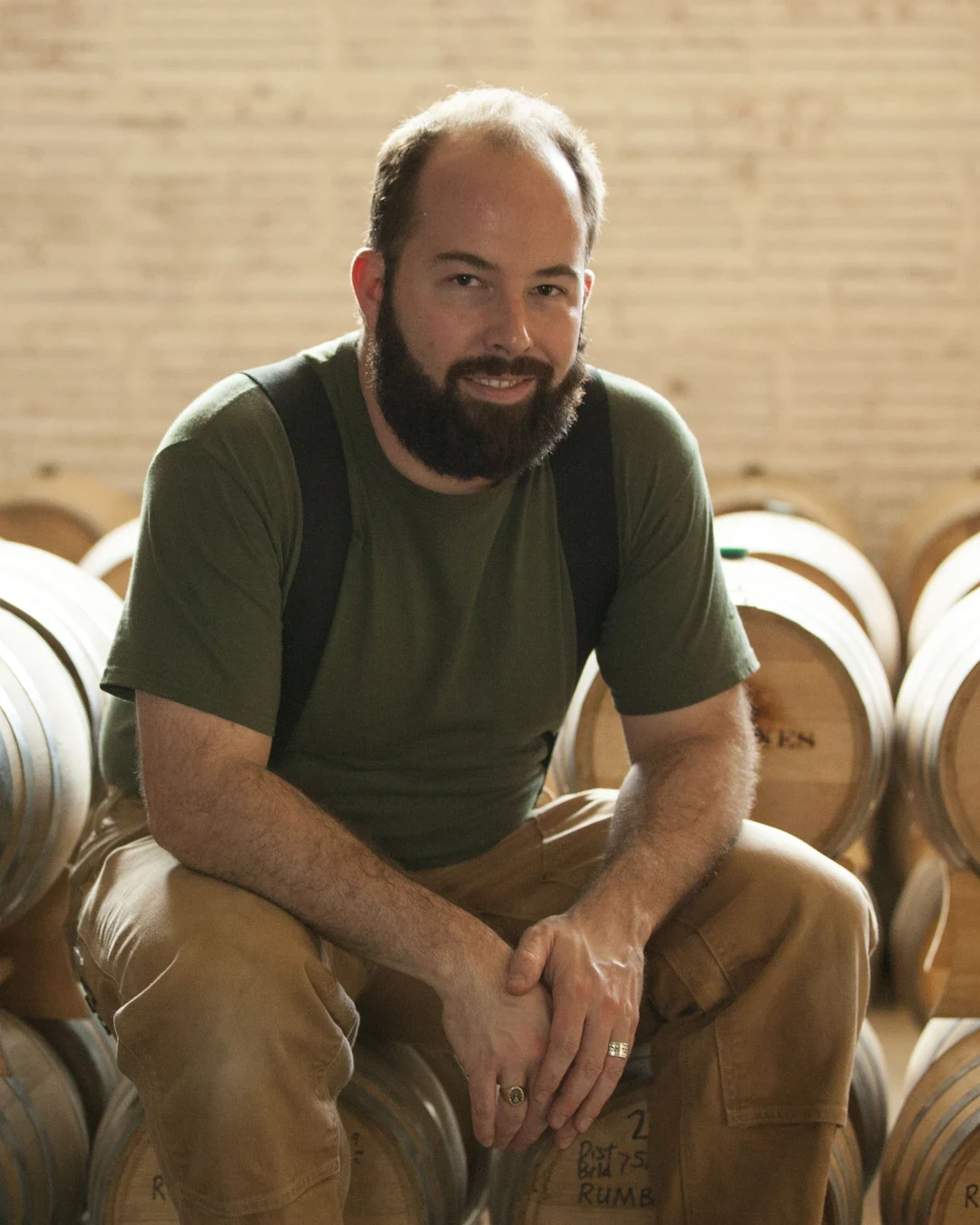
Made By profiles Chip Tate (Winemaker) and Lisa Evich (Winemaker) at Foley Family Wines.
The field
How it compares
| Place | Notes |
|---|---|
| Balletto Vineyards | Santa Rosa |
| Chalk Hill Estate Vineyards & Winery | Santa Rosa |
| DeLoach Vineyards | Santa Rosa |
| Hook & Ladder Winery | Santa Rosa |
| Paradise Ridge Winery | Santa Rosa |
| St. Francis Winery & Vineyards | Santa Rosa |