Fontana Bodegas & Viñedos
- 01CityFuente De Pedro Naharro, Spain
Uclés altitude, separated cellar work
- Falstaff Winery - 1 Stars · 2026
Altitude before ornament
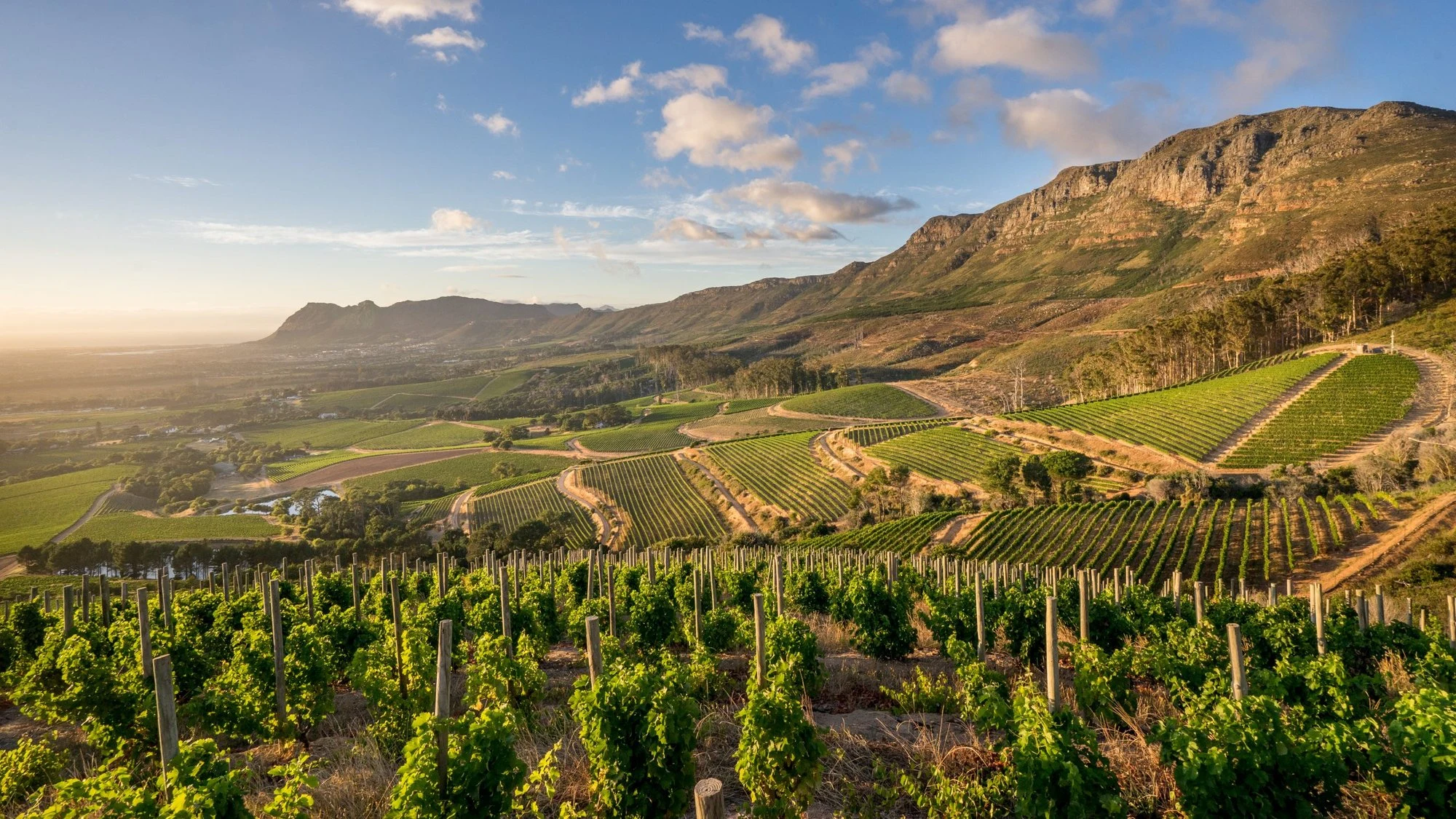
The altitude sets the first decision for Tomás Buendía, winemaker at Fontana Bodegas & Viñedos in Fuente De Pedro Naharro: fruit grown between 700-900 meters above sea level has to keep its line. In Uclés DO, north of the central plateau of Castile, sunny days build ripeness while cold nights hold acidity, soften tannins, and protect primary aromas. Buendía works from that climatic discipline rather than against it, making wines that read as place first and cellar second.
The house stands on the Cantarero family’s long involvement in wine, with a company foundation year given as 1997 and a shift from bulk wine into bottled wine during the 1990s. That turn matters here because it changed the work from volume alone into selection, range, and identity. Fontana now ties its name to estate fruit, sustainability, and organic farming across a large surface, with more than 600 hectares of owned vineyards and further managed high-altitude land in Uclés. Buendía’s role sits inside that scale, close to the decision points where vineyard condition, variety, and range determine what kind of wine the cellar should carry forward.
Three cellars inside one estate
Fontana’s method depends on separation. The winery has been described as operating as if it were three different wineries, with distinct vat sizes, harvesting protocols, winemaking procedures, and selection criteria for each range. That is how a large estate keeps Mesta, Dominio de Fontana, Quercus, and Quinta de Quercus from collapsing into a single house register. Scale becomes a set of compartments, not an excuse for sameness.
The vineyard program gives Buendía a broad palette: Tempranillo, Garnacha, Syrah, Sauvignon Blanc, Verdejo, Chardonnay, and Viura. The Dominio de Fontana Chardonnay-Viura 2021 shows the practical logic of the bench-side work. The two varieties are vinified separately, then spend three months on lees before bottling at 13.5% ABV. Across the wider cellar, American and French oak form a large aging program, used alongside stainless steel and range-specific selection. The point is not to hide Uclés under technique. It is to let altitude, variety, and cellar choice arrive in the glass with their edges intact.
Monte Carbonero in the glass
The place around the winery is not decorative background. The Monte Carbonero estate, now also called Dominio de Fontana, places vines among holm oaks in rural Castilla-La Mancha, where the horizon opens and the cellar feels tied to agricultural scale. This is not an urban tasting room translated into vineyard scenery. It is an estate built to receive fruit, divide it, and send it through several paths without losing the source.
Inside that setting, the room’s quiet suits the work. The tasting room belongs to the same logic as the cellar: clear, estate-focused, and arranged around Uclés rather than spectacle. A glass of Sauvignon Blanc-Verdejo or Garnacha-Syrah carries the conversation back to the vineyard rows, the cold nights, and the altitude Buendía names as the foundation of Fontana Bodegas & Viñedos.
Questions
Frequently asked
Who makes the wines at Fontana Bodegas & Viñedos?
Tomás Buendía is the winemaker at Fontana Bodegas & Viñedos in Fuente de Pedro Naharro.
What is the focus of the winery’s style?
The wines are shaped by altitude, with fruit grown between 700 and 900 metres above sea level expected to keep its line, while the cellar works to preserve place, acidity, and primary aromas rather than cover them over.
What grapes are grown there?
The vineyard programme includes Tempranillo, Garnacha, Syrah, Sauvignon Blanc, Verdejo, Chardonnay, and Viura.
Is a reservation needed to visit?
Visits are appointment only.
Is there parking on site?
There is an on-site parking lot.
The field
How it compares
| Place | Notes | Awards |
|---|---|---|
| Fontana Bodegas & Viñedos | Fuente de Pedro Naharro, $$ | · |
| Château Angelus | Saint-Émilion | · |
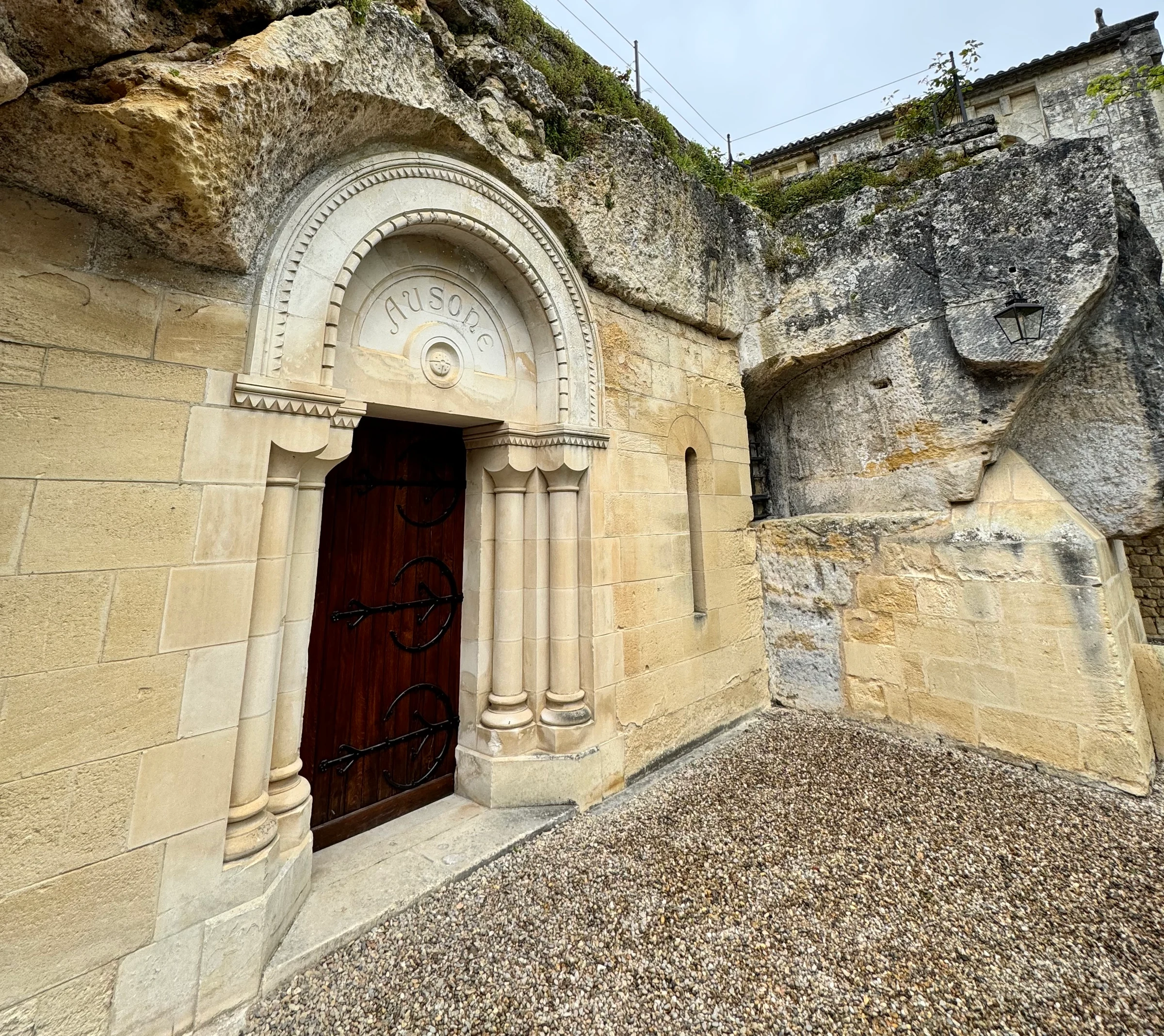
| Chateau Ausone | Saint-Émilion | · |
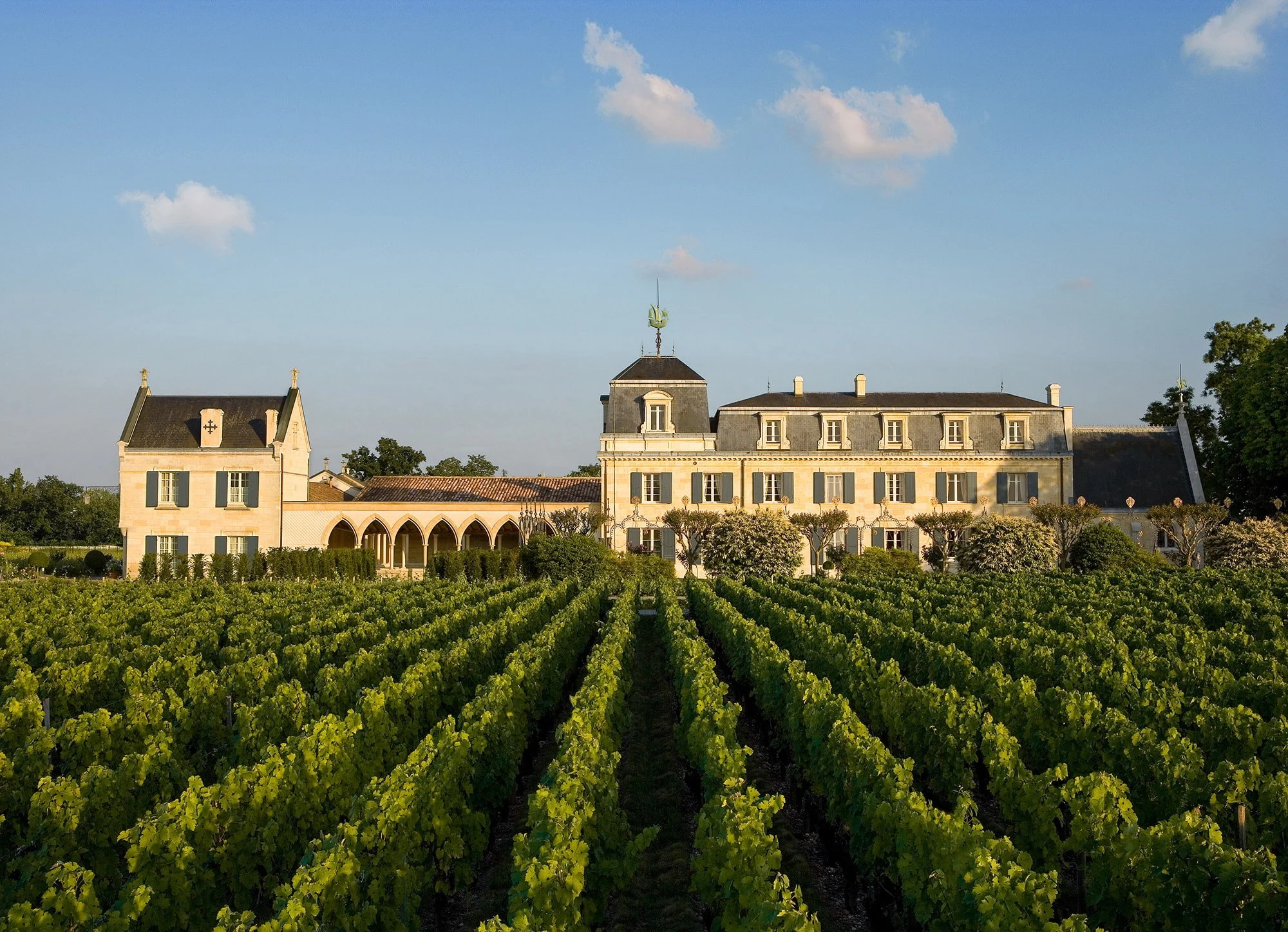
| Château Lynch-Bages | Pauillac | · |
| Domaine Clarence Dillon | Pessac | · |
| Klein Constantia | Cape Town | World's 50 Best |
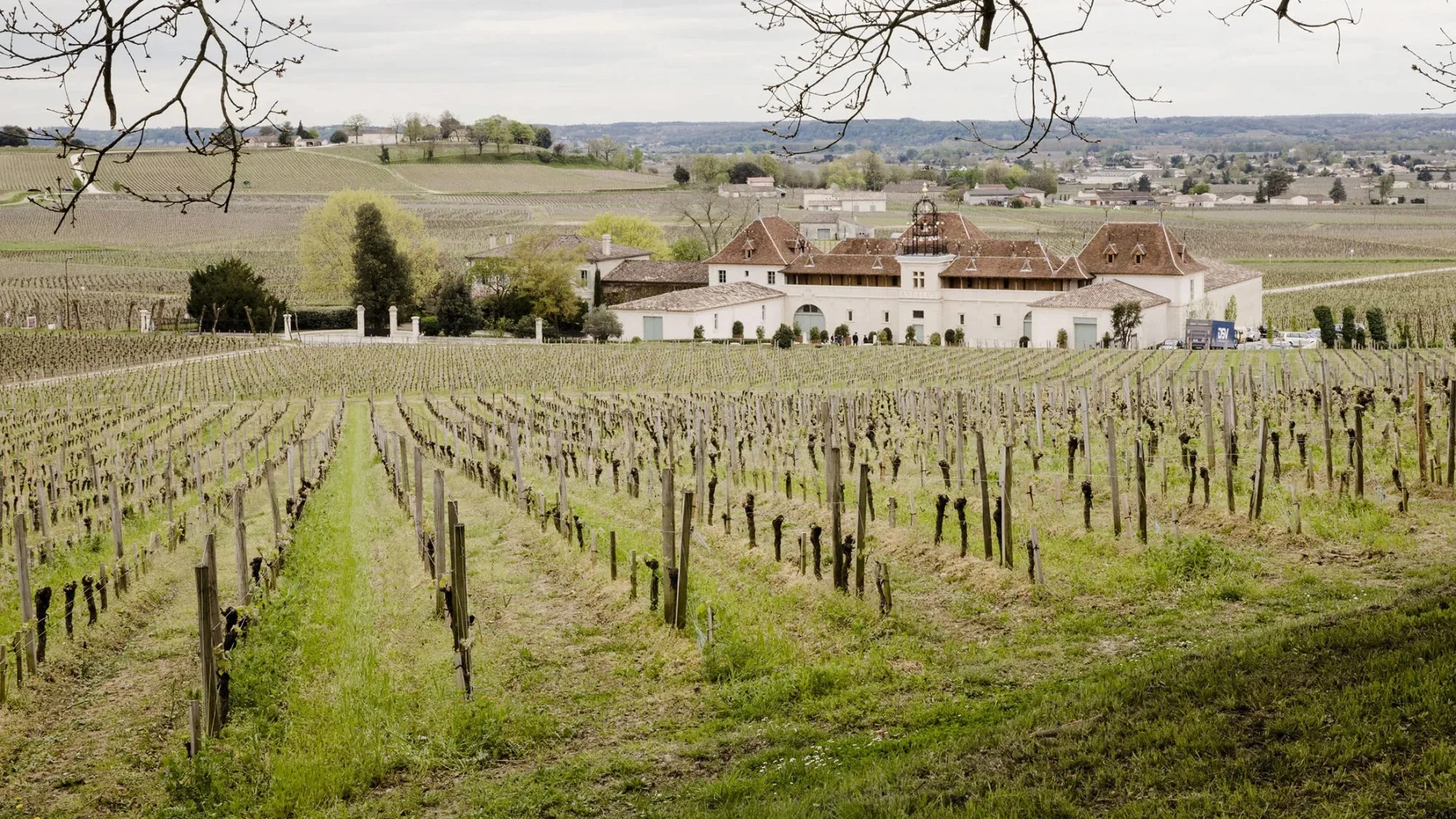
| Ornellaia | Castagneto Carducci | · |