- Falstaff Winery - Listed · 2026
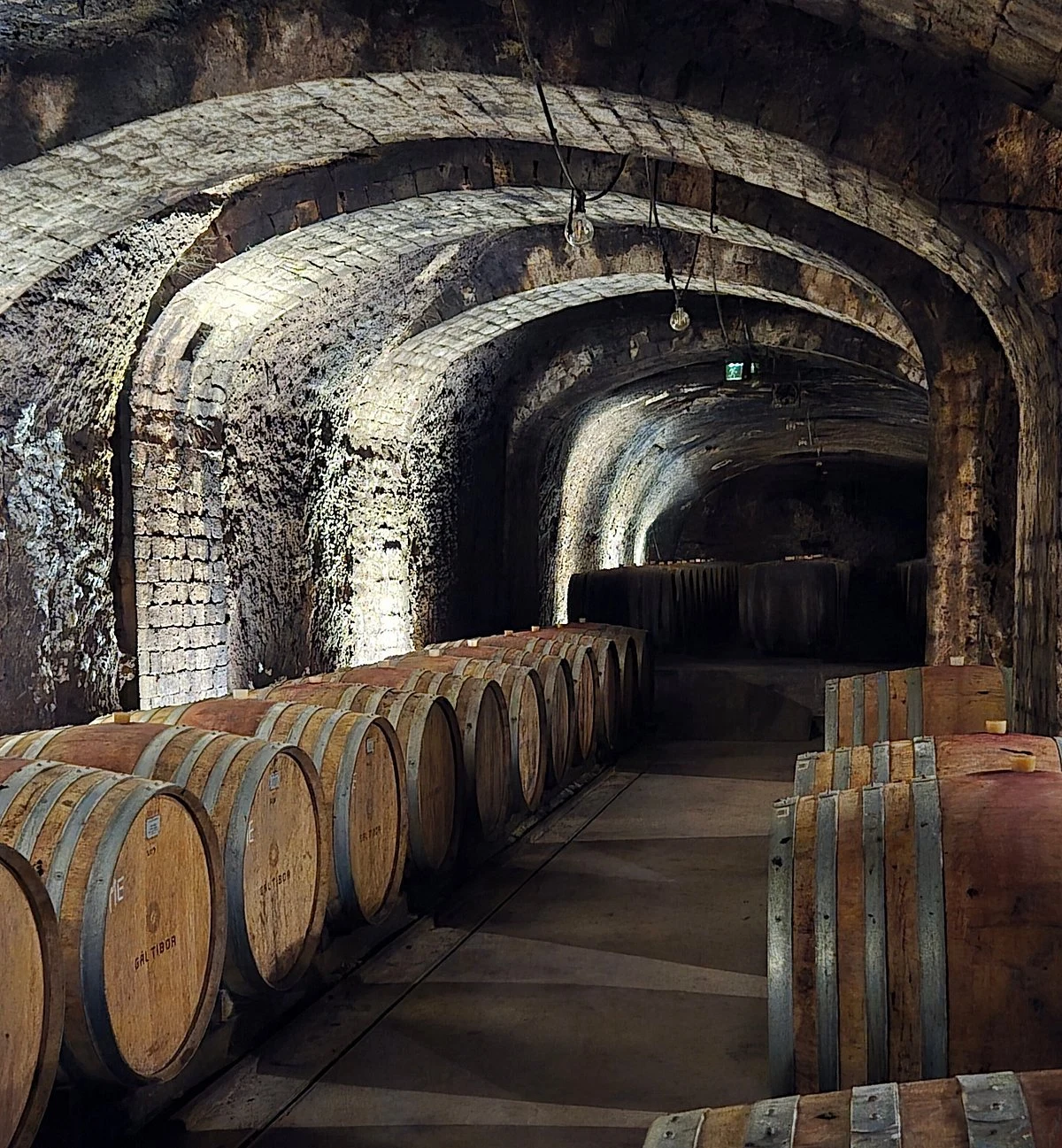
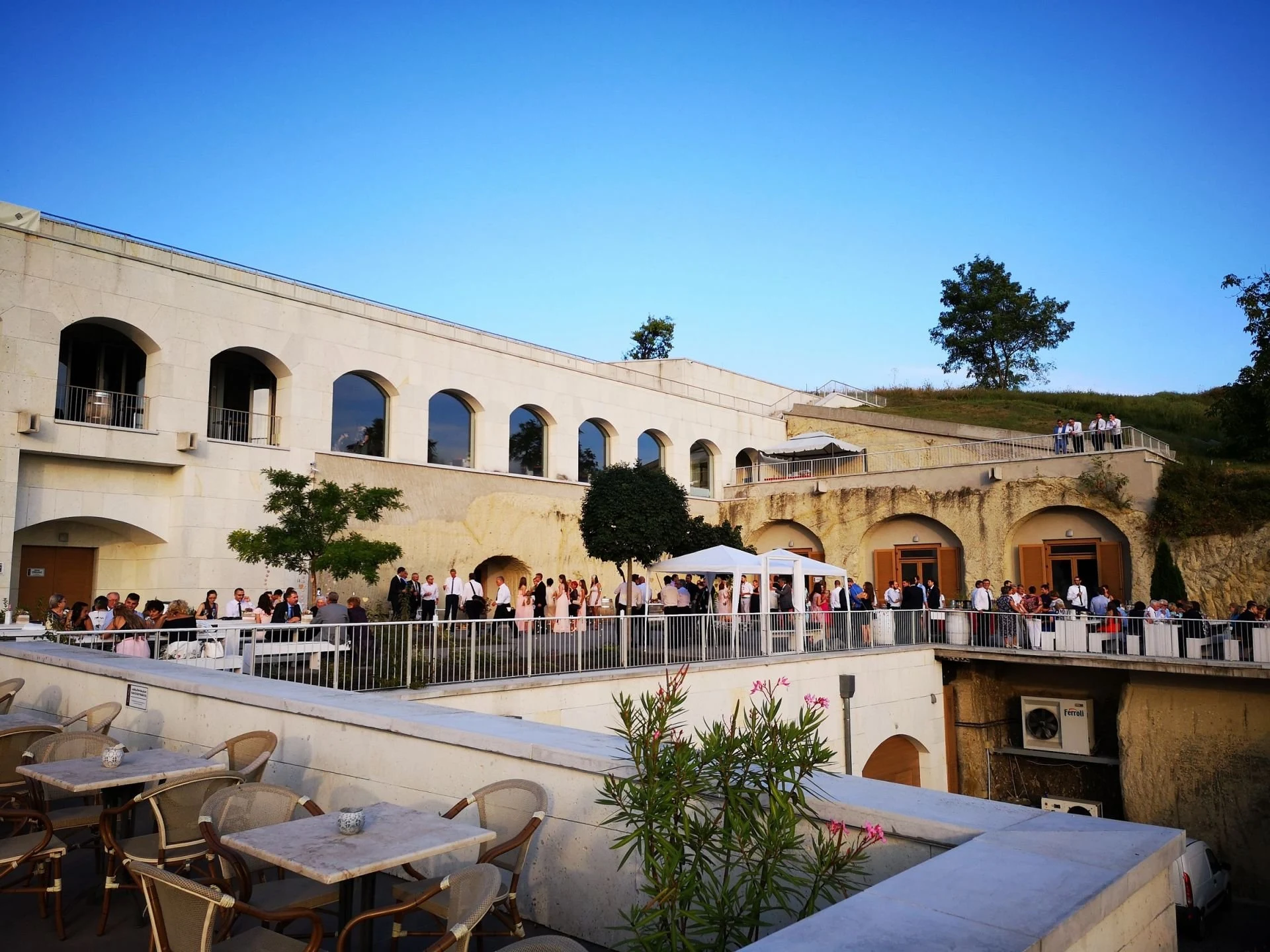
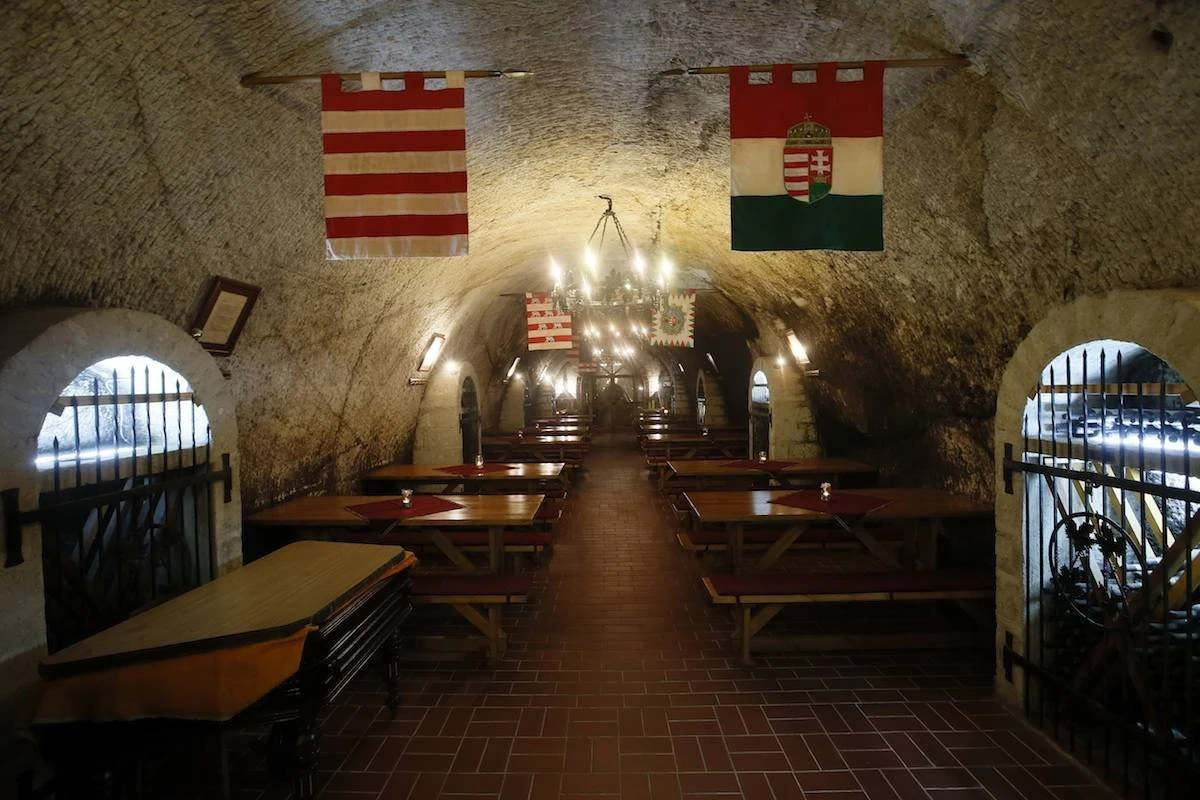
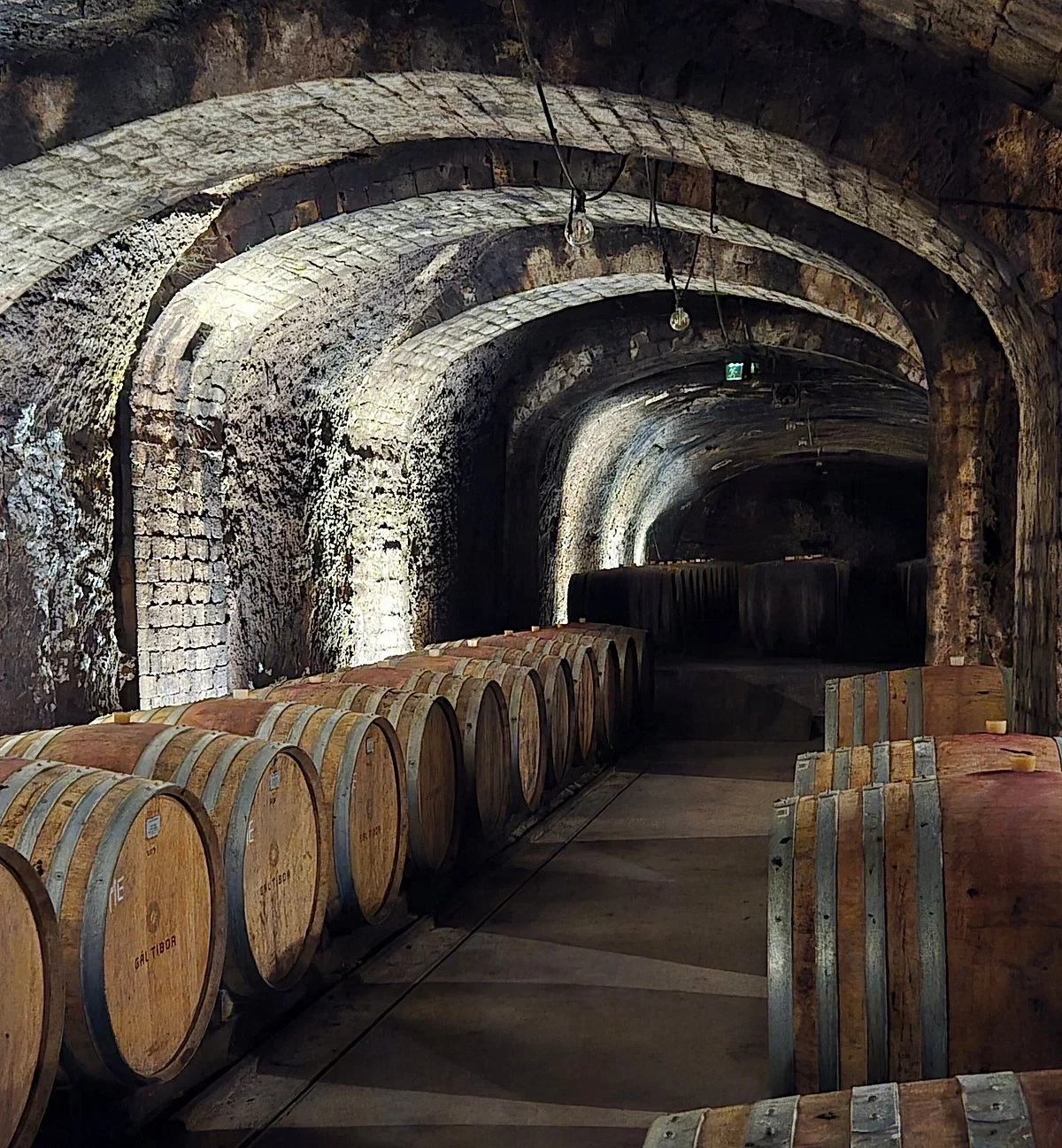
Approaching Eger’s cellar culture means entering a wine city shaped as much below ground as above it. The local rhyolite tuff is not just a geological footnote; it has given the region both its carved cellar network and the mineral frame that runs through many of its wines. Gál Lajos fits that tradition with a cellar-led, small-scale format, where the point is not spectacle but a close reading of Eger through blends, volcanic soils, and patient barrel work.
Volcanic Eger, read through blended wine rather than varietal display
Eger has always made more sense through composition than through single-grape absolutism. Egri Bikavér depends on proportion, restraint, and the ability to make Kékfrankos, Kadarka, Bordeaux varieties, and local cellar practice speak in one register. Gál Lajos sits inside that regional grammar. The winery works with a small estate base of around eight hectares and focuses on still reds and whites, including Kékfrankos, Merlot, Cabernet Franc, Kadarka, Portugieser, Cabernet Sauvignon, Menoire, and Olaszrizling.
The clearest case study is the 2021 Egri Bikavér Superior. Its blend is led by 50 percent Kékfrankos, with Merlot at 23 percent, Cabernet Franc at 13 percent, Kadarka at 12 percent, and Portugieser at 2 percent. That matters because it keeps Kékfrankos as the structural spine rather than allowing oak or international varieties to dominate the wine. The Superior category requires 12 months of ageing; this bottling spent 24 months in Hungarian, American, and French oak barrels. The result is an Eger argument in glass: local acidity and volcanic tension, supported by breadth from barrel maturation.
Site selection is equally important. Fruit for the 2021 Bikavér Superior is associated with Sík-hegy, Pajados, and Kántor-tag, vineyards with topsoil over rhyolite tufa. In a region where cellar culture and geology are tightly linked, those names are not decorative. They place the wine in the older Eger model, where a blend can express multiple slopes rather than a single parcel narrative. Hand harvest from late September through mid-October adds a temporal marker: this is wine made through staggered picking and assembly, not a single-variety release designed for easy explanation.
What the cellar format says about Hungarian wine now
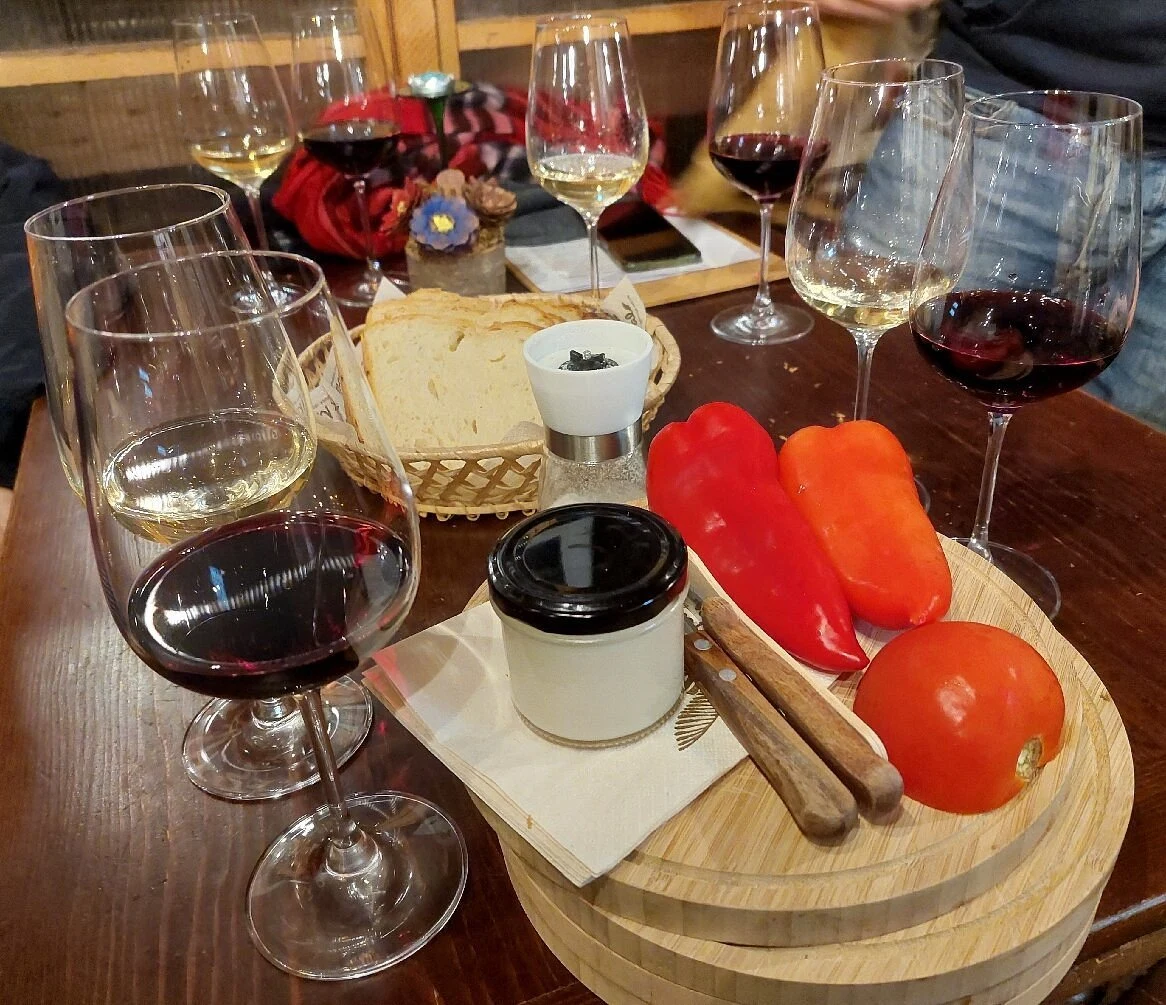
Hungarian wine tourism increasingly splits between design-led estates and small cellars where the strongest experience is educational rather than theatrical. Gál Lajos belongs to the second camp. Its setting is traditional, rustic, intimate, and cellar-focused, with tastings shaped around winemaking conversation, private or guided formats, and food pairing rather than high-volume hospitality. The atmosphere is conversational, which suits Eger: this is a region where understanding the wine often means understanding why several grapes, several sites, and several barrels were brought together.
The reputation signal here is regional credibility. Lajos Gál has been associated with winemaking since the 1970s and with university-level teaching in the subject, a background that places the cellar closer to technical craft than lifestyle branding. That credential matters in Eger because Bikavér has spent decades fighting lazy assumptions: at its weaker end it can be anonymous red wine, but in serious hands it becomes a disciplined blend with spice, fruit, mineral line, and moderate weight. Gál Lajos is compelling precisely because the estate’s identity is tied to that rehabilitated version of the category.
Olaszrizling adds another layer. Eger is often introduced through red wine, but its whites are central to understanding the region’s range. The producer’s Egerszóláti Olaszrizling and Kántor-tag Egerszóláti Olaszrizling Grand Superior point toward the white-wine side of the cellar, where acidity, texture, and vineyard designation carry more weight than broad branding. The portfolio is not presented as a sprawling catalogue. It reads as a regional vocabulary: Bikavér for blend culture, Olaszrizling for local white expression, and barrel work as a through-line.
How to place it within an Eger itinerary
For travellers building a wine-focused Eger stay, Gál Lajos works as a terroir lesson rather than a casual tasting stop. It is suited to visitors who want to understand why Egri Bikavér depends on balance, why rhyolite tuff matters, and why small cellars remain central to the city’s identity. The format is better aligned with wine education, small groups, and cellar conversation than with drop-in drinking.
To build context around the city, use Our full Eger wineries guide alongside the broader planning pages for Our full Eger restaurants guide, Our full Eger hotels guide, Our full Eger bars guide, and Our full Eger experiences guide. For other Eger cellar references, see Bolyki Winery, Bukolyi Winery, Demeter Csaba Winery, Gróf Buttler Winery, and Gál Tibor Winery. To compare Hungary’s regional idioms beyond Eger, look at Anonym Pince in Etyek, Árvay Winery in Rátka, and Atilla Homonna in Erdőbénye. For a wider Central European lens, »der Steiner« Hans Steiner in Podersdorf am See and & Handwein in Mannheim show how small producers elsewhere frame site, scale, and cellar work.
Questions
Frequently asked
Who works at Gál Lajos?
Made By profiles Gál Lajos (Winemaker) and Gál Péter (Winemaker) at Gál Lajos.
How expensive is Gál Lajos?
Gál Lajos is listed at a price level of $$.
The field
How it compares
| Place | Notes |
|---|---|
| Gál Lajos | Rózsásdűlői történelmi pincesor, $$ |
| Bukolyi Winery | Eger |
| Demeter Csaba Winery | Eger |
| Gál Tibor Winery | Eger |
| Gróf Buttler Winery | Eger |
| Juhász Winery | Eger |
| Kovács Nimród Winery | Eger |