Gaeseong Mandu Koong
- 01CuisineTraditional Gaeseong-Style Korean Dumplings
- 02CitySeoul, South Korea
Gaeseong mandu folded by hand
- Michelin Bib Gourmand · Michelin Guide
- Michelin Bib Gourmand · 2025
- Michelin Bib Gourmand · 2024
Hands at the mandu bench
The wrappers close around pork and vegetables in the room before service gathers pace. Gaeseong Mandu Koong in Seoul keeps a discipline that belongs to Gaeseong-style mandu, a northern Korean form carried south through family memory and daily repetition. The restaurant does not present itself through a named chef’s authorship alone. Its center is a family bench, kept across three generations in a hanok in Jongno-gu, where elderly staff and granddaughters are described at work with the same dumplings that brought the place its following. The founder was a Gaeseong native displaced by the Korean War, and the cooking still holds to that origin: large mandu, thin skins, fresh fillings, broth, steam, and the patience of a kitchen that has chosen continuity over reinvention. The house at 11-3 Insadong 10-gil in Jongno-gu has run on that basis for something like seventy years. The lineage in the room is the family’s, held in the hands that fill, fold, and send out dumplings each day, with the fillings kept to pork and vegetables such as cabbage and pumpkin.
Large dumplings, fresh filling, thin skin
The program is narrow by design. Pork dumplings, dumpling soup, mung bean pancake, steamed mandu, hot pot, and soup with rice cakes or noodles make the architecture of the meal. The house’s defining gesture is the Gaeseong-style dumpling itself, larger and more vegetable-forward than many southern Korean versions, with pork, shredded napa cabbage, mung bean sprouts, pumpkin, and other vegetables packed into a thin wrapper. The scale matters. These are not small dumplings added to a table for texture; they carry the bowl. In the soups, the dumplings sit in beef brisket broth, their skins softening without losing the seam. In the hot pot, burners turn the table into a station, and the dumplings release their filling slowly into the broth. Banchan keeps the rhythm plain: kimchi, kkakdugi, spinach, pickled cucumber. The beverage side stays minimal, which suits the work. Nothing in the room tries to pull attention from the fold.
Steam under the hanok beams
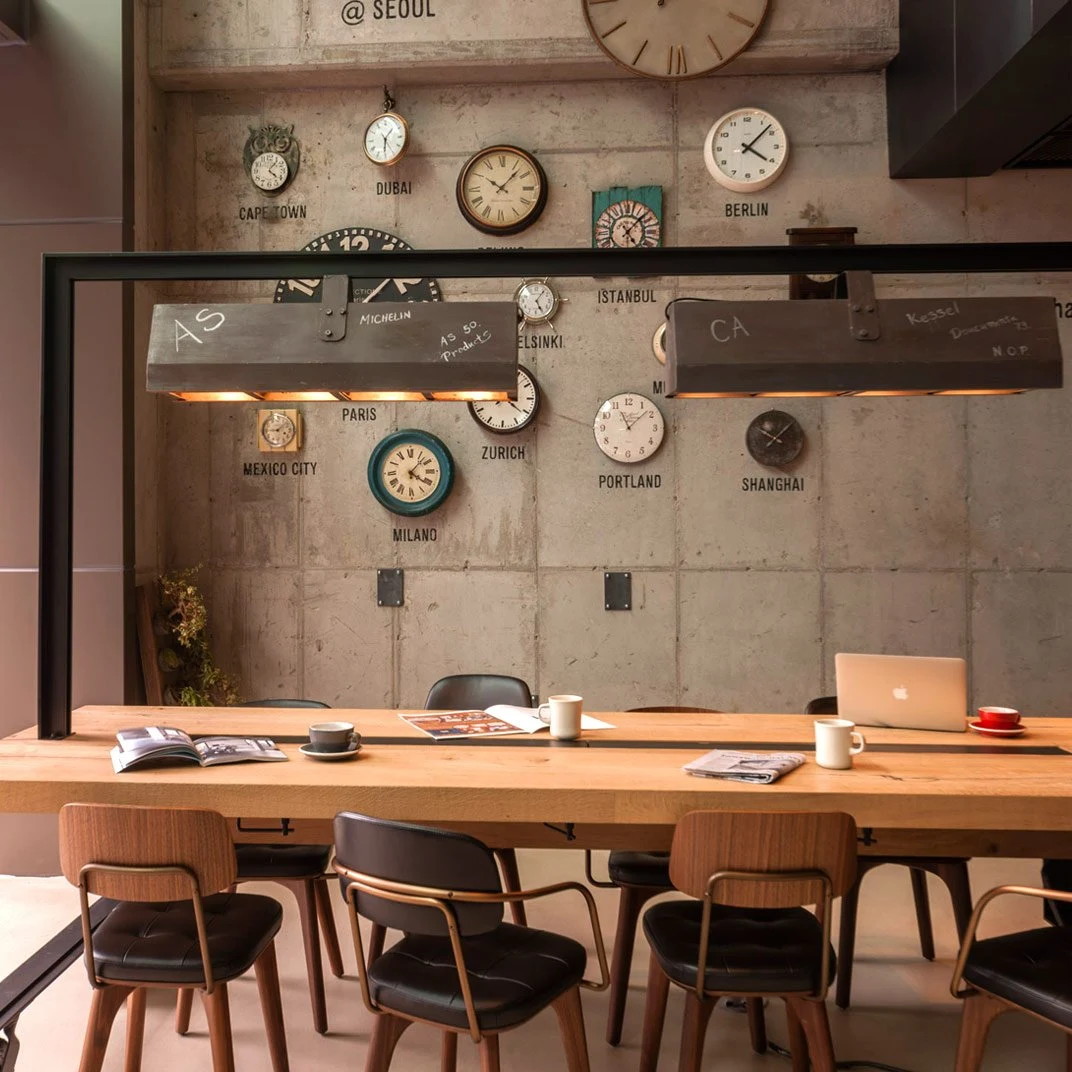
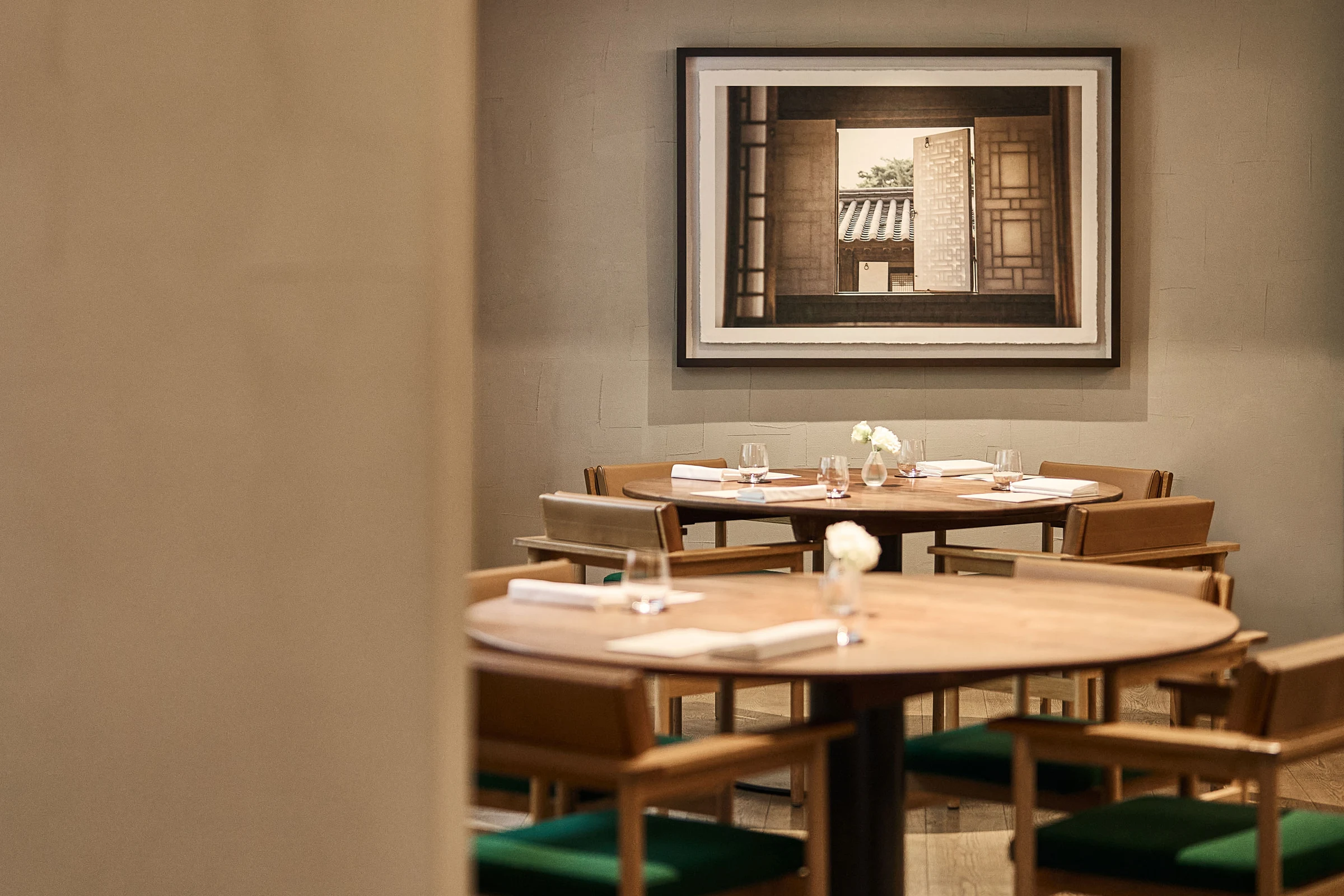
The room is small, wooden, and close to the work. Gaeseong Mandu Koong sits in an Insadong side alley, inside a converted hanok with ceiling beams, functional tables, and burners set where the hot pots need them. The atmosphere comes less from decoration than from steam, broth, chatter, and the sight of dumplings being made nearby. Diners come in for a bowl, a platter, a pancake, a pot to share. The pass moves quickly because the food has already absorbed much of its time at the bench. In winter, the room’s warmth belongs to soup and burner flame; in warmer months, the same heat gathers around the dumpling station. The house has Michelin Bib Gourmand recognition, but the room keeps its scale. Wood, broth, folded dough, and the family method do the naming.
A family method held in place
The restaurant’s place in Seoul rests on refusal as much as memory. It has not turned Gaeseong mandu into a broad menu or a polished spectacle. It keeps returning to the same forms, the large pork dumpling, the soup, the hot pot, the mung bean pancake, and the visible labor behind them. When the day’s ingredients are gone, the work has reached its limit. That limit is part of the craft. The last impression is not an announcement of heritage, but the seam on a Gaeseong-style mandu closing at the bench.
Questions
Frequently asked
What is Gaeseong Mandu Koong known for?
Gaeseong Mandu Koong is known for Gaeseong-style Korean dumplings made by hand each day, with a focus on pork dumplings, dumpling soup, and mung bean pancake.
Who is behind the cooking at Gaeseong Mandu Koong?
The restaurant is run as a three-generation family house, with the dumplings made through a family method kept in place over time rather than through a single named chef.
What kind of dumplings are served here?
The house makes large Gaeseong-style mandu with thin skins and fresh fillings, including pork, shredded napa cabbage, mung bean sprouts, pumpkin, and other vegetables.
What recognition does Gaeseong Mandu Koong have?
Gaeseong Mandu Koong holds Michelin Bib Gourmand recognition.
Is Gaeseong Mandu Koong a place for walk-in visits?
The restaurant is walk-in friendly, and it keeps a casual dress code with street parking listed.
The field
How it compares
| Place | Cuisine | Notes | Awards |
|---|---|---|---|
| Gaeseong Mandu Koong | Traditional Gaeseong-Style Korean Dumplings | 남가좌, $$ | · |
| alla prima | Modern Fusion Fine Dining | Seoul | Michelin 2 Stars, World's 50 Best |
| Eatanic Garden | Modern Korean Contemporary | Seoul | Michelin 1 Star, World's 50 Best |
| Evett | Modern Innovative Korean | Seoul | Michelin 2 Stars |
| Jungsik | Modern Korean Fine Dining | Seoul | Michelin 2 Stars, World's 50 Best |
| Mingles | Modern Korean Fine Dining | Seoul | Michelin 3 Stars, World's 50 Best |
| Onjium | Modern Korean Royal Court Cuisine | Seoul | Michelin 1 Star, World's 50 Best |
Similar places
Modern Fusion Fine Dining
alla prima
Seoul, South Korea
★★ · 50 Best
Modern Korean Contemporary
Eatanic Garden
Seoul, South Korea
★ · 50 Best
Modern Innovative Korean
Evett
Seoul, South Korea
★★
Modern Korean Fine Dining
Jungsik
Seoul, South Korea
★★ · 50 Best
Modern Korean Fine Dining
Mingles
Seoul, South Korea
★★★ · 50 Best
Modern Korean Royal Court Cuisine
Onjium
Seoul, South Korea
★ · 50 Best