Made ByRestaurant
Gastrobodega Martín Berasategui
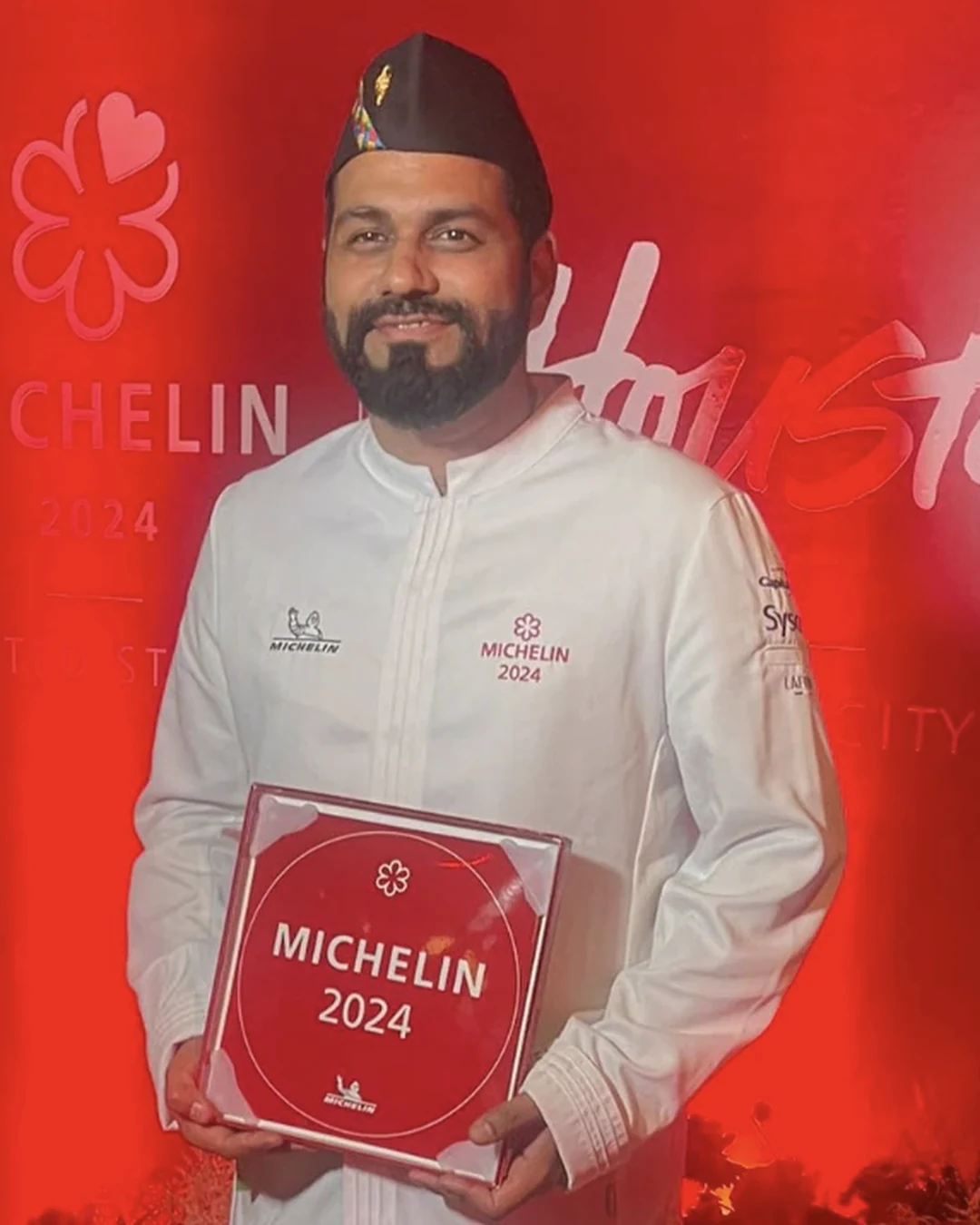
Chef in Residence
Mayank Istwal
Chef
- 01CuisineModern Spanish Gastronomy with Castilian Influences
- 02CityRueda, Spain
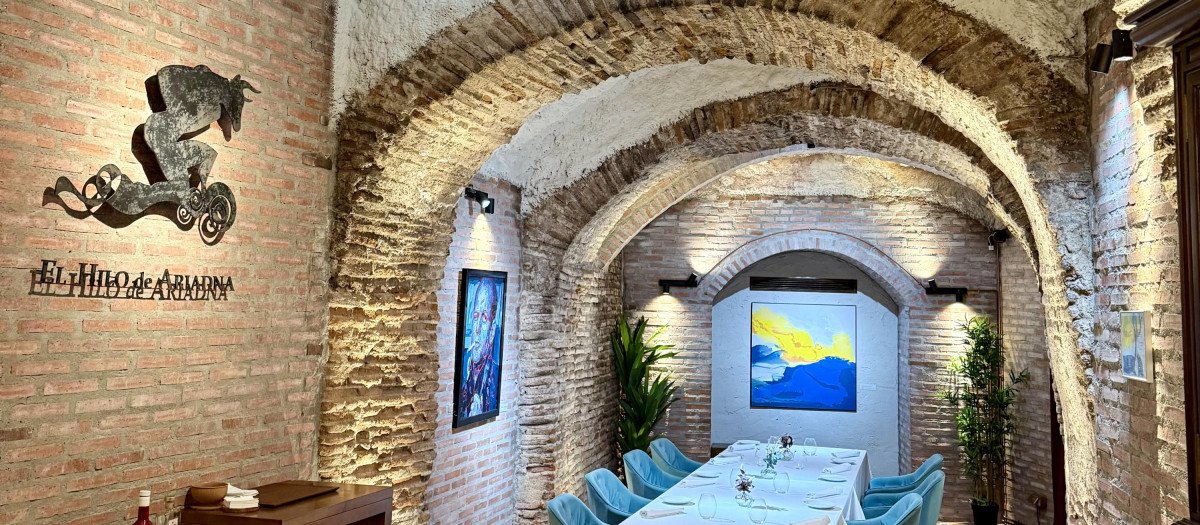
Beneath the streets of Rueda, inside a 15th-century Mudejar-style wine cellar 20 metres underground, El Hilo de Ariadna serves contemporary Castilian cuisine guided by chef Nauzet Betancort. A Michelin Plate holder since 2024, the restaurant draws its menu from the produce and wines of the surrounding Valladolid region, pairing modern technique with the Yllera family's cellar in one of Spain's more architecturally singular dining settings.
At a glance
- Cuisine
- Modern Spanish Gastronomy with Castilian Influences
- Price
- $$$$
- Per person
- $95
- Hours
- Mon: Closed; Tue: Closed; Wed: 1:30–5:30 PM; Thu: 1:30–5:30 PM; Fri: 9 AM–5 PM, 8:30 PM–12 AM; Sat: 1:30–3:30 PM, 8:30 PM–12 AM; Sun: 1:30–5:30 PM
- Neighborhood
- Rueda
- Rating
- 4.8 (296)
<h2>Twenty Metres Down, the Dining Begins</h2><p>Gastrobodega Martín Berasategui is a restaurant in Rueda, Valladolid, serving modern Spanish gastronomy with Castilian influences at about $95 per person. Descending into a 15th-century Mudejar-style wine cellar beneath the town of Rueda, accessible by stairs or lift, guests enter a maze of vaulted stone passageways that date to a period when Castile's winemaking culture was already centuries in the making. The temperature drops. The ambient noise of the street disappears. At 20 metres below ground, the architecture is doing most of the atmospheric work before the kitchen contributes a word.</p><p>Underground dining exists in a handful of cities across Europe, but few settings are as historically grounded as this one. The cellar belongs to the Yllera family, among the established wine producers of the Rueda DO, and the decision to install a serious contemporary kitchen within it reflects a broader ambition: to treat the wine and the food as a single, place-specific proposition rather than two separate offerings running in parallel.</p><h2>A Chef Trained Beyond the Peninsula</h2><p>Spain's modern restaurant scene has long been shaped by the circulation of chefs across kitchens at the top of the European hierarchy. The training that preceded a posting matters here, and at El Hilo de Ariadna the trajectory of chef Nauzet Betancort, a Canary Islander who passed through some of the continent's more demanding establishments before taking the role, places the kitchen in a lineage that connects it to that broader professional culture. Canarian chefs have historically brought a distinct sensibility to the mainland, shaped by an Atlantic-facing ingredient palette and a geographical remove from the Basque and Catalan traditions that dominate the Spanish fine-dining conversation.</p><p>That grounding shows in a menu that keeps its ambitions local but its technique current. The cooking does not perform regionalism as nostalgia; it uses the produce of Castile and León as raw material for a contemporary menu built on precision and restraint. A Michelin Plate recognition, held consecutively in 2024 and 2025, places the kitchen in a tier that sits above the general restaurant population without yet reaching the star bracket occupied by Spain's most-awarded addresses. For context, the restaurants at the upper end of Spain's Michelin hierarchy, <a href="https://www.enprimeurclub.com/restaurants/arzak-san-sebastian-restaurant">Arzak in San Sebastián</a>, <a href="https://www.enprimeurclub.com/restaurants/azurmendi-larrabetzu-restaurant">Azurmendi in Larrabetzu</a>, <a href="https://www.enprimeurclub.com/restaurants/el-celler-de-can-roca-girona-restaurant">El Celler de Can Roca in Girona</a>, <a href="https://www.enprimeurclub.com/restaurants/diverxo-madrid-restaurant">DiverXO in Madrid</a>, and <a href="https://www.enprimeurclub.com/restaurants/mugaritz-errenteria-restaurant">Mugaritz in Errenteria</a>, operate at price points and production scales that are categorically different. El Hilo de Ariadna sits in a more accessible mid-tier, priced at €€, which makes the Michelin recognition more significant as a quality signal than it might be at a destination-dining restaurant in a major city.</p><h2>What the Menu Is Actually Doing</h2><p>The menu orients itself around the region's identity without reducing that identity to a shortlist of familiar Castilian tropes. A documented dish, a trilogy of Castilian trout, suggests an interest in treating a single ingredient across multiple preparations, a technique more associated with progressive kitchens than with the roast-centred traditions of interior Spain. Elsewhere, a combination of Zamora tomato, sea bass, and Merino sheep's cheese reads as an exercise in local provenance: Zamora is a producer of tomatoes with enough character to anchor a plate, and Merino sheep's milk cheese carries a specificity that places it squarely in the Castilian pastoral tradition.</p><p>The menu is available in both à la carte and tasting formats. The tasting menu, described as an impressive complement to the main offering rather than its replacement, signals a kitchen confident enough in its extended arc to offer a structured progression without making that the only option. At a €€ price point, the tasting menu format here is considerably more accessible than the equivalent at Spain's top-tier addresses, <a href="https://www.enprimeurclub.com/restaurants/aponiente-el-puerto-de-santa-maria-restaurant">Aponiente in El Puerto de Santa María</a>, <a href="https://www.enprimeurclub.com/restaurants/quique-dacosta-denia-restaurant">Quique Dacosta in Dénia</a>, or <a href="https://www.enprimeurclub.com/restaurants/cocina-hermanos-torres-barcelona-restaurant">Cocina Hermanos Torres in Barcelona</a> all operate at €€€€, with price points that reflect their metropolitan positioning and production investment.</p><h2>The Wine Programme as Architecture</h2><p>Integration between cellar and kitchen is not incidental. The Yllera family's wines anchor the pairing programme, providing a direct line between the vineyards of Rueda and the plates served 20 metres below them. Rueda DO is predominantly a white wine region, built around Verdejo as its signature grape, and that concentration of a single variety across a range of styles gives the wine list a coherence that broader, region-agnostic programmes often lack. Guest wines from other labels supplement the Yllera core, but the emphasis remains on demonstrating the range and seriousness of Rueda's own output. For anyone coming to the Valladolid area specifically to understand its wine culture, the experience functions as an argument for the DO's breadth, not just a pairing exercise.</p><p>The cellar's broader programme extends to food-and-wine tours and combined experiences, which positions the restaurant within the region's wine tourism infrastructure.</p><h2>Planning a Visit</h2><p>Rueda sits within the Valladolid province of Castile and León, roughly an hour's drive from Valladolid city and accessible from Madrid by road in under two hours. The restaurant's address is Av. Mariano Ruiz Rodríguez, 1, 47490 Rueda. As a destination restaurant in a small wine town, the practical advice is to book in advance and treat the visit as part of a wider Rueda or Valladolid itinerary rather than a standalone trip. Google reviewers rate the experience 4.8 from 296 reviews, a consistency signal that holds weight at this sample size for a restaurant outside a major urban centre.</p><p>Those building a broader Spanish fine-dining itinerary can use the Valladolid region as a base, with comparisons to contemporaries like <a href="https://www.enprimeurclub.com/restaurants/atrio-caceres-restaurant">Atrio in Cáceres</a>, <a href="https://www.enprimeurclub.com/restaurants/martin-berasategui-lasarte-oria-restaurant">Martin Berasategui in Lasarte-Oria</a>, or <a href="https://www.enprimeurclub.com/restaurants/ricard-camarena-valencia-restaurant">Ricard Camarena in València</a> providing a sense of where this kitchen sits in the wider national conversation. For international reference points in the modern cuisine category, <a href="https://www.enprimeurclub.com/restaurants/frantzen-stockholm-restaurant">Frantzén in Stockholm</a> and <a href="https://www.enprimeurclub.com/restaurants/fzn-by-bjorn-frantzen-dubai-restaurant">FZN by Björn Frantzén in Dubai</a> illustrate how the same genre plays at different price tiers and latitudes.</p>
Know before you go
- Dress code
- formal
- Reservations
- essential
- Parking
- on_site_lot
- Payment
- credit_card, debit_card
- Accessibility
- wheelchair_accessible, elevator, accessible_restroom
- Groups
- Welcomed
Frequently asked
Is Gastrobodega Martín Berasategui good for families?
At a €€ price point, the restaurant is accessible enough for families with older children comfortable in a structured, multi-course setting. The cellar environment — a 15th-century Mudejar space beneath the town of Rueda, reached by stairs or lift — adds a genuine point of curiosity that holds attention beyond the plate. Younger children or those unused to tasting menus may find the format a stretch.
What is the atmosphere like at Gastrobodega Martín Berasategui?
The setting does most of the work: a maze-like, 15th-century Mudejar-style wine cellar positioned twenty metres below ground in Rueda, Valladolid. The architecture gives the room a low, vaulted stillness that very few restaurants at this price range can replicate. The tone is contemporary and unhurried, shaped as much by the cellar's history as by the kitchen's precision.
What kind of recognition has Gastrobodega Martín Berasategui received?
Gastrobodega Martín Berasategui has received recognition including: Haute cuisine 20 metres underground? This restaurant makes it possible. After training in some of the finest establishments, Canary Islander Nauzet Betancort has taken the reins at El Hilo de Ariadna, the beautiful, maze-like 15th-century M….
What should I order at Gastrobodega Martín Berasategui?
Take the tasting menu. The kitchen's two consecutive Michelin Plates (2024 and 2025) reflect consistent output across the extended format, and documented dishes — including a trilogy of Castilian trout and a combination of Zamora tomato, sea bass and Merino sheep's cheese — show the range the format allows. The pairing with Yllera family wines, produced in the same cellar above which you're sitting, adds a direct regional thread that the à la carte won't replicate in the same way.
Address
Av. Mariano Ruiz Rodríguez, 1, 47490 Rueda, Valladolid, Spain
Rueda
How it compares
Gastrobodega Martín Berasategui
- Cuisine
- Modern Spanish Gastronomy with Castilian Influences
- Price
- $$$$
- Awards
- Michelin Plate
- Notes
- Rueda
- Cuisine
- Modern Spanish Fine Dining
- Price
- $$$$
- Awards
- Michelin Plate
- Notes
- Rueda
- Cuisine
- Modern Spanish Seasonal Tasting Menu
- Price
- $$$$
- Awards
- Michelin Plate
- Notes
- La Galera
- Cuisine
- Modern Spanish Game-Focused
- Price
- $$$
- Awards
- Michelin Plate
- Notes
- casco antiguo
- Cuisine
- Modern Spanish
- Price
- $$$$
- Awards
- Michelin Plate
- Notes
- Villaviciosa
- Cuisine
- Modern Spanish with Contemporary Technique
- Price
- $$$$
- Awards
- Michelin Plate
- Notes
- Castellana
In residence
Similar places
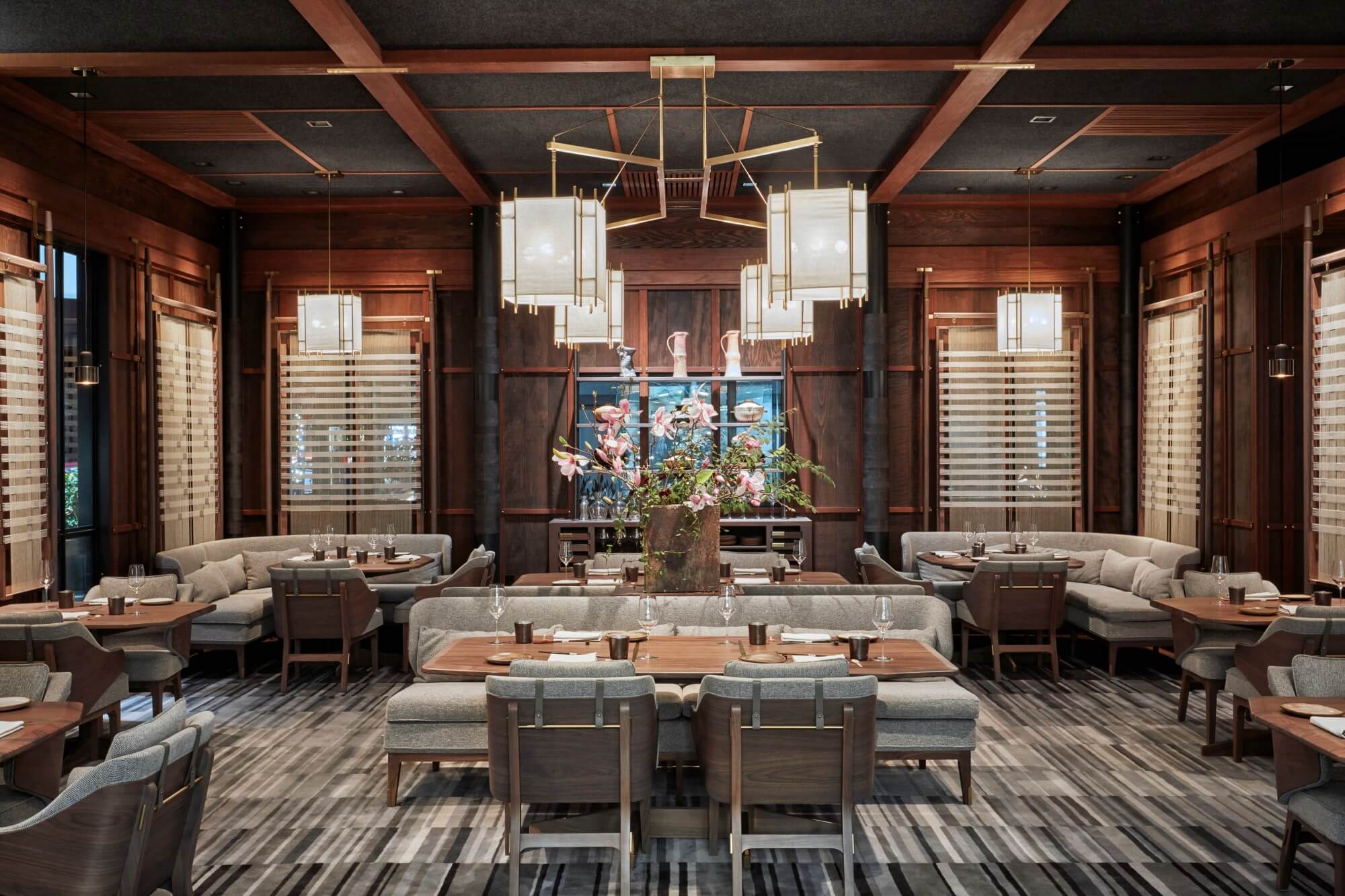
Japanese-influenced Californian Kaiseki
Single Thread Farm
Healdsburg, United States
★★★ · 50 Best
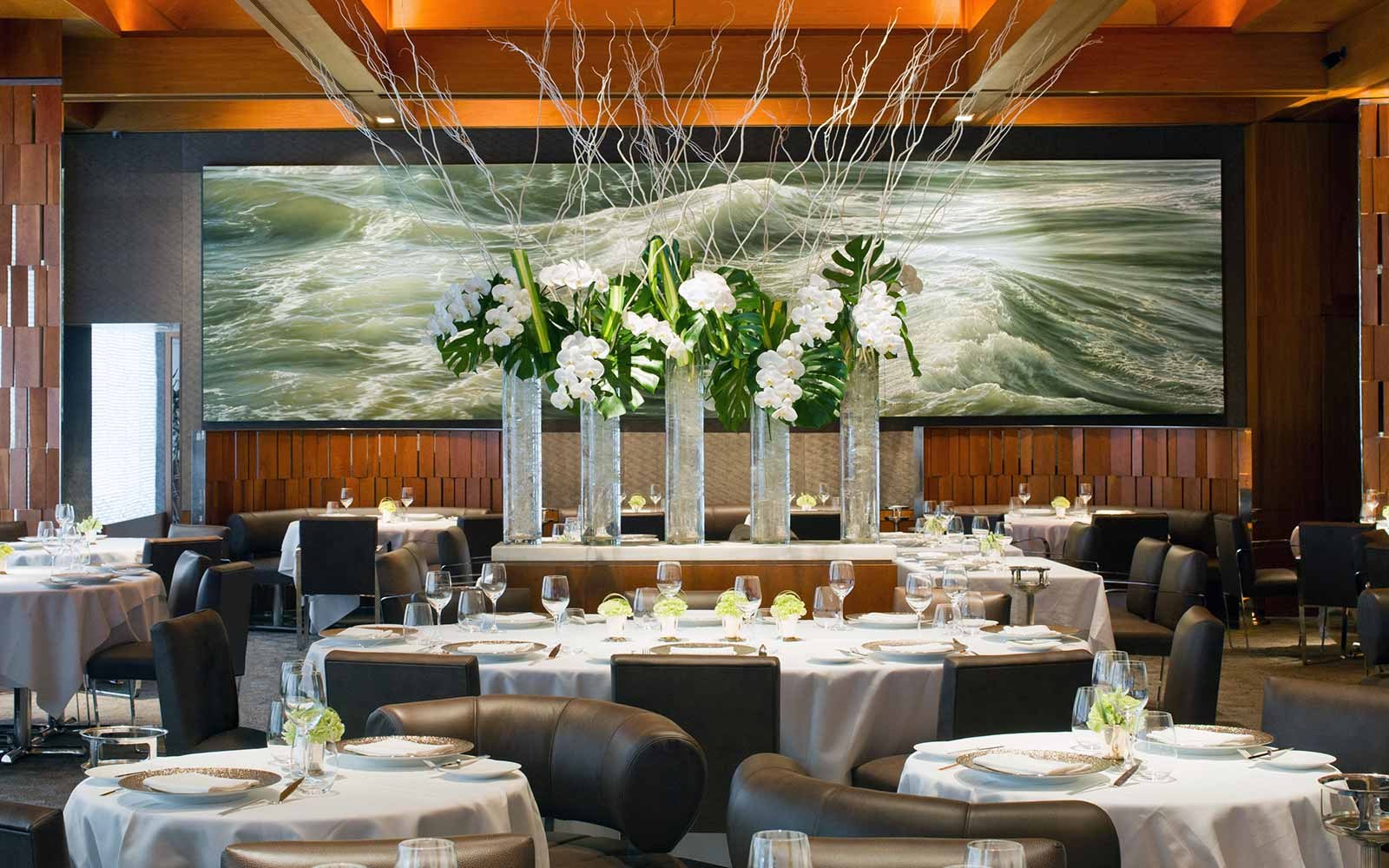
French Seafood Fine Dining
Le Bernardin
New York City, United States
★★★ · 50 Best
Modern Korean Tasting Menu
Atomix
New York City, United States
★★ · 50 Best
French
Sézanne
Tokyo, Japan
★★★ · 50 Best
Modern Seafood Fine Dining
Providence
Los Angeles, United States
★★★ · 50 Best
Contemporary Plant-Based Fine Dining
Eleven Madison Park
New York City, United States
★★★ · 50 Best