Made ByRestaurant
Genuss-Apotheke
Chef in Residence
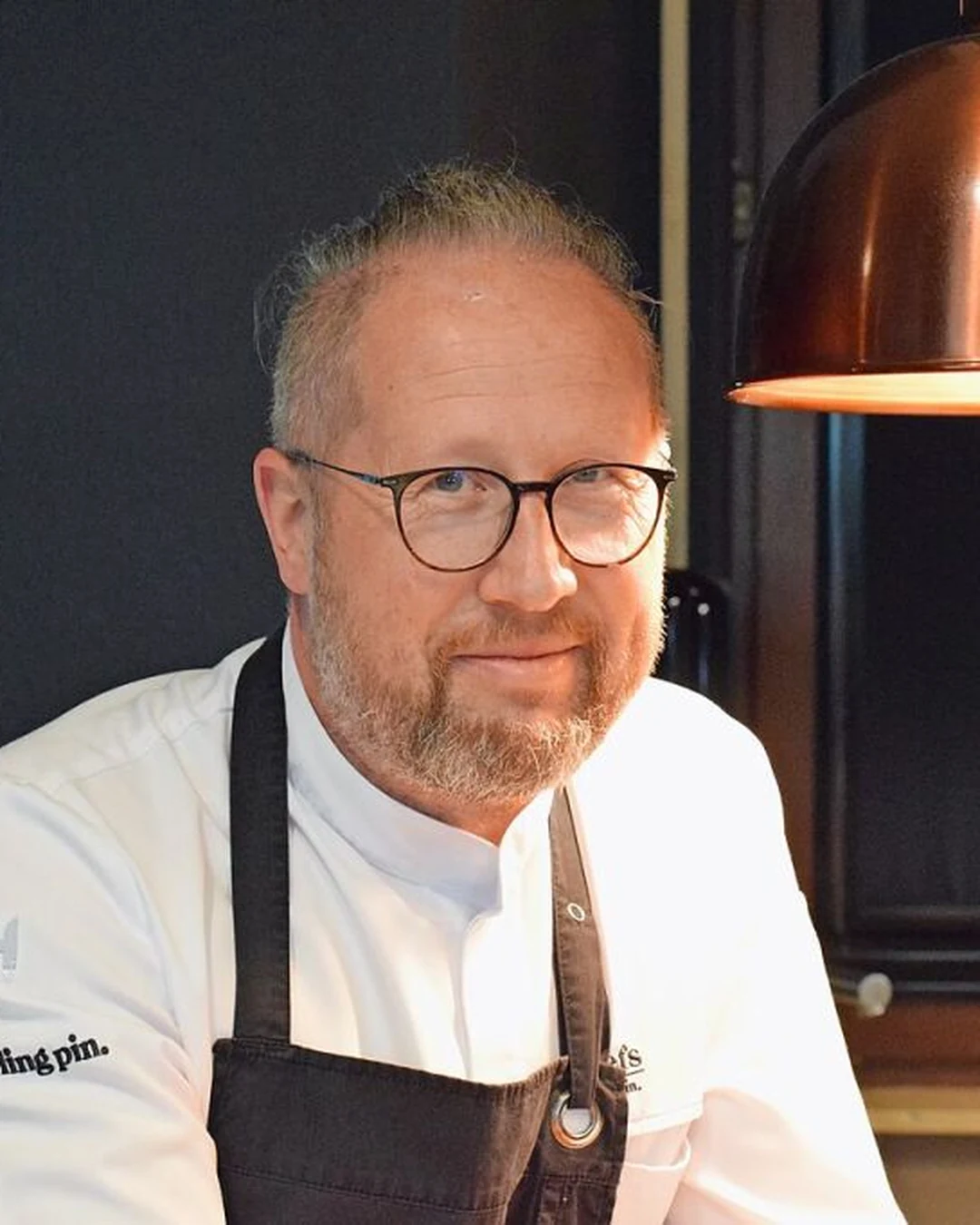
Raimar Pilz
Chef
- 01CityBad Säckingen, Germany
- 02RecognitionOne Michelin Star
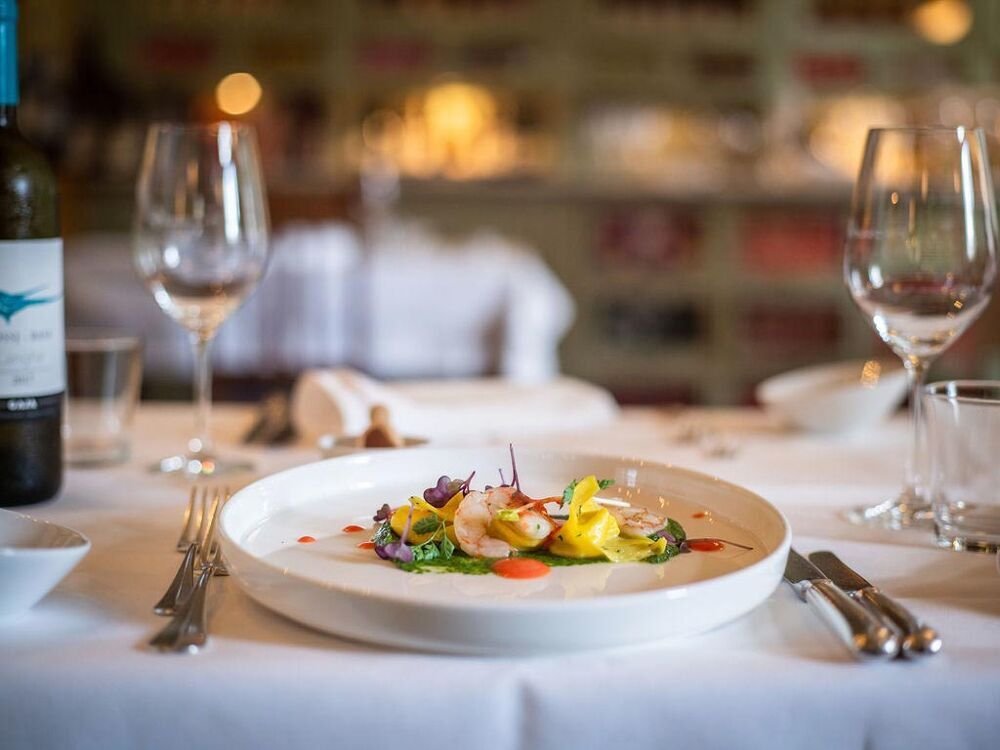
Genuss-Apotheke holds a Michelin star for the second consecutive year in 2025, operating at the €€€€ price tier in the compact Rhine-border town of Bad Säckingen. Chef Raimar Pilz runs a creative kitchen that draws on the agricultural and foraging traditions of the Upper Rhine and southern Black Forest region. With a Google rating of 4.9 across 186 reviews, it occupies a distinct position among Germany's smaller-city fine dining addresses.
- 1 Michelin Star
At a glance
- Hours
- Mon: Closed; Tue: 6:30–11:30 PM; Wed: 6:30–11:30 PM; Thu: 6:30–11:30 PM; Fri: 6:30–11:30 PM; Sat: 6:30–11:30 PM; Sun: Closed
- Rating
- 4.9 (203)
<h2>Fine Dining at the Edge of the Black Forest</h2><p>Bad Säckingen sits at the southwestern tip of Germany, where the Rhine marks the Swiss border and the Black Forest descends toward the valley floor. It is not a city where you expect to find Michelin-starred cooking, and that contrast is precisely the point. In Germany's fine dining geography, the starred addresses tend to cluster in urban centres or resort destinations: Hamburg's grand hotel dining rooms like <a href="https://www.enprimeurclub.com/restaurants/restaurant-haerlin-hamburg-restaurant">Restaurant Haerlin</a>, the Black Forest's famous kitchen at <a href="https://www.enprimeurclub.com/restaurants/schwarzwaldstube-baiersbronn-restaurant">Schwarzwaldstube in Baiersbronn</a>, or the elaborate creative programs at <a href="https://www.enprimeurclub.com/restaurants/aqua-wolfsburg-restaurant">Aqua in Wolfsburg</a>. Genuss-Apotheke at Schönaugasse 11 belongs to a smaller, more anomalous category: the serious destination kitchen in a town most travellers pass through rather than plan around.</p><p>The name translates loosely as "pleasure pharmacy," a signal that the kitchen approaches food as something restorative and considered rather than purely theatrical. That framing matters in a region defined by its proximity to ingredients. The Upper Rhine corridor, with its market gardens, river fish, orchard fruit, and direct access to both the Black Forest and Swiss agricultural land, gives a kitchen like this a sourcing geography that larger urban restaurants often have to work harder to replicate.</p><h2>Ingredient Geography: The Upper Rhine as a Kitchen</h2><p>The creative cuisine category, as applied to German fine dining, covers a wide range of approaches. At the three-star end, kitchens like <a href="https://www.enprimeurclub.com/restaurants/vendome-bergisch-gladbach-restaurant">Vendôme in Bergisch Gladbach</a> or <a href="https://www.enprimeurclub.com/restaurants/coda-dessert-dining-berlin-restaurant">CODA Dessert Dining in Berlin</a> operate within well-resourced urban supply chains and pursue a more concept-driven idiom. What distinguishes the one-star creative kitchen in a smaller town is often not abstraction but specificity, a closer relationship to the immediate growing region, a tighter seasonal rhythm, and a menu vocabulary shaped by what is available within a short radius.</p><p>Bad Säckingen's position is genuinely useful for this kind of cooking. The Baden wine region begins essentially at the kitchen's doorstep, with Markgräflerland vineyards producing Gutedel and Spätburgunder a short distance to the north. Swiss Aargau farmland lies across the river. The Black Forest's foraged larder, mushrooms, wild herbs, game, is accessible in a way that urban kitchens can only approximate through specialist suppliers. For a kitchen framing itself around creative cuisine, this is a sourcing position that European peers at the same price tier would recognise: the comparison to a small French Michelin address drawing on its local terroir holds. <a href="https://www.enprimeurclub.com/restaurants/arpege-paris-restaurant">Arpège in Paris</a> famously anchored its creative identity to its own kitchen garden; the principle of proximity-as-philosophy appears in different forms across the creative dining tier, from <a href="https://www.enprimeurclub.com/restaurants/alleno-paris-au-pavillon-ledoyen-paris-restaurant">Alléno Paris au Pavillon Ledoyen</a> to smaller addresses in wine country.</p><p>At Genuss-Apotheke, Chef Raimar Pilz works within this regional context. The kitchen's Michelin recognition in both 2024 and 2025 confirms that the approach meets the guide's standard of consistency and technique, a one-star award is, in the Michelin framework, a signal of high-quality cooking worth a stop on your route, not simply a noteworthy local restaurant. For a town of Bad Säckingen's size, retaining that recognition across consecutive years is a stronger signal than first-year recognition alone.</p><h2>Where Genuss-Apotheke Sits in the Regional comparable set</h2><p>Germany's one-star creative kitchen tier is competitive and geographically spread. <a href="https://www.enprimeurclub.com/restaurants/jan-munich-restaurant">JAN in Munich</a> and <a href="https://www.enprimeurclub.com/restaurants/essenz-grassau-restaurant">ES:SENZ in Grassau</a> operate in the same creative category, with the latter offering a useful comparison: a high-standard kitchen in a smaller Bavarian resort town, working within a regional ingredient landscape rather than an urban one. <a href="https://www.enprimeurclub.com/restaurants/schanz-piesport-restaurant">Schanz in Piesport</a> and <a href="https://www.enprimeurclub.com/restaurants/victors-fine-dining-by-christian-bau-perl-restaurant">Victor's Fine Dining by Christian Bau in Perl</a> similarly demonstrate that Germany's most serious kitchens are not confined to its largest cities, they often anchor themselves in wine country or border regions where the ingredient supply is most direct.</p><p>Within the immediate Baden region, Genuss-Apotheke operates without close competition at the Michelin-starred level in Bad Säckingen itself, which shapes both its positioning and its audience. Diners making the journey are not choosing between several starred options in the same postcode; they are making a deliberate detour. That pattern is common to a particular kind of European destination restaurant, where the surrounding landscape and the cooking are understood as a single proposition. <a href="https://www.enprimeurclub.com/restaurants/waldhotel-sonnora-dreis-restaurant">Waldhotel Sonnora in Dreis</a> exemplifies the format at three stars; Genuss-Apotheke occupies its equivalent position at one star in a different corner of Germany.</p><p>For those planning broader itineraries in the region, fine.wine.dine. in Bad Säckingen offers a farm-to-table alternative within the same town, demonstrating that the local appetite for ingredient-conscious cooking extends beyond the starred address.</p><h2>The €€€€ Tier in a Small-Town Context</h2><p>Pricing a creative tasting menu at the €€€€ tier in a town like Bad Säckingen is a specific commitment. In Frankfurt or Munich, that price point sits within a range of comparable options; a diner can calibrate value against several peer restaurants in the same city. In Bad Säckingen, it positions the meal as a destination event rather than a habitual choice, the kind of dinner that requires planning and justifies a longer trip. The 4.9 Google score across 203 reviews suggests the kitchen is meeting that expectation consistently, an unusually high rating for a restaurant at this price level and an indicator that repeat and first-visit diners are arriving with high expectations and leaving satisfied.</p><p>Germany's creative fine dining tier at €€€€ typically involves multi-course tasting menus, wine pairings calibrated to the menu's regional or international range, and a service style that matches the kitchen's ambition. The Michelin framework for a one-star address confirms technique and quality; the creative designation signals that the menu is not bound by classical French or German tradition but engages with its ingredients through a more experimental or interpretive lens. The framework is consistent with what the category and star level indicate across Germany's broader creative kitchen scene.</p><h2>Planning Your Visit</h2><p>Bad Säckingen is accessible by train from Basel in under an hour, making it a realistic day-trip or overnight extension from the Swiss city. The town sits on the Rhine Cycle Route, and the medieval covered bridge, one of the longest surviving timber covered bridges in Europe, gives the centre a distinct character that larger spa towns in the region lack. For those combining the dinner with an overnight stay or a broader exploration of the area, the town offers accommodation options nearby. The Rhine Cycle Route and the medieval covered bridge also make Bad Säckingen worth time beyond dinner.</p><p>Genuss-Apotheke's address is Schönaugasse 11. Booking well in advance is advisable, particularly for weekend services.</p>
Frequently asked
Where exactly is Genuss-Apotheke?
Genuss-Apotheke is located at Schönaugasse 11, 79713 Bad Säckingen, Germany, Bad Säckingen.
What should I budget for a meal at Genuss-Apotheke?
Pricing at Genuss-Apotheke is listed as €€€€.
What kind of recognition has Genuss-Apotheke received?
Genuss-Apotheke has received recognition including: Michelin 1 Star (2025); Michelin 1 Star (2024).
What dish is Genuss-Apotheke famous for?
No fixed signature dish is publicly documented, which reflects the format: Chef Raimar Pilz operates in the creative cuisine category, where menus shift seasonally and no single plate anchors the identity. The two consecutive Michelin stars (2024 and 2025) suggest consistent execution across courses rather than a single showpiece. Guests visiting Schönaugasse 11 should expect a menu built around the Upper Rhine region's produce, with no guaranteed repeat from one visit to the next.
Address
Schönaugasse 11, 79713 Bad Säckingen, Germany
How it compares
- Price
- —
- Awards
- Michelin 1 Star
- Notes
- Dining
- Price
- $$$
- Awards
- Michelin Plate
- Notes
- Bad Säckingen, Seasonal European Fine Dining
Colombi Restaurant Zirbelstube
- Price
- $$$$
- Awards
- Michelin 1 Star
- Notes
- City Center, Classic French Fine Dining
- Price
- $$$
- Awards
- Michelin 1 Star
- Notes
- Asperg, Classic Swabian Fine Dining
- Price
- $$$$
- Awards
- Michelin 1 Star
- Notes
- Grenzach-Wyhlen, Modern European with Regional German and Asian Influences
- Price
- $$$$
- Awards
- Michelin 1 Star
- Notes
- Meersburg (Bodensee), Modern German Fine Dining
In residence
Similar places
Japanese-influenced Californian Kaiseki
Single Thread Farm
Healdsburg, United States
★★★ · 50 Best
French Seafood Fine Dining
Le Bernardin
New York City, United States
★★★ · 50 Best
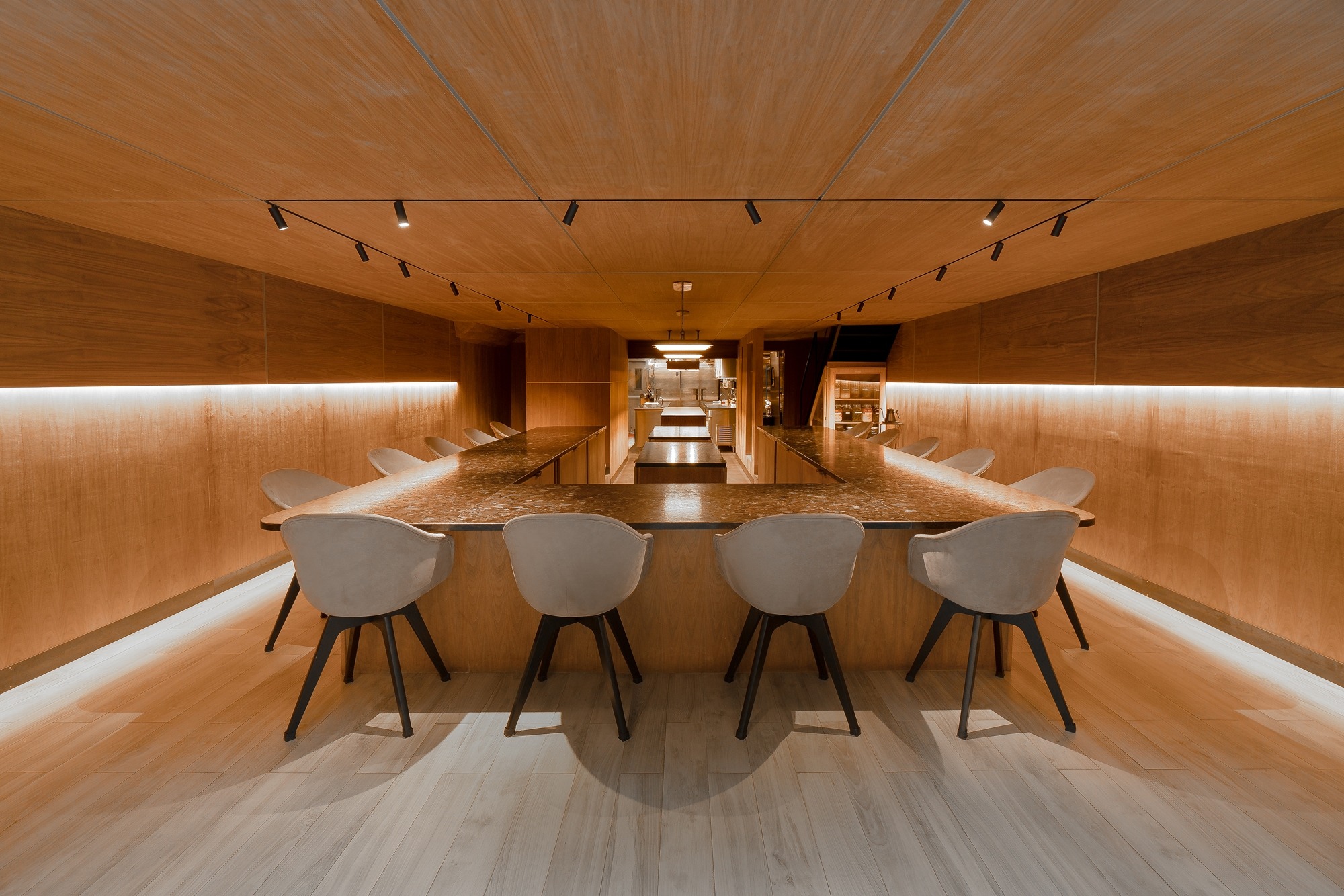
Modern Korean Tasting Menu
Atomix
New York City, United States
★★ · 50 Best
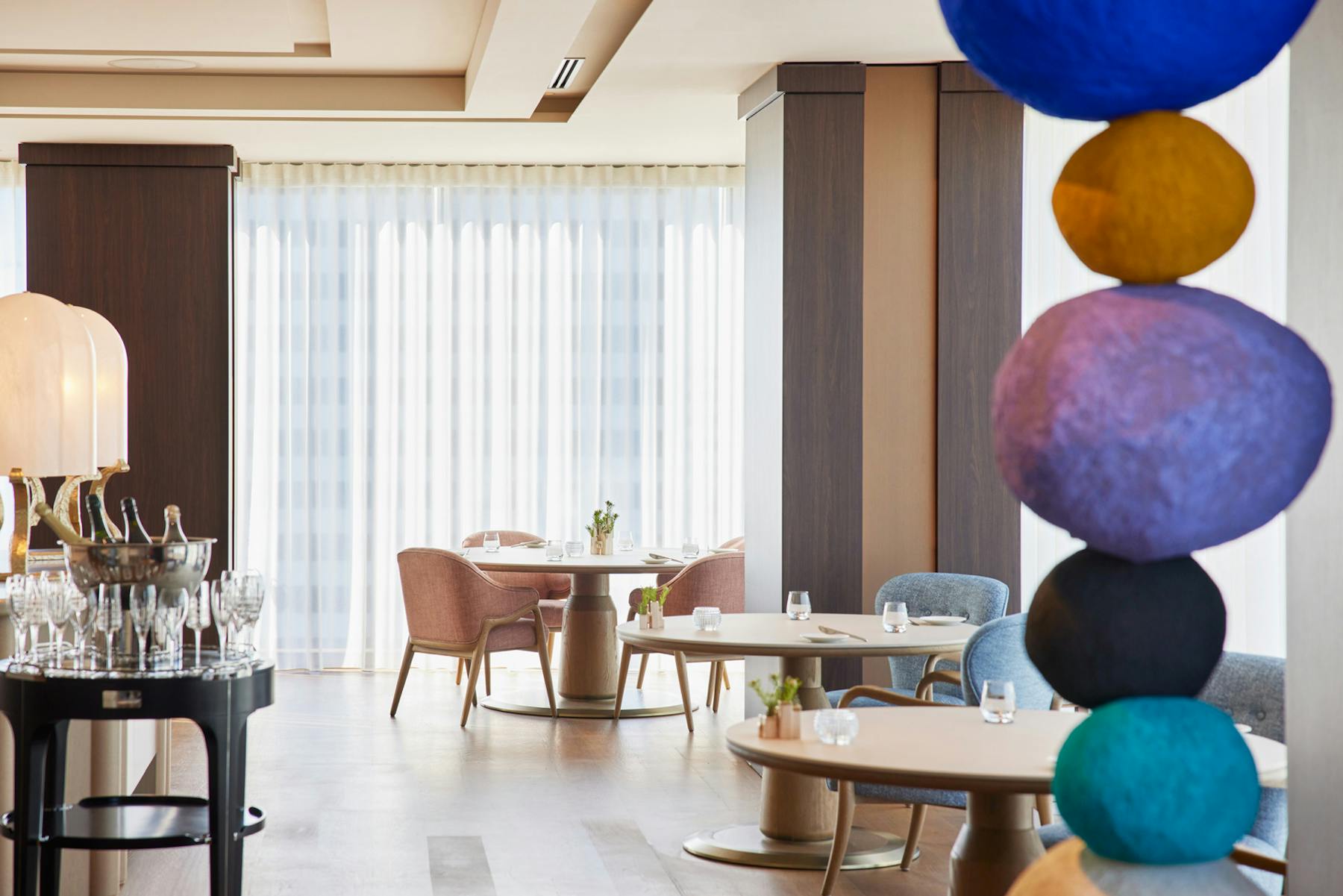
French
Sézanne
Tokyo, Japan
★★★ · 50 Best
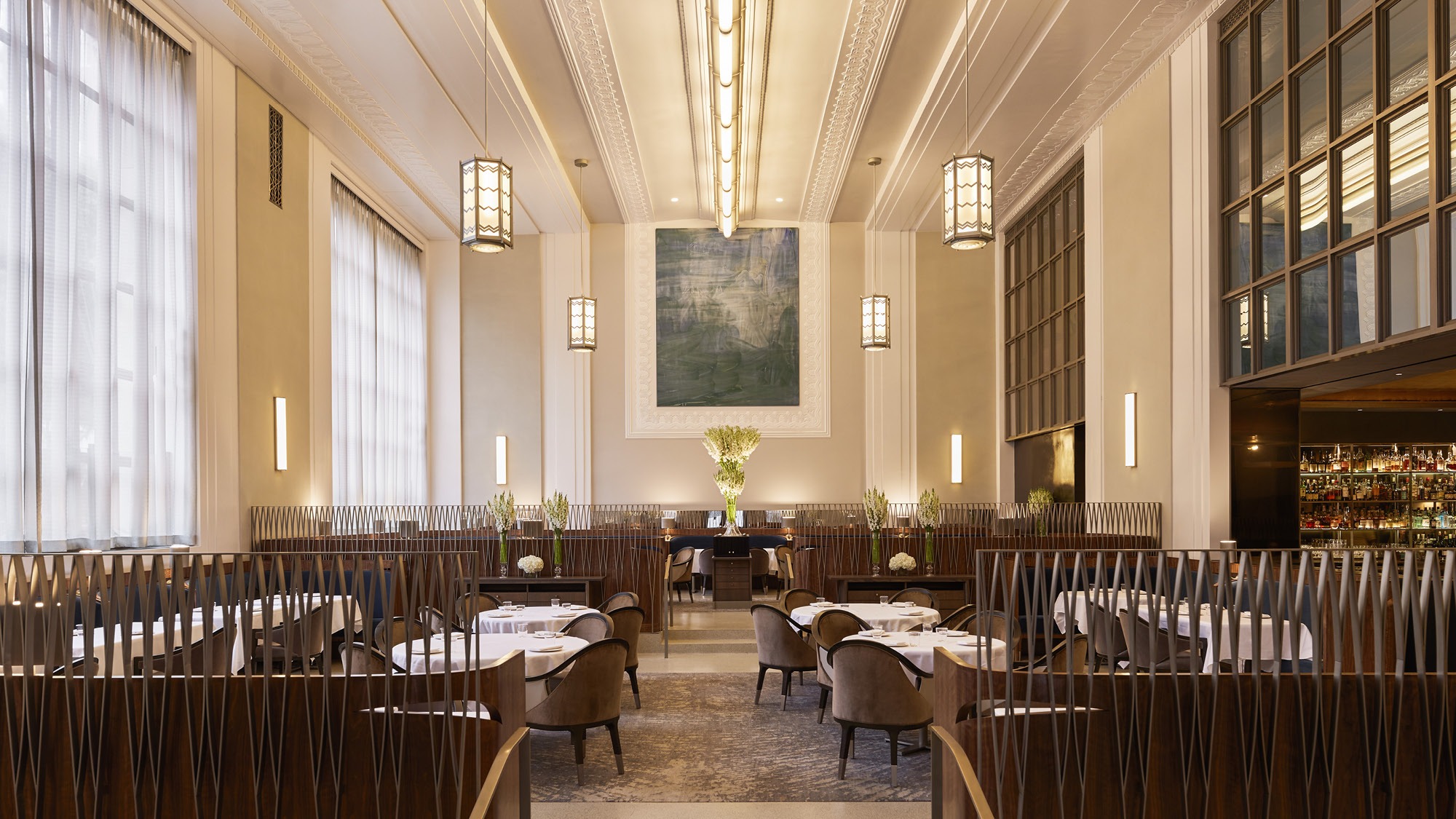
Contemporary Plant-Based Fine Dining
Eleven Madison Park
New York City, United States
★★★ · 50 Best
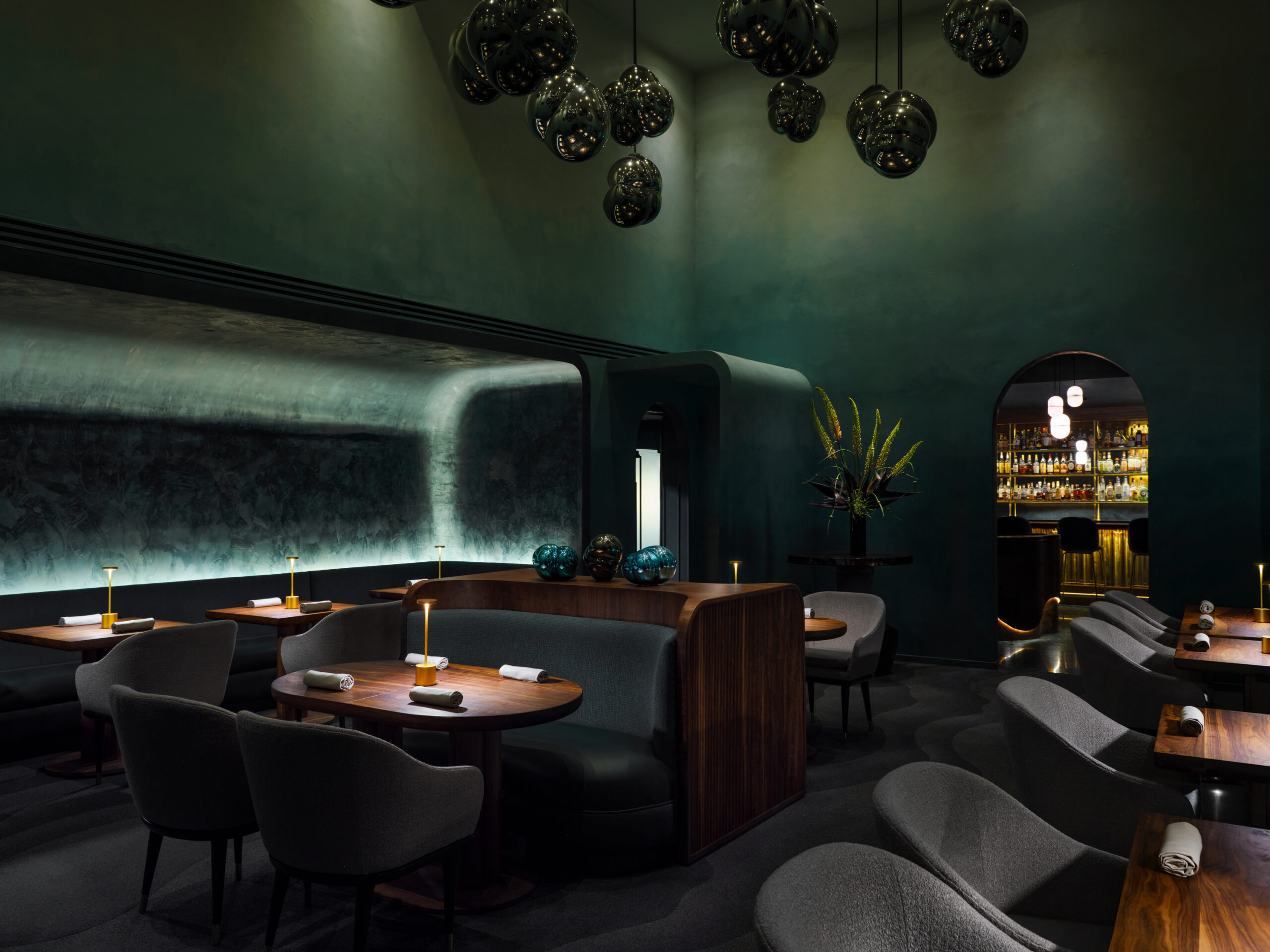
Modern Seafood Fine Dining
Providence
Los Angeles, United States
★★★ · 50 Best