- Michelin Plate · 2026
- Opinionated About Dining Casual in Europe Ranked #9 · 2026
- La Liste Top Restaurants: 77pts · 2026
- Macarfi 8.9 Food Rating · 2026
- Guía Repsol 1 Sol · 2026
- Michelin Plate · 2025
- La Liste Top Restaurants: 77pts · 2025
- Opinionated About Dining Casual in Europe Ranked #8 · 2025
- Michelin Plate · 2024
- Opinionated About Dining Casual in Europe Ranked #5 · 2024
- Opinionated About Dining Casual in Europe Ranked #5 · 2023
Fire, Salt, and the Cantabrian Coast
The approach to Güeyu-Mar sets expectations before you open a menu. A large kingfish painted across the façade faces the Atlantic, and the restaurant sits directly on Playa de Vega, one of Asturias's long, low-tide beaches where the sea withdraws far enough at ebb to feel like a different country. This is not a setting designed for ceremony. The architecture of the meal here follows the same logic as the landscape: direct, unadorned, and shaped by what the sea delivered that morning.
Asturian coastal cooking has always prioritised proximity over technique, the fish auction circuit that runs from Gijón to Ribadesella supplies some of the richest cold-water species in Spain, and the tradition of cooking over embers or open fire predates any formal restaurant culture in the region. Güeyu-Mar, under chef Abel Álvarez, has placed itself squarely inside that tradition while pushing it toward a level of focus that earns sustained international attention. The concise à la carte is built entirely around what the auction supplies each day, which means the menu is less a fixed document than a daily editorial decision about what the Cantabrian Sea is offering.
The Grill as the Point
Spain's serious restaurant conversation is dominated by tasting-menu houses: multi-Michelin operations like Arzak in San Sebastián, Azurmendi in Larrabetzu, El Celler de Can Roca in Girona, and DiverXO in Madrid, where the format is prescribed and the experience is structured around the kitchen's narrative. The casualty of that format is often the ingredient itself, which becomes a vehicle for technique. The grill tradition runs the opposite direction: the ingredient is the argument, and the fire is only there to confirm it.
What distinguishes the top tier of European grill restaurants from mid-range operations is control over the source, not control over the plate. At this level, the fish that reaches the grill has been bought at auction that morning, portioned without waste, and cooked at a temperature and distance calibrated to species and thickness. The margin for error narrows considerably when there is nowhere for technique to hide. Güeyu-Mar's consistent ranking in Opinionated About Dining's Casual Europe list reflects sustained execution at that level.
For context, comparable fire-focused restaurants in other European markets, such as Humo in London, operate with entirely different supply chains and at considerably higher price points. Güeyu-Mar's €€€ positioning is notable for the category: this is a specialist grill restaurant with international recognition that remains within reach of travellers who are not allocating budget-tier money.
What the Auction Determines
The editorial angle of Güeyu-Mar's menu is not the grill itself but the supply decision that precedes it. The Cantabrian coast produces species that rarely appear on menus further south: kokotxas of hake, thick-cut turbot, whole besugo, and larger pelagic fish that the restaurant's façade nods to. The à la carte is concise by design, a short list is only possible when you are committed to buying what is available rather than what is predictable. This discipline separates the kitchen from restaurants that maintain fixed seasonal menus and source to match them.
The homemade preserves programme extends that logic into a different format. The same fish sourced at auction can be preserved at peak condition and served in the restaurant or purchased to take home. This is a coastal Asturian tradition with deep roots, the region's conserva culture predates refrigeration and reflects a practical understanding of how to hold the quality of a perishable product. At Güeyu-Mar, the preserves function as both a menu category and a retail offer, which places the restaurant in a small group of Spanish operations that treat the shop and the dining room as extensions of the same editorial project. A de Totó in Trasmonte operates in a comparable register within the Spanish grill tradition.
Spain's other coastal serious dining addresses tend toward either the creative-progressive end, Aponiente in El Puerto de Santa María, Quique Dacosta in Dénia, Ricard Camarena in València, or toward direct tavern formats. The position Güeyu-Mar occupies, between those poles, is deliberately chosen and not widely occupied.
How to Place This Restaurant in the Wider Spain Context
Spain's most recognised restaurant addresses cluster in the Basque Country, Catalonia, and Madrid. Asturias sits outside that triangle and receives less international dining press despite a coastal larder that most Spanish chefs would describe as among the country's leading. The sidra culture, the seafood auction circuit, and the tradition of cooking over oak and beech give the region a distinct culinary identity that has not yet been colonised by the tasting-menu format to the same degree as the Basque Country. Martin Berasategui in Lasarte-Oria, Cocina Hermanos Torres in Barcelona, and Mugaritz in Errenteria represent the formal, technique-intensive end of Spanish fine dining; Güeyu-Mar represents a different argument about what serious cooking looks like. Both arguments are valid. They address different questions about what a restaurant is for.
Atrio in Cáceres is another Spanish address that operates with strong regional identity outside the major culinary corridors, and makes a useful point of comparison for travellers building a Spain itinerary around dining outside the obvious centres.
Planning a Visit
Güeyu-Mar operates Wednesday through Sunday, 1 to 5 pm only. Those hours are not unusual for Asturian coastal restaurants that tie their service directly to auction supply, the fish auction runs in the morning, which means lunch service is the only window where the product is at its freshest. The restaurant draws a Google rating of 4.2 across more than 1,100 reviews, which at that volume reflects a consistent experience rather than a curated one. Advance booking is essential.
Questions
Frequently asked
Who works at Güeyu-Mar?
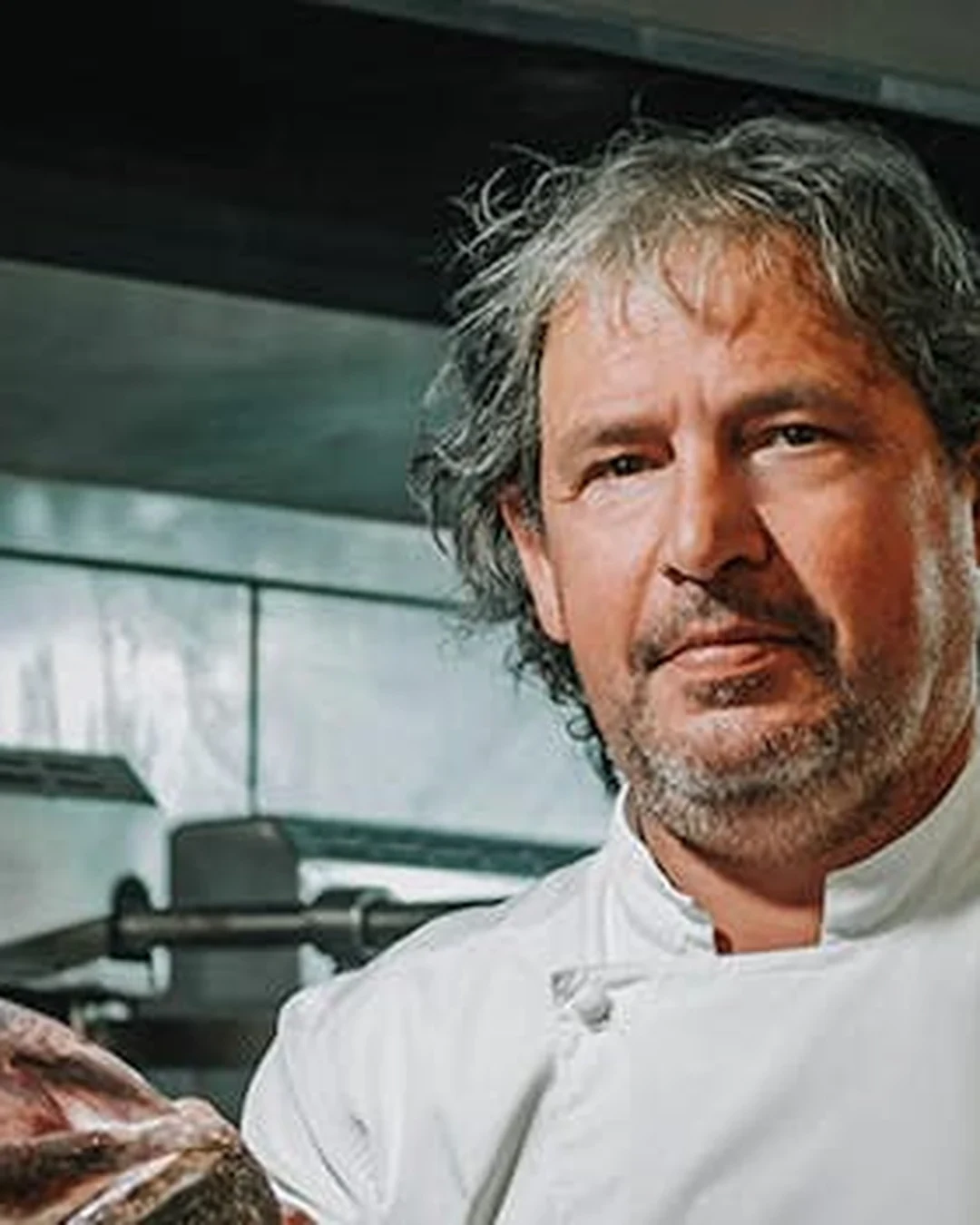
Made By profiles Abel Álvarez (Chef) at Güeyu-Mar.
How expensive is Güeyu-Mar?
Güeyu-Mar is listed at a price level of $$$$.
Where is Güeyu-Mar and what does it serve?
Güeyu-Mar is in Playa de Vega, La Vega, serving Ember-Grilled Cantabrian Seafood.
The field
How it compares
| Place | Cuisine | Notes | Awards |
|---|---|---|---|
| Güeyu-Mar | Ember-Grilled Cantabrian Seafood | Playa de Vega, $$$$ | · |
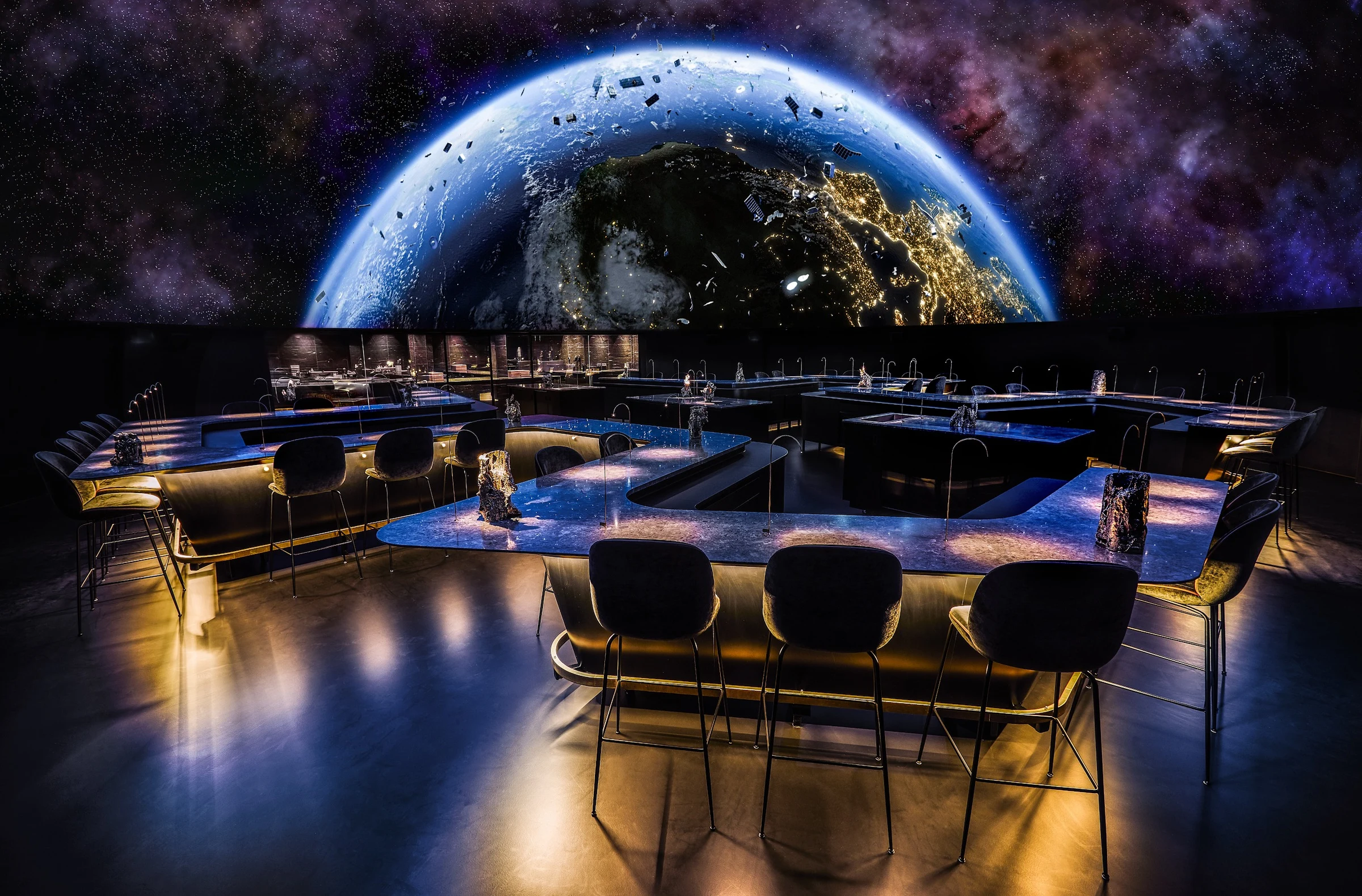
| Alchemist | Avant-Garde Molecular Gastronomy with Social Commentary | Copenhagen | Michelin 2 Stars, World's 50 Best |
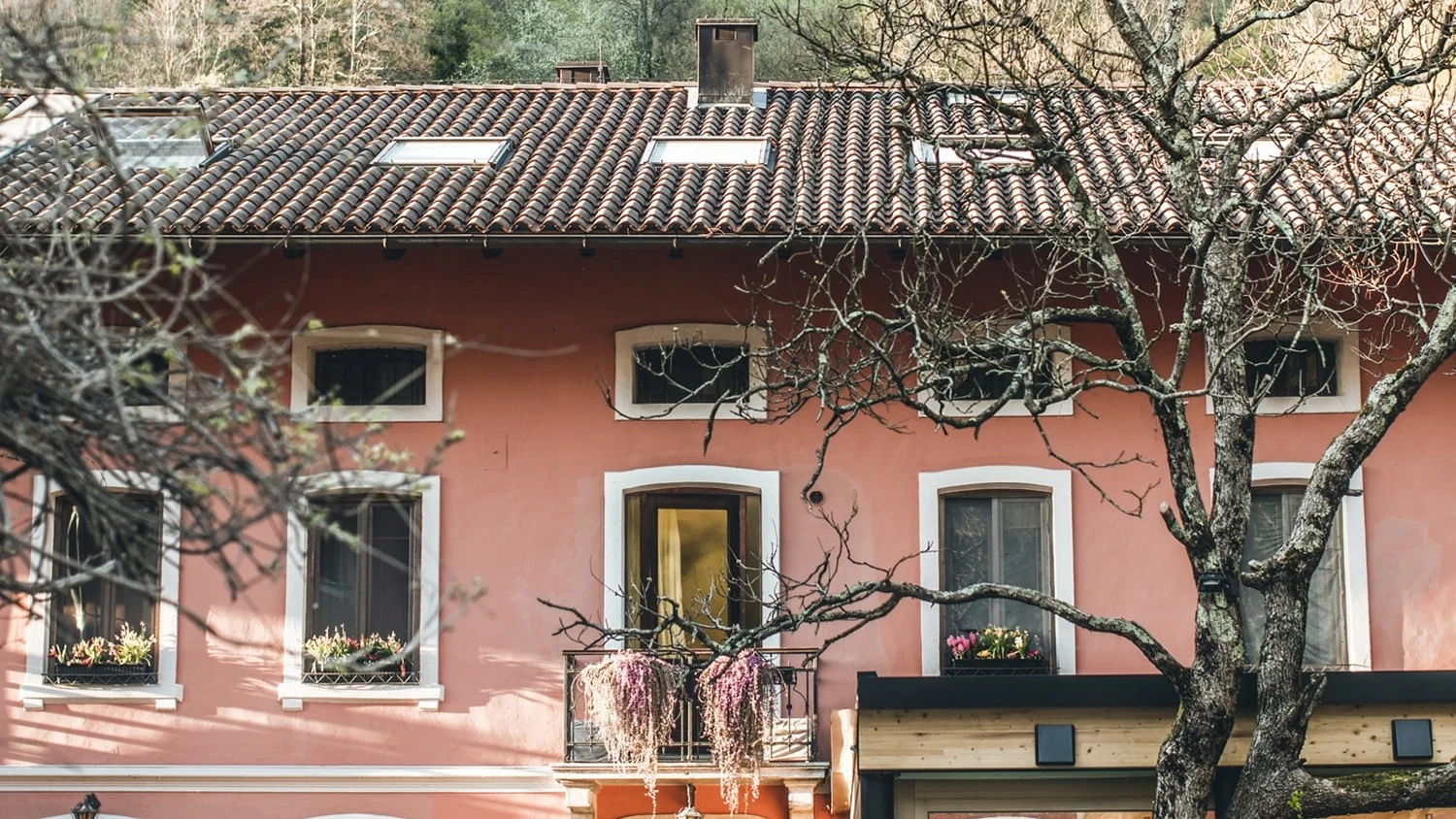
| Hiša Franko | Modern Slovenian Fine Dining | Kobarid | Michelin 3 Stars, World's 50 Best |
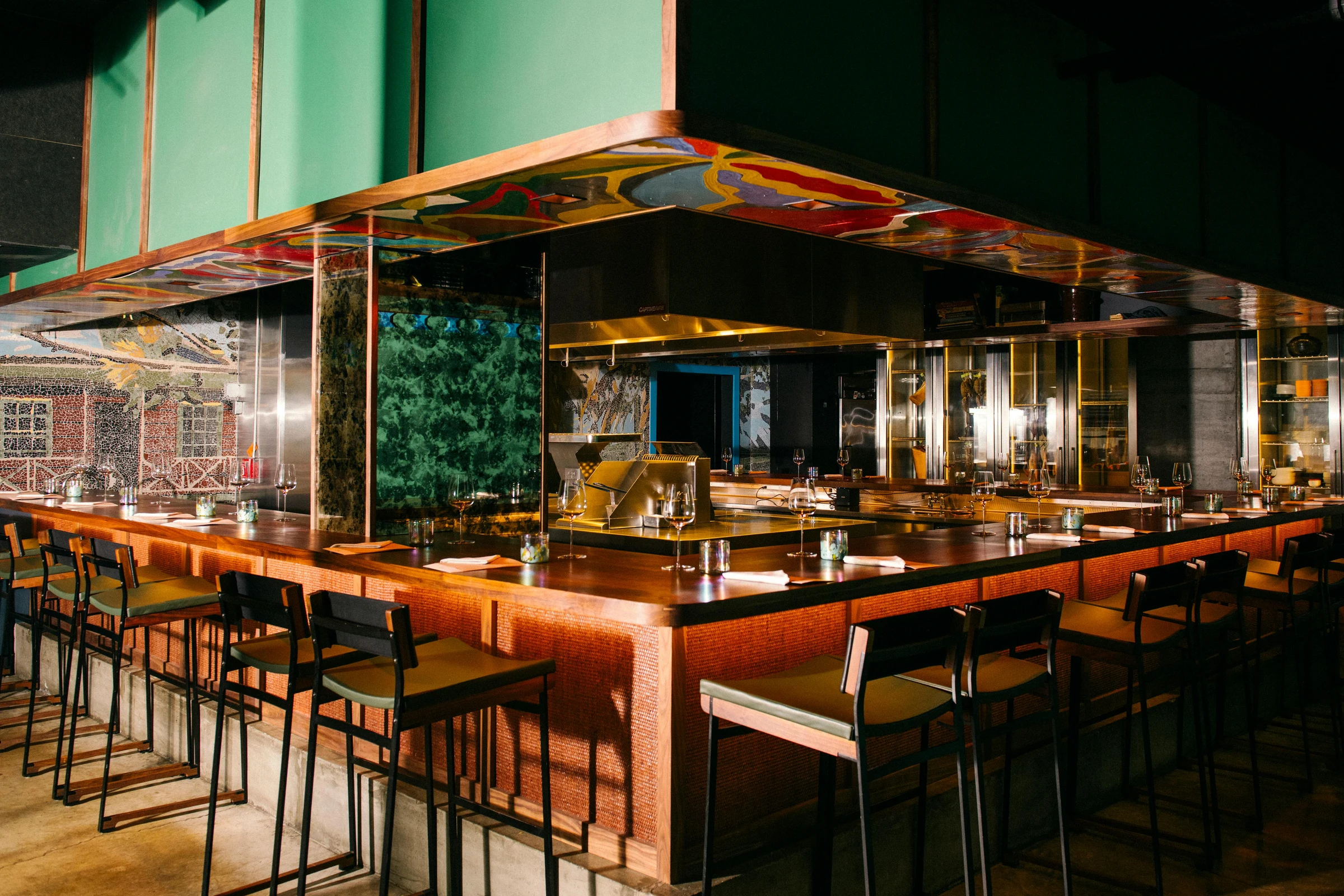
| Kabawa | Modern Caribbean Prix Fixe | New York City | World's 50 Best |
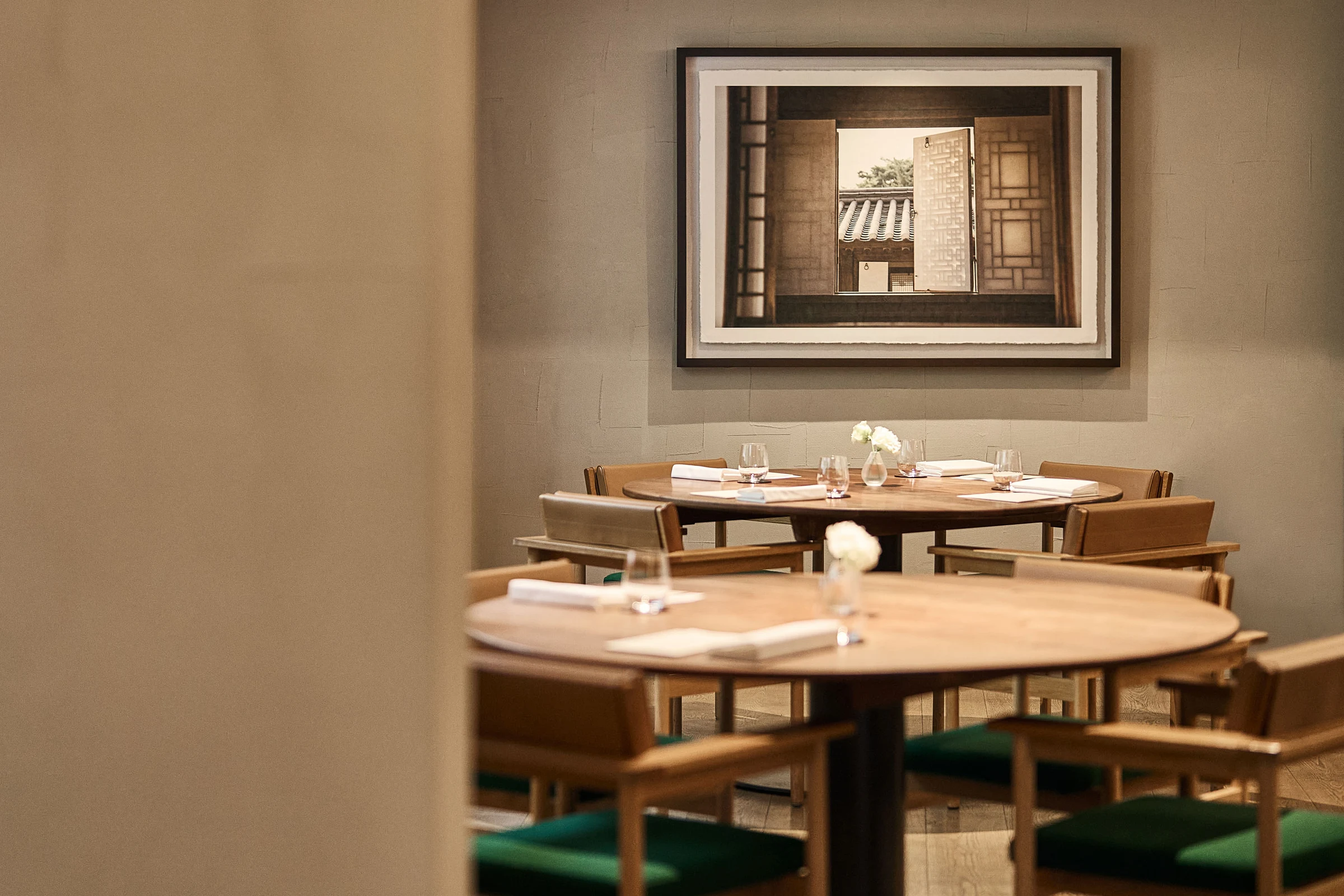
| Mingles | Modern Korean Fine Dining | Seoul | Michelin 3 Stars, World's 50 Best |
| Quique Dacosta | Avant-Garde Spanish Fine Dining | Dénia | Michelin 3 Stars, World's 50 Best |
| The Inn at Little Washington | Contemporary American Fine Dining with French Influence | Washington | Michelin 3 Stars |
In residence
Similar places
Avant-Garde Molecular Gastronomy with Social Commentary
Alchemist
Copenhagen, Denmark
★★ · 50 Best
Modern Slovenian Fine Dining
Hiša Franko
Kobarid, Slovenia
★★★ · 50 Best
Modern Caribbean Prix Fixe
Kabawa
New York City, United States
50 Best
Modern Korean Fine Dining
Mingles
Seoul, South Korea
★★★ · 50 Best
Avant-Garde Spanish Fine Dining
Quique Dacosta
Dénia, Spain
★★★ · 50 Best
Contemporary American Fine Dining with French Influence
The Inn at Little Washington
Washington, United States
★★★