- Falstaff Winery - Listed · 2026
In Mamoiada, wine starts with the hills before it reaches the glass. The Barbagia setting is rural and quiet, with vineyards and cellar work carrying more weight than staged hospitality. Gian Luigi Montisci belongs to that register: small in scale, focused on traditional Cannonau, and tied to a Sardinian wine context where place is central to the experience. The impression is not of wine as a detached product, but of wine as something understood through landscape, pace, and the practical realities of a small inland producer.
Mamoiada Cannonau without the visitor-centre gloss
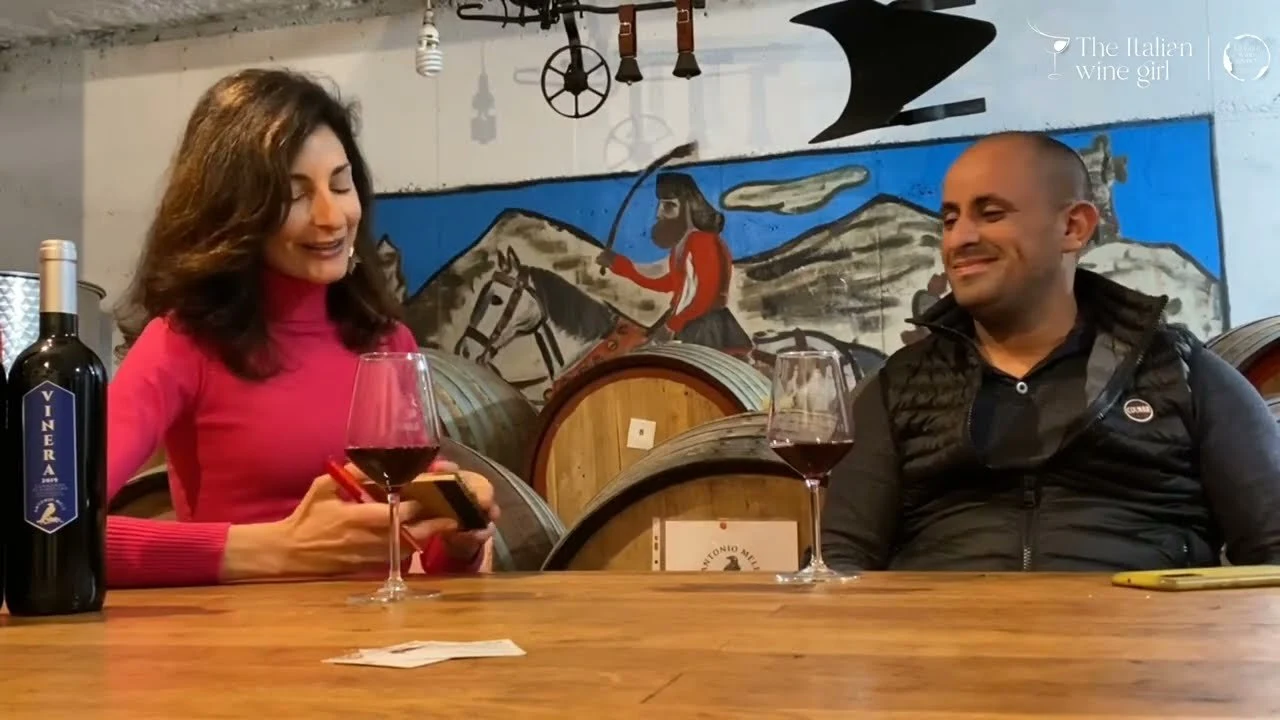
Gian Luigi Montisci is best understood as a small artisanal winery in Mamoiada rather than a large-scale visitor centre. Its identity is centred on traditional Cannonau, a rustic rural atmosphere, and the quieter rhythm of vineyards and cellar. For travellers, the appeal is not an elaborate hospitality format but a more direct sense of a Barbagia wine setting, where the point is to be close to the place rather than insulated from it.
The important distinction here is atmosphere. This is described through vineyards, cellar, rustic character, and quiet pacing. That matters because the experience reads closer to a working wine address than a polished excursion. The price level is $$$, but the value question is less about amenities and more about the chance to encounter a local Cannonau-focused producer in Mamoiada. In that sense, the measure of the stop is not how much is packaged around the visit, but how clearly it communicates its rural setting and traditional focus.
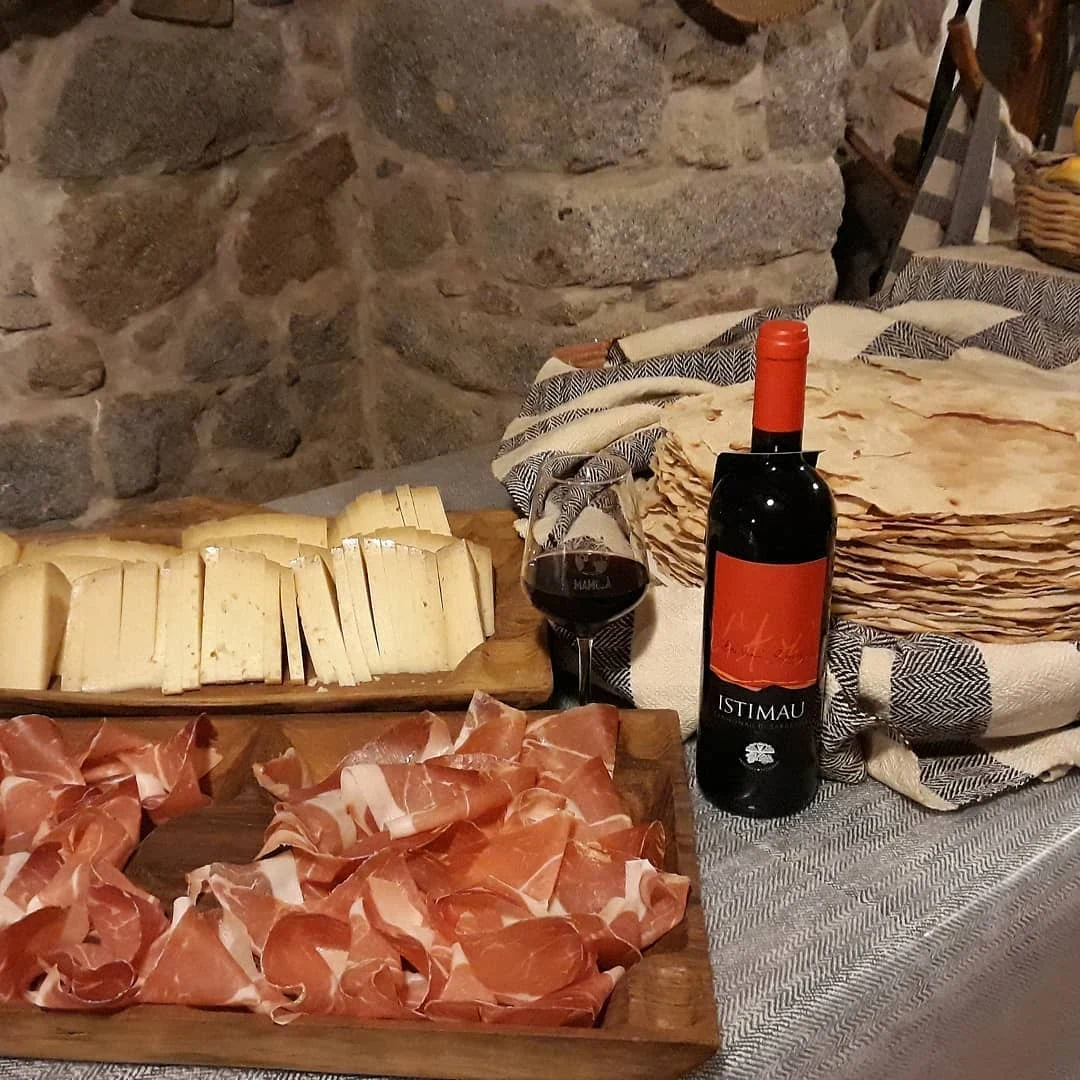
Cannonau is strongly associated with Sardinia, and Gian Luigi Montisci gives that association a specific Mamoiada frame. Rather than presenting the winery through coastal resort expectations or luxury branding, the available picture is simpler: a small, hidden-gem address in rural Barbagia, centred on traditional Cannonau and a cellar-and-vineyard atmosphere. That simplicity is part of the draw, especially for visitors who prefer the character of a place to remain visible rather than smoothed into a generic wine-tourism format.
A small-cellar visit for travellers who care about place
The strongest reason to seek out this winery is not a list of medals or a grand architectural statement. It is the chance to put Mamoiada’s wine identity into physical context: vineyards, a traditional cellar atmosphere, and the quieter rhythm of a small producer. The winery’s scale is part of the editorial point. In regions where wine tourism can become standardised, a small rural cellar preserves a different kind of encounter, one where setting and local grape focus carry the conversation.
That also means expectations should be calibrated. This is a low-key wine stop rather than a high-energy social venue. The available information supports a rustic, quiet, hidden-gem profile, not a broad claim about extensive visitor facilities or a structured hospitality programme. The better fit is the traveller building a wine-focused itinerary around Mamoiada and traditional Cannonau. For that kind of traveller, restraint is not a drawback; it is part of the reason to go, because the experience sits closer to the vineyard-and-cellar context than to a scripted destination format.
For wider context, Mamoiada’s wine scene can be considered generically through other local producers and dining options, but Gian Luigi Montisci should be approached on its own terms: small scale, traditional Cannonau, and a rural Barbagia atmosphere centred on vineyards and cellar. It is most useful to think of it as one piece of a place-led wine day, not as a standalone spectacle that needs to provide every element of a trip on its own.
How to place it within a Mamoiada itinerary
The practical strength of Mamoiada is its identity as a focused inland wine destination. A wine-oriented trip can be built around village time, rural Barbagia atmosphere, and a close look at Cannonau rather than a sequence of large, polished estates. Gian Luigi Montisci works well inside that slower rhythm, especially for travellers who want a small producer with a traditional cellar setting. Its role in an itinerary is therefore about depth rather than breadth: a chance to let the local wine identity feel specific, grounded, and connected to the surrounding hills.
For the rest of a stay, keep the planning broad: look at Mamoiada generically for meals, lodging, and other local context around tasting days, then confirm any practical details directly with the relevant venue before travelling. That approach suits a quieter rural address, where the experience is better framed by careful planning than by assumptions imported from larger wine destinations.
For readers building a broader wine map beyond Sardinia, the most useful contrast is general rather than name-driven. Different regions organise scale, visitor experience, and grape identity in different ways. Mamoiada’s interest, as reflected at Gian Luigi Montisci, lies in the opposite of spectacle: a smaller, quieter, place-led argument for Sardinian Cannonau. It is a reminder that some wine destinations are strongest when they remain close to their basic materials: grape, cellar, vineyard, and landscape.
Questions
Frequently asked
Who works at Gian Luigi Montisci?
Made By profiles Gian Luigi Montisci (Winemaker) at Gian Luigi Montisci.
How expensive is Gian Luigi Montisci?
Gian Luigi Montisci is listed at a price level of $$$.
The field
How it compares
| Place | Notes |
|---|---|
| Gian Luigi Montisci | Mamoiada, $$$ |
| Cantina Antonio Mele | Mamoiada |
| Francesco Cadinu | Mamoiada |
| Maria Soddu | Mamoiada |
| Sedilesu | Mamoiada |
| Teularju | Mamoiada |
| VikeVike | Mamoiada |