Ginza Kitagawa 銀座 きた川
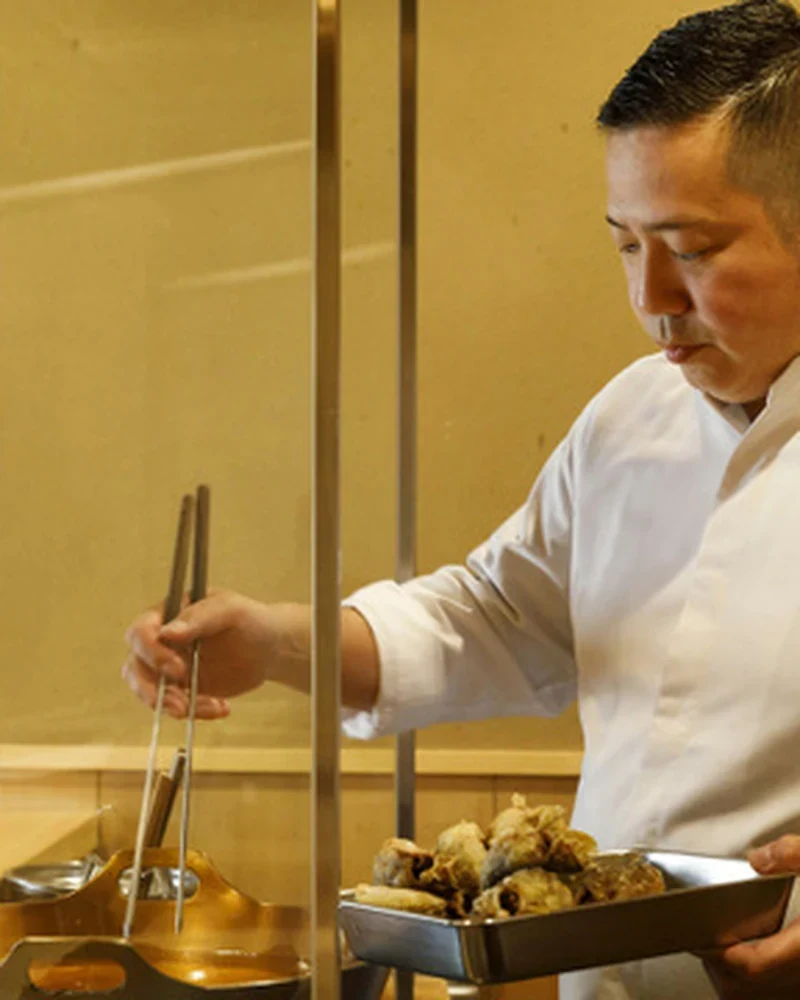
In Residence
Kazuyuki Kitagawa
Chef
- 01CuisineModern Kaiseki with Tempura
- 02CityTokyo, Japan
- 03RecognitionOne Michelin Star
- 1 Michelin Star · Michelin Guide
- Tabelog Bronze #180: 4.4pts · 2026
- Michelin 1 Star · 2026
- Opinionated About Dining Top Restaurants in Japan Recommended · 2026
- Tabelog Silver · 2025
- Opinionated About Dining Top Restaurants in Japan Ranked #462 · 2025
- Michelin Plate · 2025
- Tabelog 100 #15: 4.3pts · 2025
- Michelin 1 Star · 2024
- Opinionated About Dining Top Restaurants in Japan Ranked #393 · 2024
Counter Kappo in a City That Never Slows Down
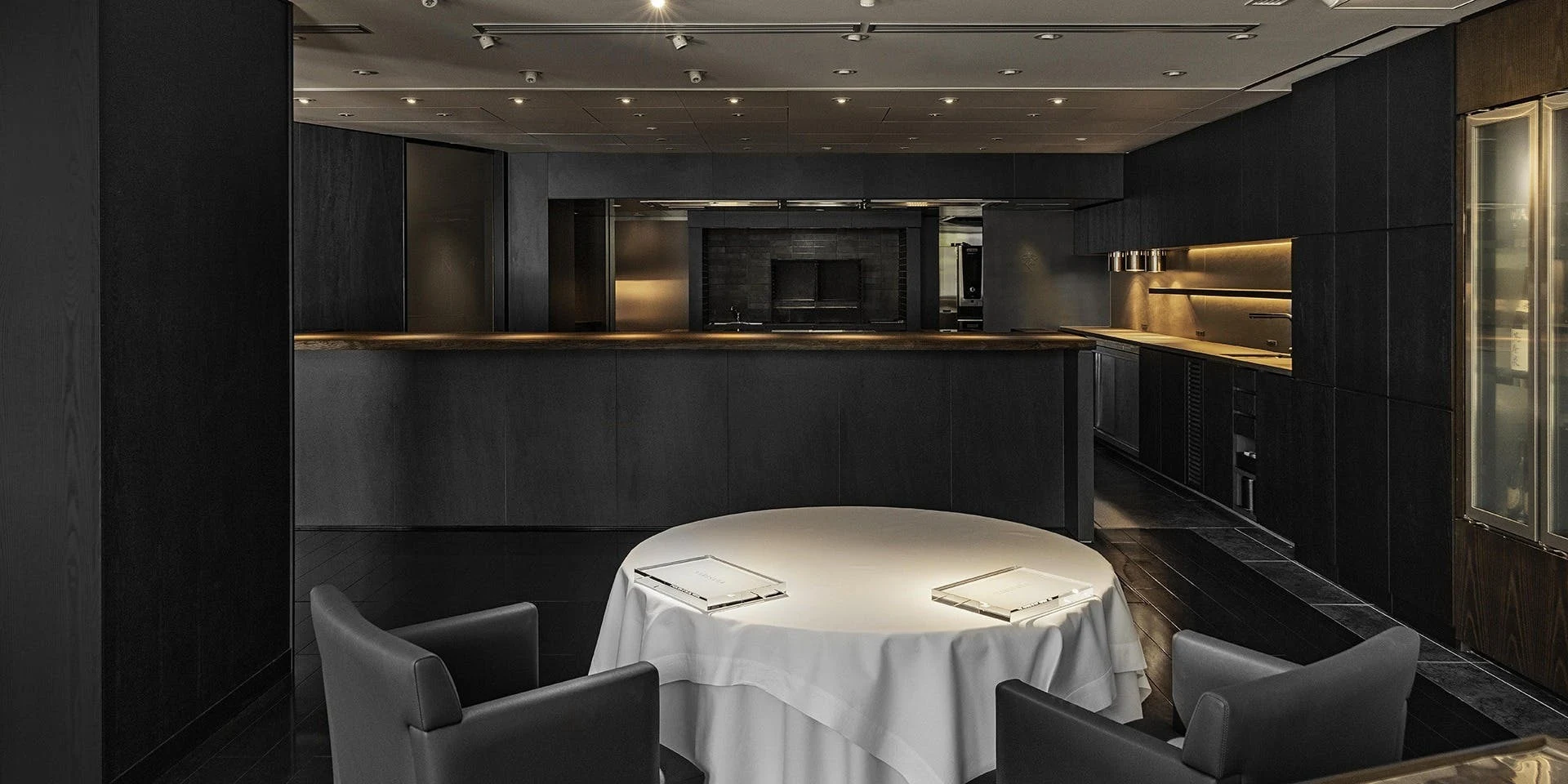
Tokyo dining does not pause for atmosphere. At the high-end counter restaurants that line Ginza's upper floors, the experience is built on compression: a tight arc of dishes, a small room, and a kitchen team moving with the kind of velocity that signals seriousness rather than stress. This is not Kyoto, where kaiseki pacing draws the meal across two hours of deliberate quietude. In Tokyo, the counter is a stage, and the performance is technical. The aroma arrives before the plate does.
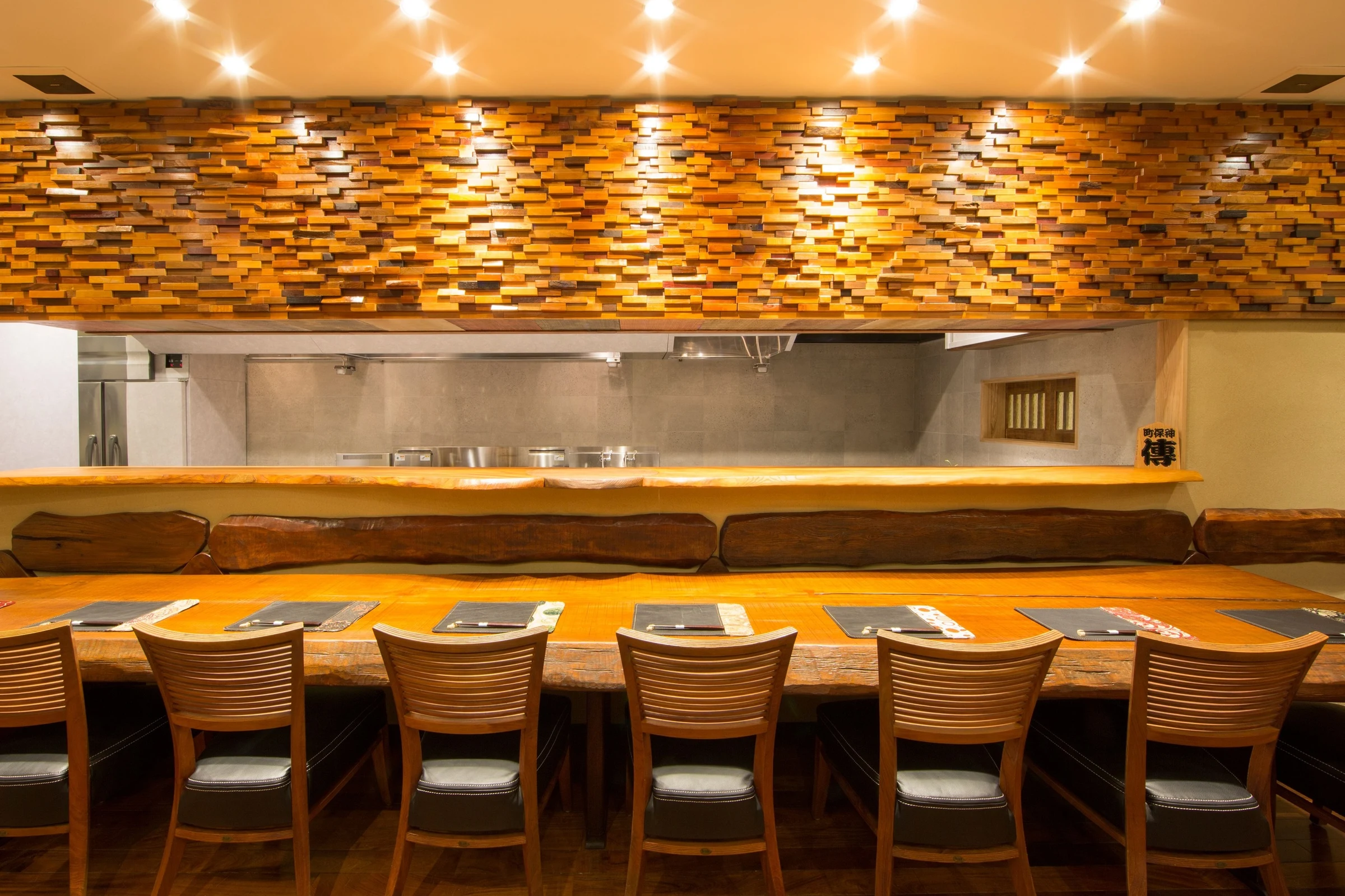
That compression is exactly what defines the kappo format at its finest, and it is the format that Ginza Kitagawa 銀座 きた川 operates inside. Located on the third floor of a building on Maronnier-dori in Ginza 2-chome, the restaurant sits in a part of the city where premium dining is stacked literally as well as metaphorically, with multiple counters occupying floors above street-level retail. It holds one Michelin star.
The Sunday letter
Find new places through the people who run them.
Our Sunday email brings you the chefs, winemakers and hoteliers behind our newest stories. See a sample before you subscribe.
See a sample of the Sunday emailOne email a week. Unsubscribe from any issue.
The Tokyo vs. Kyoto Divide in Kappo
Kappo, as a format, sits between kaiseki's rigid ceremonial structure and the informality of an izakaya. It is interactive, counter-based, and built on the idea that the cook is a visible presence rather than a figure behind closed doors. Both Tokyo and Kyoto claim serious kappo traditions, but the register differs. In Kyoto, kappo tends toward restraint: fewer techniques on display, a reverence for seasonal ingredient selection, and a pace that matches the city's broader relationship with time. In Tokyo, the same format tends toward energy. The kitchen is louder, the knife work is faster, and technique is foregrounded as part of the experience rather than subordinated to it.
Ginza Kitagawa sits firmly in the Tokyo register. The kitchen team moves at pace, and the menu's design is structured around technique as spectacle. This is not a criticism; it is a category distinction. The tempura is fried at the counter, not plated in a back kitchen and carried out under a cloth. The sizzle and the scent reach the diner first. That sequencing is a deliberate choice, one that positions the cooking as immediate and alive rather than composed and distant.
Compare this with the quieter compositional approach at places like Kagurazaka Ishikawa, or the Kyoto-trained restraint evident at Isshisoden Nakamura in Kyoto, and the distinction becomes legible. Ginza Kitagawa is not trying to replicate a Kyoto sensibility in a Tokyo postcode. It is doing something distinct.
The Technique at the Centre: Aburadoshi and the Oil Repertoire
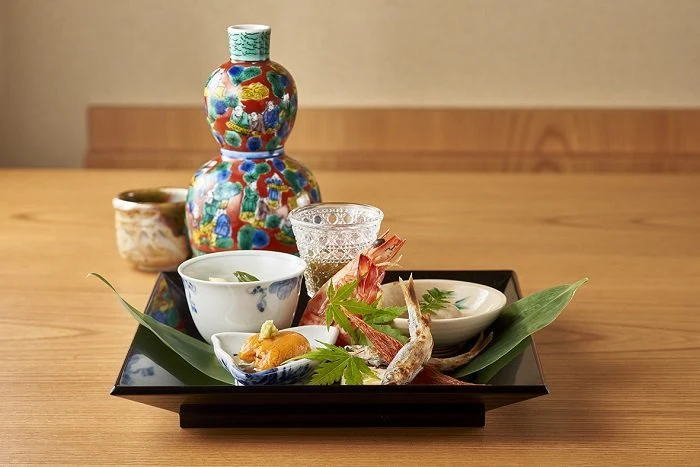
The menu's structural anchor is oil, applied across a broader range than the category of deep-frying usually implies. The technique at the core is aburadoshi, in which tsukuri (the raw fish component typically served as sashimi in kaiseki) is par-cooked in oil rather than left raw or treated with heat. This is not a decorative variation. It changes the texture and temperature profile of the protein in ways that a straight sashimi presentation does not allow, while retaining a rawness of character that full cooking would erase. In a city where sashimi is understood with great precision, a technique that occupies the territory between raw and cooked carries editorial weight.
Beyond aburadoshi, the tempura program is executed at the counter in direct view. The timing is calibrated so that the aroma of frying reaches the guest before the plate, a sequencing that functions as both sensory priming and kitchen confidence. The meal closes with kakiage, a tempura shrimp preparation served over rice in a clay pot. This closing structure follows a logic familiar in Japanese dining: the meal ends with rice, anchoring the sequence in the most fundamental expression of Japanese cuisine. Here, the kakiage version adds textural contrast and fat from the frying, making it a considered final gesture rather than a standard closing course.
For comparison, Tokyo's kaiseki-adjacent counters such as Azabu Kadowaki or Ginza Fukuju tend to treat oil-based cooking as one element among many rather than the conceptual thread running through the menu. At Ginza Kitagawa, oil is the organizing principle.
Atmosphere, Ownership, and the Congenial Counter
The hospitality model here is worth noting as a contextual detail. In the premium Tokyo counter circuit, atmosphere falls on a spectrum from austere professionalism to deliberate warmth. The ultra-formal end of Ginza dining, represented by three-star sushi houses like Harutaka, operates at a different register entirely. At Ginza Kitagawa, the owner's approach is described as warm and welcoming, with the stated intention that dining should be enjoyable rather than reverent. In a city where premium counters can tip into a performance of seriousness that excludes casual pleasure, this is a differentiating characteristic of the format rather than incidental.
This framing aligns Ginza Kitagawa with a particular cohort of Tokyo one-star restaurants, those that hold formal credentials while maintaining an atmosphere that does not demand the same posture as a three-star kaiseki meal. For a certain type of diner, this is the appropriate calibration. The food is technically serious; the room does not ask you to perform reverence in return.
Other Tokyo counters operating in a broadly congenial mode, albeit in different cuisines and price tiers, include Jingumae Higuchi and Myojaku. Outside Tokyo, the contrast with more ceremonially restrained formats is sharper: Gion Sasaki in Kyoto and Kashiwaya Osaka Senriyama operate at a different temperature.
Where Ginza Kitagawa Sits in Its comparable set
Within Ginza specifically, the restaurant competes in a one-star tier that sits below the concentrated three-star sushi operations while occupying a different genre from innovative French-inflected cooking at venues like HAJIME in Osaka or Den in Tokyo's two-star innovative Japanese bracket. Ginza Kitagawa is a classical kappo house with a technique-forward identity, and its comparable set is better understood as other serious counter kappo operations in the Ginza and Chuo ward area rather than kaiseki rooms or tasting-menu restaurants with European structural influence.
The ¥¥¥¥ price designation places it at the upper tier of Tokyo dining expenditure. A Google rating of 4.7 across 92 reviews is consistent with a counter restaurant whose clientele is largely composed of regulars and referred guests rather than walk-in or tourist traffic.
For readers building a broader Japan itinerary, it is worth noting that comparable counter formats exist in other cities with distinct registers: akordu in Nara, Goh in Fukuoka, 1000 in Yokohama, and 6 in Okinawa each operate in city contexts that shape their approach differently from a Ginza kappo house.
Planning a Visit
The restaurant is located in the Maronnier-dori Ginza building, third floor, at Ginza 2-chome-10-11 in Chuo City. The Ginza address and ¥¥¥¥ price point are the two primary planning variables. Reservations are essential.
| Venue | Format | Price | Stars | OAD Japan Rank (2025) |
|---|---|---|---|---|
| Ginza Kitagawa | Counter Kappo | ¥¥¥¥ | Michelin 1 | #462 |
| Harutaka | Sushi Counter | ¥¥¥¥ | Michelin 3 | , |
| RyuGin | Kaiseki | ¥¥¥¥ | Michelin 3 | , |
| Den | Innovative Japanese | ¥¥¥ | Michelin 2 | , |
| Crony | Innovative French | ¥¥¥¥ | Michelin 2 | , |
Questions
Frequently asked
What recognition does Ginza Kitagawa 銀座 きた川 hold?
Ginza Kitagawa 銀座 きた川 holds 1 Michelin star.
Who works at Ginza Kitagawa 銀座 きた川?
Made By profiles Kazuyuki Kitagawa (Chef) at Ginza Kitagawa 銀座 きた川.
How expensive is Ginza Kitagawa 銀座 きた川?
Ginza Kitagawa 銀座 きた川 is listed at a price level of $$$$.
Where is Ginza Kitagawa 銀座 きた川 and what does it serve?
Ginza Kitagawa 銀座 きた川 is in Chūō, Tokyo, serving Modern Kaiseki with Tempura.
The field
How it compares
| Place | Awards | Cuisine | Notes |
|---|---|---|---|
| Ginza Kitagawa 銀座 きた川 | Michelin 1 Star | Modern Kaiseki with Tempura | Chūō, $$$$ |
| Den | Michelin 2 Stars, World's 50 Best | Modern Japanese Kaiseki | Tokyo |
| Florilège | Michelin 2 Stars, World's 50 Best | Modern French-Japanese Plant-Based Fine Dining | Tokyo |
| Narisawa | Michelin 2 Stars, World's 50 Best | Modern Japanese Satoyama Fine Dining | Tokyo |
| Quintessence | Michelin 3 Stars | Modern French Fine Dining | Tokyo |
| Sazenka | Michelin 3 Stars, World's 50 Best | Modern Chinese Fine Dining | Tokyo |
| Sézanne | Michelin 3 Stars, World's 50 Best | Modern French Fine Dining | Tokyo |
In residence
Similar places
Modern Japanese Kaiseki
Den
Tokyo, Japan
★★ · 50 Best
Modern French-Japanese Plant-Based Fine Dining
Florilège
Tokyo, Japan
★★ · 50 Best
Modern Japanese Satoyama Fine Dining
Narisawa
Tokyo, Japan
★★ · 50 Best
Modern French Fine Dining
Quintessence
Tokyo, Japan
★★★
Modern Chinese Fine Dining
Sazenka
Tokyo, Japan
★★★ · 50 Best
Modern French Fine Dining
Sézanne
Tokyo, Japan
★★★ · 50 Best
The Sunday letter
Get the next Made By story in your inbox.
We send one email every Sunday morning with the places and people we covered that week.
See a sample of the Sunday emailOne email a week. Unsubscribe from any issue.