Ginza Sushi Ko Honten
In Residence
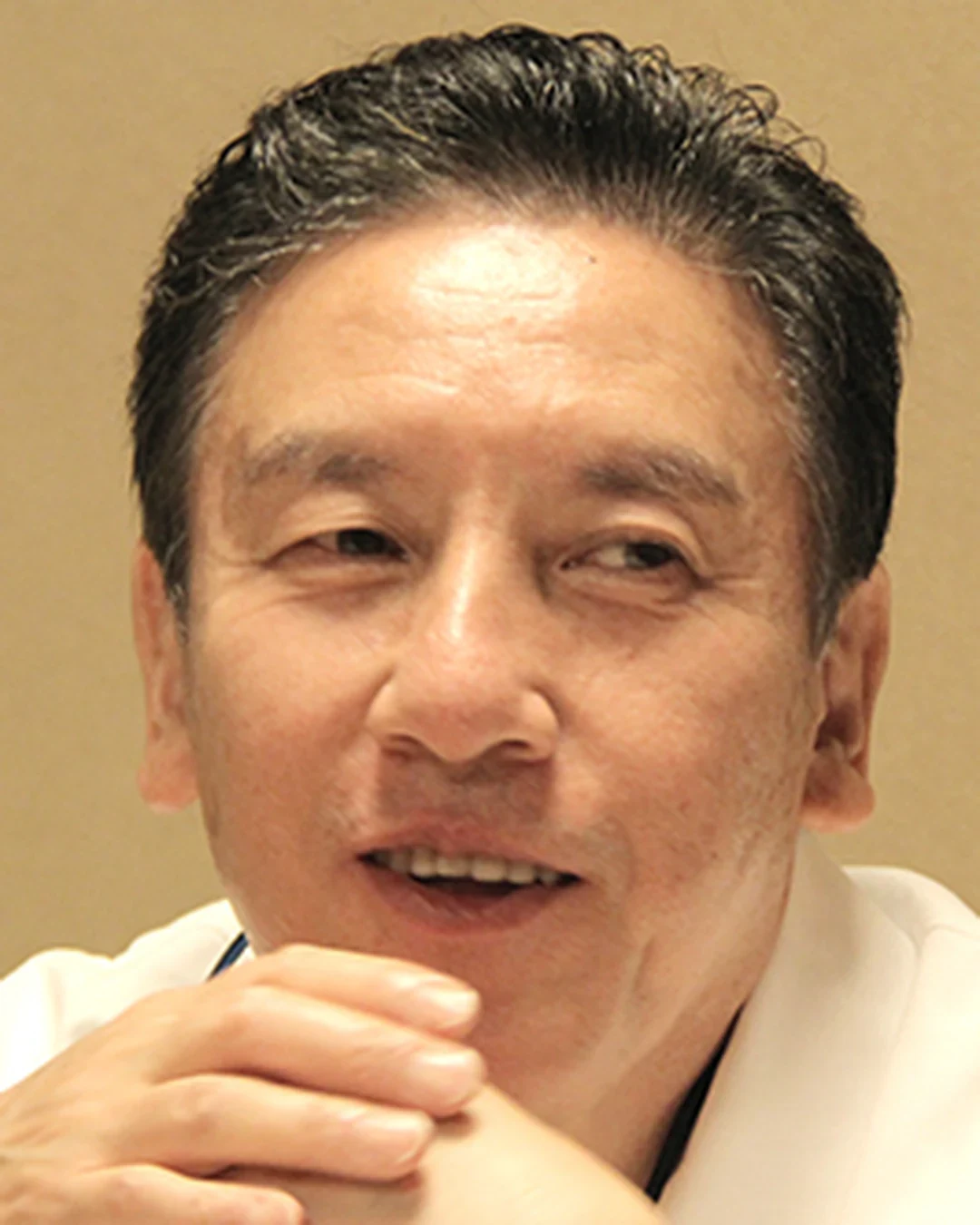
Mamoru Sugiyama
Chef
- 01CuisineTraditional Edomae Sushi
- 02CityTokyo, Japan
- Opinionated About Dining Top Restaurants in Japan Recommended · 2026
- Opinionated About Dining Top Restaurants in Japan Ranked #551 · 2025
The Counter Ginza Demands
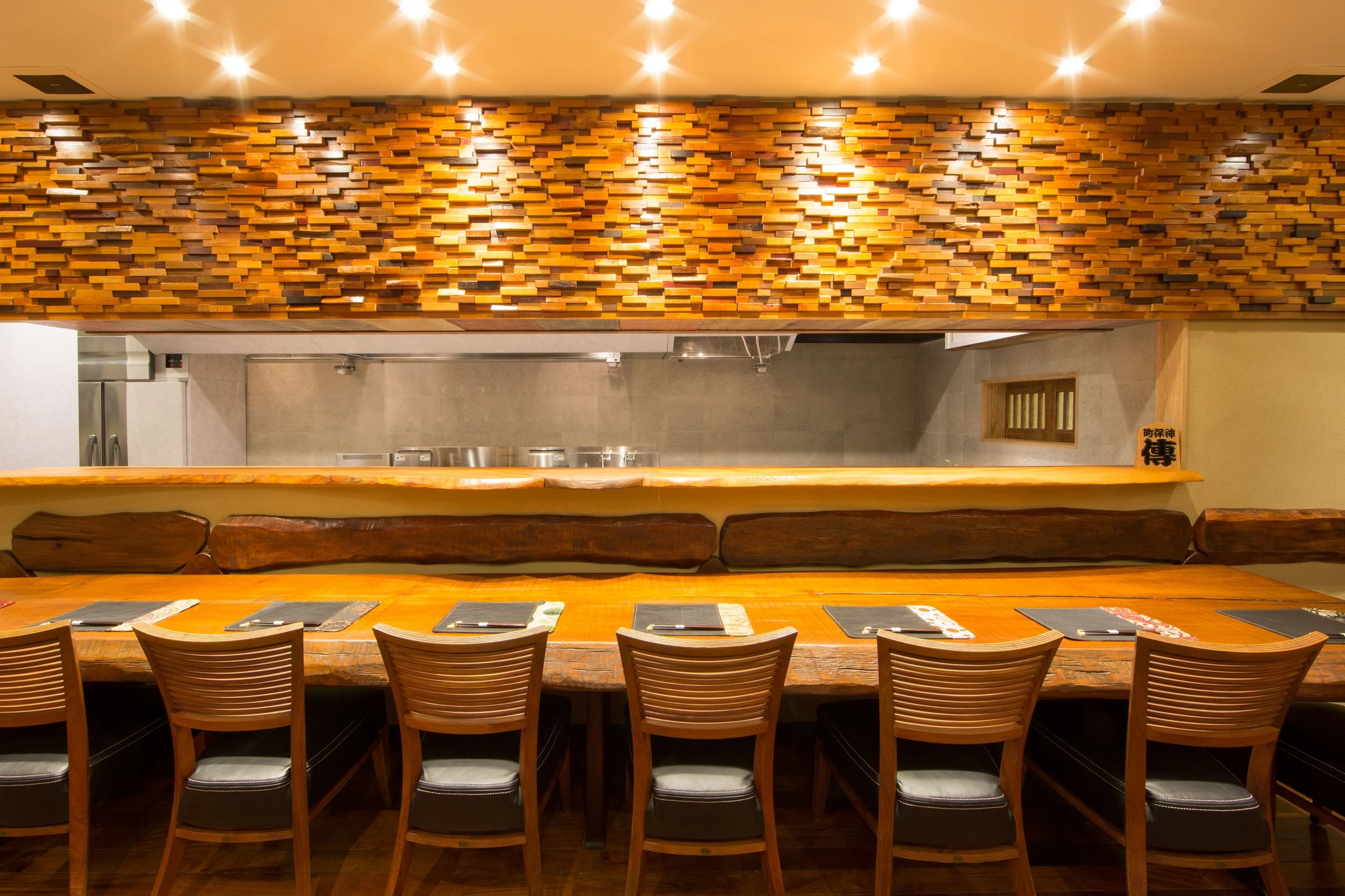
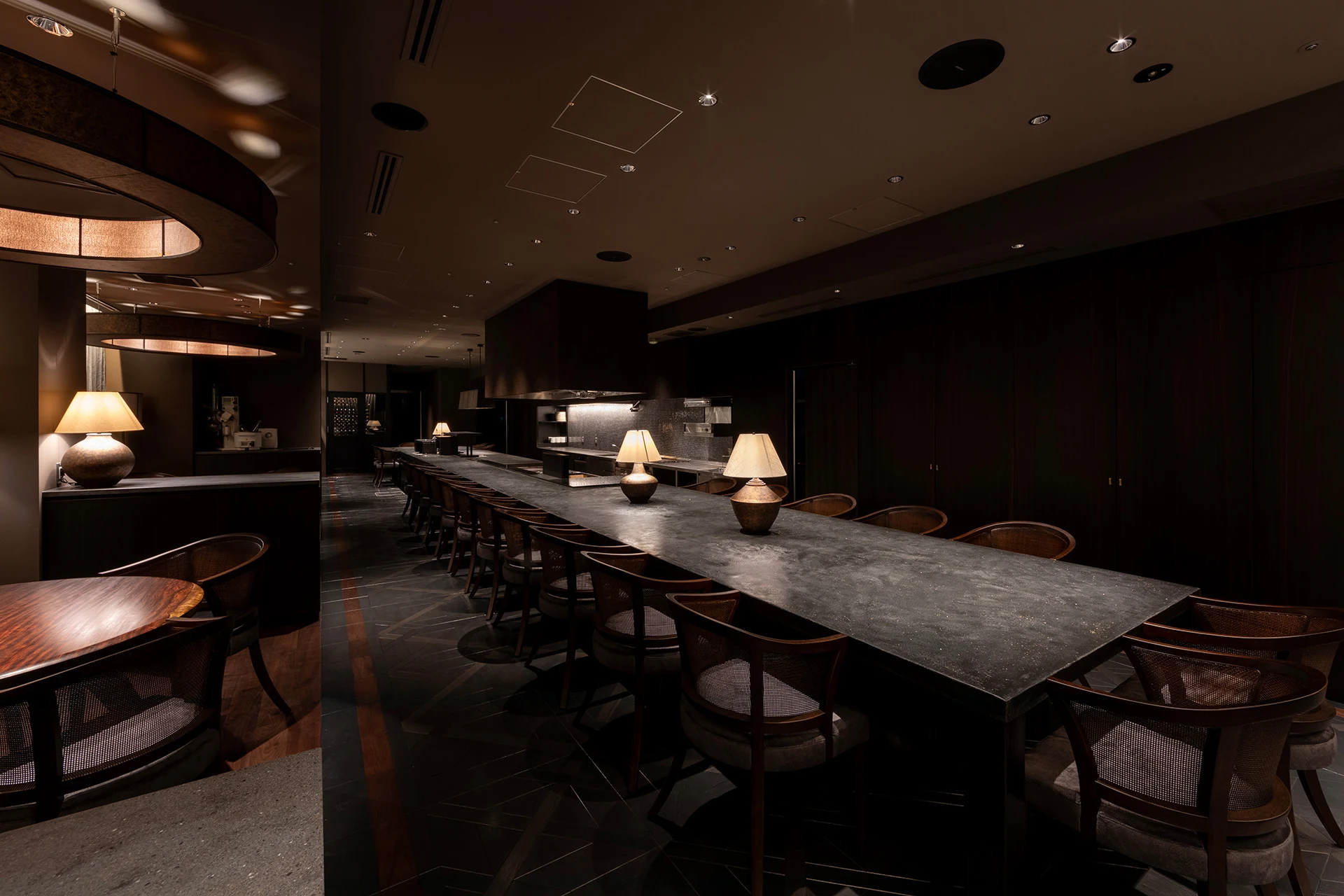
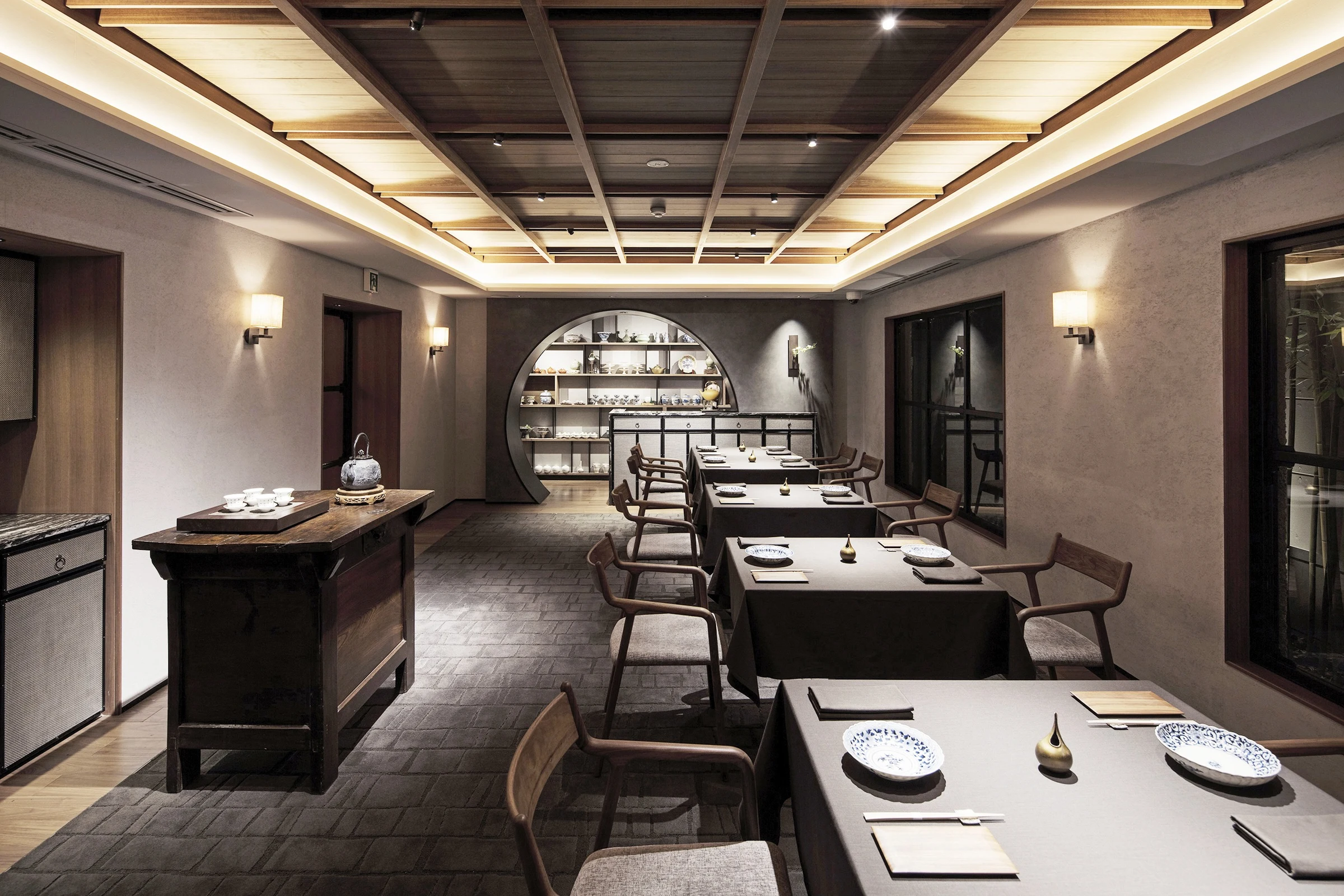
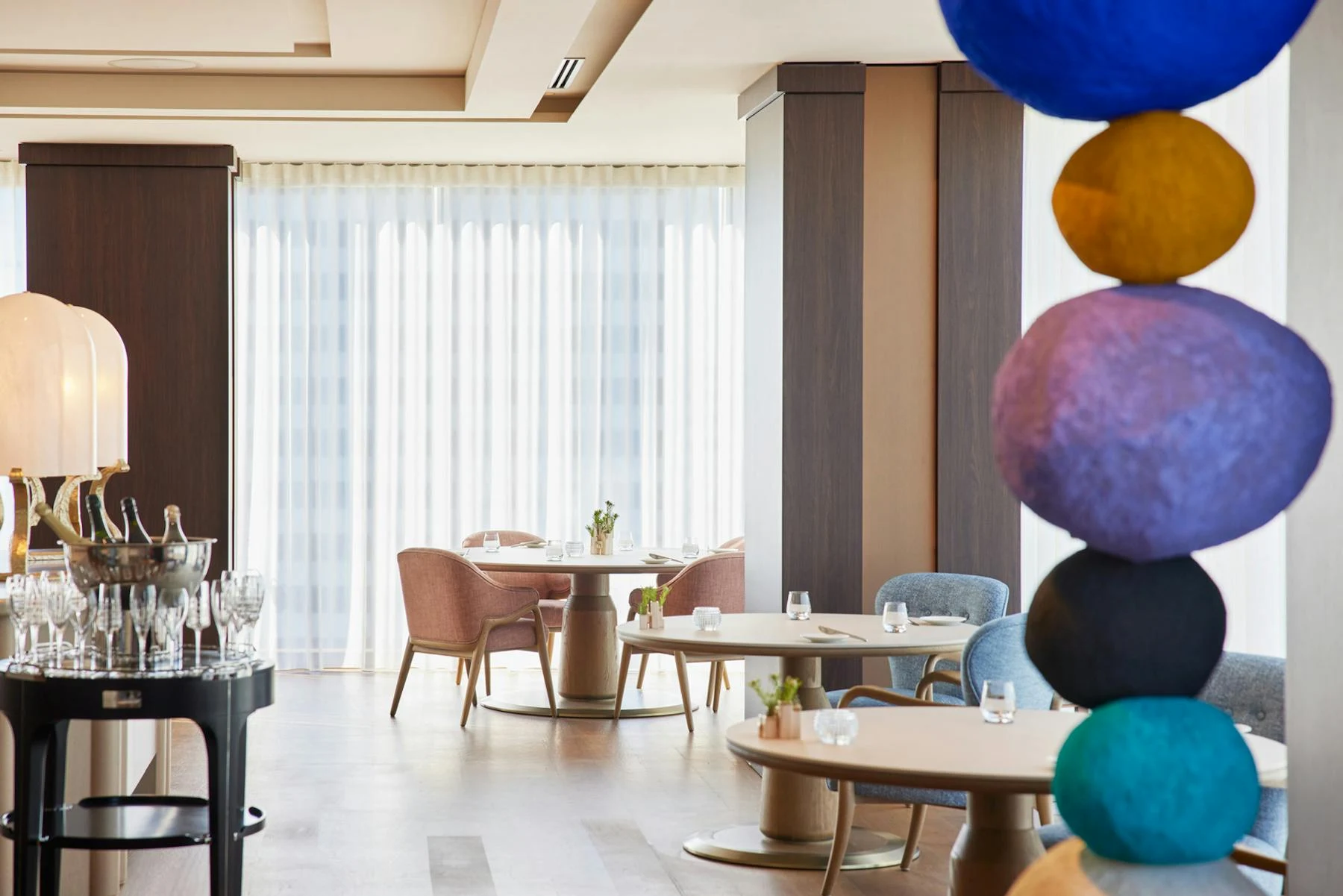
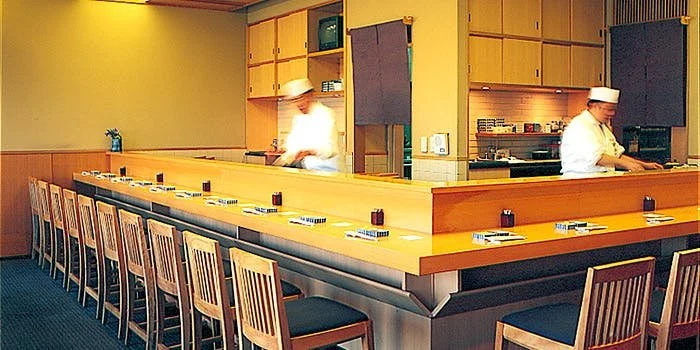
Walk the backstreets of Chome-6 in Ginza and the density of serious sushi counters becomes apparent quickly. This is not a neighbourhood where a restaurant can drift on ambient reputation. The diners know the difference between rice seasoned well and rice seasoned correctly; they have, in many cases, been to the other counters on the same block. Ginza Sushi Ko Honten, at 6 Chome-3-8, operates inside that pressure. It is a sushi restaurant in Tokyo, led by chef Mamoru Sugiyama. The room addresses you accordingly: spare, controlled, every surface oriented toward the counter and what arrives across it.
The atmosphere at counters in this tier follows a logic that has less to do with design decisions than with the Edomae tradition itself. You sit close to the chef, you watch the work unfold in sequence, and the conversation, when it happens, is terse and specific. Theatrics are an absence here, not a choice. The genre, at its most concentrated, treats silence as a form of respect.
Edomae in Its Competitive District
Ginza has long occupied a particular position in Tokyo's sushi hierarchy. The neighbourhood hosts a cluster of counters that price and position against each other rather than against the broader city market. Sushi Kanesaka and Harutaka define the upper bracket in this district, operating at Michelin three-star level and booking months in advance. Sukiyabashi Jiro Roppongiten carries lineage that has shaped how the Western dining public understands the form. What this concentration produces, practically, is a comparable set where differentiation happens at the level of fish sourcing decisions, rice temperature, and knife work rather than format.
Ginza Sushi Ko Honten places within that context. Its 2025 ranking at #551 in Opinionated About Dining's Japan list, a guide that draws on aggregated critic scores rather than single-inspector visits, positions it as a recognised house operating below the district's starred upper tier but within the broader body of counters that Japan's most attentive food community tracks. For a Ginza address, that designation carries weight. The OAD list is not given to courtesy inclusions.
The Edomae method that defines Ginza's leading counters was codified in Tokyo over roughly two centuries, rooted in the idea of pre-seasoning fish through salting, marinating, or curing rather than serving it entirely raw. The technique was partly pragmatic, before refrigeration, fish needed handling, but it also produced a distinct flavour register that separates Edomae from the more neutral presentations that came to define sushi elsewhere in Japan and abroad. At counters working in this tradition, the chef's decisions about ageing, seasoning, and temperature are the text. The fish, in a sense, is the argument.
The Drinks Question in an Omakase Setting
The editorial angle most often neglected at counters like Ko Honten is the drinks list. Sushi's dominant pairing culture in Ginza is still built around sake, and the category rewards attention. Premium junmai daiginjo expressions, particularly those from Niigata and Yamagata, bring the kind of restraint and mineral precision that Edomae fish work demands. Over-fruited sake or anything aggressively dry can overwhelm the seasoned layers in aged fish; the correct pour amplifies them.
Intersection of wine and high-end omakase has evolved in Tokyo over the past decade. A number of Ginza counters now maintain short but considered lists that include white Burgundy and Champagne, two categories that have proven structurally compatible with Edomae seasoning. The argument is not novelty: older sommelier-advised pairings at counters in this district have demonstrated that the acidity and mineral structure of chablis, in particular, functions as a lateral note to the vinegar register in sushi rice. At venues where the drinks list is handled with the same discipline as the fish sourcing, the pairing dimension becomes another precision tool rather than an afterthought.
Where Ko Honten Fits in the Broader Omakase Field
The spread of serious Edomae counters across Tokyo and beyond makes geographic comparisons useful for first-time visitors. Edomae Sushi Hanabusa and Hiroo Ishizaka represent the form in other Tokyo neighbourhoods, each operating within distinct local price and access contexts. Outside the capital, the sushi tradition carries differently: Sushi Shikon in Hong Kong and Shoukouwa in Singapore represent the export of high-level Edomae craft to Southeast Asian markets, each operating under different supply-chain constraints but maintaining the form's methodological demands.
Ginza Ko Honten is the Ginza version of this: a counter embedded in the district where the tradition is most concentrated, working against the standard set by immediate neighbours rather than the global field.
Seasonal Timing and Planning
The rhythm of Edomae sushi is seasonal at its core. Spring brings lighter white-fleshed fish; late summer to autumn represents peak season for fatty tuna, with much of the leading maguro arriving from northern waters off Hokkaido and the Pacific bluefin fisheries. Winter is the preferred season of many serious sushi eaters in Japan, as cold waters slow fish metabolism and build fat reserves that translate directly to flavour. Timing a visit to the cooler months, November through February, aligns with when the raw material is broadly at its most expressive across Ginza's counters.
Reservations at Ginza counters in this tier are not walk-in propositions.
| Venue | District | Recognition | Price Tier |
|---|---|---|---|
| Ginza Sushi Ko Honten | Ginza | OAD Japan 2025 (#551) | Not published |
| Harutaka | Ginza | Michelin 3 Stars | ¥¥¥¥ |
| Sushi Kanesaka | Ginza | Michelin-recognised | ¥¥¥¥ |
| Sukiyabashi Jiro Roppongiten | Roppongi/Ginza tier | Established lineage | ¥¥¥¥ |
| Edomae Sushi Hanabusa | Tokyo | Edomae specialist | Not published |
Beyond Ginza: Building a Japan Itinerary
A visit to Ko Honten fits most naturally into a Tokyo-centred trip where Ginza's dining concentration is the primary objective. For travellers extending into the broader Japan circuit, HAJIME in Osaka, Gion Sasaki in Kyoto, and akordu in Nara each represent a different register of Japanese fine dining, worth considering as the itinerary expands. Goh in Fukuoka and 1000 in Yokohama offer options for those moving between cities. For the Pacific Rim, 6 in Okinawa represents a distinct southern Japanese cooking tradition.
Questions
Frequently asked
Who works at Ginza Sushi Ko Honten?
Made By profiles Mamoru Sugiyama (Chef) at Ginza Sushi Ko Honten.
How expensive is Ginza Sushi Ko Honten?
Ginza Sushi Ko Honten is listed at a price level of $$$$.
Where is Ginza Sushi Ko Honten and what does it serve?
Ginza Sushi Ko Honten is in Chūō, Tokyo, serving Traditional Edomae Sushi.
The field
How it compares
| Place | Cuisine | Notes | Awards |
|---|---|---|---|
| Ginza Sushi Ko Honten | Traditional Edomae Sushi | Chūō, $$$$ | · |
| Den | Modern Japanese Kaiseki | Tokyo | Michelin 2 Stars, World's 50 Best |
| Florilège | Modern French-Japanese Plant-Based Fine Dining | Tokyo | Michelin 2 Stars, World's 50 Best |
| Narisawa | Modern Japanese Satoyama Fine Dining | Tokyo | Michelin 2 Stars, World's 50 Best |
| Quintessence | Modern French Fine Dining | Tokyo | Michelin 3 Stars |
| Sazenka | Modern Chinese Fine Dining | Tokyo | Michelin 3 Stars, World's 50 Best |
| Sézanne | Modern French Fine Dining | Tokyo | Michelin 3 Stars, World's 50 Best |
In residence
Similar places
Modern Japanese Kaiseki
Den
Tokyo, Japan
★★ · 50 Best
Modern French-Japanese Plant-Based Fine Dining
Florilège
Tokyo, Japan
★★ · 50 Best
Modern Japanese Satoyama Fine Dining
Narisawa
Tokyo, Japan
★★ · 50 Best
Modern French Fine Dining
Quintessence
Tokyo, Japan
★★★
Modern Chinese Fine Dining
Sazenka
Tokyo, Japan
★★★ · 50 Best
Modern French Fine Dining
Sézanne
Tokyo, Japan
★★★ · 50 Best