Chef Ryogo Fujii leads Ginza Ugai in Ginza, Tokyo, a seven-seat modern kaiseki counter shaped by sourcing and restraint.
- Opinionated About Dining Top Restaurants in Japan Recommended · 2026
Opened at twenty-five, still at the counter
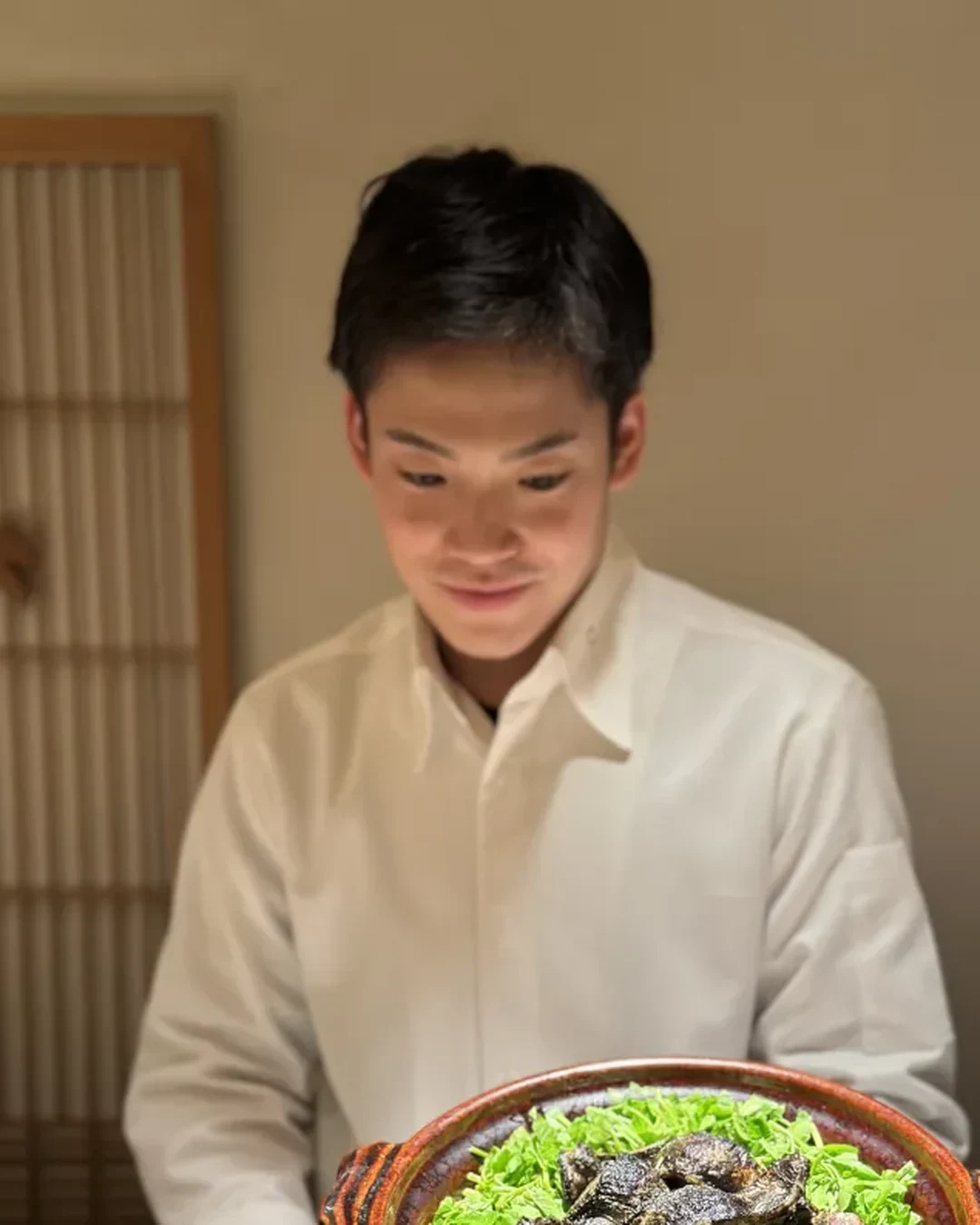
At the counter, chef Ryogo Fujii sets Ginza Ugai, in Ginza, Tokyo, to the pace of his hands. The house opened in 2022, when Fujii was 25, so his public formation and this seven-seat room arrived together. His lineage is carried instead through gratitude toward ingredients, producers, and guests, a structure that gives the meal its working ethic before it gives it a style.
As owner-chef, Fujii stands where those relationships meet. The producer sends something to the kitchen, the chef judges how far to intervene, and the guest receives the result at close range. That triangle suits a counter. There is little distance between the bench and the table, and little room for decorative excess. His role here is not separate from the restaurant’s philosophy; sourcing, technique, and service sit in the same set of hands.
A seasonal course built by restraint
Ginza Ugai works in a modern kaiseki frame, with a chef’s course rather than a broad à la carte menu. The known structure includes a 12-course meal, and the restaurant’s own public identity rests on seven counter seats, a number small enough to make sequence and timing part of the craft. The cooking is described through balance: umami, sweetness, and bitterness held in line, with Japanese ingredients given enough technique to clarify them rather than cover them.
The dishes named around the house show how Fujii reads place through product. Hokkaido fugu milt brings a regional ingredient into the progression with a texture that asks for exact heat and restraint. Lake Shibetsu trout gives the menu another point of origin. A premium wagyu course sits within the same grammar, not as display, but as another test of proportion. Kaiseki can make abundance feel quiet when the pass keeps each course in relation to the next.
Seven seats below Ginza
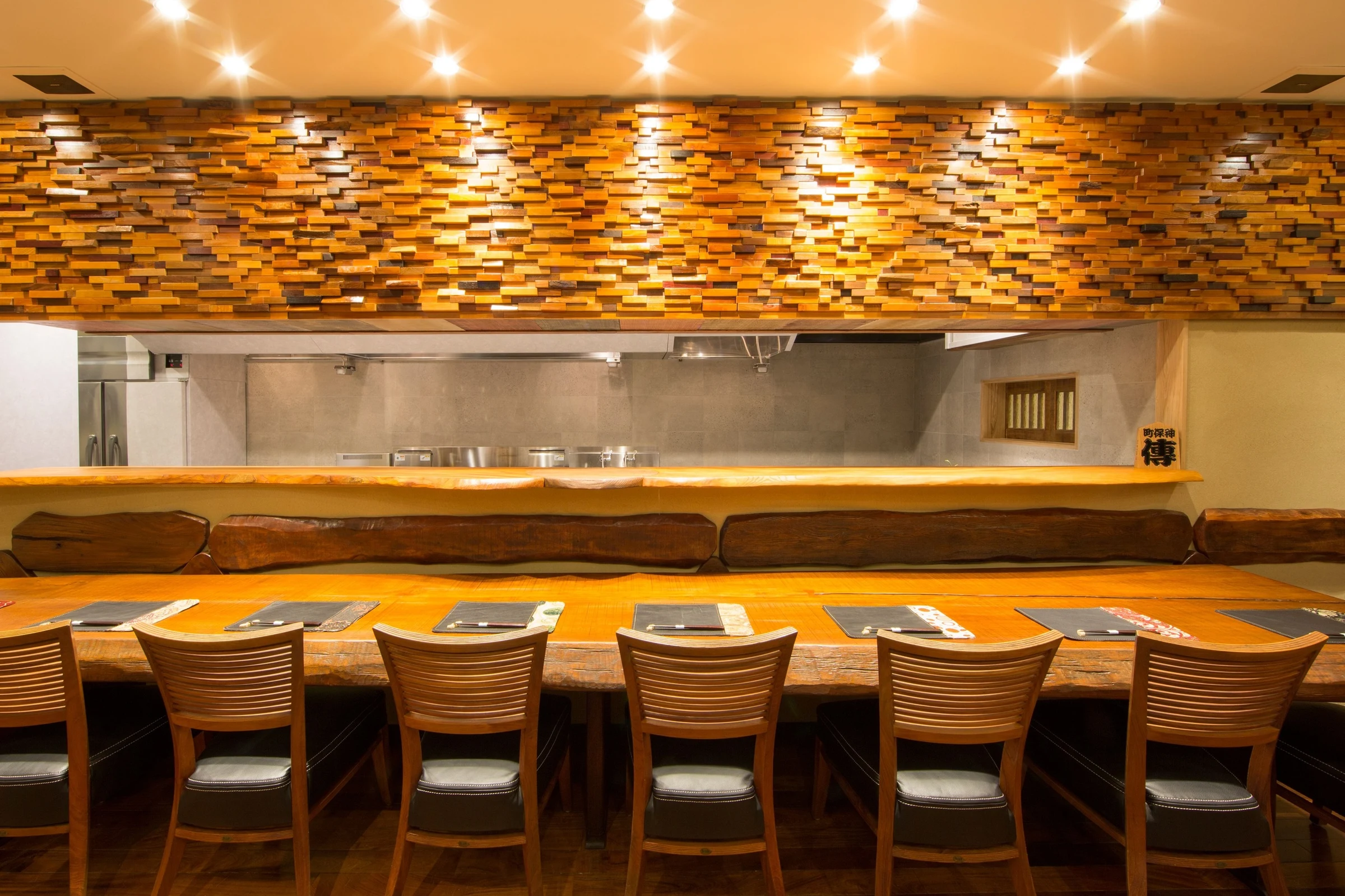
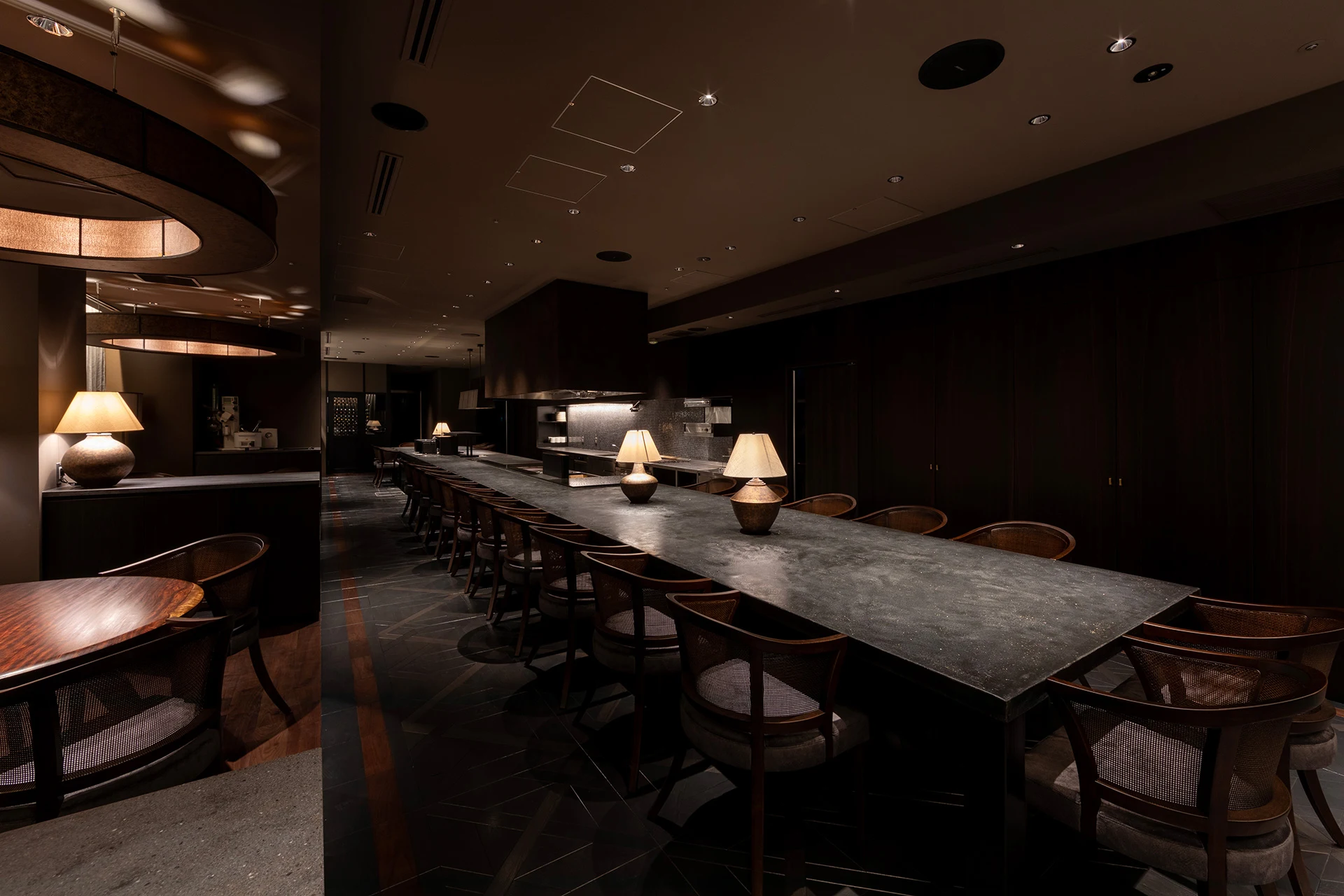
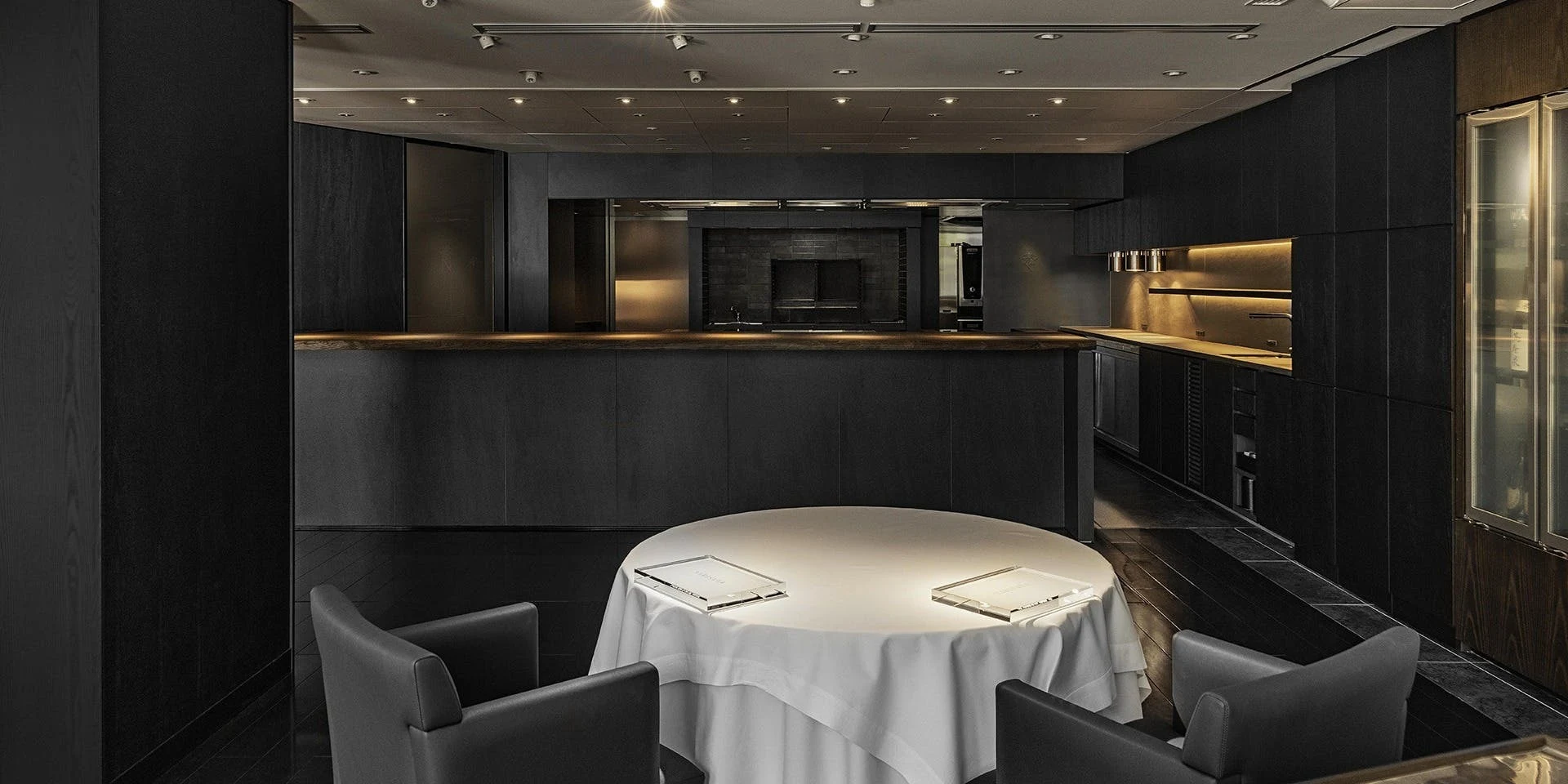
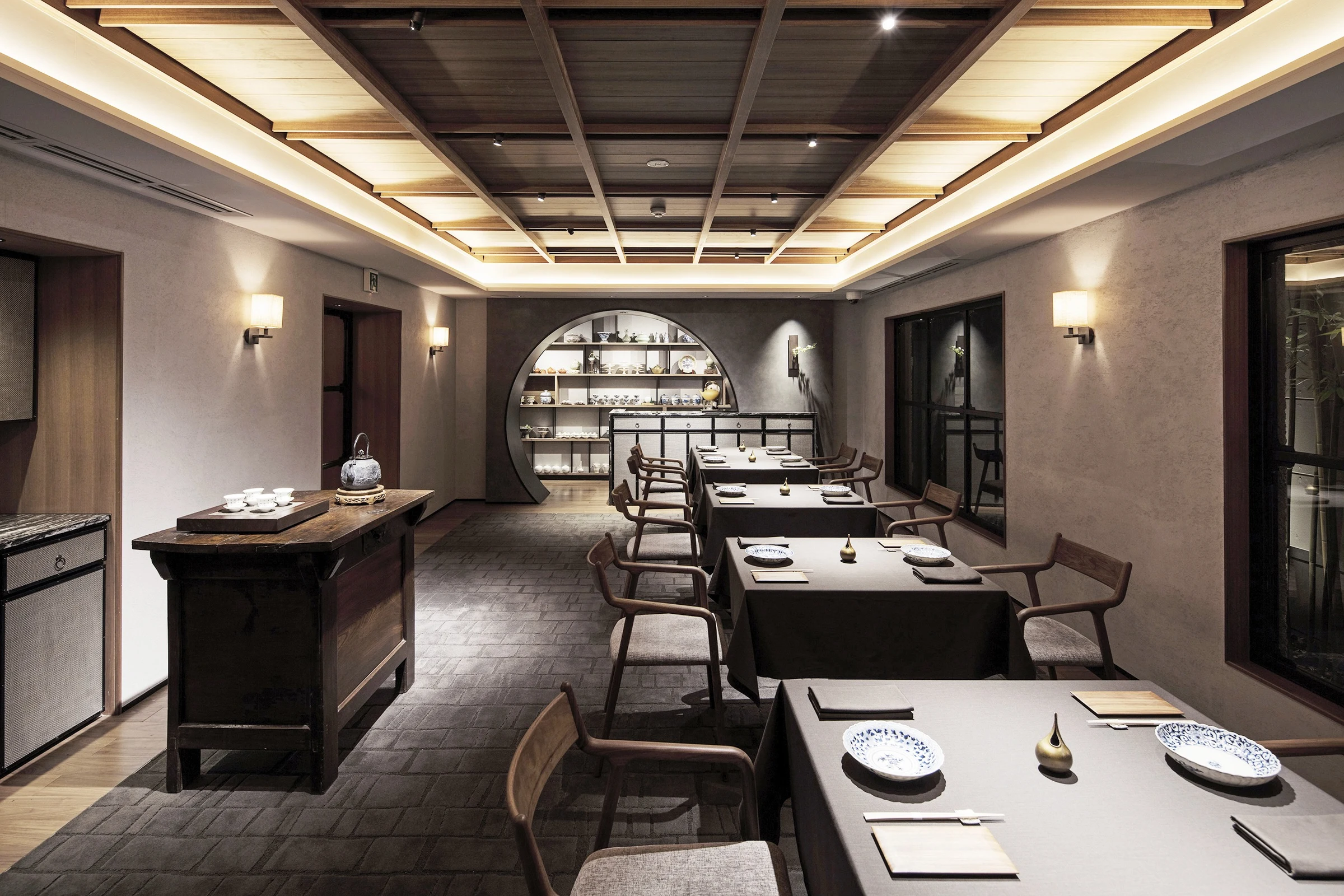
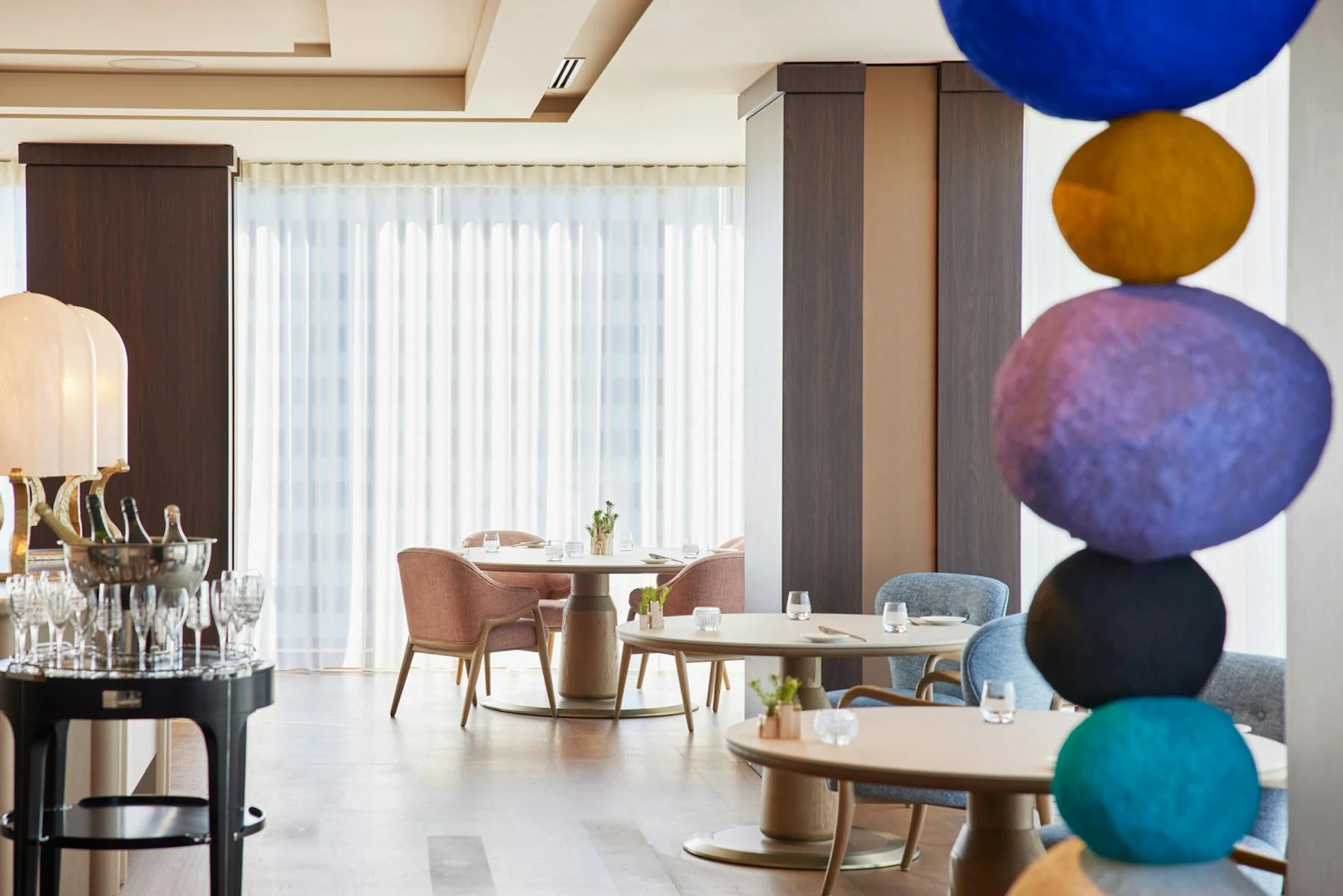
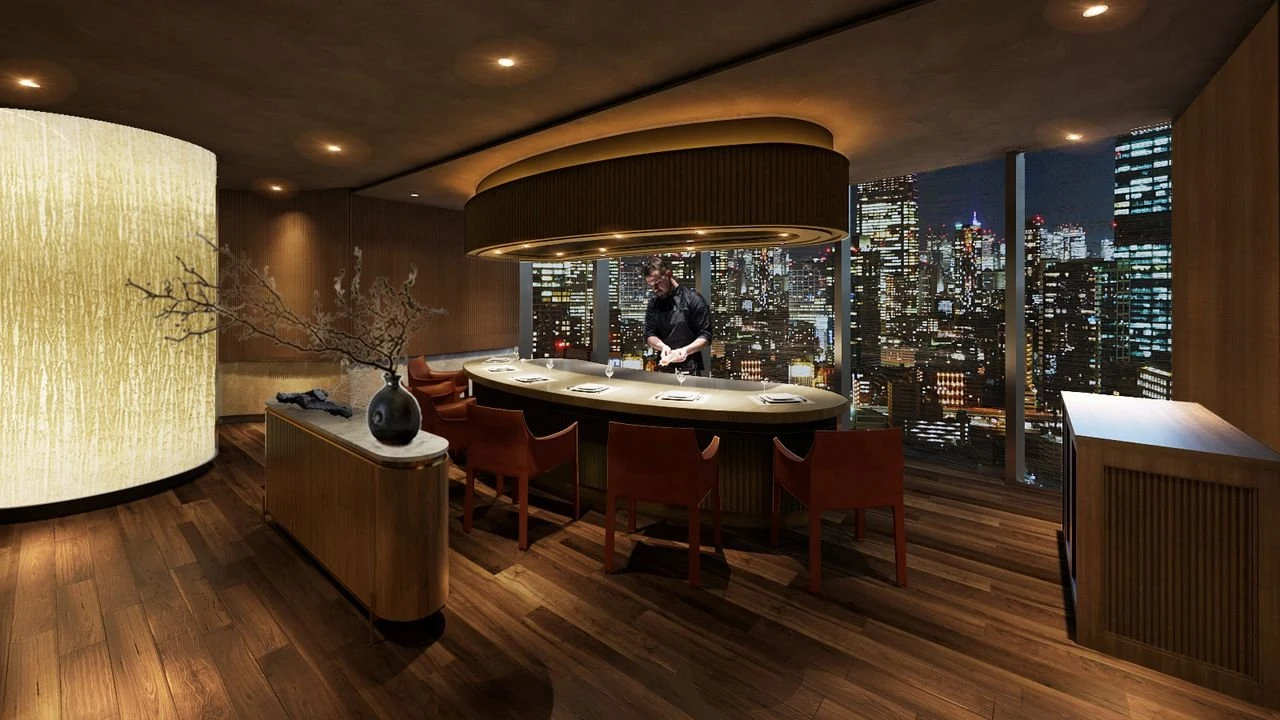
The room sits below street level in Ginza, away from the noise that gathers above it. Seven guests face the open kitchen, so the restaurant behaves less like a dining room than a bench-side exchange. The counter is the important piece of furniture. It fixes the eye on the cut, the bowl, the pause before a course leaves Fujii’s station.
The atmosphere is formal, but the scale keeps it human. Conversation stays low because there is nothing to compete with: no wide floor, no distant pass, no theatrical room to absorb attention. The service style suits contemplation, and the tasting format gives the evening a measured line. In that setting, a small adjustment at the counter can change the whole rhythm of Lake Shibetsu trout.
New house, narrow field of view
Ginza Ugai belongs to the newer generation of Ginza counters, not because it declares itself against the old houses, but because Fujii’s authorship and the room’s life began in the same year. The venue has one chef-led counter, seven seats, and a seasonal course that depends on trust. If the restaurant’s next chapter is not publicly named, the craft still gives the close enough shape: watch the hand that decides how much heat Hokkaido fugu milt can take.
Questions
Frequently asked
Who is behind Ginza Ugai?
Chef Ryogo Fujii leads Ginza Ugai as owner-chef, working at the counter where the restaurant’s sourcing, technique, and service meet.
What kind of restaurant is it?
It is a modern kaiseki restaurant in Ginza with a chef’s course rather than a broad à la carte menu. The room has seven counter seats below street level.
What does the menu focus on?
The menu is seasonal and built around restraint, with a known 12-course structure. Named dishes and courses include premium wagyu, Hokkaido fugu milt, and Lake Shibetsu trout.
The field
How it compares
| Place | Cuisine | Notes | Awards |
|---|---|---|---|
| Ginza Ugai | Modern kaiseki tasting menu | Ginza, $$$$ | · |
| Den | Modern Japanese Kaiseki | Tokyo | Michelin 2 Stars, World's 50 Best |
| Florilège | Modern French-Japanese Plant-Based Fine Dining | Tokyo | Michelin 2 Stars, World's 50 Best |
| Narisawa | Modern Japanese Satoyama Fine Dining | Tokyo | Michelin 2 Stars, World's 50 Best |
| Quintessence | Modern French Fine Dining | Tokyo | Michelin 3 Stars |
| Sazenka | Modern Chinese Fine Dining | Tokyo | Michelin 3 Stars, World's 50 Best |
| Sézanne | French | Tokyo | Michelin 3 Stars, World's 50 Best |
In residence
Similar places
Modern Japanese Kaiseki
Den
Tokyo, Japan
★★ · 50 Best
Modern French-Japanese Plant-Based Fine Dining
Florilège
Tokyo, Japan
★★ · 50 Best
Modern Japanese Satoyama Fine Dining
Narisawa
Tokyo, Japan
★★ · 50 Best
Modern French Fine Dining
Quintessence
Tokyo, Japan
★★★
Modern Chinese Fine Dining
Sazenka
Tokyo, Japan
★★★ · 50 Best
French
Sézanne
Tokyo, Japan
★★★ · 50 Best