i. Biography
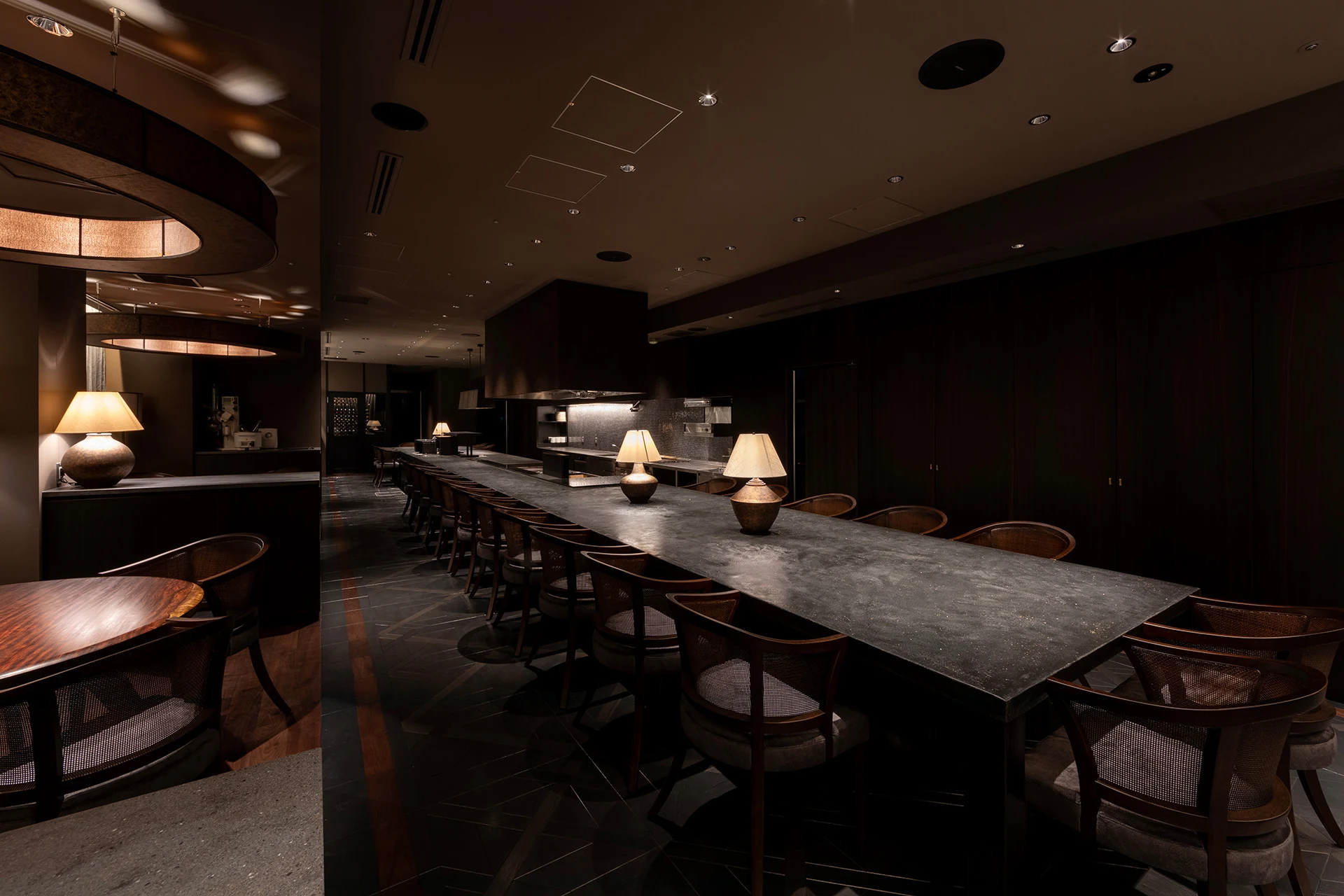
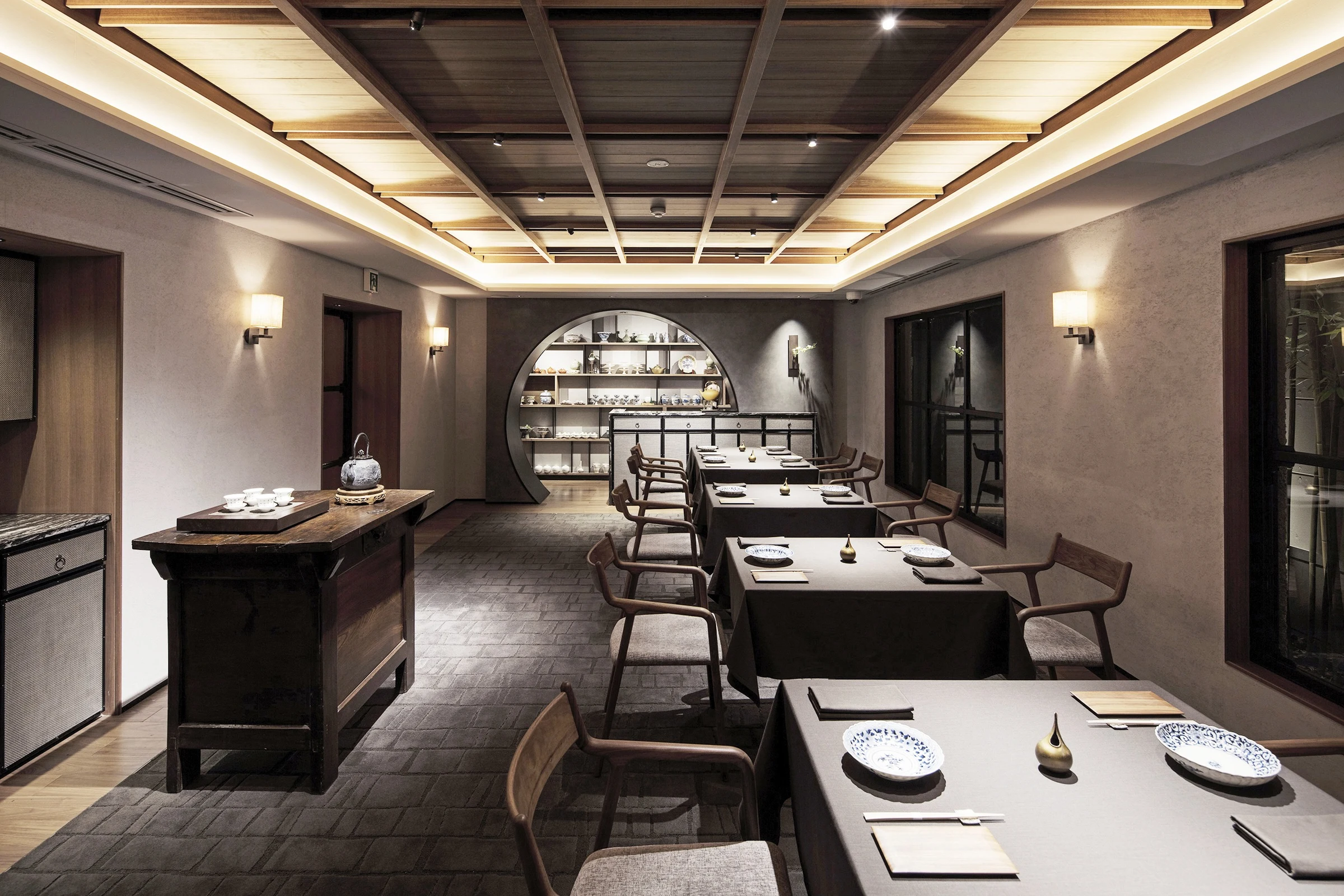
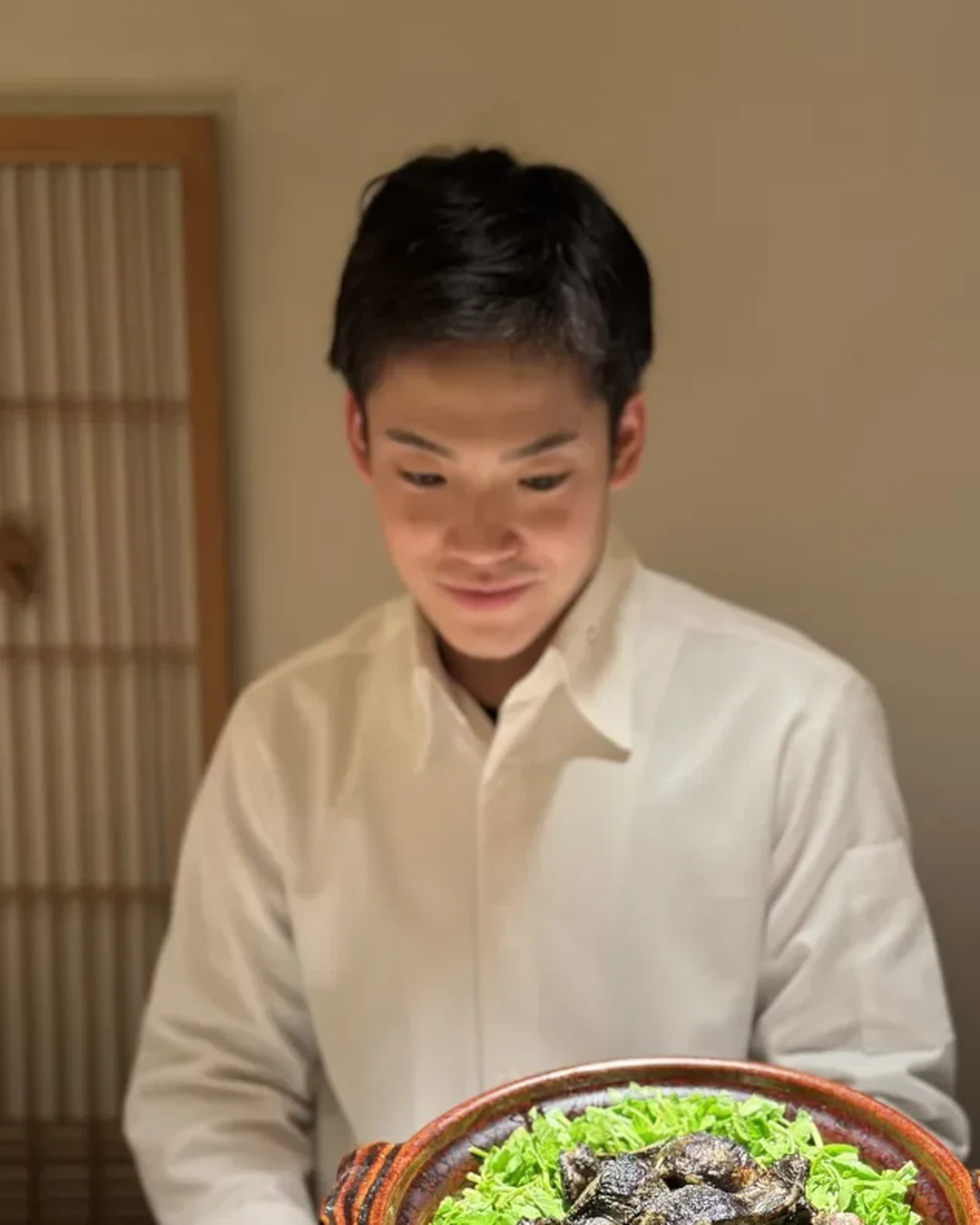
Ryogo Fujii’s formation is bound to Ginza Ugai in Tokyo, Japan, the restaurant he opened at the age of 25 and the house through which his name is carried. As owner-chef of Ugai, he works from a lineage built less on a named school than on gratitude: toward ingredients, toward producers, and toward the guests who complete the circle at the table.
The Training The clearest early marker in Fujii’s career is unusually direct: he opened the restaurant at 25. That fact gives his work a particular shape, because the house and the chef’s public path arrive together rather than as separate chapters. In that setting, training reads through practice. His cooking emphasizes accurate food sourcing, a discipline that begins before a dish reaches the kitchen. It also relies on creative techniques aimed at bringing out the best in ingredients, so the craft is not only procurement or invention but the tension between the two. That way of cooking gives the table its quiet grammar. Sourcing asks where an ingredient comes from and who made its arrival possible. Technique asks how much intervention is needed, and how precisely it should be applied.
The Lineage The lineage around Fujii is expressed through connection. Ugai embodies gratitude for relationships with ingredients, producers, and guests, which gives the restaurant’s philosophy a human structure: the producer sends something into the kitchen, the chef interprets it, and the guest receives it as part of a larger exchange. This is a different kind of family story, but it is still a family story. The named bonds are not between master and apprentice; they are between the restaurant and the people and materials that sustain it. In that sense, the house’s inheritance is renewed service by service, ingredient by ingredient. As owner-chef, Fujii sits at the point where those relationships meet. His role is not described as separate from the restaurant’s ethic; it is the place where gratitude becomes sourcing, technique, and menu.
The Table The dishes associated with the restaurant show how specific that ethic can become. Kuromutsu with Ponzu Jelly is listed as a notable dish, pairing a named fish with a preparation that signals clarity and control. Apple Harumaki is also listed among its notable dishes, a compact example of how the menu can move through texture and form without losing the ingredient at its center. Within the 12-course meal, Hokkaido Fugu milt is cited as one of the unique dishes, bringing a distinct regional ingredient into the sequence. Lake Hamana Eel is cited in that same 12-course meal, giving the menu another precisely named source and another way to read Fujii’s cooking: through place, product, and a technique chosen to let the ingredient speak as fully as possible.
FAQ What tradition or house shaped Ryogo Fujii? The house most closely tied to Ryogo Fujii is Ginza Ugai in Tokyo, Japan, built around gratitude for ingredients, producers, and guests. Who has Ryogo Fujii mentored? A specific mentee has not been identified in connection with Ryogo Fujii. Who did Ryogo Fujii train under? A specific teacher has not been identified in connection with Ryogo Fujii.